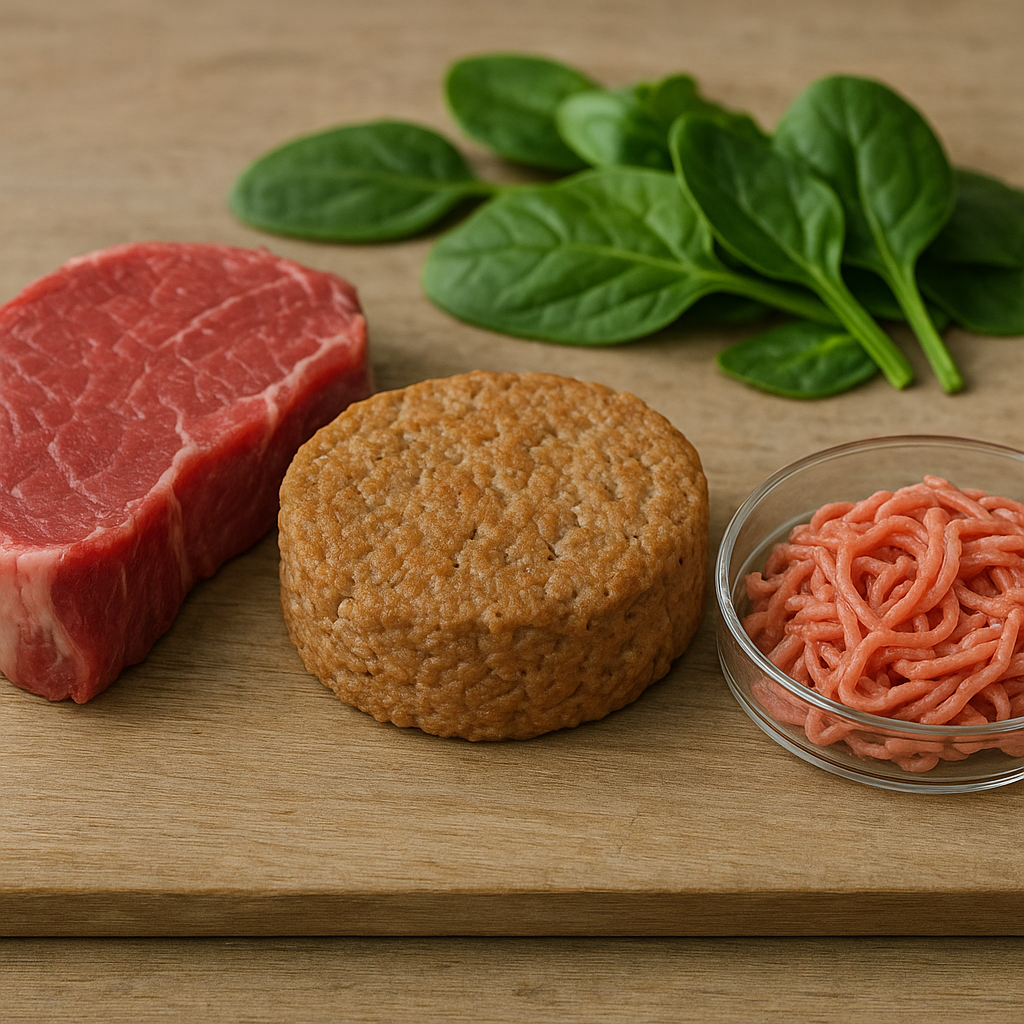
The global demand for protein is undergoing a profound transformation driven by shifts in consumer behavior, technological breakthroughs, and sustainability priorities. As populations grow and dietary trends evolve, stakeholders in the agricultural sector are reimagining how to meet nutritional needs while addressing climate change, resource constraints, and ethical considerations. This article explores three pivotal segments of the protein market—traditional meat, plant-based alternatives, and lab-grown innovations—and examines their trajectories within the broader context of the agriculture global market.
Meat-Based Protein: The Traditional Cornerstone
For centuries, animal-sourced proteins such as beef, pork, poultry, and seafood have been fundamental to human diets. Their rich amino acid profiles and culinary versatility have made them irreplaceable in many cultures. However, the meat industry now faces mounting pressure to reduce greenhouse gas emissions, optimize water use, and enhance animal welfare. Large-scale producers are investing heavily in supply chain traceability, deploying blockchain tools to certify origin and welfare standards. Meanwhile, processors are adopting precision feeding systems and anaerobic digesters to curb waste and methane output, aiming for a more sustainable production model.
Market dynamics in this segment are shaped by several factors:
- Rising per-capita income in emerging economies driving higher meat consumption
- Regulatory incentives for methane reduction and land-use optimization
- Consumer advocacy for ethical livestock rearing and antibiotic stewardship
- Supply chain disruptions—from pandemics to trade disputes—highlighting the need for resiliency
Plant-Based Protein: Growth and Challenges
In parallel with meat, the plant-based protein market has witnessed exponential growth. Innovations in texturization, flavor encapsulation, and ingredient formulation have elevated the taste and mouthfeel of soy, pea, wheat, and mycoprotein-based products. Startups and established food companies alike are aligning on a shared vision: deliver products that rival traditional meats in texture, taste, and nutritional value. This trend is underpinned by a surge in private and public investment, with venture capitalists backing novel protein brands and major processors acquiring alternative-protein lines to diversify portfolios.
Key drivers and obstacles include:
- Consumer concerns over environmental impact and animal welfare
- Health-oriented marketing highlighting low cholesterol and high fiber
- Challenges in scaling up ingredient supply—pea protein isolates and non-GMO chickpea flours face price volatility
- Regulatory scrutiny over labeling terms such as “burger” or “sausage”
To capture broader market share, R&D efforts focus on fortifying plant proteins with vitamins, minerals, and probiotics to match the micronutrient density of their animal counterparts. Collaborations with fermentation specialists and ingredient providers are driving down costs, enabling more affordable prices for end consumers.
Lab-Grown Protein: The Next Frontier
Cellular agriculture, encompassing cultured meat, fish, and dairy, seeks to revolutionize protein production by cultivating animal cells in bioreactors. Although still nascent, lab-grown products promise to bypass the need for animal slaughter, reduce land footprints, and dramatically lower emissions. Pioneering companies have achieved proof-of-concept prototypes for beef and chicken, while others are advancing edible fat and collagen to enhance flavor and texture. Regulatory milestones in some countries are paving the way for commercial launches, pending food safety evaluations and market authorizations.
Laboratory cultivation brings unique considerations:
- Optimizing growth media—transitioning from expensive animal-serum-based formulas to plant-derived or recombinant alternatives
- Scaling bioprocesses from liters to thousands of liters while maintaining cell viability and product consistency
- Ensuring cost competitiveness with conventional meat, which requires reducing capital and operational expenditures
- Building consumer trust via transparent labeling and education on biotechnology principles
Backed by advances in bioreactor engineering and biotechnology, cultured protein enterprises are forging partnerships with ingredient suppliers, academic institutions, and pilot plant operators. These collaborations aim to unlock new methodologies for cell line development, nutrient recycling, and downstream processing.
Intersecting Trends and Market Outlook
Across all protein segments, several cross-cutting trends are reshaping the agricultural landscape. Data analytics and IoT sensors are enabling real-time monitoring of crop yields, feed quality, and livestock health, facilitating agile decision-making. Retailers are offering hybrid options—combining meat with plant-based extenders—to appeal to flexitarian shoppers. Meanwhile, sustainability reporting frameworks are holding companies accountable for carbon footprints, water use, and land conversion, driving investments in regenerative agriculture and circular economy practices.
Consumer Preferences and Regulatory Environment
Consumer preferences remain paramount. Surveys indicate growing interest in low-carbon diets, yet taste, price, and convenience continue to influence purchase behavior. Brands are leveraging social media campaigns and influencer partnerships to educate audiences about alternative proteins and dispel misconceptions. On the regulatory front, authorities worldwide are updating guidelines to govern novel foods, labeling, and health claims. Policymakers are keen to balance innovation incentives with rigorous safety assessments, ensuring that new products enter the market responsibly.
The future of protein will likely be characterized by a diversified portfolio: traditional meat, advanced plant-based formulas, and lab-grown options coexisting to meet varied needs. Each segment carries unique strengths and challenges, yet all contribute to a more resilient, adaptive, and environmentally conscious food system. By harnessing innovation, cross-sector collaboration, and evidence-based regulations, the agriculture global market is poised to deliver nutritious, affordable, and sustainable protein solutions for billions worldwide.