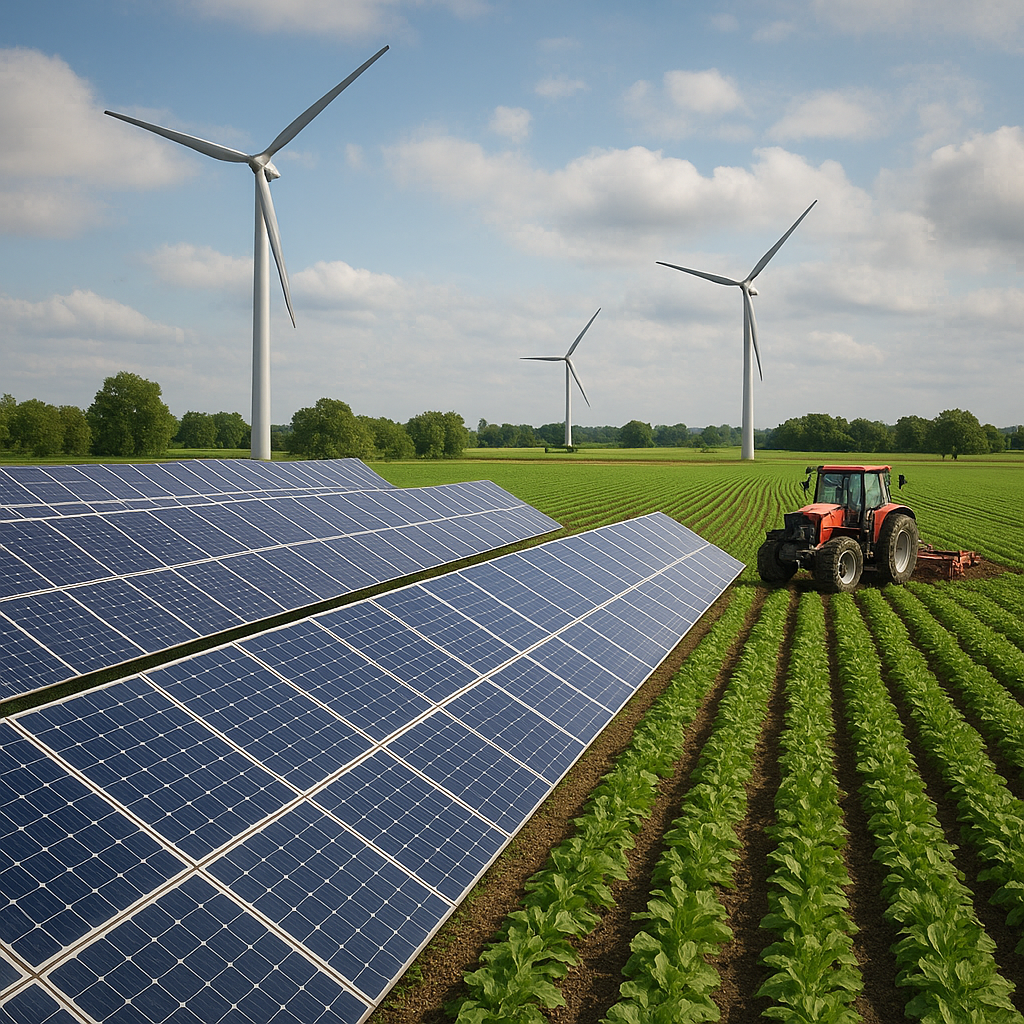
The intersection of environmental economics and modern agriculture has never been more pivotal. As governments and international bodies emphasize climate action, mechanisms like carbon pricing play a transformative role in shaping the future of crop production. This article examines how carbon pricing influences the global agricultural market, explores adaptive strategies for stakeholders, and evaluates the wider implications for food security and economic stability.
The Mechanisms of Carbon Pricing in Agriculture
Carbon pricing assigns a monetary value to greenhouse gas footprints, applying fees or tradable permits to incentivize emission reductions. Two primary schemes dominate: a carbon tax that sets a fixed price per ton of CO₂ equivalent, and a cap-and-trade system where emission allowances are auctioned or allocated, creating a market for credits. Both approaches aim to internalize the environmental cost of emissions, shifting the burden from society at large to individual emitters.
Within the context of crop cultivation, emissions stem from fertilizer production, on-farm fuel usage, land conversion, and nitrous oxide release from soils. By placing a cost on these activities, carbon pricing encourages producers to adopt lower-emission practices. A typical tax might range from $20 to $50 per ton of CO₂e, while permit prices in regional trading schemes can vary widely based on supply, demand, and regulatory tightening. The resulting price signals guide investment decisions, rewarding innovation in fertilizer efficiency, renewable energy deployment, and precision agriculture technologies.
Linkages to Agroindustrial Value Chains
- Input Suppliers: Fertilizer and machinery manufacturers adjust R&D priorities toward low-carbon solutions.
- Farm Gate Operations: Producers reassess cropping patterns, irrigation methods, and fuel sources.
- Processing and Distribution: Millers, packagers, and transporters face new cost variables affecting final commodity prices.
By integrating carbon costs into each link of the value chain, stakeholders can identify high-leverage opportunities to lower overall footprints. This process highlights the critical role of transparent reporting systems, which enable accurate monitoring and verification of emission reductions.
Effects on Crop Production and Market Prices
When carbon pricing becomes part of the agricultural landscape, its immediate impact surfaces in both production costs and commodity valuations. Farmers who rely heavily on synthetic fertilizers or diesel-powered equipment face direct increases in operating expenses. This often translates into upward pressure on crop prices, affecting both domestic consumers and importers.
However, not all producers are equally affected. Regions with abundant access to renewable energy or organic inputs may experience lower marginal costs. For instance, farms that integrate solar pumping systems for irrigation or utilize cover crops to sequester carbon can offset liabilities. These practices not only reduce carbon fees but also enhance soil health and long-term productivity.
Market Volatility and Price Transmission
Introducing a carbon price can exacerbate market volatility, especially during transitional phases. Traders and speculators react to evolving regulations, leading to wider price spreads. Moreover, the pass-through rate — the extent to which carbon costs are reflected in consumer prices — depends on market concentration, trade barriers, and the elasticity of demand for staples like wheat, maize, and rice.
- High Pass-Through: Monoculture systems reliant on petrochemical inputs.
- Moderate Pass-Through: Mixed farms with diversified revenue streams.
- Low Pass-Through: Smallholders adopting agroecological methods.
Global supply chains further complicate the picture. Countries with stringent carbon policies may find their exports less price-competitive compared to regions without such measures, potentially shifting production to lower-regulation areas — a phenomenon known as carbon leakage. To counteract this, border carbon adjustments or tariffs on high-carbon imports can level the playing field, ensuring that climate ambition does not compromise domestic market integrity.
Adaptive Strategies for Farmers and Policy Considerations
As stakeholders navigate the new economic environment, collaborative and multifaceted approaches prove most effective. Farmers adopting sustainable practices benefit from reduced fee burdens and can often monetize carbon credits through voluntary offset markets. Such opportunities demand robust measurement, reporting, and verification protocols to ensure credibility and prevent greenwashing.
Key Tactics for Enhancing Resilience
- Regenerative Practices: Incorporating cover cropping, reduced tillage, and intercropping boosts soil carbon sequestration and fertility.
- Precision Agriculture: Utilizing GPS-guided equipment and data analytics optimizes input usage and minimizes waste.
- Renewable Energy Integration: Solar, wind, and bioenergy installations lower reliance on fossil fuels for on-farm operations.
- Crop Diversification: Introducing alternative high-value or climate-resilient varieties reduces dependency on monocultures.
- Water-Smart Irrigation: Drip and sensor-based systems improve water efficiency while curbing methane emissions from flooded rice fields.
Policy frameworks can bolster these tactics through targeted incentives. Subsidies for anaerobic digesters, tax credits for energy-efficient machinery, and grant programs for soil health initiatives create a supportive environment. Moreover, integrating agricultural interests into national and regional carbon markets enhances liquidity and broadens participation.
Balancing Equity and Efficiency
Smallholder farmers and marginalized communities risk disproportionate burdens unless measures are taken to ensure fairness. Capacity-building efforts, extension services, and knowledge-sharing networks are essential for enabling resource-limited producers to engage effectively. In parallel, public funding can underwrite the upfront costs of transitioning to low-carbon systems, with payback schedules linked to performance outcomes.
- Sliding-Scale Fees: Graduated carbon charges based on farm size or revenue thresholds.
- Community-Based Offsets: Aggregating smallholder projects to achieve scale and market access.
- Technical Assistance: Training programs focused on carbon accounting and sustainable agronomy.
By fostering an inclusive approach, policymakers can harmonize sustainability goals with food security mandates and rural development objectives. This synergy not only mitigates climate risks but also enhances overall resilience within the agricultural sector.
Implications for the Global Market and Future Outlook
The ripple effects of carbon pricing extend far beyond individual farms. International trade negotiations increasingly incorporate environmental clauses, shaping tariff structures and preferential agreements. Exporters must remain vigilant, adjusting supply strategies to align with emerging carbon standards in target markets.
In the long term, carbon pricing can drive innovation across the agro-food system. Private sector investment in carbon-smart fertilizers, genetically improved seeds with reduced methane emissions, and carbon auctions tailored to agricultural projects are on the rise. These developments contribute to a dynamic global market where environmental performance becomes a competitive asset.
Ultimately, the transition toward a carbon-constrained agricultural paradigm demands collaborative engagement among governments, research institutions, producers, and consumers. By combining robust policy frameworks with technological advancements and sound risk management practices, the sector can achieve both economic viability and environmental integrity. The journey requires persistence, creativity, and an unwavering commitment to a sustainable food system.