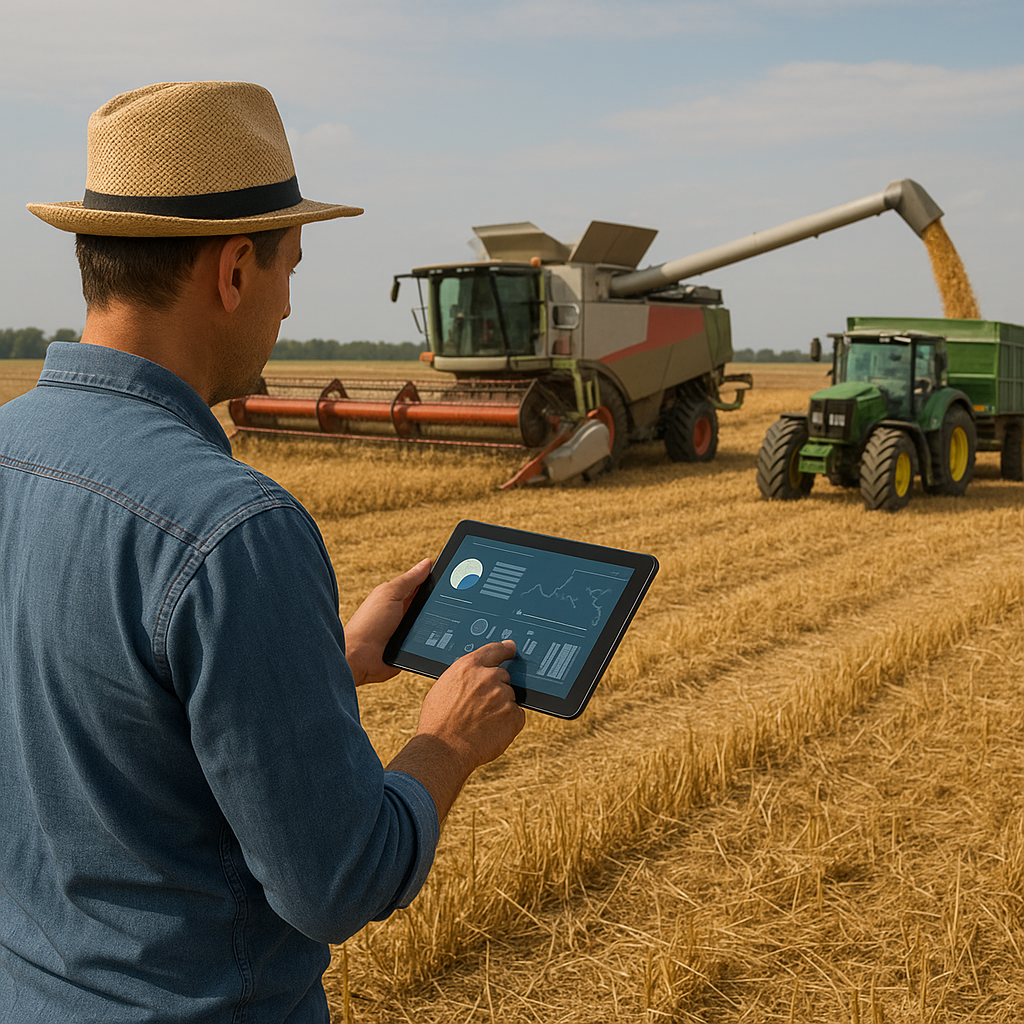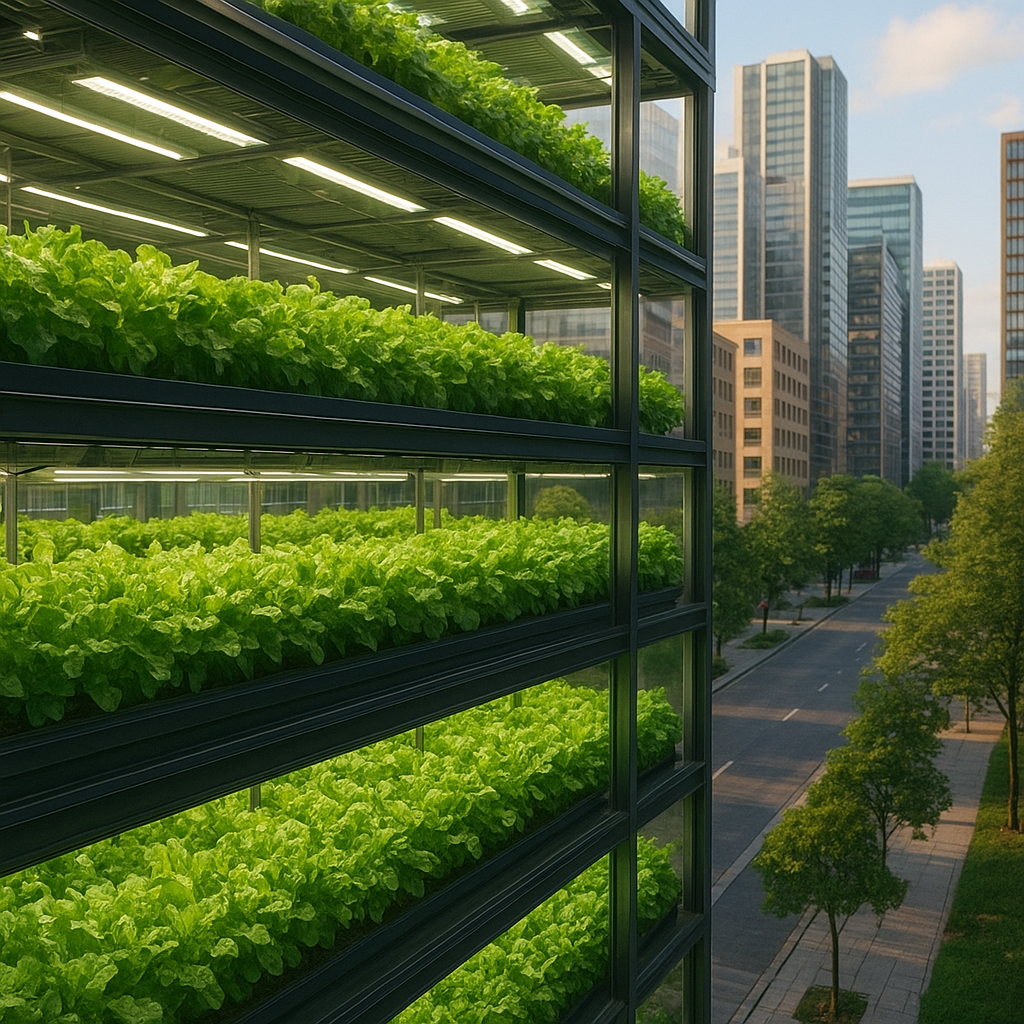
The unprecedented pace of global urbanization has prompted innovators to reimagine food production within dense cityscapes. Vertical farming has emerged as a transformative approach to urban agriculture, leveraging advanced technologies to cultivate crops in stacked layers. This paradigm shift seeks to enhance sustainability, optimize land use and deliver fresh produce to metropolitan consumers with reduced environmental footprints.
Advancements in Controlled Environment Agriculture
Controlled environment agriculture (CEA) forms the backbone of modern vertical farming systems. By precisely regulating temperature, humidity and light cycles, operators can achieve year-round crop cultivation regardless of external weather patterns. Hydroponics, aeroponics and aquaponics are three prominent cultivation methods:
- Hydroponics: Plants grow in nutrient-rich water solutions, replacing soil with inert growing media. This approach reduces water consumption by up to 90% compared to traditional farming.
- Aeroponics: Nutrient mist is sprayed onto plant roots suspended in air, accelerating growth and minimizing water usage.
- Aquaponics: Fish and plant cultivation are integrated, where fish waste provides natural fertilizer for plants and plants help purify water for fish.
Cutting-edge LED lighting systems have revolutionized photosynthetic efficiency in indoor farms. By tuning light spectra to match specific crop requirements, growers can shorten growth cycles and enhance nutritional value. Sensors and automation equipment continuously monitor environmental parameters, ensuring optimal conditions and reducing manual intervention. Integration of smart technologies—including Internet of Things (IoT) devices and machine learning algorithms—enables real-time data analysis, predictive maintenance and dynamic resource allocation.
Economic and Market Dynamics
The global market for vertical farming has witnessed exponential growth, driven by increasing consumer demand for locally sourced, pesticide-free produce and heightened awareness of supply chain vulnerabilities. Market analysts forecast that the sector will reach a valuation exceeding $12 billion by 2028, with a compound annual growth rate (CAGR) of approximately 22%. Major investors, including venture capital firms and agribusiness conglomerates, are committing significant capital to fund research and infrastructure.
Key factors shaping the economic landscape include:
- Real estate optimization: Repurposing abandoned warehouses and underutilized urban buildings into production facilities addresses premium land costs in city centers.
- Supply chain resilience: Shortening transport distances reduces spoilage rates and carbon emissions, improving overall resource efficiency.
- Consumer preferences: An increasing segment of health-conscious shoppers places a premium on freshness, traceability and reduced chemical inputs.
- Policy incentives: Government grants, tax breaks and subsidies support urban farming initiatives as part of broader climate resilience strategies.
Collaborative ventures between technology providers, agricultural scientists and food distributors are now commonplace. Such partnerships accelerate scaling efforts, facilitate knowledge transfer and open new revenue streams, including subscription-based delivery models and direct-to-consumer platforms. Leading vertical farming companies are diversifying their product portfolios to include leafy greens, herbs, microgreens and even staple crops like wheat and lettuce hybrids.
Challenges and Technological Innovations
Despite its promise, vertical farming faces several technical and economic hurdles. High initial capital expenditure for facility construction, lighting and climate control systems remains a significant barrier to entry. Additionally, energy consumption for artificial lighting and HVAC (heating, ventilation and air conditioning) can offset environmental benefits if reliant on nonrenewable power sources.
Researchers and practitioners are tackling these challenges through multiple avenues:
- Renewable integration: Coupling solar panels, wind turbines or biomass systems with indoor farms reduces carbon footprints and stabilizes operational costs.
- Advanced materials: Use of reflective interior surfaces and energy-efficient insulation lowers energy demands for lighting and temperature regulation.
- AI-driven optimization: Artificial intelligence models analyze multi-dimensional data streams—such as nutrient uptake rates and growth patterns—to fine-tune resource delivery and predict yield outcomes.
- Robotics and automation: Automated harvesting, seeding and packaging systems minimize labor dependency and enhance operational consistency.
- Blockchain-enabled traceability: Distributed ledger technology records each stage of production and distribution, ensuring transparency for food safety and quality assurance.
Further innovation in nutrient formulations aims to tailor fertilizer blends to specific crop genetics, accelerating growth and improving flavor profiles. Cross-disciplinary research partnerships between universities, private labs and industry groups are crucial to refining these technologies and lowering entry costs for new market entrants.
Future Prospects and Sustainability Impacts
As urban populations continue to swell, vertical farming will play an increasingly vital role in achieving global food security and fostering resilient cityscapes. By producing food at the point of consumption, vertical farms can eliminate up to 95% of supply chain emissions associated with long-distance transport. The potential for biophilic design—integrating plant walls and rooftop installations into urban architecture—also offers psychological benefits, improving air quality and enhancing community well-being.
Key trends shaping the future trajectory include:
- Modular expansion: Prefabricated vertical farming units can be rapidly deployed in emerging markets and disaster-affected areas to address immediate food shortages.
- Vertical integration: Agritech companies are branching into adjacent sectors such as supply chains management, food processing and retail partnerships to control end-to-end quality.
- Circular economy models: Waste streams from urban farms—such as spent growing media and organic residues—are being repurposed into biogas, compost or animal feed.
- Policy alignment: Increasing alignment of municipal planning with urban agriculture objectives will unlock new zoning allowances and infrastructure support.
By prioritizing energy efficiency, harnessing renewable power sources and leveraging intelligent control systems, future vertical farms will deliver substantial gains in land use productivity—potentially producing 360 times more yield per square meter than traditional farmland. As these operations scale, they will redefine the relationship between cities and their food supply chains, anchoring robust, resilient and eco-friendly food systems for generations to come.