Efficient movement of agricultural products across continents is crucial for meeting rising global demand and ensuring food security. A pivotal factor in this dynamic is the strategic development of logistics hubs, which act as centralized nodes to streamline operations, reduce lead times, and cut costs. These hubs leverage cutting-edge technology and optimized processes to transform raw produce into high-value shipments, ready to reach distant markets. As nations compete to capture larger shares of the global farm goods trade, understanding the multifaceted role of these facilities becomes indispensable.
Emergence of Logistics Hubs in the Agri-Export Landscape
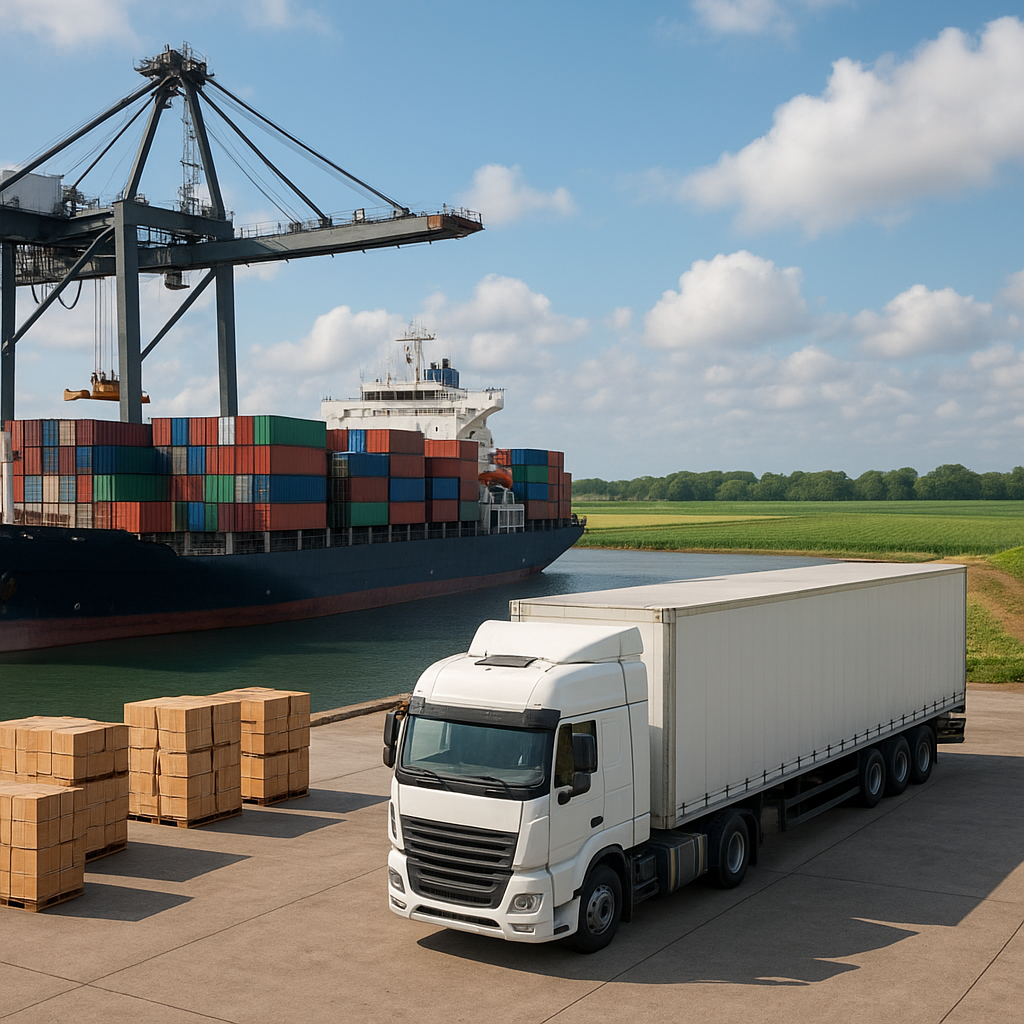
Over the past two decades, the exponential growth of agricultural exports has underscored the need for specialized handling and distribution centers. Historically, farmers and cooperatives relied on fragmented supply lines that often resulted in spoilage and unpredictable delivery schedules. The rise of logistics hubs marked a paradigm shift by consolidating multiple functions—sorting, grading, storage, and distribution—under one roof. These hubs are typically situated near major production zones or port facilities, thereby minimizing transit times and bridging producers with international buyers.
Key drivers behind this emergence include:
- Infrastructure investments: Governments and private investors have poured funds into roads, rail links, and port expansions to support large-scale hubs.
- Growing demand for timely shipments: Fresh produce markets in urban centers and overseas require reliable delivery windows to maintain quality.
- Technological adoption: Advanced systems for inventory tracking and cold storage management have become more affordable and scalable.
By situating these hubs at critical junctures—such as border crossings or shipping ports—exporters gain a competitive edge, reducing both cost and risk associated with long-haul routes.
Key Components and Technologies Enhancing Hub Efficiency
Modern logistics hubs are not simply warehouses. They integrate sophisticated processes to manage the entire supply chain from farm gate to foreign market. A few standout innovations include:
- Cold chain systems: Precise temperature control units ensure that heat-sensitive fruits, vegetables, dairy, and meat products maintain optimal freshness throughout transit.
- Automated sorting lines: High-speed conveyors, equipped with optical scanners and machine learning algorithms, classify produce by size, weight, and quality grade in real time.
- Data-driven analytics: IoT sensors monitor humidity, air flow, and energy usage, offering actionable insights to minimize waste and streamline operations.
- Traceability platforms: Blockchain or cloud-based solutions record every touchpoint, from pesticide application to shipping docs, fostering trust among buyers and regulators.
- Renewable energy integrations: Solar rooftops and wind turbines reduce carbon footprints, aligning with global commitments to sustainability.
These interconnected features empower stakeholders to anticipate bottlenecks, optimize storage allocations, and dynamically reroute shipments in case of disruptions. Furthermore, the emphasis on digital connectivity opens avenues for remote monitoring and predictive maintenance, mitigating downtime and lowering operational expenses.
Impact on Market Access and Sustainability
Enhanced logistics capabilities translate directly to expanded market access for farmers and exporters. By reducing transit losses and ensuring consistent quality, hubs enable producers to enter premium markets that were previously unreachable. For example, smallholder farmers in remote regions can now fulfill strict phytosanitary requirements for European and North American retailers, unlocking new revenue streams.
The ripple effects extend beyond mere profitability:
- Price stabilization: Centralized grading and auction facilities help level the playing field, preventing local gluts or shortages from causing extreme price swings.
- Waste reduction: Advanced cooling and humidity control cut spoilage rates by up to 30%, a critical contribution to the United Nations’ zero-hunger goals.
- Job creation: Regional hubs often become employment centers, offering roles in operations, quality assurance, and logistics management.
- Environmental conservation: Optimized routing and bulk transport minimize fuel consumption per unit shipped, lowering greenhouse gas emissions.
By marrying economic incentives with ecological stewardship, logistics hubs serve as catalysts for more resilient and inclusive agricultural value chains.
Challenges and Policy Recommendations
Despite their promise, the establishment and scaling of logistics hubs encounter several hurdles. Perishability of goods requires rapid turnaround, yet customs delays and regulatory bottlenecks can derail schedules. Inadequate funding models, fragmented governance, and skill shortages in technical management further complicate hub operations.
Key challenges include:
- Cross-border coordination: Divergent import/export regulations can introduce inefficiencies and increase compliance costs.
- Financing constraints: Small and medium enterprises often lack collateral or credit history to invest in high-end cold storage facilities.
- Talent gaps: Operating advanced machinery and interpreting data streams demand specialized training that is in short supply.
Policy recommendations:
- Public-private partnerships: Governments can share initial risks by subsidizing land acquisition or offering tax incentives, while private firms bring operational expertise.
- Regulatory harmonization: Streamlined customs procedures and mutual recognition agreements speed up cross-border flows.
- Capacity building: Technical institutes and vocational programs should focus on infrastructure management, data analytics, and cold chain engineering.
- Digital platforms: National portals for cargo tracking and license applications reduce paperwork and improve transparency.
By addressing these impediments, policymakers and industry leaders can foster an ecosystem where logistics hubs flourish, driving further gains in global agricultural trade.