The integration of renewable energy into agricultural production marks a transformative shift in how food and fiber are grown, processed, and distributed. By harnessing solar, wind, and biomass resources, farmers can reduce reliance on fossil fuels, lower emissions, and enhance overall sustainability. This article explores key trends, technological innovations, economic drivers, and the future outlook of renewable energy in the global agriculture market.
Global Energy Dynamics and Agricultural Demand
Agriculture accounts for a significant share of energy consumption worldwide, driven by irrigation pumps, grain drying, greenhouse ventilation, and refrigeration. As populations grow and dietary preferences shift, energy demand in rural areas rises sharply. Coupled with volatile fossil fuel prices and tightening environmental regulations, farmers are seeking alternative energy sources to maintain cost-effectiveness and regulatory compliance.
Energy Consumption Patterns
- Irrigation systems in many developing regions rely on diesel generators or grid electricity, leading to high operational costs.
- Post-harvest processing, such as milling and drying, consumes large quantities of thermal energy and electricity.
- Greenhouse operations require climate control systems that are energy-intensive, especially in extreme weather conditions.
Drivers of Renewable Adoption
- Government incentives and subsidies for renewable installations.
- Corporate sustainability commitments by agribusiness companies.
- Community-led initiatives promoting energy resilience in rural areas.
Technological Innovations in Renewable Agriculture
Advances in renewable energy technologies have generated cost declines and increased performance, making deployment on farms more feasible than ever. Integration strategies vary from standalone off-grid systems to grid-tied hybrid installations.
Solar-Powered Solutions
- Photovoltaic panels powering water pumps for drip irrigation reduce labor costs and conserve water.
- Solar thermal collectors supply hot water for greenhouse heating and post-harvest crop drying.
- Floating solar arrays installed over irrigation reservoirs limit evaporation and generate efficiency gains.
Wind Energy Applications
- Small-scale wind turbines deliver electricity for lighting, electric fencing, and sensors in remote fields.
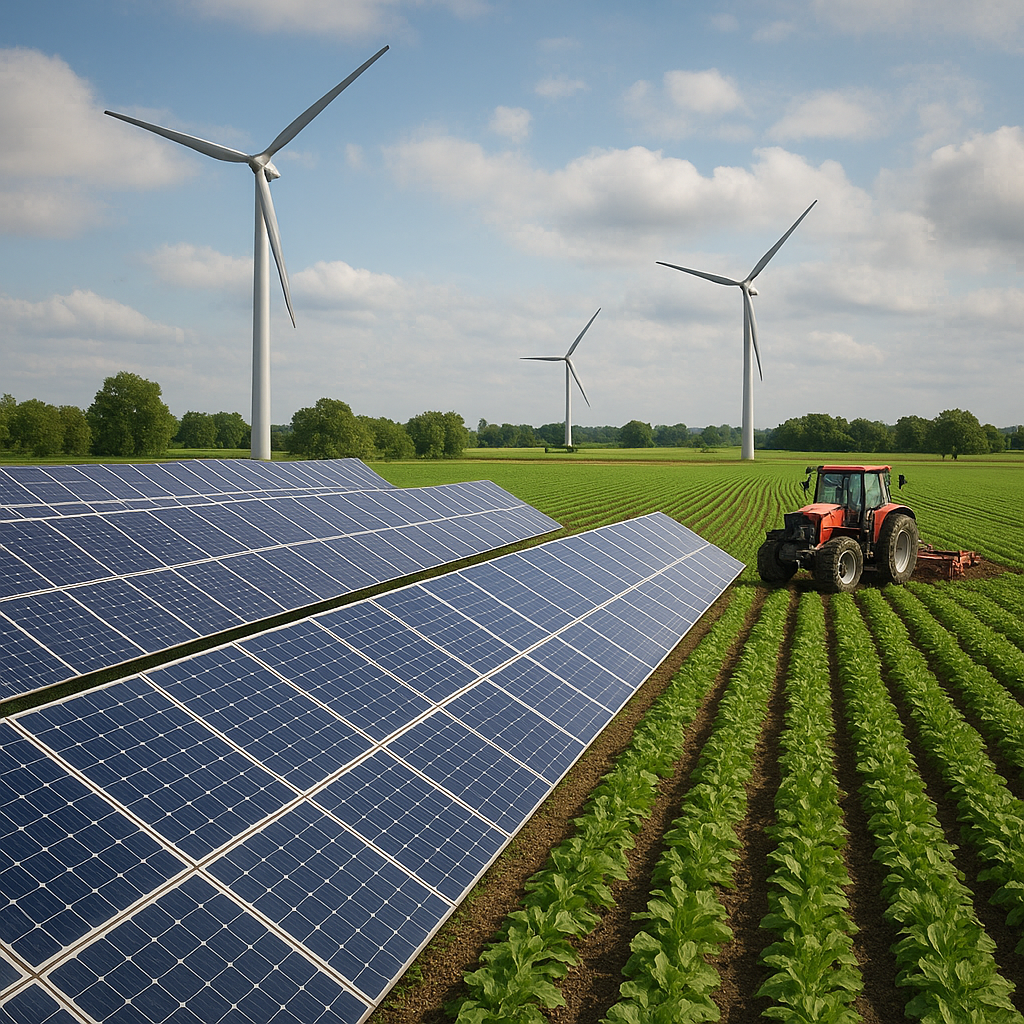
- Hybrid wind-solar systems ensure continuous power supply, especially in regions with complementary wind and sun patterns.
Biomass and Bioenergy
Organic residues such as crop stalks, manure, and food-processing waste can be converted into biogas or solid biofuels:
- Biogas digesters produce methane for cooking, heating, and powering generators.
- Pelletization of agricultural residues creates a renewable solid fuel for boilers and furnaces.
Economic and Environmental Impacts
Deploying renewable energy on farms yields a range of economic benefits, from lower operational costs to new revenue streams. Simultaneously, environmental gains support climate goals and safeguard ecosystem health.
Cost Savings and Revenue Generation
- Reduced fuel purchases translate to direct savings on diesel and propane expenses.
- Excess electricity from grid-tied solar installations can be sold back to utilities, generating additional income.
- Carbon credits and renewable energy certificates provide financial incentives for emissions reductions.
Environmental Advantages
- Decreased greenhouse gas footprint through replacement of fossil fuels with innovation-driven solutions.
- Improved soil and water quality by cutting diesel engine emissions near fields.
- Enhanced biodiversity when agroforestry systems integrate biomass crops with traditional agriculture.
Case Study: Electrification of Irrigation in Sub-Saharan Africa
In several Sub-Saharan countries, solar-powered pumps have replaced diesel units for smallholder farmers. Benefits include lower operating expenditures, year-round water access, and increased crop yields. The transition has also empowered women farmers, who often bear the burden of fuel collection and engine maintenance.
Future Prospects: Scaling Up Renewables in Agriculture
As renewable energy technologies continue to mature, their intersection with digital tools and precision farming will unlock even greater efficiencies and resource conservation.
Smart Energy Management
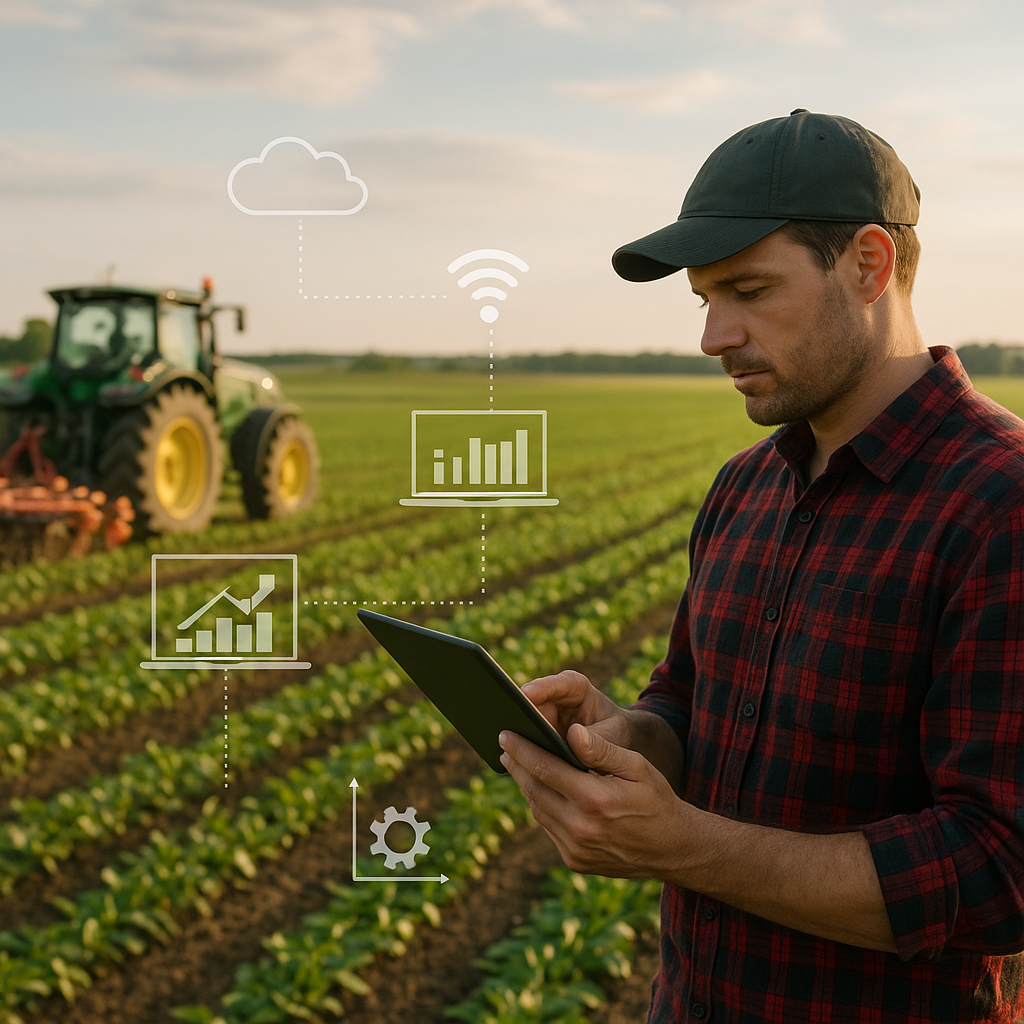
- IoT sensors monitor energy production and consumption, optimizing load distribution across farm operations.
- Machine learning algorithms forecast energy needs based on weather, crop cycles, and equipment usage patterns.
Integration with Precision Agriculture
- Remote data analytics enable fine-tuned irrigation powered by solar pumps, minimizing water and energy waste.
- Drones and autonomous vehicles charged by renewable-powered stations reduce emissions from field activities.
Policy and Investment Landscape
- Public-private partnerships accelerate infrastructure deployment in underserved rural regions.
- Green bond financing channels capital toward large-scale agro-solar and agro-wind projects.
- International climate funds support capacity building and technology transfer to emerging markets.
By aligning agricultural practices with clean energy strategies, the global market stands poised to deliver food security, economic opportunity, and a healthier environment. The synergy between renewable power and farming innovation forms a cornerstone of a more resilient and climate-smart agricultural future.