Smart sensors are transforming the way farms operate around the world by providing real-time insights into crop health, soil conditions, and environmental factors. This article explores the innovative applications of these devices, their impact on the global agriculture market, and the challenges and future trends shaping modern farming.
Applications of Smart Sensors in Precision Agriculture
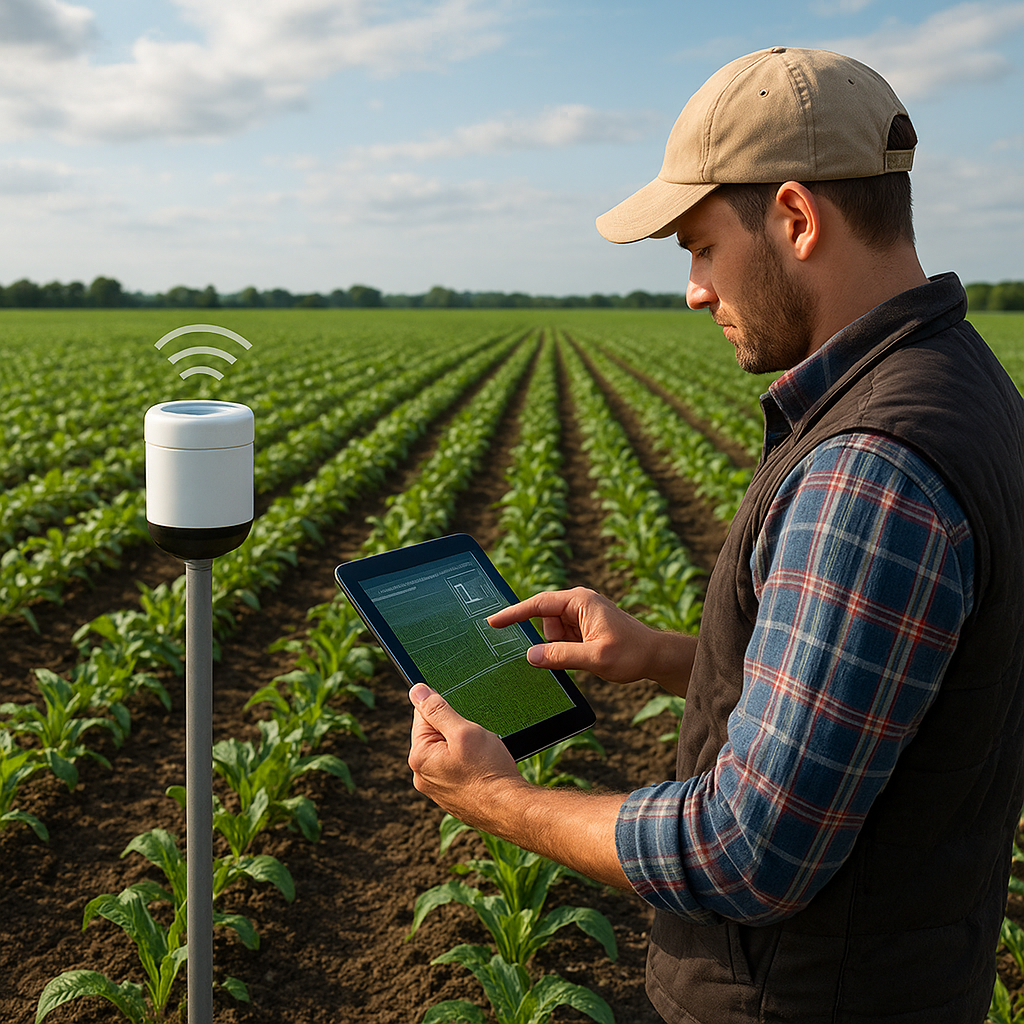
The integration of smart sensors into farming equipment and field deployments has revolutionized traditional practices. By harnessing advanced data collection technologies, growers can now make informed decisions that enhance yield, reduce waste, and promote sustainability.
Soil Monitoring and Nutrient Management
Soil health is the foundation of crop productivity. Smart sensors measure:
- Moisture levels to optimize irrigation schedules
- pH and nutrient concentrations to guide fertilizer application
- Temperature fluctuations that affect root development
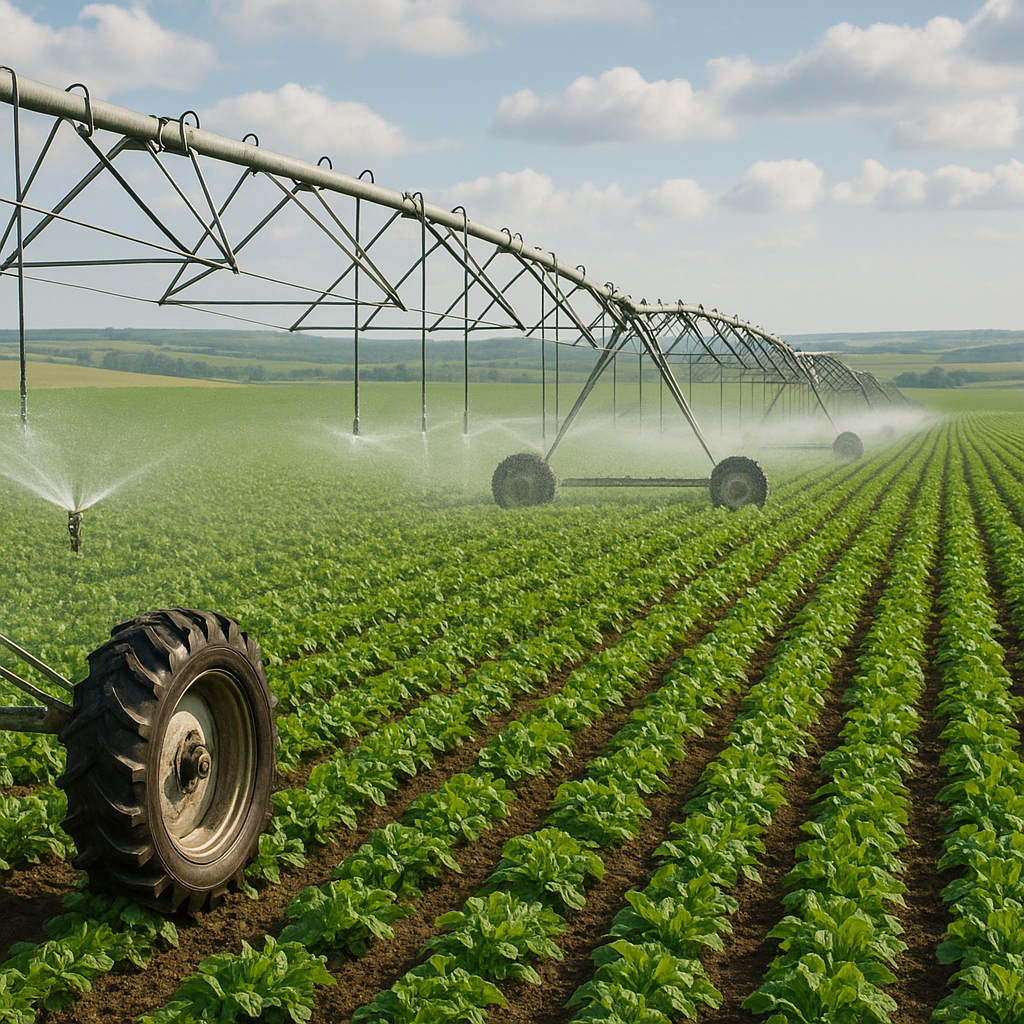
With this information, farmers customize nutrient mixes and irrigation rates, preventing overuse of water and agrochemicals while maximizing plant growth.
Crop Health and Disease Detection
Early detection of pests and diseases can save entire harvests. Smart sensors mounted on drones or fixed stations can:
- Capture multispectral and thermal images for stress analysis
- Detect anomalous leaf patterns indicating potential infections
- Trigger alerts that initiate targeted treatments
These systems reduce reliance on broad-spectrum pesticides, lowering input costs and environmental impact.
Climate and Weather Monitoring
Real-time environmental data improves risk management. Sensors track:
- Humidity and rainfall to predict fungal outbreaks
- Wind speed to plan aerial applications
- Solar radiation for optimizing greenhouse lighting
By integrating weather stations with on-farm sensors, producers develop predictive models that sharpen planting and harvesting windows.
Influence on the Global Agriculture Market
As agriculture embraces Industry 4.0, smart sensors have catalyzed significant shifts in the global market. Their adoption enhances efficiency and transparency throughout the supply chain, from field to fork.
Market Growth and Investment
Demand for precision agriculture solutions is rising rapidly. Key factors include:
- Governments offering subsidies to support technological adoption
- Private investors funding agri-tech startups
- Large agribusinesses integrating sensor-based platforms
Market research forecasts a compound annual growth rate (CAGR) exceeding 12% over the next decade as sensors become more affordable and user-friendly.
Supply Chain Optimization
Smart sensors enable real-time traceability of produce. Critical benefits involve:
- Reducing post-harvest losses through precise temperature and humidity control in storage
- Enhancing logistic planning with location tracking
- Meeting consumer demand for transparency and food safety
Blockchain integration with sensor feeds guarantees immutable records, building trust between producers, distributors, and retailers.
Sustainability and Social Impact
By optimizing input usage, smart sensors contribute to environmental stewardship. Key outcomes:
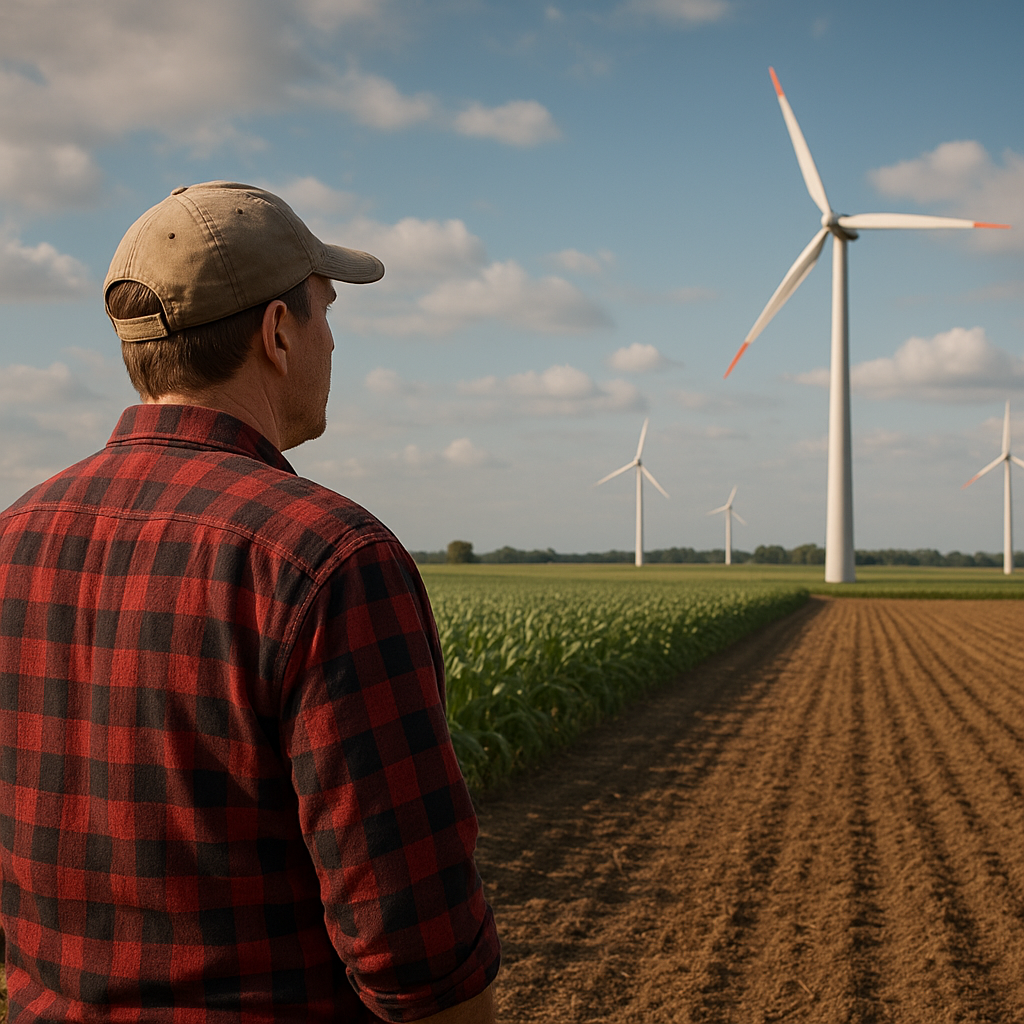
- Lower greenhouse gas emissions due to reduced fuel and fertilizer use
- Improved water conservation in drought-prone regions
- Empowerment of smallholders via accessible sensor kits and mobile apps
This transformation fosters rural development, elevates yields for subsistence farmers, and helps address global food security challenges.
Challenges and Future Trends
Despite their promise, smart sensors face hurdles that must be addressed to unlock their full potential in modern farming.
Technical and Infrastructure Barriers
Key obstacles include:
- Connectivity gaps in remote areas lacking reliable IoT networks
- Power constraints for off-grid sensor nodes
- Interoperability issues among devices from different manufacturers
Developing low-power wide-area networks (LPWANs) and universal communication standards will be essential for seamless integration.
Data Management and Analytics
Harvesting data is only useful if it translates into actionable insights. Farmers must navigate:
- Data overload requiring advanced analytics and machine learning tools
- Cybersecurity risks threatening farm operations
- Privacy concerns around proprietary yield and soil data
Cloud-based platforms with intuitive dashboards are emerging to simplify data interpretation and decision-making for end users.
Emerging Innovations
Cutting-edge developments promise to further enhance sensor capabilities:
- Biodegradable sensors that decompose after serving their purpose
- Edge computing modules offering real-time processing on-site
- Integration with autonomous vehicles for automated sampling and intervention
These innovations will drive down costs, improve scalability, and expand applications across diverse cropping systems.
Policy and Education
Maximizing the impact of smart sensors requires supportive policies and capacity building:
- Training programs to upskill farmers and extension agents
- Regulatory frameworks ensuring equitable access to technology
- Public–private partnerships to finance research and deployment in underserved regions
By fostering collaboration among stakeholders, the agricultural sector can harness innovation to sustainably feed a growing global population.