The rapid evolution of biotechnology is redefining the future of crop production, offering innovative solutions to meet rising global food demands. As the agriculture sector grapples with challenges like dwindling arable land, changing weather patterns, and a growing population, advanced scientific methods are delivering unprecedented gains in productivity, sustainability, and resilience. This article explores the pivotal breakthroughs, examines the integration of digital tools, and reviews the policy frameworks shaping the global agricultural landscape.
Advancements in Genetic Engineering
Since the advent of recombinant DNA technology in the 1970s, genetic modification has become a cornerstone of modern crop breeding. Today’s innovations push beyond traditional transgenic methods, leveraging CRISPR-based genome editing and marker-assisted selection to achieve precise trait improvements.
CRISPR and Precision Trait Editing
CRISPR (Clustered Regularly Interspaced Short Palindromic Repeats) allows scientists to induce targeted mutations, insert genes, or regulate gene expression with remarkable accuracy. Unlike conventional GM approaches that often introduce foreign DNA, CRISPR enables subtle edits to a plant’s existing genome:
- Enhanced yield potential by optimizing photosynthetic pathways
- Improved nutritional profiles, such as higher vitamin or protein content
- Rapid development of pest-resistant varieties without chemical inputs
These developments reduce time-to-market for new varieties and support more sustainable farming systems.
Marker-Assisted Selection and Speed Breeding
Combining molecular markers with controlled environment growth chambers, speed breeding accelerates the traditional breeding cycle. By constantly monitoring genetic markers linked to desirable traits, breeders can rapidly identify elite lines and advance them through multiple generations each year. This approach is especially valuable for underutilized crops in developing regions, boosting food security and local economies.
Precision Agriculture and Data Integration
Beyond genetic improvements, the synergy between biotechnology and digital farming tools is ushering in an era of precision agriculture. Real-time data collection and analysis enable farmers to optimize inputs and maximize returns while minimizing environmental footprints.
Sensor Networks and IoT
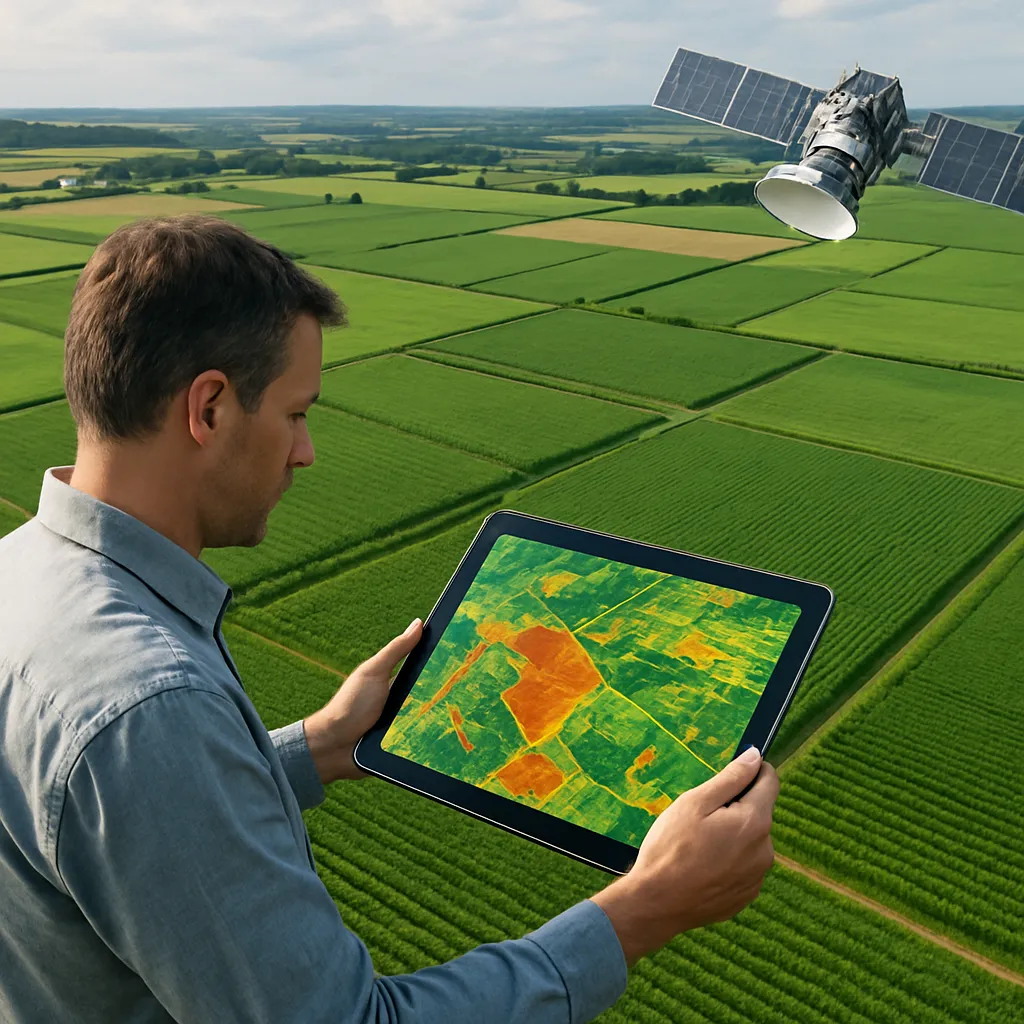
Networked soil moisture sensors, weather stations, and drone-based imaging systems capture high-resolution data across vast fields. Machine learning algorithms interpret this information to deliver actionable insights:
- Variable rate application of fertilizers and agrochemicals
- Early detection of disease outbreaks via spectral imaging
- Automated irrigation scheduling aligned with plant water needs
These strategies enhance resource-use efficiency and cut down wasted inputs.
Big Data Analytics and AI
Advanced analytics platforms aggregate historical and real-time farm data alongside market trends, enabling predictive modeling of yields, pest pressures, and commodity prices. By harnessing artificial intelligence, stakeholders—from individual growers to global agribusinesses—can make informed decisions on crop selection, planting schedules, and supply chain logistics.
Addressing Climate Change and Sustainability
As climate extremes intensify, resilience and sustainability become critical metrics for crop success. Biotechnology is instrumental in developing varieties that thrive under adverse conditions.
Heat, Drought, and Flood Tolerance
Researchers are identifying genes responsible for stress tolerance and incorporating them into major staples like wheat, maize, and rice. Traits such as deeper root systems and osmoprotectant production are being enhanced to ensure stable yields even under prolonged drought or unseasonal flooding.
Reducing Environmental Footprint
By enabling plants to fix nitrogen more efficiently or resist pests natively, biotech crops can significantly cut fertilizer and pesticide use. Key outcomes include:
- Lower greenhouse gas emissions from agricultural inputs
- Improved soil health through reduced chemical runoff
- Support for biodiversity by decreasing collateral damage to non-target species
Regulatory Landscape and Global Adoption
The pace of biotech adoption varies widely across regions, driven largely by differing regulatory frameworks and market acceptance. While some countries embrace genome-edited crops with streamlined approval processes, others maintain stringent rules akin to traditional GMOs.
North America and South America
In the United States, the USDA and FDA have clarified regulatory pathways for genome editing when no foreign DNA is present, expediting product releases. Brazil and Argentina have followed suit, positioning themselves as leaders in biotech crop acreage.
European Union and Asia-Pacific
The European Union continues to debate its stance, often imposing lengthy evaluations that slow commercialization. However, emerging policies in countries like Japan, India, and China are becoming more permissive, recognizing the potential of biotech to bolster global food security.
Future Perspectives and Market Dynamics
Investments in agricultural biotechnology are projected to grow substantially in the coming decade. Key drivers include:
- Rising investor interest in agri-tech solutions
- Private-public partnerships accelerating field trials
- Consumer demand for sustainably produced foods
Companies are exploring novel platforms such as microbiome engineering—modifying soil and plant-associated microbial communities to enhance nutrient uptake—and synthetic biology to generate entirely new biosynthetic pathways for desirable traits.
Conclusion
The convergence of genetic engineering, precision tools, and evolving policies is setting the stage for a transformative era in crop production. Embracing these innovations responsibly can unlock robust yields, fortify climate resilience, and ensure that farming systems worldwide remain both profitable and sustainable.