Increasing weather extremes pose a major challenge to farmers worldwide. Recent improvements in weather prediction models and data processing tools are transforming how agricultural stakeholders anticipate and manage climate-related risks. By integrating advanced observational networks and analytic platforms, the sector is shifting toward more resilient production systems and stable global supply chains.
Understanding Global Agricultural Risks from Weather Fluctuations
Weather Variability and Crop Vulnerability
Climate patterns have become increasingly unpredictable, ranging from prolonged droughts to sudden floods. These shifts can devastate sensitive crops during crucial growth stages. Farmers traditionally relied on historical weather records and seasonal calendars, but such methods lack the precision to guard against unprecedented anomalies. Modern growers now demand high-resolution forecasts to protect yields and optimize planting schedules.
Economic Impact on Farmers and Markets
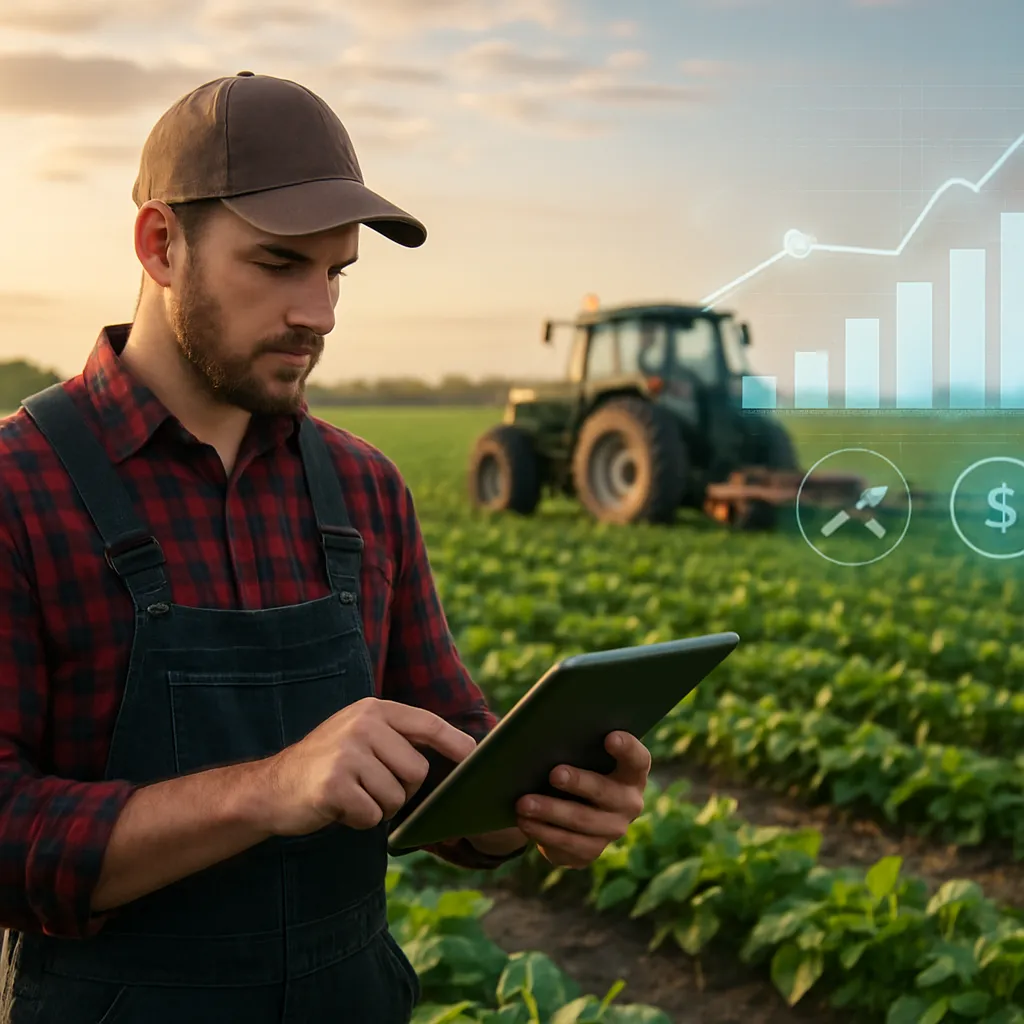
Erratic weather events translate directly into financial losses. Reduced harvest volumes force producers to sell at lower prices, while supply shortages drive up consumer costs. Commodity traders and food processors face challenges in stabilizing prices when production outlooks shift at short notice. Consequently, investors and lending institutions are keen to fund solutions that minimize exposure to weather-driven disruptions.
Advancements in Weather Forecasting Technologies
Satellite and Remote Sensing Innovations
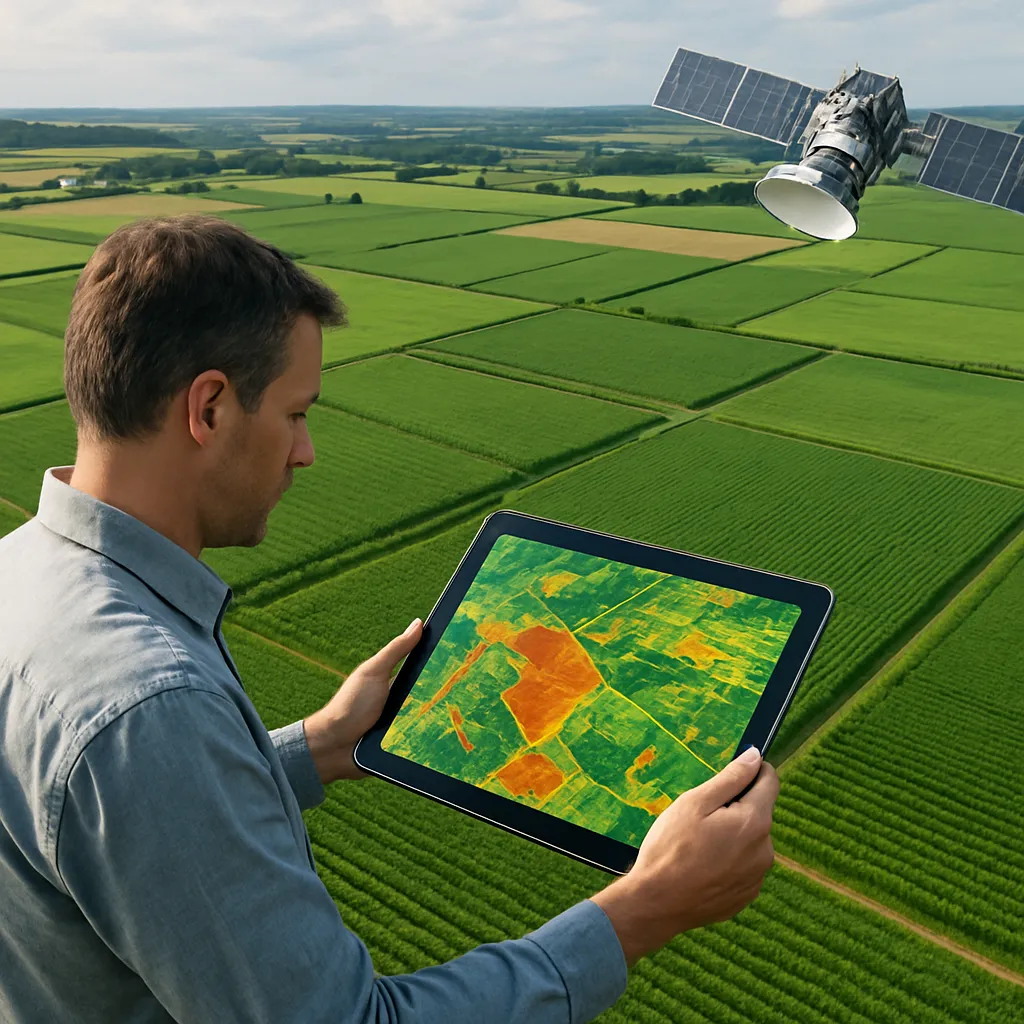
Recent generations of orbiting sensors deliver near-real-time imagery with unprecedented clarity. Satellite imagery now tracks soil moisture, vegetation health, and storm developments across vast expanses. These tools feed into predictive models, allowing agronomists to issue early warnings when drought stress or pest outbreaks become likely. Enhanced data granularity ensures that smallholder farms, as well as large commercial operations, can access tailored guidance.
Machine Learning and Big Data Analytics
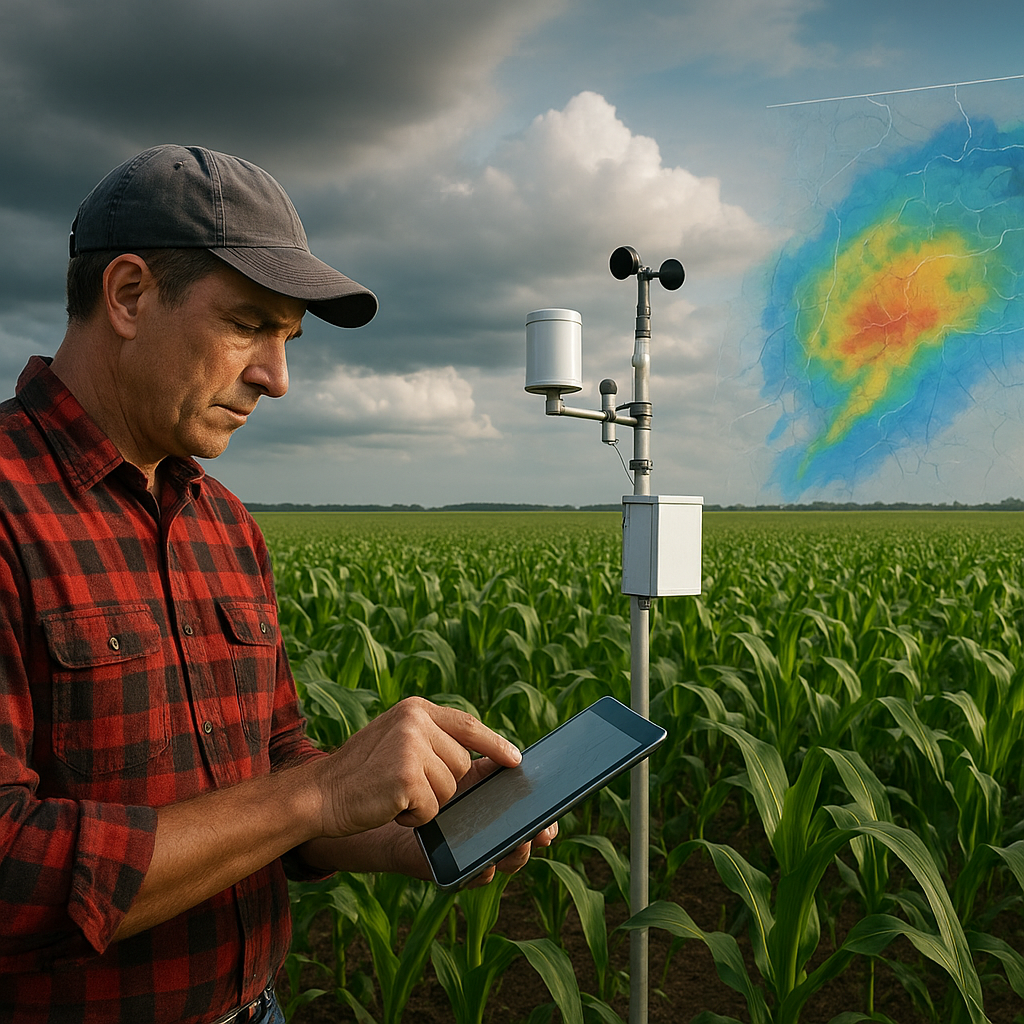
Artificial intelligence has revolutionized how forecast data is interpreted. By applying machine learning algorithms to petabytes of climatological records, researchers refine weather projections at hyperlocal scales. Data pools sourced from IoT sensors, drones, and ground stations merge to form a comprehensive view of field conditions. This integration of big data sources sharpens the accuracy of yield prediction models and informs real-time decision making.
Applications in Precision Agriculture
- Variable-rate irrigation guided by short-term rainfall forecasts helps conserve water.
- Pest control schedules align with humidity and temperature trends to maximize effectiveness.
- Fertilizer applications are timed according to predicted nutrient leaching risks, enhancing soil health.
- Harvest operations are coordinated to avoid crop spoilage under impending high-humidity events.
Farmers can leverage weather-driven advisories to implement precision agriculture techniques, reducing input waste while boosting productivity. When combined with automated machinery and sensor networks, these methods create self-adjusting systems that respond dynamically to changing atmospheric conditions.
Shaping the Global Market and Supply Chains
Reducing Price Volatility
Access to reliable forecasts allows stakeholders to hedge more effectively in commodity markets. Grain exporters adjust shipment schedules based on predicted port congestion caused by storms, limiting extra storage costs. Retailers can secure stable procurement contracts, shielding end consumers from runaway food prices. This collective risk mitigation enhances overall market stability.
Enhancing adaptation and Decision Support
Weather-informed platforms provide scenario analyses, helping policymakers craft region-specific strategies. Governments may allocate subsidies or insurance premiums according to localized risk profiles, promoting equitable resource distribution. Agricultural extension services deploy mobile apps that deliver hyperlocal alerts, enabling small-scale producers to adopt best practices before extreme events strike.
Emerging Trends and Challenges
Integration with IoT and Drone Networks
Drones equipped with multispectral cameras survey fields for microclimate variations, identifying heat stress or waterlogging zones. Coupled with ground-based Internet of Things devices measuring soil temperature and moisture, these networks feed continuous updates into weather forecast systems. The result is a feedback loop where observational data refine predictions, which then inform on-farm automation.
Regulatory and Data Privacy Concerns
While open-data policies accelerate innovation, they also raise questions about data ownership and confidentiality. Agricultural enterprises worry that proprietary information on field performance may be exposed or monetized without consent. Striking a balance between public good and commercial interests is essential to maintain trust and ensure broad adoption of cutting-edge forecasting solutions.
Future Directions in Crop Risk Management
As climate change intensifies, the agricultural sector’s reliance on sophisticated meteorological insights will continue to grow. Collaborative efforts between technology providers, research institutions, and farming communities are driving the next wave of innovations. Enhanced computing power will enable ensemble models that simulate multiple climate scenarios, offering robust risk assessments. Ultimately, the fusion of predictive meteorology with on-farm automation promises to secure food supplies, bolster farmer incomes, and sustain the global agriculture market in the face of mounting environmental pressures.