Land degradation poses a serious challenge to global agriculture and has far-reaching effects on food production, market stability, and environmental health. As soil quality deteriorates, farmers struggle to maintain crop yields, while consumers face unpredictable prices and supply shortages. Addressing these issues requires collaborative efforts across policy, science, and farming communities to implement sustainable solutions.
Impact on Soil Fertility and Crop Yields
Soil Structure Degradation
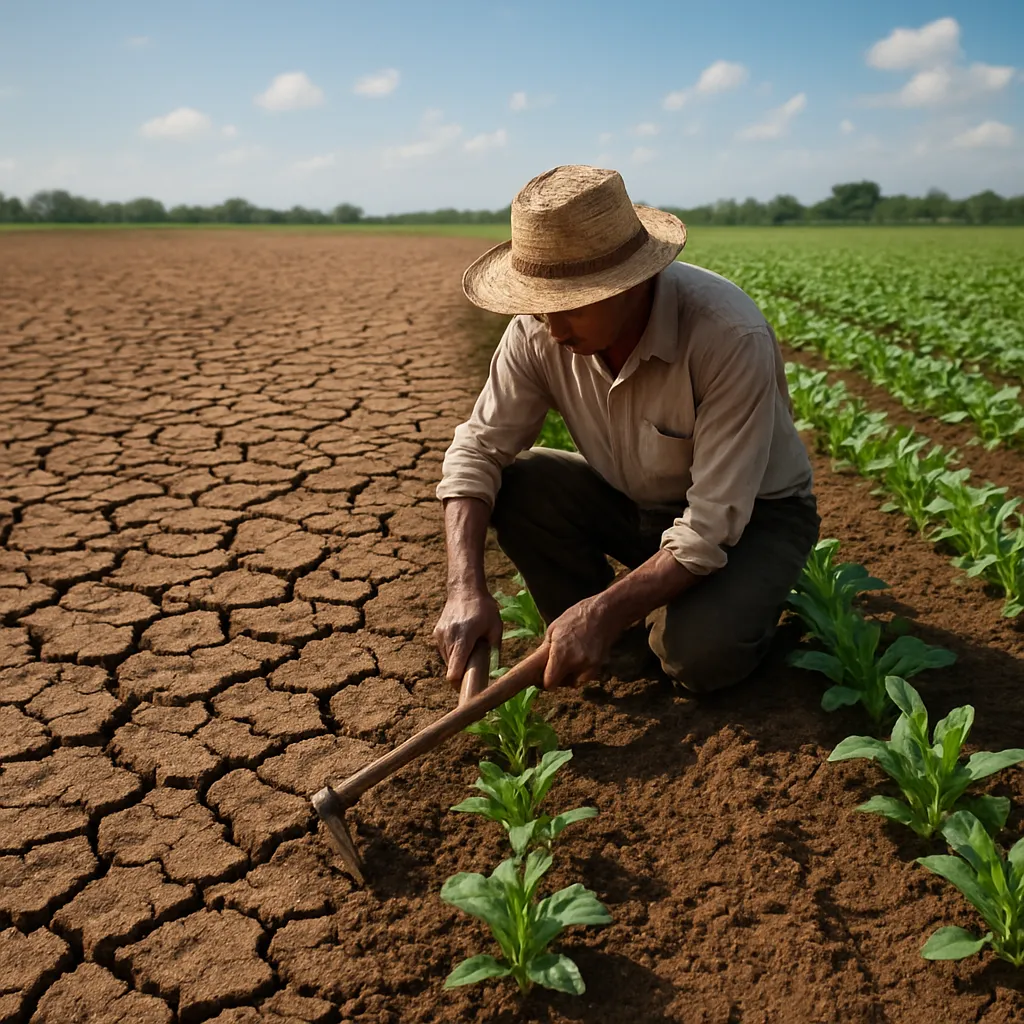
The physical breakdown of topsoil through erosion and compaction significantly reduces water infiltration and root penetration. As soils lose their porosity, plants experience stunted growth, leading to lower overall productivity. Erosion driven by wind or water carries away the most nutrient-rich layers, leaving behind subsoil with limited capacity to support healthy crops.
Nutrient Loss and Its Consequences
Continuous cultivation without adequate replenishment of essential nutrients results in the depletion of nitrogen, phosphorus, and potassium. This nutrient mining forces farmers to increase fertilizer inputs to sustain yields. Over time, reliance on chemical amendments can exacerbate soil acidification and disrupt the natural nutrient cycling processes provided by soil microorganisms.
Economic Implications for the Global Market
Input Costs and Profit Margins
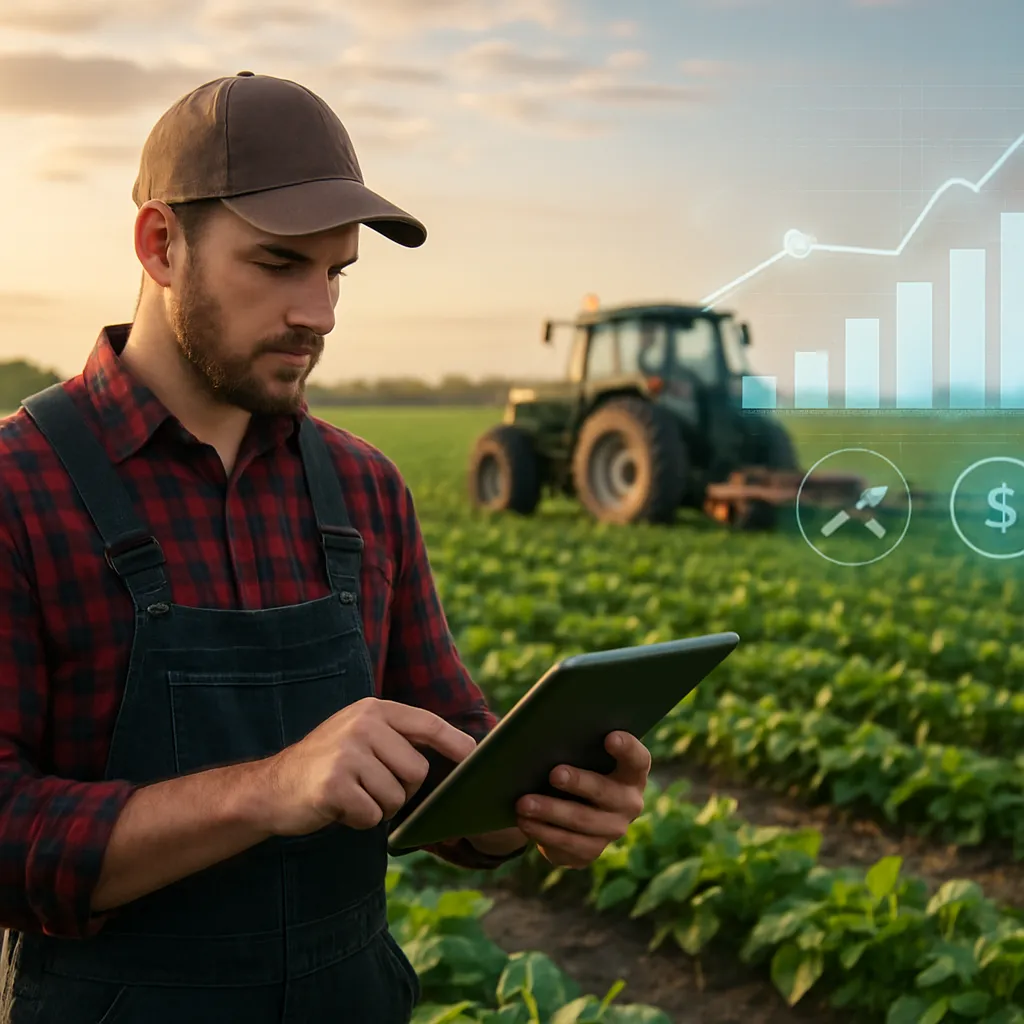
Declining land quality drives up the cost of production as farmers invest in higher volumes of fertilizers, pesticides, and irrigation. Small profit margins become narrower, especially for resource-poor producers in developing regions. This pressure often leads to unsustainable practices like over-tilling, further accelerating land degradation.
Market Volatility and Trade Dynamics
- Fluctuating yields contribute to price volatility in commodity markets, affecting both local and international supply chains.
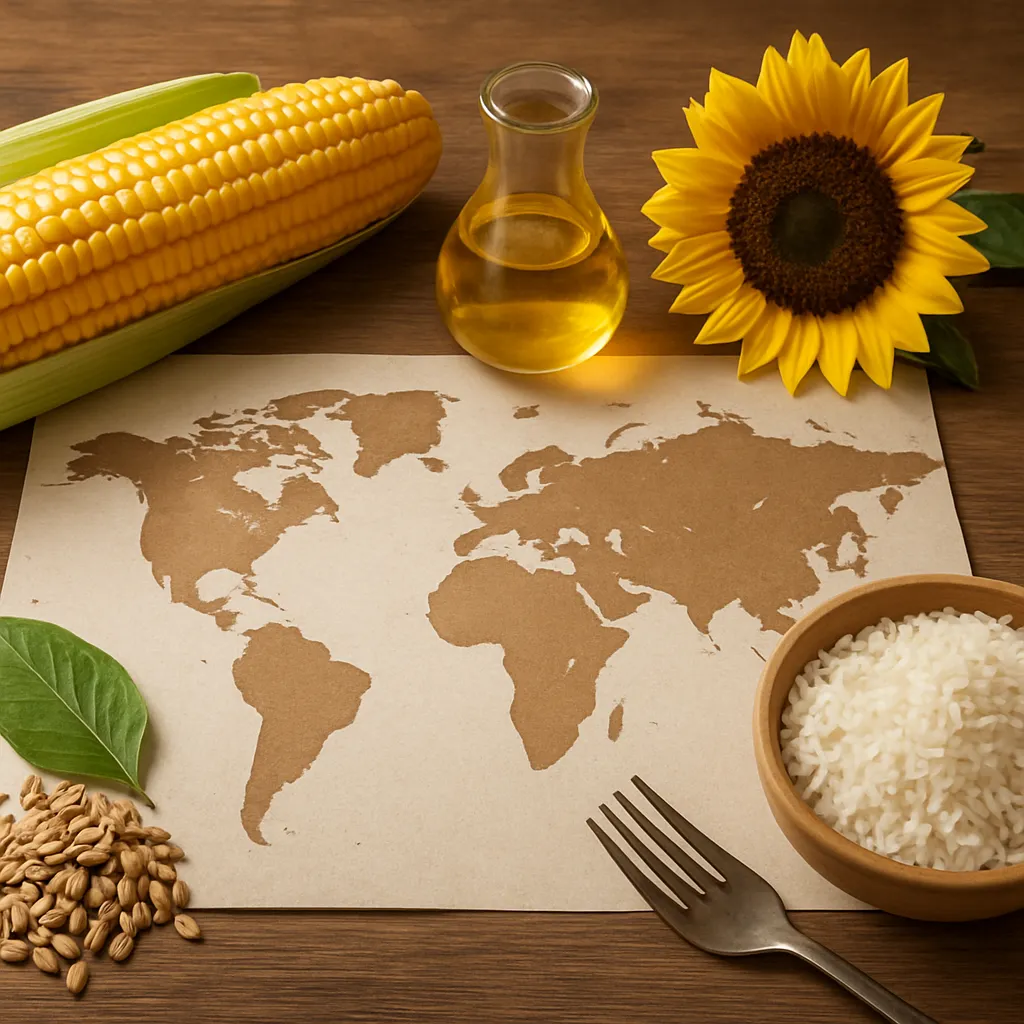
- Export-dependent economies may face severe revenue losses when key agricultural regions experience soil decline.
- Trade policies and tariffs can intensify the impact of poor harvests, as countries scramble to secure food imports.
Environmental and Social Ramifications
Biodiversity and Ecosystem Services
Healthy soils support a vast array of organisms, from earthworms to mycorrhizal fungi, which contribute to biodiversity and resilience. Land degradation diminishes these life forms, reducing natural pest control and soil structure maintenance. The loss of ecosystem services places greater burden on artificial inputs, destabilizing local agroecosystems.
Climate Resilience and Adaptation
Degraded lands store less carbon, undermining efforts to mitigate greenhouse gas emissions. Reduced vegetation cover increases surface temperatures, altering local microclimates. In this context, farmers face heightened risks from droughts, floods, and extreme weather events. Building climate resilience demands investment in land restoration and adoption of conservation agriculture.
Strategies for Mitigation and Sustainable Development
Adoption of Regenerative Practices
Practices like crop rotation, cover cropping, and reduced tillage help rebuild soil organic matter and improve water retention. Integrating agroforestry systems can diversify income streams while enhancing nutrient cycling and carbon sequestration. These regenerative methods strengthen the natural capital that underpins long-term productivity.
Policy Interventions and Incentive Structures
Governments and international bodies can encourage sustainable land management through subsidies for soil health programs and penalties for excessive chemical use. Payment for ecosystem services schemes rewards farmers who conserve or restore degraded lands. Linking these incentives to measurable outcomes, such as increased water-use efficiency or enhanced soil carbon stocks, drives accountability and progress.
Technological Innovations
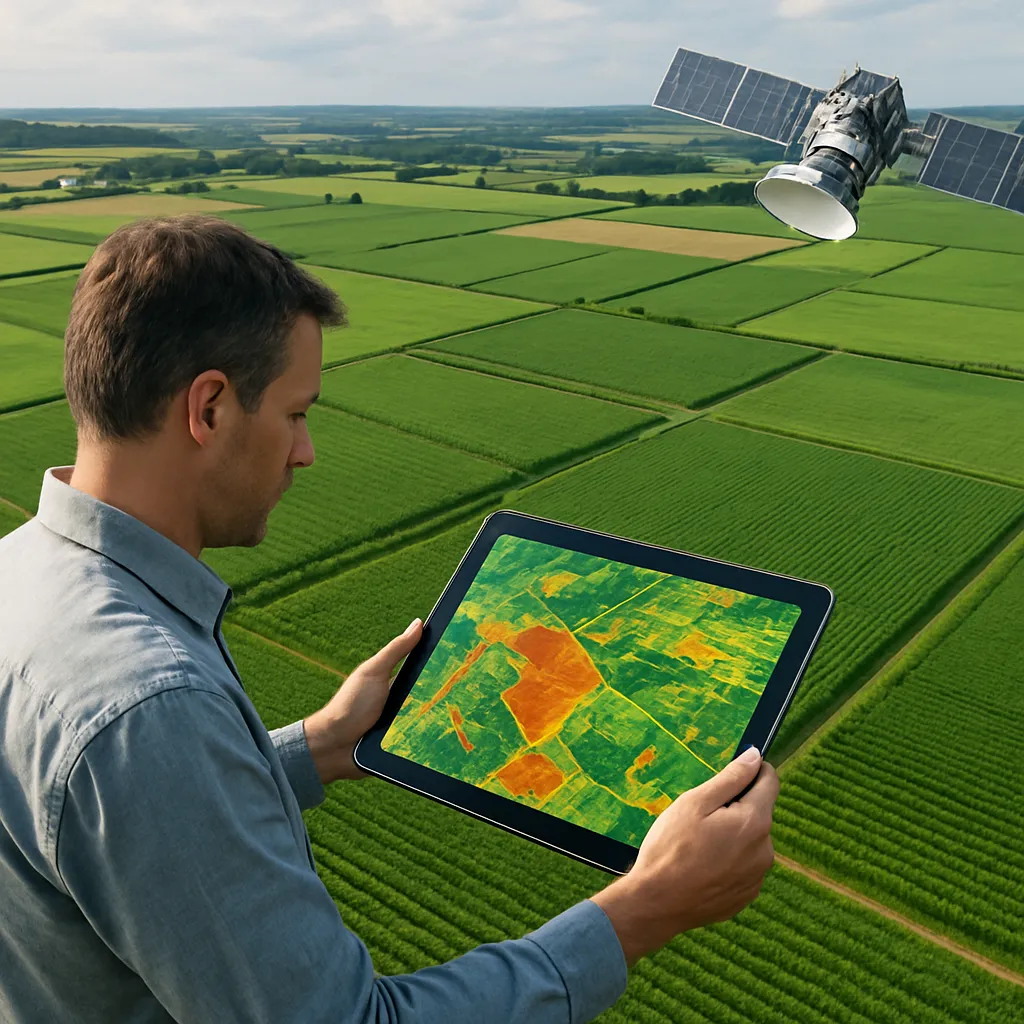
- Precision agriculture tools enable targeted applications of inputs, minimizing waste and environmental impact.
- Remote sensing and GIS mapping track land condition over time, guiding timely interventions.
- Bio-based fertilizers and soil amendments offer renewable alternatives to synthetic chemicals, promoting microbial activity.
By combining scientific advances with traditional knowledge and robust policy frameworks, the global community can confront the challenges of land degradation. Ensuring sustainable food production and market stability depends on our collective commitment to restoring soil health and protecting the foundations of agriculture.