The Future of Smart Irrigation Systems is intertwined with rapid technological innovation and evolving market demands. By integrating cutting-edge tools and data analytics, farmers and agribusinesses can optimize water management, boost crop health, and meet global food security goals. This article explores key trends, market forces, environmental benefits, and emerging challenges that will define the trajectory of smart irrigation on the global stage.
Technological Advancements Shaping Smart Irrigation
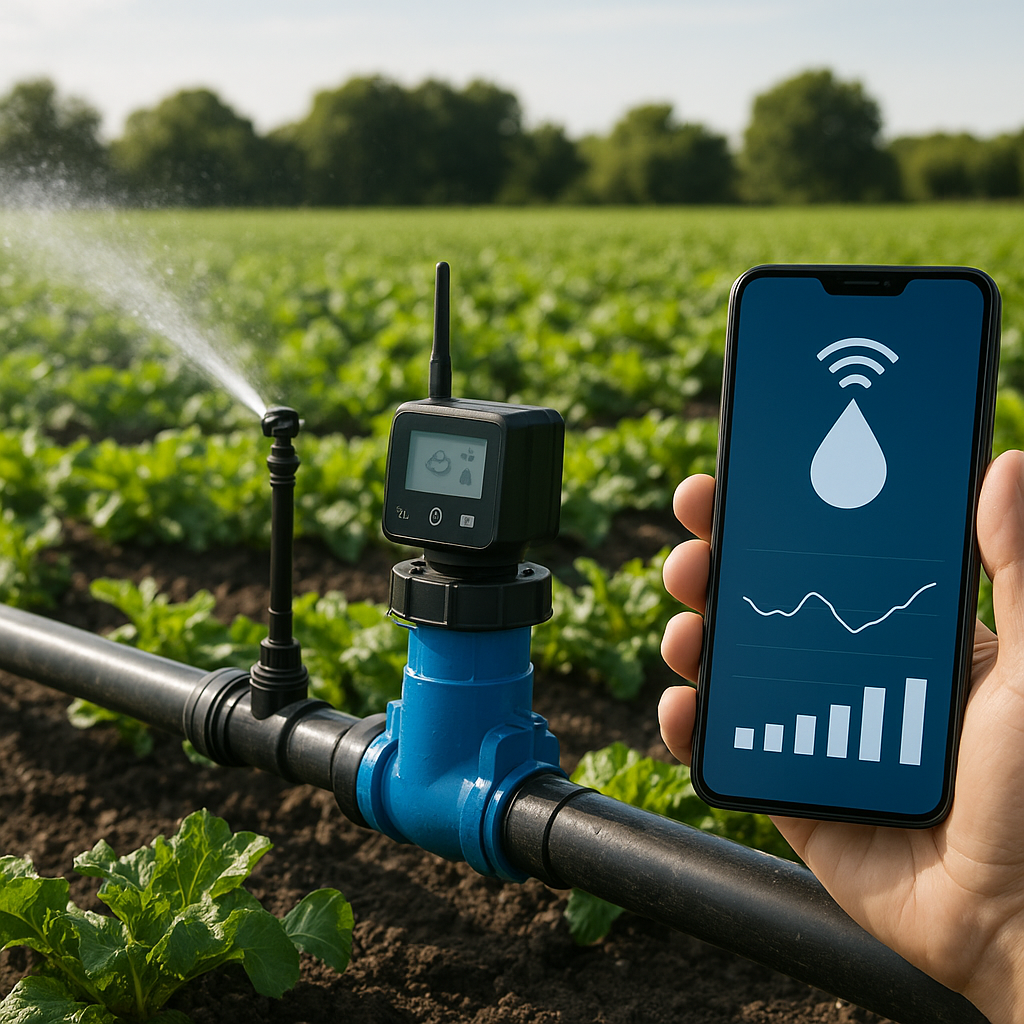
Smart irrigation has transformed from basic timer-based controllers into complex, interconnected ecosystems. At its core lies the integration of sensor networks that monitor soil moisture, nutrient levels, and microclimatic conditions in real time. These sensors feed information to IoT platforms, enabling data-driven decision-making and adaptive water delivery.
Precision Delivery and Automation
Precision irrigation harnesses variable-rate technology to apply water exactly where it is needed. Through machine learning algorithms, systems predict crop water needs based on growth stage, weather forecasts, and historical data. Automation ensures that pumps and valves respond instantly to changing conditions, maximizing efficiency and minimizing waste.
Connectivity and Remote Management
Advances in wireless communications—ranging from LPWAN to 5G—enable stakeholders to monitor fields remotely via mobile apps and cloud dashboards. Real-time alerts notify managers of leaks, pressure drops, or power failures. This seamless connectivity empowers agronomists to intervene swiftly, reducing downtime and safeguarding crop health.
Market Dynamics in the Global Agriculture Sector
As water scarcity and climate variability challenge traditional farming, the demand for smart irrigation solutions has surged. The global market is driven by several factors:
- Sustainability: Governments and consumers demand eco-friendly practices, pushing farmers to adopt water-saving technologies.
- Investment and Financing: Public–private partnerships, international grants, and green bonds fund large-scale deployment in emerging economies.
- Technological Partnerships: Collaboration between agri-tech startups, research institutions, and equipment manufacturers accelerates product innovation and market penetration.
- Regulatory Incentives: Subsidies and water tariff adjustments encourage the shift from flood irrigation to precision drip and sprinkler systems.
Emerging economies in Asia-Pacific, Latin America, and Africa represent high-growth markets due to vast arable lands and pressing water challenges. Meanwhile, developed regions emphasize retrofitting and digital upgrades for legacy irrigation infrastructure.
Environmental and Economic Impacts
Smart irrigation offers tangible benefits for both ecosystems and farm profitability.
Water Conservation and Resource Management
By applying water based on real-time needs, farmers can reduce consumption by up to 50%. This conservation is critical in arid regions, where over-extraction of groundwater has led to aquifer depletion and soil salinization. Through resilience-building water strategies, communities can better withstand drought cycles and reduce conflict over scarce resources.
Yield Optimization and Cost Savings
Efficient water application promotes uniform crop growth and reduces disease pressure caused by overwatering. Farmers often see a 10–30% increase in yield, while lowering energy and labor expenses. Automated systems cut back on manual irrigation checks, freeing labor for other tasks and reducing operational overhead.
Carbon Footprint Reduction
Lowering water usage also translates into less energy consumed by pumps and distribution networks. Additionally, improved soil health through balanced moisture levels can enhance carbon sequestration in agricultural soils, supporting broader climate mitigation goals.
Challenges and Future Outlook
Despite the promise of smart irrigation, several hurdles must be addressed to unlock full potential.
Data Integration and Interoperability
Fragmented solutions and proprietary protocols can hinder seamless data exchange between devices and platforms. Standardized communication frameworks are essential so that sensors, controllers, and analytics tools work in concert, enabling truly automation-driven irrigation management.
Infrastructure and Maintenance
Deploying advanced irrigation networks requires stable power, reliable internet access, and trained personnel for installation and upkeep. Remote or resource-limited regions may struggle to maintain complex equipment, leading to underutilized systems.
Affordability and Scalability
High upfront costs can deter smallholder farmers, even when long-term returns are attractive. Innovative financing models, such as pay-as-you-go subscriptions and microloans, can lower barriers to adoption. Collaboration with cooperatives and NGOs can also facilitate large-scale rollouts.
Future Innovations on the Horizon
- Advanced AI models that predict water needs months in advance based on climate patterns.
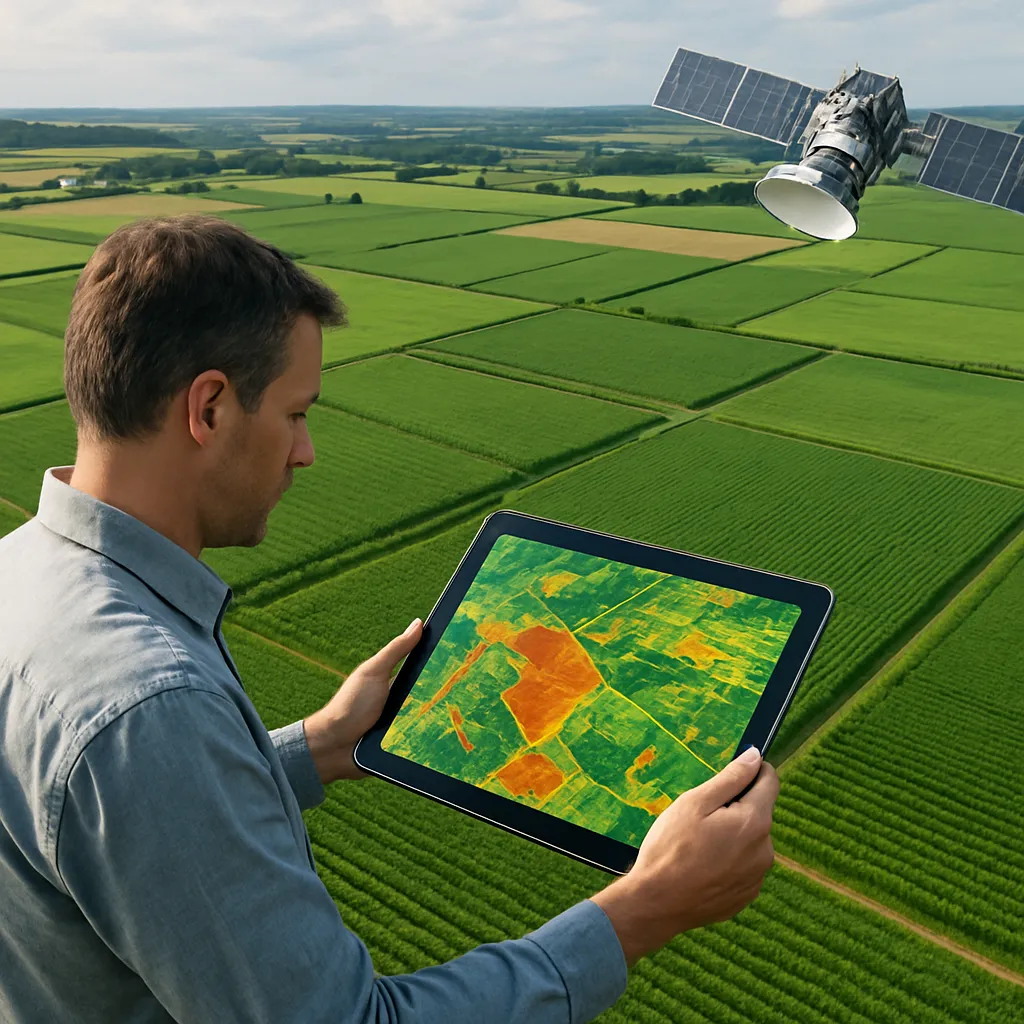
- Integration of remote sensing via drones and satellites to map field variability at scale.
- Development of biodegradable sensor networks to minimize environmental impact.
- Blockchain-based water credit systems that incentivize sustainable usage.
The convergence of these technologies promises to usher in a new era where irrigation is not only innovation-driven but also aligns with global goals of food security and environmental stewardship. Stakeholders across agriculture, technology, finance, and policy will play pivotal roles in realizing the vision of truly smart, scalable, and sustainable irrigation systems.