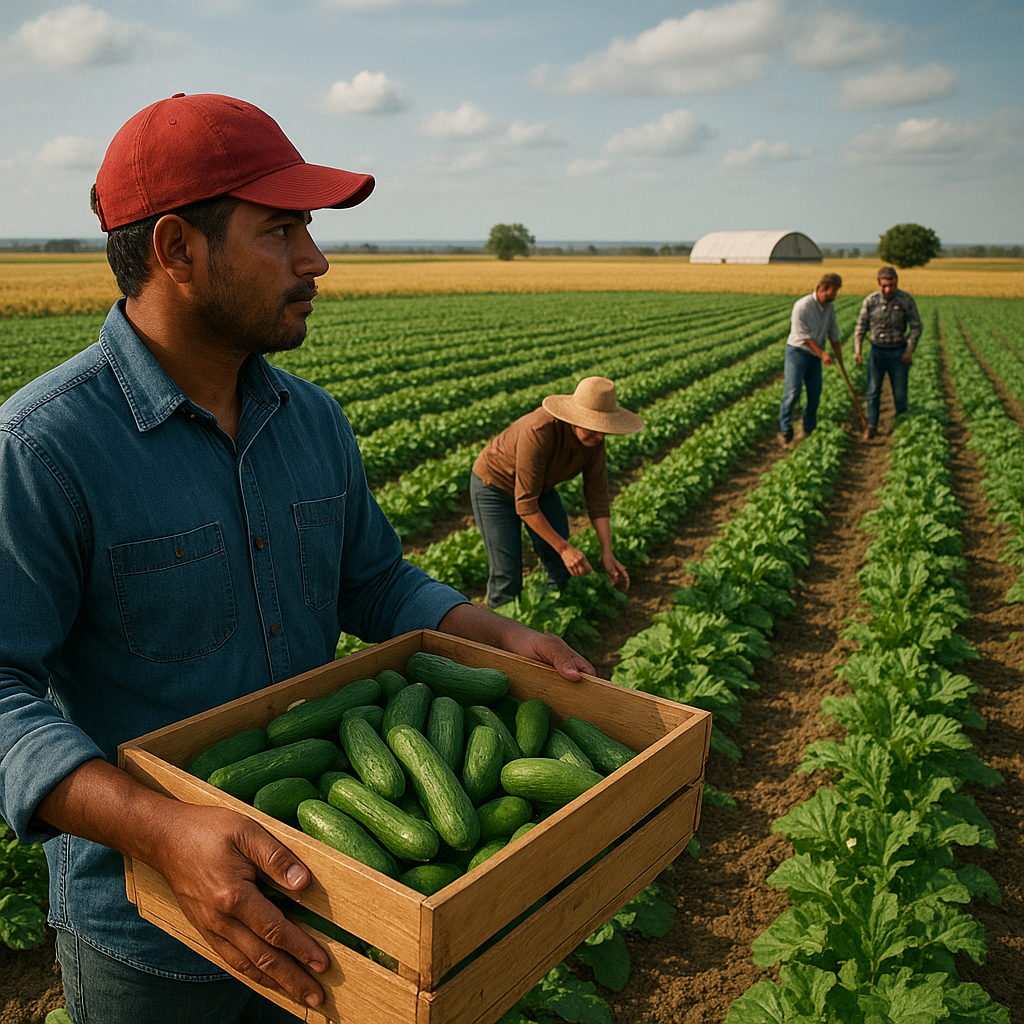
Agriculture in the global marketplace has evolved into a complex web of interactions where smallholder farmers and large agribusinesses vie for market share, access to technology, and sustainable resources. At the heart of this transformation lie cooperatives, organizations built on principles of collaboration and mutual support. By pooling resources, sharing knowledge, and advocating collectively, cooperatives strengthen farmers’ position in supply chains, enhance rural development, and foster greater equity in international trade. This article explores the multifaceted contributions of cooperatives to global agriculture, examines innovative models that drive growth, and highlights strategic opportunities for the future.
Cooperatives as Engines of Economic Empowerment
Far beyond mere business entities, agricultural cooperatives serve as platforms for empowerment and social cohesion. Farmers who join cooperatives gain enhanced access to essential inputs—such as quality seeds, fertilizers, and machinery—often unavailable or unaffordable individually. By negotiating bulk purchases, members reduce production costs and improve profit margins.
Pooling Resources for Enhanced Negotiation
- Collective purchasing agreements lower input prices.
- Shared storage facilities minimize post-harvest losses.
- Joint marketing strategies secure better prices on the market.
In Central America, coffee cooperatives have transformed small-scale growers into major exporters. These organizations invest in local infrastructure, from washing stations to transport networks, ensuring beans meet stringent global quality standards. The result is not only higher incomes for members but also increased community resilience.
Financial Inclusion and Community Development
Access to credit remains a stumbling block for many rural producers. Cooperatives often establish internal finance schemes or partner with microfinance institutions to provide low-interest loans. This fosters resilience against weather shocks and market volatility. Moreover, profits are reinvested in social services—schools, clinics, and water systems—elevating the overall well-being of cooperative members and their families.
Collaborative Models and Innovation in Agriculture
Innovation in agricultural cooperatives extends beyond traditional groupings of farmers. Digital platforms, agritech partnerships, and multi-stakeholder alliances are redefining how cooperatives operate in a sustainability-focused era. By integrating data-driven decision-making and environmentally friendly practices, cooperatives can meet global demand while preserving natural resources.
Digital Transformation and Data Sharing
- Mobile apps facilitate real-time weather alerts and planting schedules.
- Blockchain solutions ensure traceability and boost consumer trust.
- Remote sensors optimize irrigation, reducing water usage by up to 40%.
In East Africa, dairy cooperatives use smartphone-based record keeping to track milk quality and volumes. This ensures farmers are paid fairly, and it enables international buyers to verify product origin and ethical production methods. Such transparency attracts conscious consumers and premium prices.
Agroecological Practices and Climate Action
Cooperatives are uniquely positioned to implement large-scale innovation in agroforestry, organic farming, and integrated pest management. By sharing training programs and demonstration plots, members adopt practices that enhance soil health, sequester carbon, and protect biodiversity. These efforts support global climate targets and open up new markets for carbon credits and eco-certified produce.
Challenges and Strategic Opportunities
While cooperatives offer immense benefits, they face a range of challenges—governance issues, limited managerial expertise, and insufficient market integration. Addressing these gaps requires targeted interventions, capacity-building initiatives, and supportive policy frameworks.
Strengthening Governance and Leadership
- Leadership training programs bolster transparent decision-making.
- Regular audits and member feedback mechanisms enhance accountability.
- Strategic planning workshops align cooperative goals with market trends.
Governments and NGOs can facilitate these efforts by offering technical assistance grants. When cooperatives establish sound governance structures, they become more attractive to investors and development partners, unlocking new funding streams for expansion.
Expanding Global Market Linkages
To fully leverage their collective strength, cooperatives must connect with international buyers, certification bodies, and logistics providers. Export consortia—alliances of cooperatives from multiple regions—aggregate volume to meet large orders and navigate complex trade regulations. These consortia often hire specialist staff to handle customs, quality compliance, and foreign marketing, bridging the gap between rural producers and global consumers.
Embracing Equity and Inclusivity
Ensuring that women, youth, and marginalized groups benefit equally from cooperative membership is critical. Targeted outreach, tailored training, and adaptive governance policies can dismantle barriers to participation. Inclusive cooperatives harness the full potential of rural populations, driving innovation and social cohesion.
Outlook: Scaling Cooperative Impact
Looking ahead, the cooperative model offers a robust framework for sustainable growth in global agriculture. By integrating digital tools, strengthening governance, and forging strategic partnerships, cooperatives can address pressing challenges—climate change, food security, and rural poverty. As they expand their influence in international markets, cooperatives will continue to be cornerstones of community-driven development and champions of a more equitable agricultural future.