The Rise of Regenerative Agriculture Practices explores how the global agriculture market is shifting towards methods that prioritize ecological balance, resource efficiency, and long-term viability. This article examines the underlying drivers, describes key practices, analyzes economic and environmental impacts, and outlines future prospects in a rapidly evolving sector.
Drivers of Growth in the Global Agriculture Market
The global agriculture landscape is undergoing a profound transformation fueled by consumer demand, policy incentives, and awareness of environmental limits. A growing emphasis on sustainability has prompted both private and public entities to reevaluate conventional farming methods. Major drivers include:
- Market Demand: Shoppers increasingly seek products labeled as eco-friendly or ethically produced, creating premium opportunities for farmers adopting regenerative methods.
- Policy Support: Governments worldwide are offering subsidies, tax breaks, and technical assistance to stimulate soil conservation, water efficiency, and reduced chemical usage.
- Investor Interest: Financial institutions and impact investors are funding agri-ventures that deliver both returns and measurable environmental benefits, particularly in areas of climate change mitigation.
- Scientific Research: Universities and research centers are generating data on the effectiveness of practices such as cover cropping, rotational grazing, and agroforestry in improving soil health and carbon capture.
Core Regenerative Agriculture Practices
Regenerative agriculture constitutes a suite of techniques designed to restore and enhance the natural functions of agroecosystems. These practices are not one-size-fits-all but are tailored to local conditions, crop types, and socio-economic contexts. Key methods include:
Cover Cropping and Crop Rotation
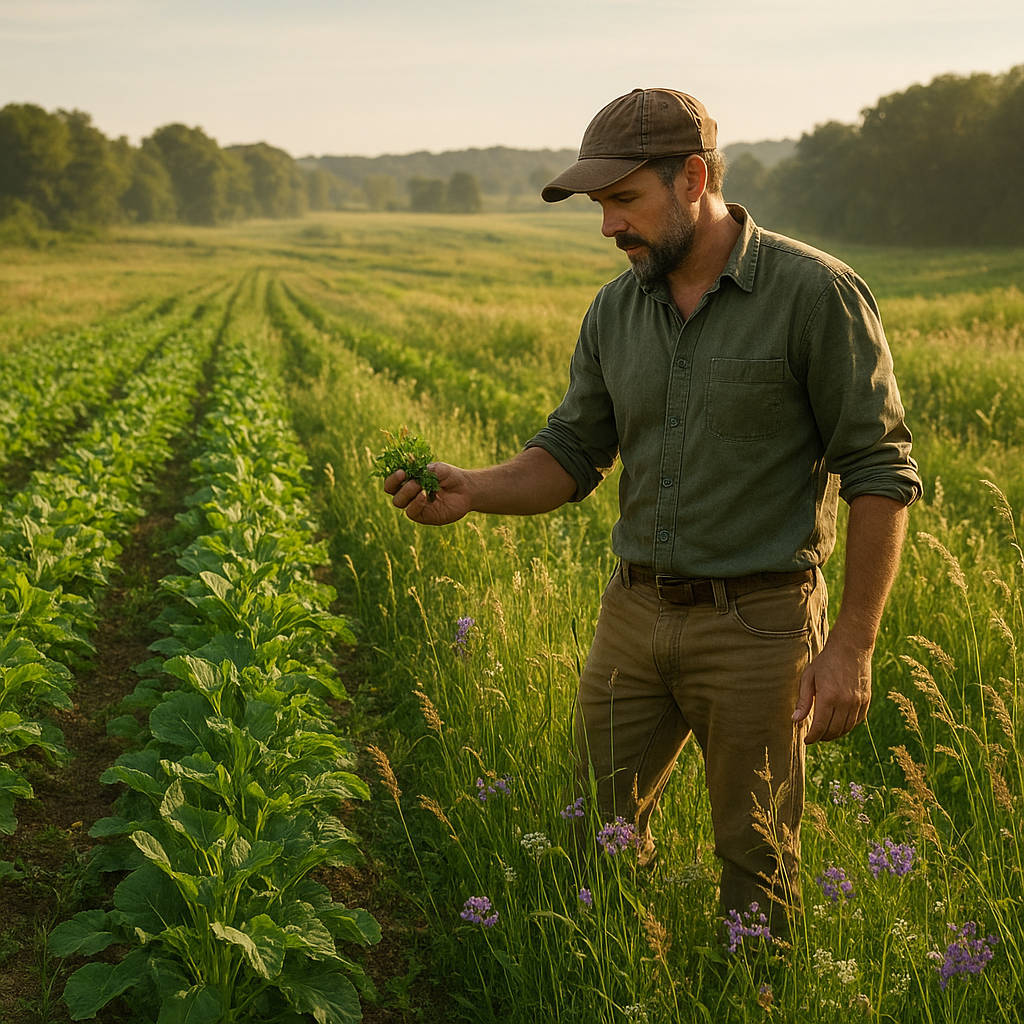
- Planting diverse species between cash crops to prevent soil erosion, suppress weeds, and boost microbial life.
- Rotating legumes, cereals, and brassicas to restore soil nutrients and interrupt pest cycles, thereby reducing reliance on synthetic fertilizers and pesticides.
Managed Grazing and Pasture Regeneration
- Implementing planned grazing intervals that mimic natural herbivore movement, allowing pastures to recover and sequester carbon more effectively.
- Integrating livestock with cropping systems to recycle animal manure as organic fertilizer and to break pest and disease cycles.
Agroforestry and Perennial Integration
- Incorporating trees, shrubs, and perennial species into cropland and pasture systems to enhance biodiversity, stabilize soil, and provide additional revenue streams (e.g., nuts, fruits, timber).
- Utilizing windbreaks and riparian buffers to reduce runoff and protect waterways.
Minimal Tillage and Soil Conservation
- Reducing or eliminating plowing to maintain soil structure, promote earthworm activity, and prevent carbon loss.
- Employing precision equipment and controlled traffic farming to limit compaction and preserve pore networks.
Economic and Environmental Impacts
Adopting regenerative practices can yield significant benefits, but outcomes vary based on local ecology, infrastructure, and market access. Key impacts include:
- Increased Profitability: Although initial investments in new equipment or training may be high, many farms report lower input costs over time and higher-value product premiums.
- Enhanced Climate Change Resilience: Healthier soils retain more moisture and support stronger root systems, enabling crops to withstand droughts and extreme weather.
- Carbon Sequestration: Improved biomass production and organic matter in soils can lock substantial amounts of carbon, contributing to national and corporate carbon-neutral goals.
- Biodiversity Gains: Diverse plant and animal communities foster natural pest control, pollination services, and ecosystem stability.
- Community Benefits: Local economies may thrive from job creation in advisory services, seed production, and value-added processing of regenerative products.
However, challenges remain. Transitional periods often see yield dips as farmers adapt to new rotations and reduced chemical inputs. Access to capital, quality seeds, and technical expertise can be unevenly distributed, particularly in developing regions. Despite these hurdles, data increasingly confirm that well-managed regenerative systems can outperform conventional counterparts over the medium to long term.
Challenges and Future Prospects
Scaling up regenerative agriculture worldwide requires concerted efforts from multiple stakeholders and innovative policy frameworks. Key areas of focus include:
Knowledge Transfer and Training
- Expanding extension services and farmer-to-farmer networks to share best practices and field demonstrations.
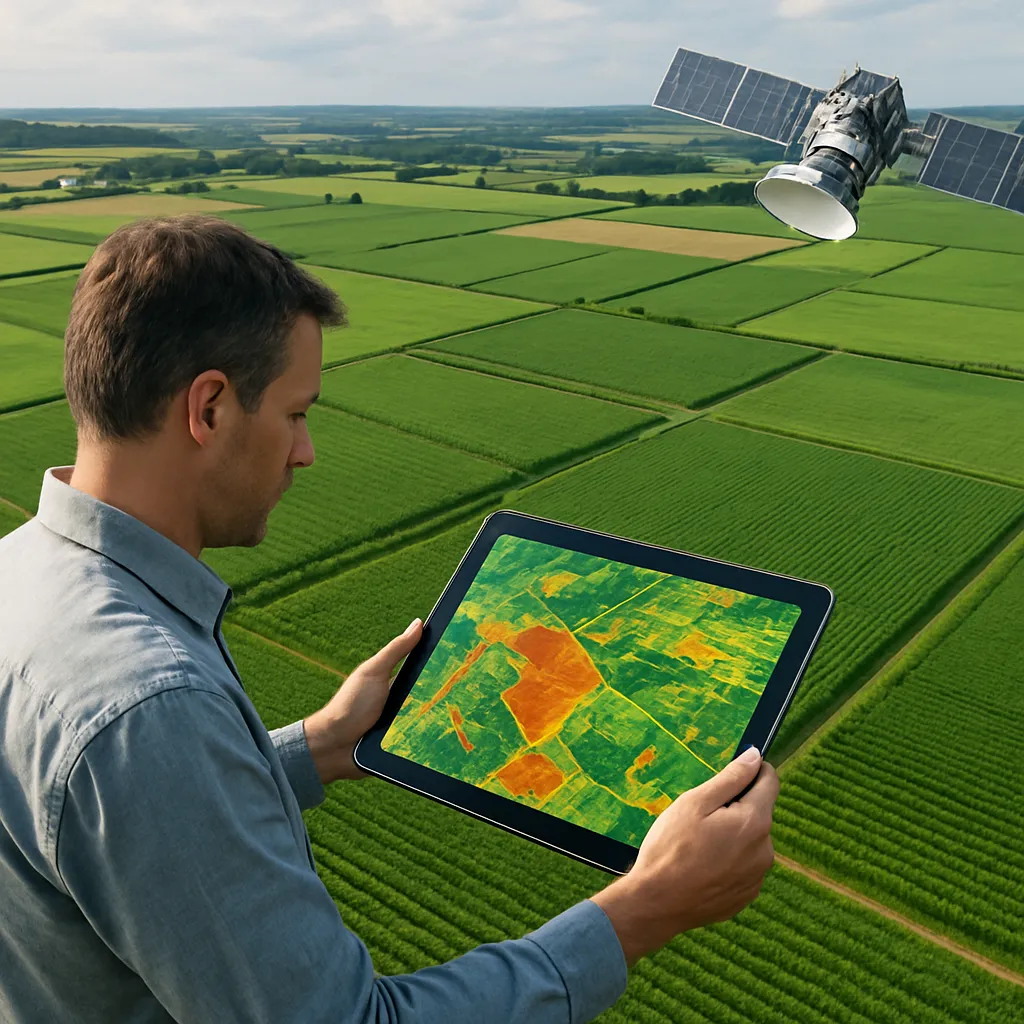
- Investing in digital tools and remote sensing to monitor soil health and guide adaptive management in real time.
Measurement and Verification
- Developing standardized metrics for tracking soil carbon, biodiversity levels, and water usage.
- Establishing transparent certification programs that build consumer trust and ensure fair compensation for ecosystem services.
Financial Mechanisms
- Designing agricultural insurance products that cover yield variability during transitions to low-input systems.
- Creating green bonds, carbon credits, and pay-for-performance schemes that reward verified environmental outcomes.
Market Development
- Encouraging large buyers, including food processors and retailers, to establish procurement commitments for regeneratively produced commodities.
- Promoting consumer education campaigns that highlight the links between farming methods and public health, food quality, and ecosystem integrity.
Looking ahead, the intersection of innovation in biotechnology, data analytics, and collaborative governance will shape the next phase of regenerative agriculture. As farmers, corporations, and policymakers align around shared goals of resilience and prosperity, the sector has the potential to transform food systems globally—delivering nutritious harvests while preserving the planet for future generations.