The global agricultural sector has long been a pillar of economic development, yet it continually faces significant disruptions that reverberate through international supply chains. From geopolitical tensions and protectionist measures to extreme weather events and health crises, these interruptions directly affect food security, national economies, and the livelihoods of millions of farmers. Examining how various forms of upheaval shape the flow of farm commodities across borders sheds light on both current challenges and future opportunities for policy makers, private sector actors, and civil society stakeholders.
Causes of Trade Disruptions in Agriculture
Multiple factors converge to spark interruptions in the movement of agricultural products. Understanding these root causes is key to developing effective mitigation strategies and enhancing overall resilience.
- Geopolitical Tensions and Tariffs
Escalating diplomatic disputes often lead to retaliatory tariffs and import restrictions. Recent trade wars have imposed steep levies on staples like soybeans and wheat, forcing exporters to reroute shipments or absorb additional costs. Even temporary embargoes can erode trust and destabilize established trade relationships.
- Climate-induced Disasters
Extreme weather patterns—droughts, floods, tropical cyclones—have surged in frequency and intensity. Their impact is twofold: reduced yields at origin and bottlenecks in transportation infrastructure. When roads are washed out or port facilities are damaged, exporters struggle to maintain production schedules.
- Health Crises and Biosecurity Risks
Animal disease outbreaks like African swine fever and avian influenza lead to immediate export bans on affected products. Plant pathogens also trigger phytosanitary measures that can last for seasons, eroding market share and forcing producers to seek alternative buyers.
- Logistical Constraints
Port congestion, container shortages, and labor strikes can all hamper the smooth flow of goods. Disruptions in logistics networks often increase shipping costs and delivery times, reducing competitiveness in key destinations.
Impacts on Global Supply Chains and Export Markets
When agricultural exports are constrained, the ripple effects can be profound. Stakeholders across the value chain—from farmers and millers to shipping lines and retailers—experience varying degrees of stress.
- Price Volatility
Supply interruptions often lead to sharp price swings on international commodity exchanges. Consumers in import-dependent countries may face skyrocketing food bills. Meanwhile, producers in exporting regions can suffer income instability as global demand fluctuates unpredictably.
- Diversification of Supply Sources
Importers may reduce reliance on a single country by seeking alternative suppliers. While diversification can mitigate risk, it may also strain emerging producers who lack established market access, perpetuating a cycle of uncertainty.
- Investment Uncertainty
Frequent trade bans and fluctuating regulatory environments deter long-term investments in infrastructure, processing facilities, and farm modernization. Investors demand clarity and stability, else they may redirect capital to less risky sectors.
- Food Security Challenges
Low-income nations that rely heavily on discounted imports are particularly vulnerable. Even short-term export curbs can trigger humanitarian crises, highlighting the critical nexus between open trade and nutrition outcomes.
Strategies to Enhance Resilience and Sustainability
Building more robust agricultural trade systems requires integrated approaches that address both supply-side vulnerabilities and demand-side requirements.
Strengthening Regional Cooperation
Enhanced collaboration among neighboring countries can reduce reliance on distant suppliers. Regional trade agreements often streamline customs procedures, harmonize standards, and promote joint investments in infrastructure—from cold storage facilities to cross-border rail links.
Adopting Advanced Technologies
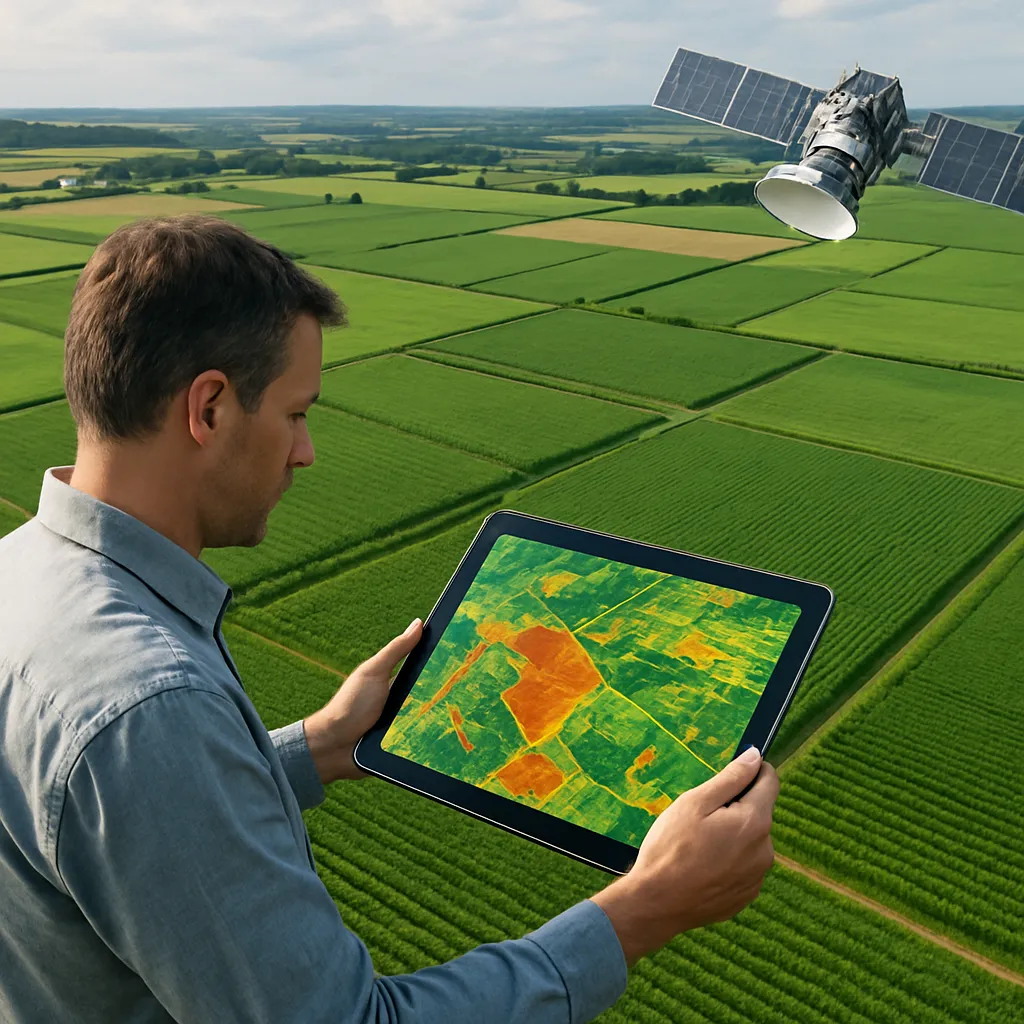
- Precision agriculture tools, such as satellite monitoring and drone-based crop assessments, help farmers anticipate yield fluctuations and optimize resource use.
- Blockchain platforms improve traceability, allowing exporters and importers to verify the origin and quality of shipments. This transparency can expedite customs clearances and reinforce consumer trust.
Implementing Sustainable Practices
Long-term stability hinges on adopting climate-smart agriculture. Diversified crop rotations, conservation tillage, and efficient water management reduce ecological footprints and increase sustainability. Financial incentives, such as carbon credits for agroforestry, can further encourage responsible land use.
Risk Management and Financial Instruments
- Weather derivatives and index-based insurance schemes offer protection against yield losses linked to extreme events.
- Export credit guarantees and trade finance facilities help firms secure working capital during periods of high volatility.
Case Studies: Real-world Examples
Concrete instances illustrate how trade shocks play out on the ground and the lessons learned in response.
Russia-Ukraine Conflict and Wheat Markets
The onset of hostilities severely disrupted shipments through the Black Sea. Alternative corridors via the Danube and rail to Poland were swiftly mobilized, but at higher costs. Subsidies and expedited border protocols mitigated food supply shortages in North Africa.
US-China Tariff Dispute and Soybean Trade
Retaliatory tariffs led Chinese buyers to pivot towards Brazil and Argentina. The diversion caused logistical strain on Brazilian ports, leading to longer vessel queues and elevated freight rates. Local producers invested in warehouse capacity and inland transport to accommodate surging volumes.
El Niño-induced Drought in Southeast Asia
Severe drought conditions in 2015-16 shrank palm oil and rice outputs. Exporting nations enacted temporary bans, driving global prices upward. Subsequent regional agreements established early warning systems and mutual aid mechanisms to alleviate future commodity shortages.
Note: These episodes underscore the importance of agility in policy making, diversified trade relationships, and robust contingency planning. By addressing both immediate hurdles and systemic vulnerabilities, the global community can better safeguard food supplies and maintain steady economic growth in the agricultural arena.