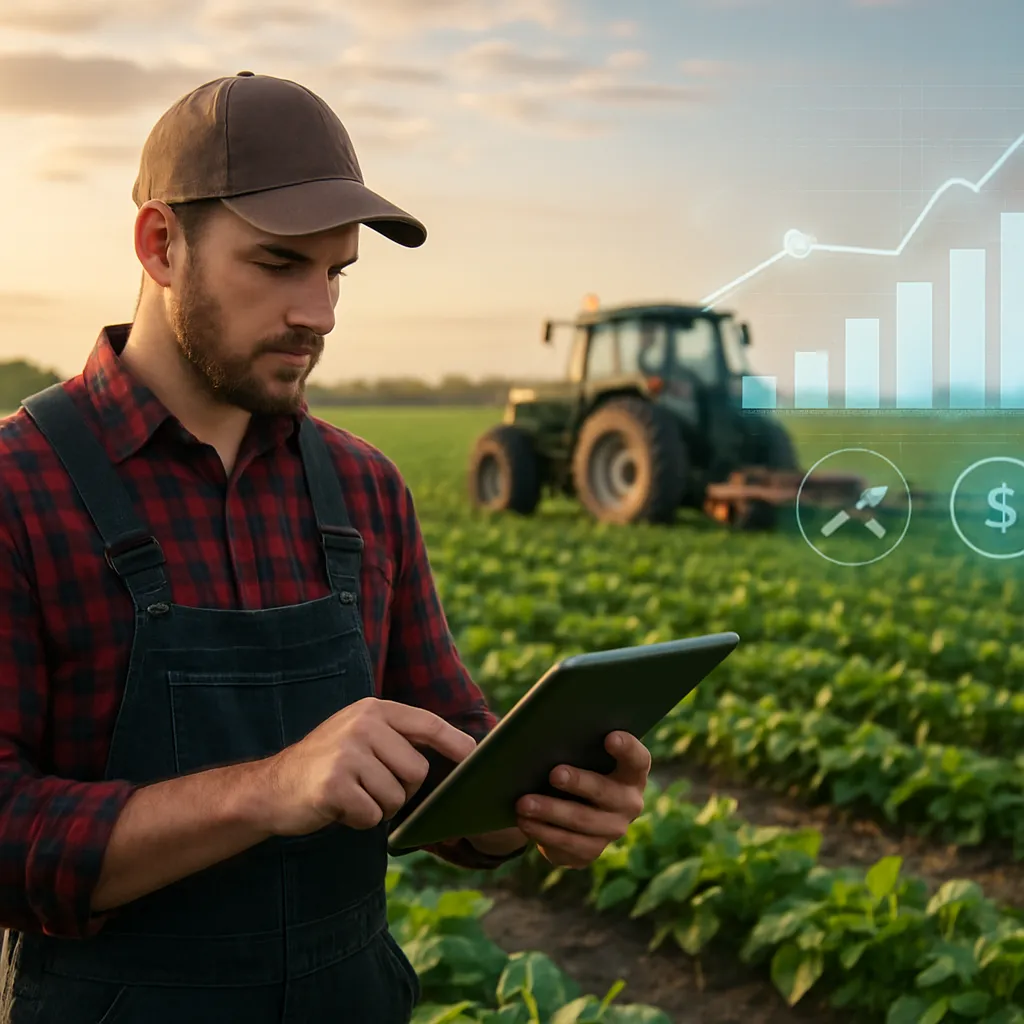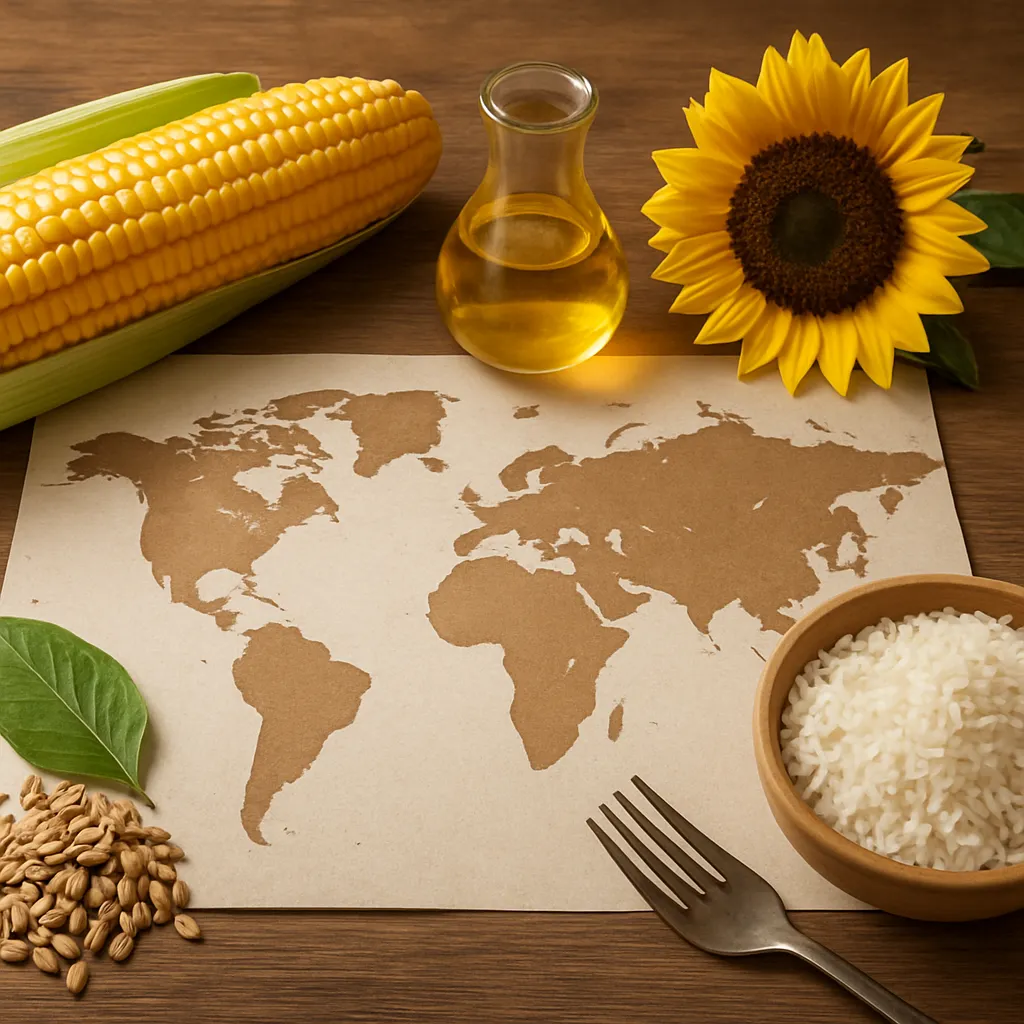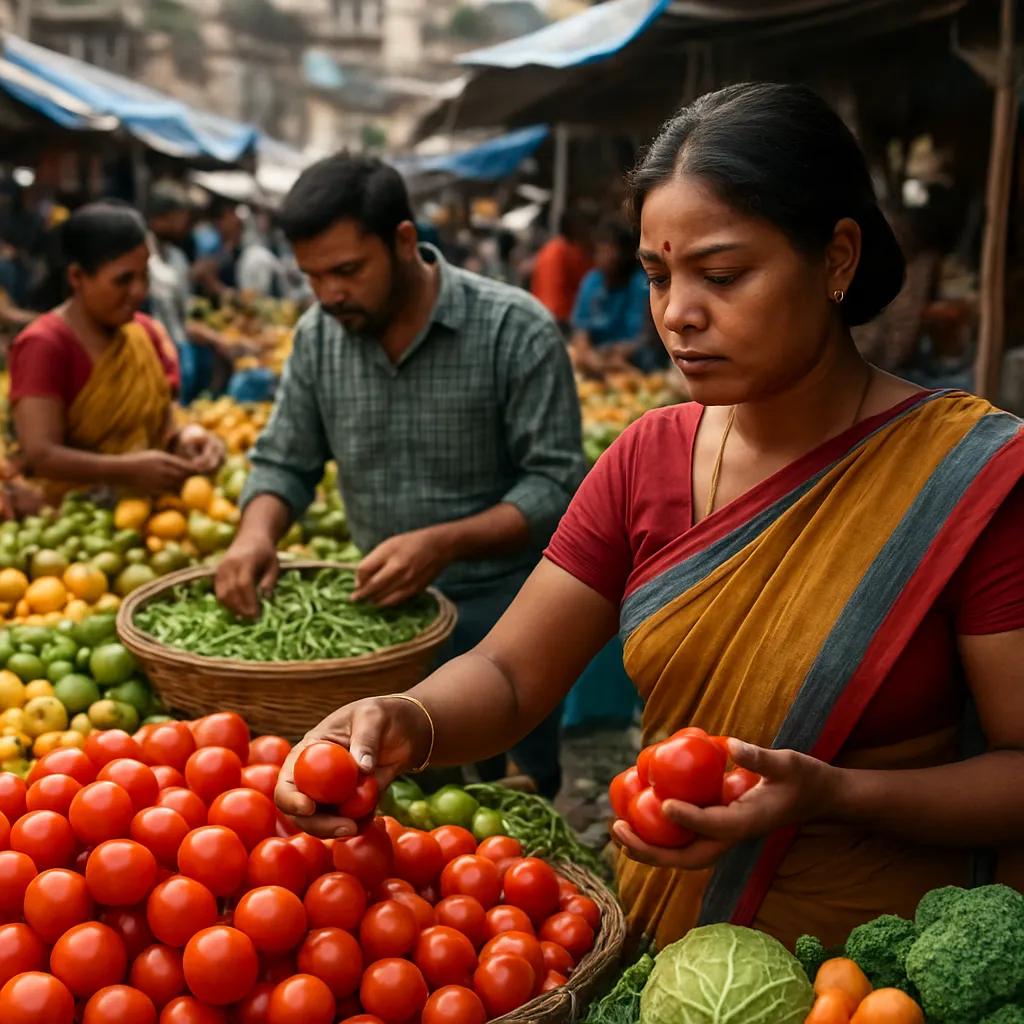
The rise of the Global South as a major driver in the world’s food markets marks a profound shift in agricultural power. Countries across Africa, Latin America, and Asia are not only increasing output but also redefining trade routes, supply chain models, and consumer preferences. This transformation reshapes the balance of trade, offering new opportunities and presenting fresh challenges for farmers, exporters, and policymakers alike.
New Patterns of Production and Export
Over the past decade, a wave of investment and technological adoption has empowered small-scale farmers and large agribusinesses alike. From Brazil’s soybean heartland to Vietnam’s rice paddies, producers embrace innovative techniques that boost yields, enhance quality, and promote environmental stewardship. Critical factors in this transformation include:
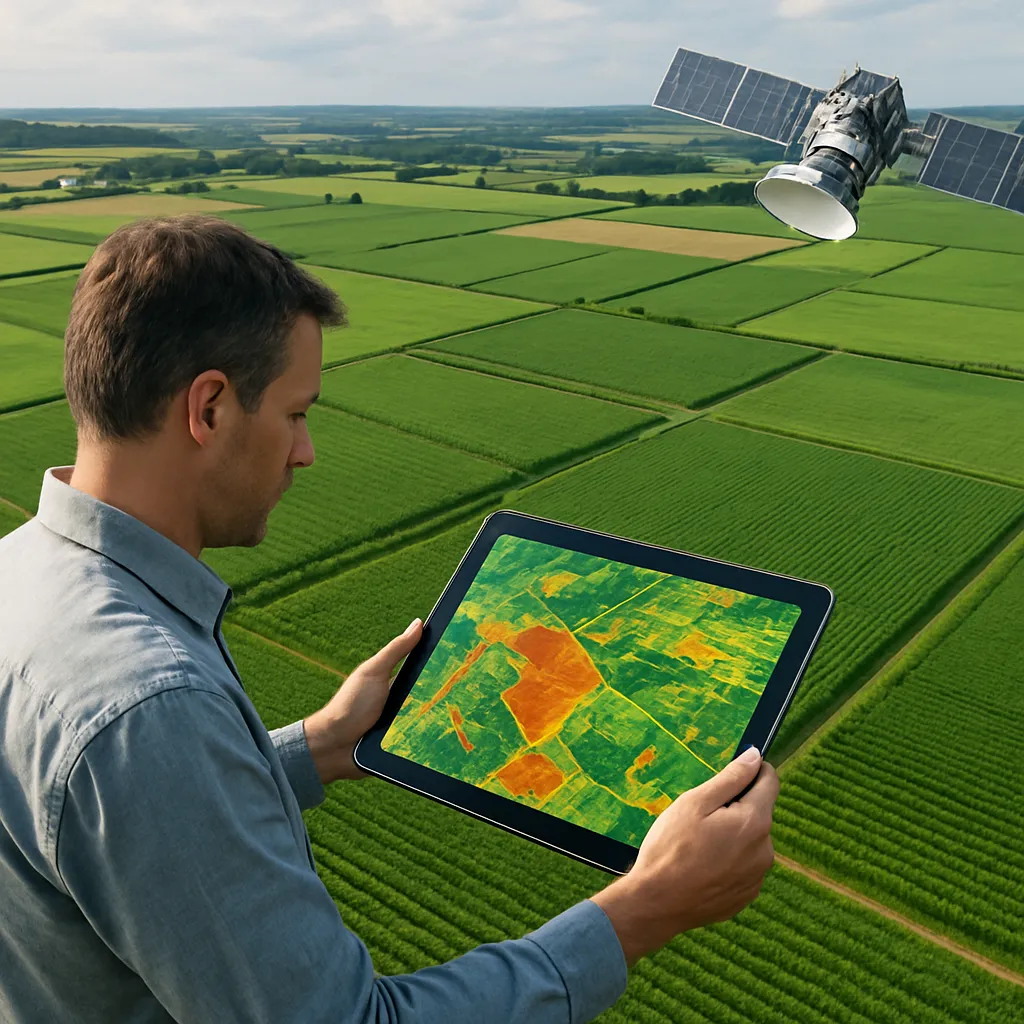
- Emerging technologies such as precision agriculture and remote sensing, which optimize inputs and reduce waste.
- Adoption of climate-smart crops that improve resilience against drought and flooding.
- Enhanced focus on crop diversification, reducing dependency on a single commodity and mitigating market volatility.
- Integration of value-added processing facilities, allowing local communities to capture higher margins.
In West Africa, for example, cocoa cooperatives are investing in post-harvest fermentation and drying facilities to meet strict international quality standards. Meanwhile, Southeast Asian exporters of palm oil are expanding into specialty derivatives for biofuel and cosmetics markets, underlining the region’s growing role in global supply chains.
Transforming Supply Chains and Infrastructure
Reliable transport networks and storage systems form the backbone of any modern food market. The Global South has seen unprecedented public and private investment in roads, ports, and cold-chain logistics. These improvements help reduce spoilage, lower transaction costs, and accelerate the movement of goods from farm gate to final destination.
Strategic Partnerships
- Joint ventures between national governments and multinational corporations to upgrade seaports and railway corridors.
- Collaborations with fintech firms to facilitate access to credit for farmers and small exporters.
- Public–private initiatives focused on training local workforces in warehouse management and quality control.
Digitalization and Traceability
Blockchain platforms and mobile applications now allow producers to verify origins, monitor temperature, and record handling steps in real time. These platforms strengthen consumer trust and open doors to premium markets that demand strict compliance with sustainability and safety standards. The integration of end-to-end digital infrastructure not only improves transparency but also supports real-time decision-making.
Impact on Global Trade Dynamics
The Global South’s ascent has shifted traditional trade flows, challenging long-standing exporters in North America and Europe. Key trends include:
- Redirection of grain supplies from Black Sea routes to South Asian ports in response to geopolitical tensions.
- Growth of intraregional trade within Africa, driven by the African Continental Free Trade Area.
- Rising demand from expanding urban populations in India, Nigeria, and Indonesia, fuelling imports of wheat, dairy, and meat.
- Strategic diversification by Middle Eastern nations, seeking stable food supplies from Latin American partners.
These shifts highlight the complex interplay of globalization and regional integration. Exporters now navigate varied tariff regimes, quality regulations, and logistics requirements, underscoring the importance of adaptive strategies and agile supply chains.
Policy Frameworks and Institutional Support
Effective growth demands supportive policies, from land tenure reforms to trade facilitation measures. Governments across the Global South have introduced a suite of initiatives to foster agricultural development:
- Subsidized credit lines and insurance products designed specifically for smallholder farmers.
- Investment in agricultural research centers to develop drought-tolerant and pest-resistant crop varieties.
- Regulatory frameworks that encourage sustainable land use and protect against deforestation.
- Education programs focused on best practices in post-harvest handling and market access strategies.
International institutions and development banks also play a pivotal role by offering grants and technical assistance. These funds support infrastructure projects, capacity-building initiatives, and efforts to strengthen local institutions responsible for quality control and certification.
Challenges and Future Opportunities
Despite impressive gains, the Global South faces persistent hurdles. Climate change continues to threaten yields, while competition for water and arable land intensifies. In addition, fragmented logistics, uneven access to finance, and unpredictable policy environments can hamper growth.
Resource Constraints
- Water scarcity in semi-arid regions, requiring investment in efficient irrigation and water management.
- Soil degradation and nutrient loss, driving the need for sustainable practices and regenerative agriculture.
Market Access and Value Addition
- High costs of certification in organic and fair-trade schemes limit participation of small-scale producers.
- Barriers to entry in high-value markets for perishable goods, including stringent sanitary and phytosanitary standards.
Emerging Opportunities
- Growing consumer appetite for plant-based proteins and alternative sources, opening markets for novel crops.
- Expansion of e-commerce platforms for direct-to-consumer sales, improving margins for farmers.
- Technological breakthroughs in biofertilizers and biopesticides that align productivity gains with environmental goals.
- Regional consortiums driving collective bargaining power for small nations seeking fairer prices.
Addressing these issues will require robust partnerships between governments, private sector players, and civil society. Investors are increasingly eyeing agricultural fintech, warehouse modernization, and off-grid renewable energy to power processing plants in remote areas. By embracing innovation and fostering inclusive growth models, the Global South can further strengthen its position as a cornerstone of global food markets.
Towards a Resilient and Sustainable Future
Farmers and agribusiness leaders across Africa, Asia, and Latin America continue to pursue paths that balance productivity with ecological stewardship. Initiatives in agroforestry, precision irrigation, and regenerative livestock management demonstrate a commitment to long-term viability. As these nations deepen their role in feeding a growing world population, the focus on food security, equitable growth, and climate adaptation will define the next phase of agricultural progress. By combining strategic policy reforms with technological advances, the Global South stands poised to lead the transformation of global food markets for decades to come.