The expansion of agricultural production on a global scale is intrinsically tied to the robustness of logistics frameworks. As markets evolve and consumer demands shift, building resilient and efficient networks for moving commodities from farm to fork has never been more critical. This article explores the multifaceted landscape of international agri-logistics, examining market dynamics, infrastructural bottlenecks, technological innovations, and strategic initiatives shaping the future of food distribution.
Market Dynamics and Global Trends
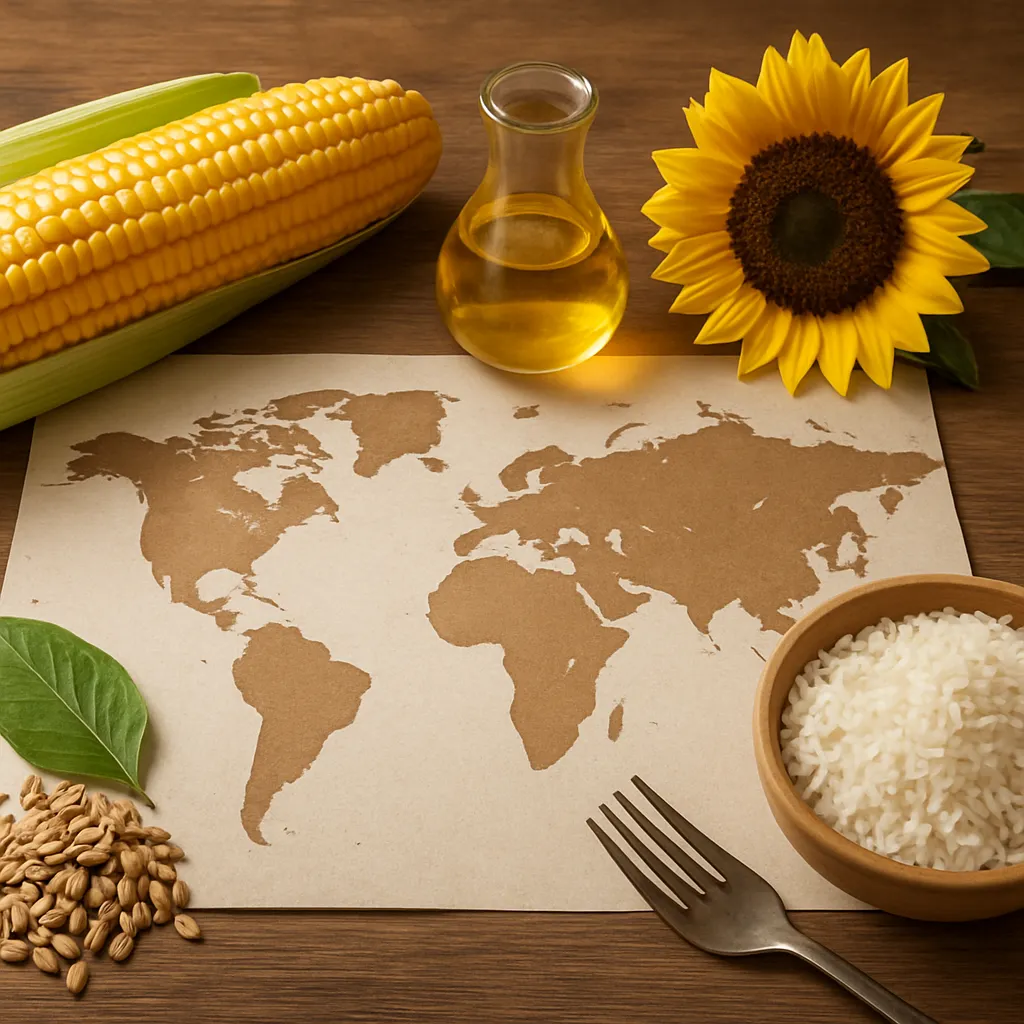
International trade in grains, fruits, vegetables, and livestock products has grown substantially over recent decades, driven by population growth, rising incomes, and changing dietary preferences. Key export regions such as North America, South America, Europe, and Oceania compete to supply emerging import hubs in Asia and Africa. The rise of middle classes in countries like China, India, and Nigeria has spiked demand for higher-value products, including dairy, meat, and specialty crops.
Price volatility remains a pressing challenge. Climatic events, geopolitical tensions, and currency fluctuations can cause sudden shifts in commodity costs. Traders and producers increasingly rely on risk-management tools and blockchain-enabled contracts to hedge against market swings. In parallel, sustainability standards and certifications—such as GlobalGAP and Fairtrade—are influencing purchasing decisions, prompting exporters to adopt more transparent and traceable practices.
Key Drivers of Growth
- Demographic expansion in urban centers
- Technological adoption in precision agriculture
- Trade liberalization and new free-trade agreements
- Private-sector investments in value-added processing
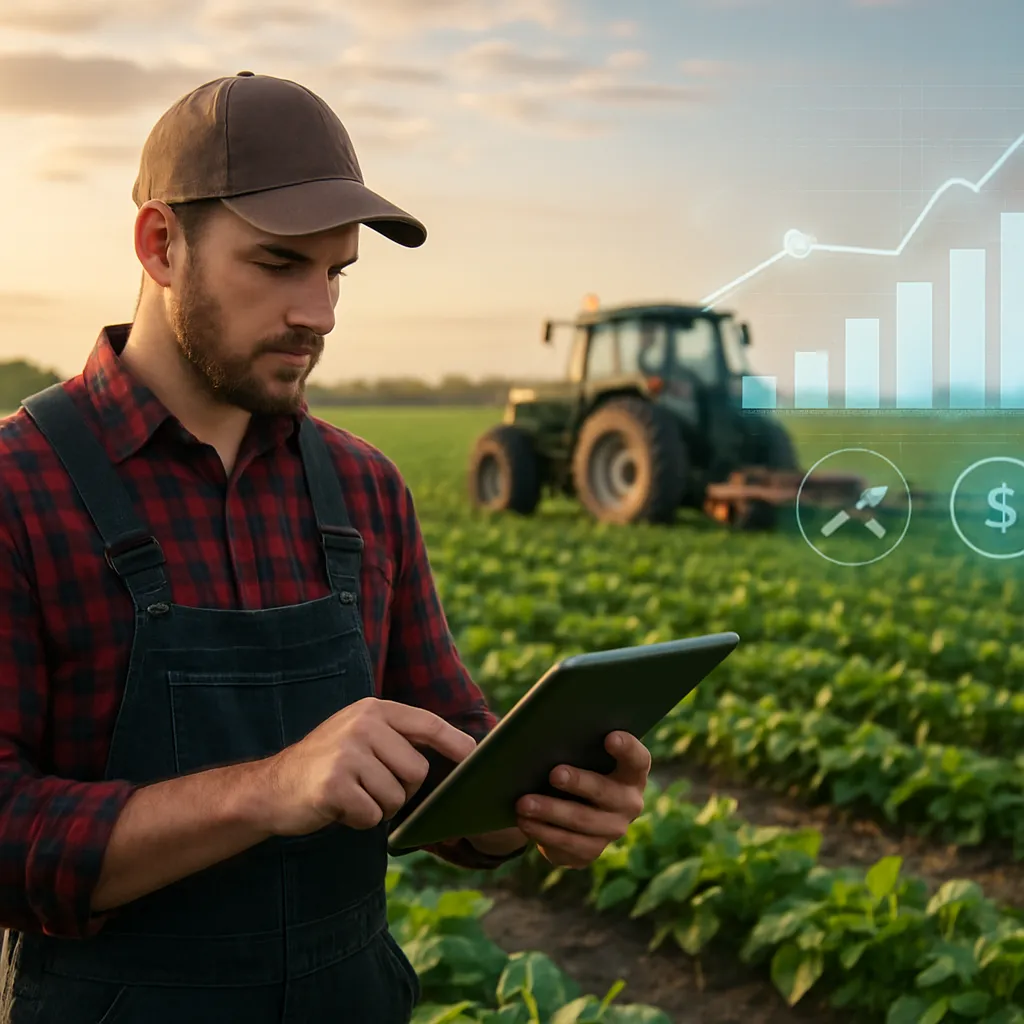
Digital marketplaces and e-commerce platforms have also begun to transform the way smallholders connect with buyers. By aggregating supply and streamlining payment processes, these platforms reduce friction and lower entry barriers for farmers in remote regions.
Infrastructure Challenges and Innovations
Despite market opportunities, infrastructure deficits remain a critical impediment in many developing economies. Underdeveloped road and rail networks, inadequate port facilities, and limited cold chain capacity lead to high post-harvest losses—estimated at 14% globally for fruits and vegetables alone. To counteract these inefficiencies, public-private partnerships are mobilizing capital for large-scale upgrades.
Major corridors like the Northern Sea Route and the Trans-European Transport Network (TEN-T) illustrate how strategic investments can foster efficiency and reduce transit times. In Africa, initiatives such as the African Continental Free Trade Area (AfCFTA) aim to harmonize customs procedures and eliminate non-tariff barriers, thereby unlocking vast trade potential. However, completing feeder roads and strengthening inland waterways remains a priority to connect rural production zones to main arteries.
Cold Chain and Storage Solutions
- Modular cold rooms and solar-powered refrigeration units
- Smart temperature-monitoring sensors with IoT integration
- Mobile packing stations at collection hubs
- High-capacity grain silos with ventilation control
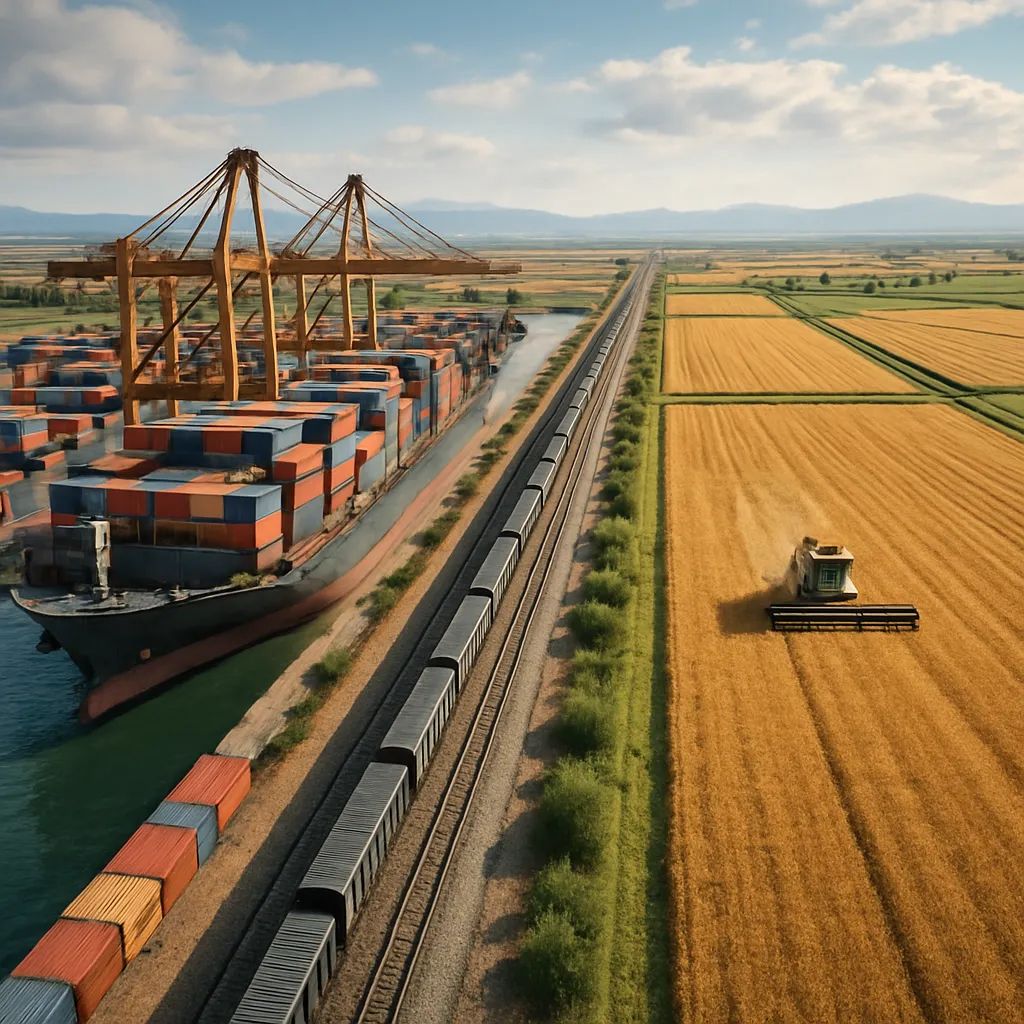
Developers are experimenting with multi-modal hubs that seamlessly integrate trucks, trains, and barges. These facilities often include on-site customs clearance, quality inspection labs, and consolidation centers to optimize load factors and reduce idle times. By employing data-driven scheduling tools, operators can maximize asset utilization and ensure perishables maintain quality throughout transit.
Technology Integration and Future Outlook
Advanced technologies are unlocking new efficiencies across the agri-logistics value chain. From farm-gate sensors that predict harvest readiness to AI-driven route optimization algorithms, stakeholders are embracing digitalization to cut costs and enhance service levels. Blockchain solutions are being piloted to provide immutable records of food provenance, supporting compliance with stringent export regulations and enabling faster recall responses in case of contamination.
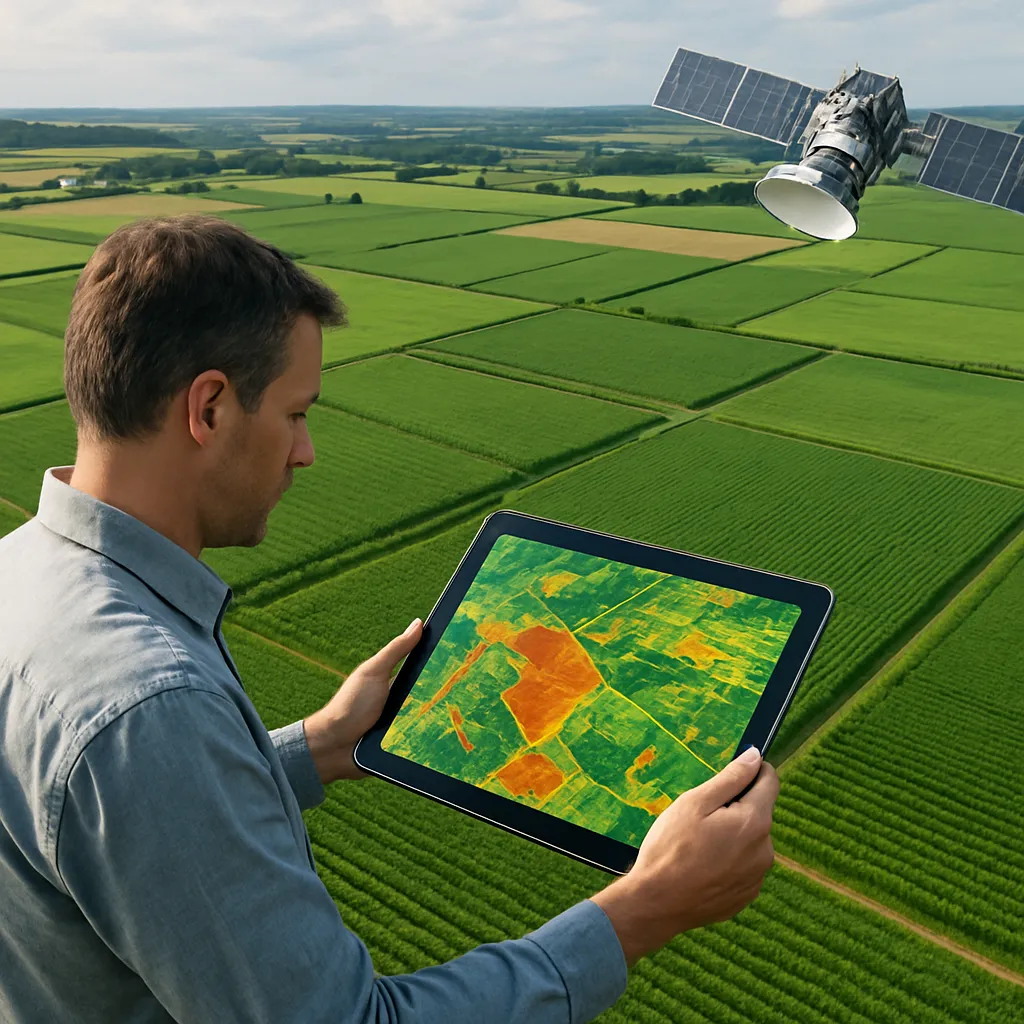
Drones and autonomous vehicles are also emerging as complementary last-mile delivery options, particularly in areas with poor road infrastructure. By leveraging aerial imaging, operators can monitor crop health and plan distribution routes that avoid congestion or flood-prone roads. Meanwhile, machine-learning models analyze weather forecasts, traffic patterns, and port congestion to dynamically adjust schedules and freight pricing.
Sustainability and Carbon Reduction
As environmental concerns take center stage, companies are measuring the carbon footprints of their logistics operations. Investments in electric trucks, biofuel vessels, and rail transport powered by renewable energy are on the rise. Green corridors are being established in collaboration with shipping lines offering carbon-offset programs. The integration of lifecycle assessments helps operators identify hot spots and develop action plans to minimize greenhouse gas emissions.
Water usage in cold storage, waste generation, and packaging materials are also under scrutiny. Innovative solutions such as edible coatings, compostable packaging, and anaerobic digesters for organic waste further contribute to a circular economy approach. These measures not only align with environmental goals but also offer cost savings through resource efficiency and waste valorization.
Building Resilience in Supply Chains
- Diversifying sourcing regions to mitigate climate risks
- Creating buffer stocks and decentralized warehouses
- Implementing multi-supplier strategies for critical inputs
- Continuous scenario planning and stress-testing
Ultimately, the resilience of agri-logistics networks hinges on collaboration among governments, producers, logistics providers, and technology firms. By sharing data and aligning on standards, stakeholders can respond swiftly to disruptions—whether they stem from extreme weather events, geopolitical shocks, or public health crises. The capacity to adapt and innovate will define the next era of global food security and market growth.