Irrigation has long been a cornerstone of modern agriculture, but the integration of advanced sensor technology is revolutionizing how water is delivered to crops around the world. From smallholder farms in emerging economies to large-scale operations in temperate regions, the shift toward precision irrigation systems is driven by the urgent need to enhance efficiency, reduce resource waste, and foster environmental sustainability. In this article, we explore how diverse sensor solutions, when paired with sophisticated data platforms and analytics, are transforming irrigation practices across the global market.
Sensor Technologies: A Deep Dive
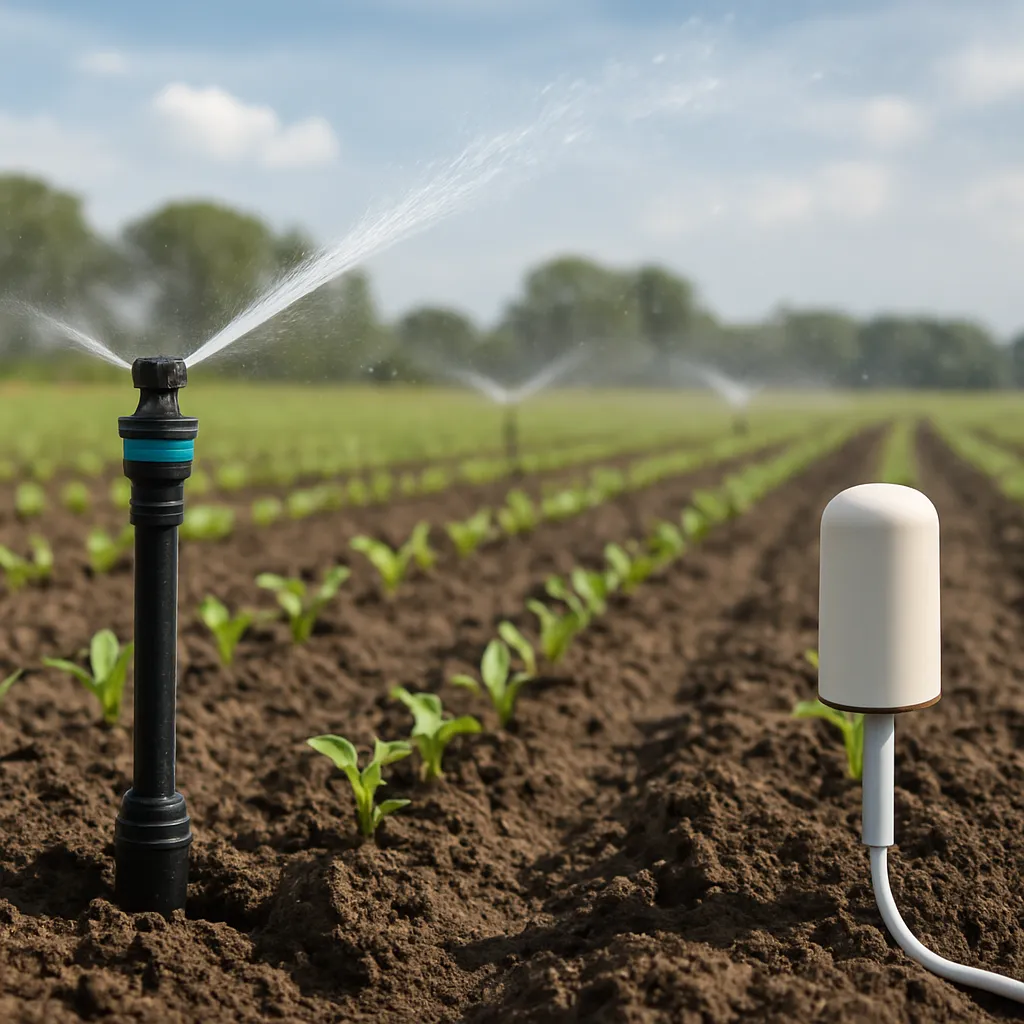
Modern irrigation sensors fall into several categories, each designed to measure specific parameters that influence plant water uptake and soil health. Perhaps the most common are soil moisture sensors, which detect volumetric water content at various depths. These devices ensure that water additions precisely match crop requirements, avoiding both drought stress and waterlogging.
Another important class comprises soil temperature sensors. Temperature affects evaporation rates and root activity, so real-time readings help irrigation controllers adjust schedules to minimize thermal stress. Combined with moisture data, temperature measurements refine irrigation timing to when plants can absorb water most effectively.
Other Vital Sensor Types
- Leaf wetness sensors, which detect surface moisture and guide disease prevention measures;
- Electrical conductivity sensors, used to monitor soil salinity levels and prevent harmful salt buildup;
- Plant-based stress sensors, capturing optical or electrical signals that reflect crop vitality.
By leveraging multiple sensor modalities, farmers gain a holistic view of field conditions. This multi-layered insight paves the way for optimization strategies that balance crop yield goals with environmental stewardship.
Data Integration and Precision Agriculture
Collecting sensor data alone is only half the equation. The real power emerges when data is transmitted in real time to centralized platforms that apply advanced analytics. Cloud-based dashboards synthesize inputs from hundreds or thousands of sensors, allowing agronomists to visualize moisture gradients, temperature shifts, and irrigation performance across entire regions.
Machine learning algorithms then identify patterns and predict future irrigation needs. For instance, predictive models can forecast soil drying rates based on weather forecasts, enabling proactive scheduling that prevents water stress before it occurs. This data-driven approach not only conserves water but also enhances crop quality by maintaining optimal hydration throughout critical growth stages.
Key Benefits of Integrated Systems
- Dynamic irrigation scheduling that adapts to changing climatic conditions;
- Automated valve and pump control to eliminate manual intervention and reduce labor costs;
- Scalable deployments that support both micro-irrigation in vineyards and center-pivot systems on vast cereal plains.
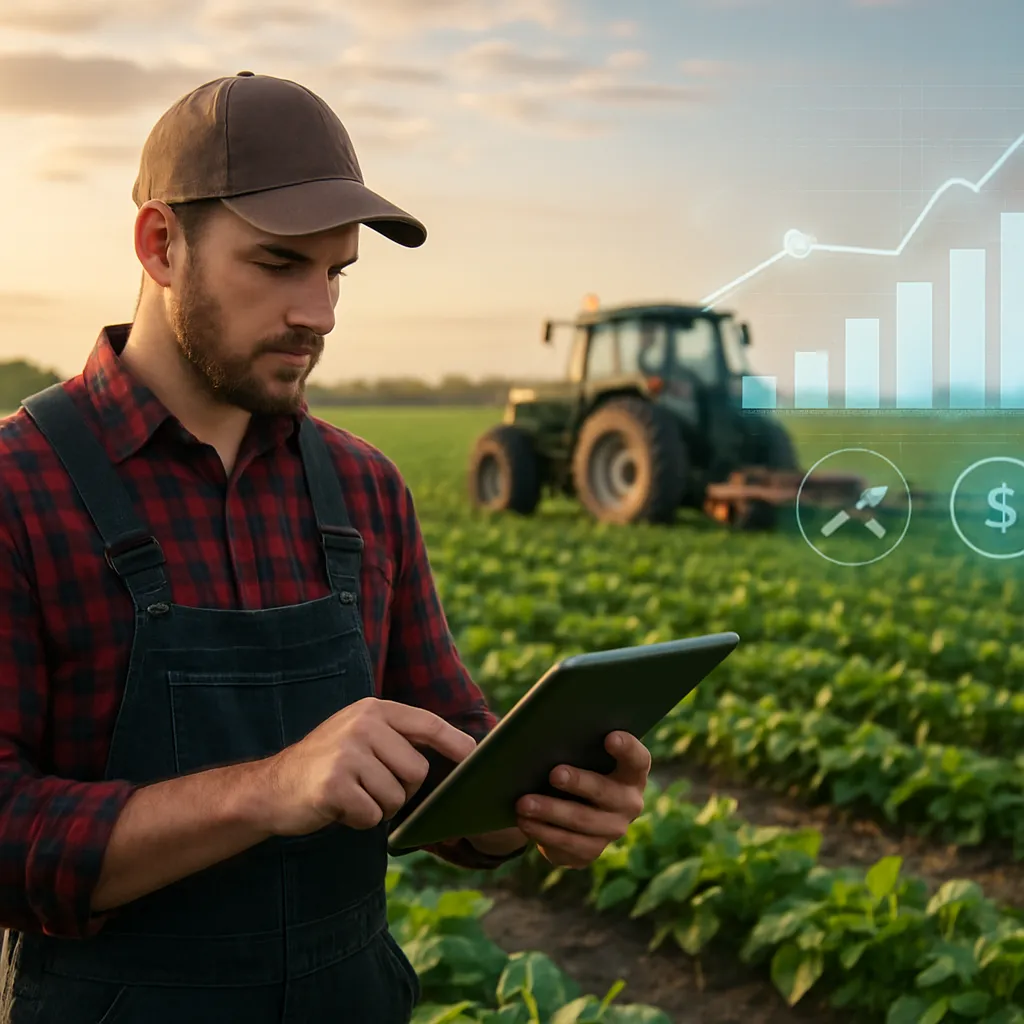
Ultimately, integrating sensors with precision agriculture platforms empowers growers to deliver the right amount of water at the right time and place, boosting operational efficiency and farm profitability.
Market Implications and Global Adoption
The global market for sensor-based irrigation solutions is expanding rapidly, driven by water scarcity pressures and supportive government policies. In water-stressed regions such as the Middle East and North Africa, investments in smart irrigation tech have surged as authorities aim to secure sustainable food production. Meanwhile, Europe and North America are scaling pilot projects into full commercial rollouts, capitalizing on cost savings and environmental incentives.
Emerging economies in Asia and Latin America are also embracing smart irrigation, often in partnership with international development agencies. These collaborations focus on educating smallholders to deploy affordable sensor kits and smartphone-based management tools. By democratizing access to precision irrigation, these programs boost rural incomes and strengthen food security.
Economic and Environmental Impact
- Reduction in water consumption by up to 30%, translating to significant cost savings;
- Lower fertilizer runoff due to optimized irrigation, thereby reducing agricultural pollution;
- Enhanced crop yields and quality, supporting higher farm revenues and export potential.
As adoption grows, sensor technology is reshaping competitive dynamics in agribusiness, compelling equipment manufacturers and service providers to innovate faster and deliver turnkey solutions that integrate seamlessly with existing farm infrastructure.
Challenges and Future Prospects
Despite clear advantages, several hurdles remain before sensor-driven irrigation becomes ubiquitous. Initial capital costs can deter small-scale farmers, although leasing models and government subsidies are helping to bridge the affordability gap. In addition, interoperability issues among sensors and control systems can complicate deployment, underscoring the need for industry standards.
Looking ahead, next-generation sensor platforms will likely incorporate advanced materials, energy harvesting capabilities, and edge-computing processors. These upgrades will reduce maintenance requirements and latency, enabling truly autonomous irrigation systems that adapt in real time to microclimate variations.
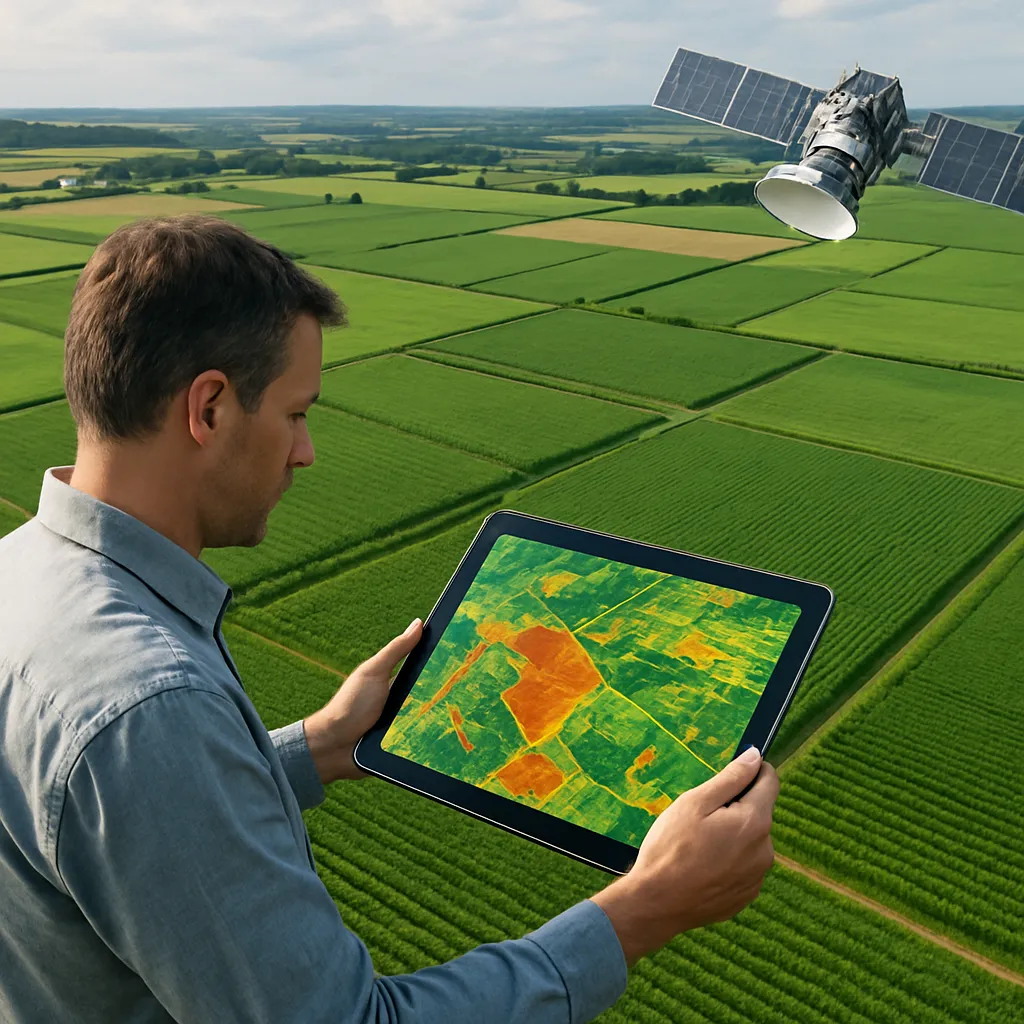
In parallel, the convergence of sensor data with satellite imagery and drone-based monitoring will provide multi-dimensional insights that further refine water management strategies. Such synergies will be crucial as farmers confront mounting climate variability and strive to achieve resilient, sustainable production systems.
With continuous innovation and collaborative efforts across the value chain, sensor-enabled irrigation stands poised to redefine how water resources are used in agriculture, ensuring that global food systems thrive amid evolving environmental and economic challenges.