Understanding the intricate relationship between biodiversity and the long-term stability of global crop systems is critical for stakeholders across the agricultural value chain. This article explores how genetic and species variety contributes to crop resilience, influences market dynamics, and shapes policy frameworks that support sustainable food production.
Enhancing Resilience through Genetic Diversity
Planting a wide range of crop varieties is one of the most effective strategies to safeguard crop yields against environmental stressors. The practice of preserving and utilizing diverse genetic resources helps buffer farms from pests, diseases, and unpredictable weather events.
Role of Wild Relatives and Landraces
Wild relatives of common crops and traditional landraces harbor adaptive traits that modern cultivars often lack. By incorporating these genes into breeding programs, scientists can develop new cultivars with improved tolerance to drought, heat, salinity, and emerging pathogens. The infusion of such traits into mainstream agriculture enhances overall stability and reduces reliance on chemical inputs.
Mechanisms of Pest and Disease Suppression
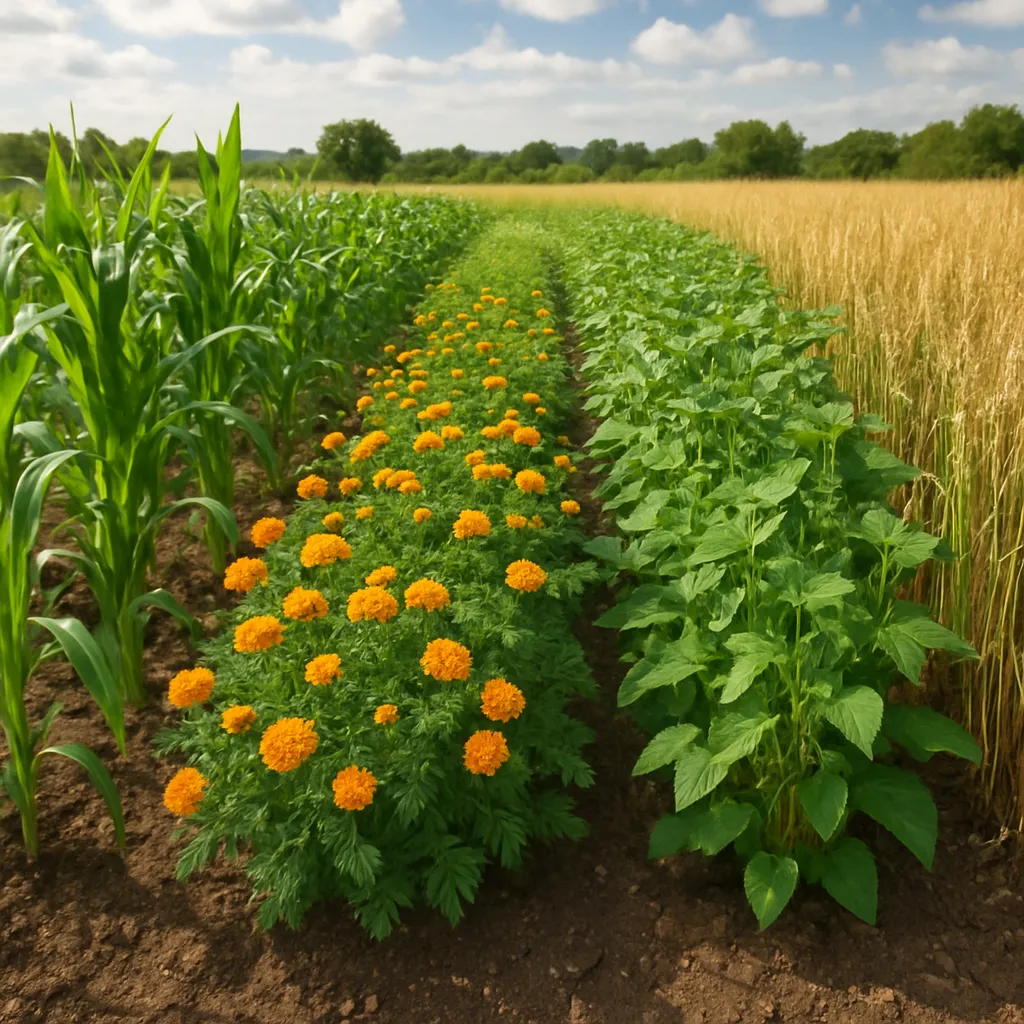
Monocultures can become epicenters for pest outbreaks. In contrast, polycultural systems with multiple species or varieties display suppressed pest populations through natural predator attraction and habitat complexity. Integrated pest management (IPM) approaches that harness biological control agents—such as predatory insects and microbial antagonists—rely heavily on the ecosystem services provided by a biodiverse environment.
- Genetic resources from seed banks enable breeders to respond quickly to new threats.
- Intercropping systems blend cereals, legumes, and vegetables to create barriers against pathogen spread.
- Cover crops and hedgerows foster beneficial insect communities, reducing fungicide and insecticide use.
Market Dynamics and Biodiverse Agricultural Practices
Global markets are increasingly sensitive to supply-chain disruptions caused by climate change and biodiversity loss. Maintaining a diverse portfolio of crops at regional and national scales can moderate price fluctuations and ensure food security for consumers worldwide.
Mitigating Market Volatility
Dependence on a small number of staple crops—such as corn, rice, and wheat—amplifies vulnerability to shocks. Diversification into alternative grains (quinoa, millet), oilseeds (chia, flax), and minor fruits can stabilize revenues for farmers and reduce exposure to international market volatility. Collaborative marketing schemes, such as cooperative supply networks, allow smallholders to pool resources and negotiate better prices for niche, high-value products.
Consumer Demand and Value Chains
Modern consumers are increasingly aware of the link between sustainable production and environmental health. Certifications like Fair Trade, Rainforest Alliance, and organic labels reward practices that promote agricultural resilience. Retailers and food service providers are incorporating biodiversity-friendly criteria into procurement policies, driving demand for produce grown under polyculture or agroforestry systems.
- Value-added products—such as heirloom grain flours or heritage fruit jams—capture premium price points.
- Traceability platforms track genetic lineages, verifying claims of biodiversity conservation.
- Blockchain and digital ledgers enhance transparency, assuring end-users of the origin and cultivation methods.
Global Policy and Future Directions
Coordinated policy interventions are essential to scale up biodiversity-enhancing approaches and ensure equitable access to genetic materials. International treaties, national legislation, and local incentives must align to foster a supportive environment for both large-scale agribusinesses and smallholder farmers.
International Frameworks
The Convention on Biological Diversity (CBD) and the International Treaty on Plant Genetic Resources for Food and Agriculture (ITPGRFA) establish guidelines for the conservation and equitable sharing of genetic resources. They encourage signatory countries to develop national biodiversity strategies, inventory local varieties, and invest in gene banks. Financial mechanisms—such as the Global Environment Facility (GEF)—provide grants for projects that demonstrate tangible benefits in preserving agro-biodiversity.
National and Regional Incentives
Governments can adopt incentive-based policies to reward farmers for biodiversity-friendly practices:
- Payments for Ecosystem Services (PES): direct compensation for maintaining habitat features like hedgerows, cover crops, and agroforestry plots.
- Subsidies for on-farm seed banks and participatory breeding programs targeting climate-resilient varieties.
- Tax breaks and low-interest loans for investments in diversified cropping systems and landscape restoration.
Research and Extension Services
Effective dissemination of knowledge is crucial. Robust extension networks, supported by public research institutions and private agritech firms, offer training on :
- Designing polycultures that maximize complementarity between species.
- Managing soil health through crop rotations and organic amendments.
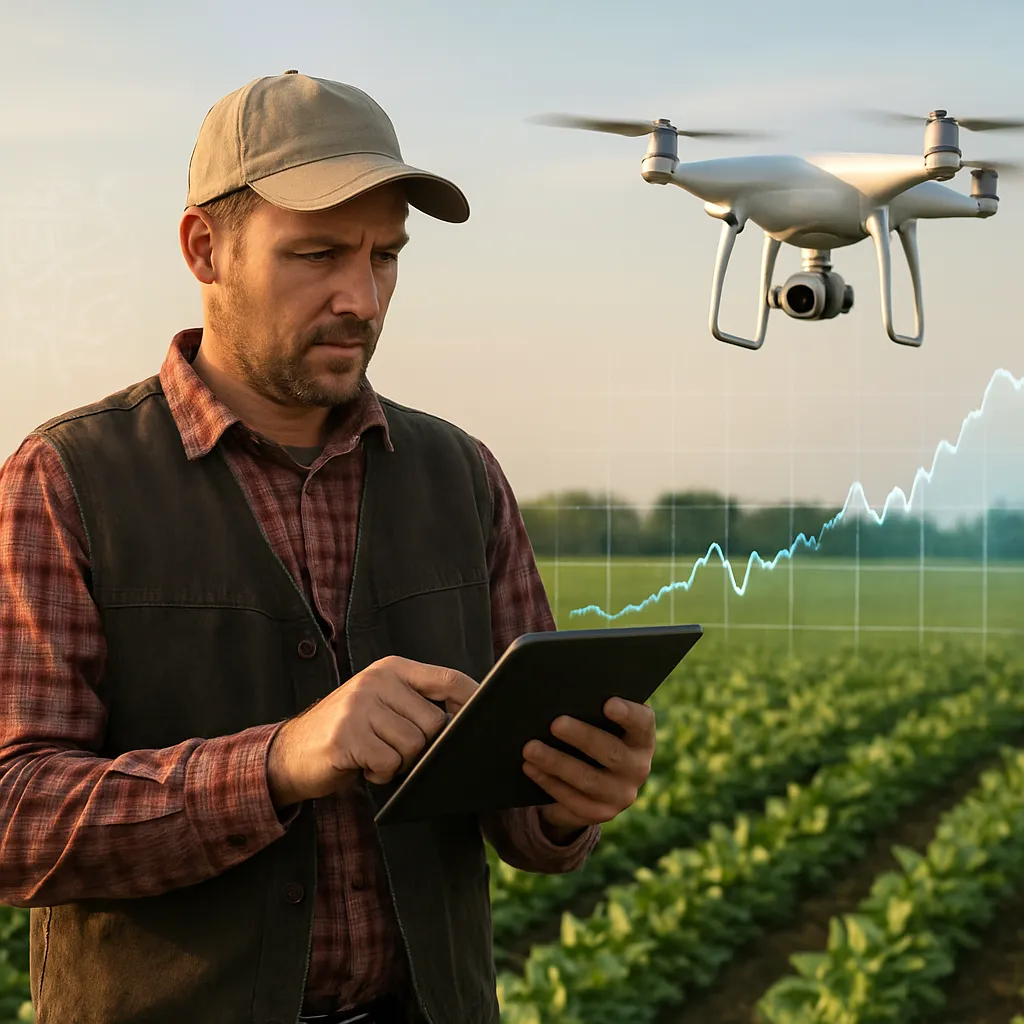
- Leveraging precision agriculture tools—drones, sensors, data analytics—to monitor biodiversity indicators and optimize inputs.
By integrating these multifaceted approaches, the global agricultural community stands to gain not only in terms of enhanced production resilience but also in fostering socio-economic development among rural populations. The synergy between market incentives, supportive policy frameworks, and scientific innovation will determine how effectively we can secure a sustainable food future.
Challenges and Opportunities Ahead
Despite clear benefits, scaling biodiversity-rich systems faces hurdles such as limited access to quality seeds, uneven policy support, and the inertia of conventional monocultural practices. Addressing these challenges requires:
- Strengthening public–private partnerships to expand the reach of diversified seeds and planting materials.
- Leveraging digital platforms for knowledge exchange, connecting farmers across regions to share successes and lessons learned.
- Promoting consumer education campaigns that highlight the link between biodiversity, ecosystem services, and long-term food security.
Embracing a holistic vision of agriculture—one that values genetic and species diversity as fundamental assets—can transform global food systems. By aligning economic incentives with environmental stewardship, stakeholders can ensure that our crops remain robust and productive for generations to come.