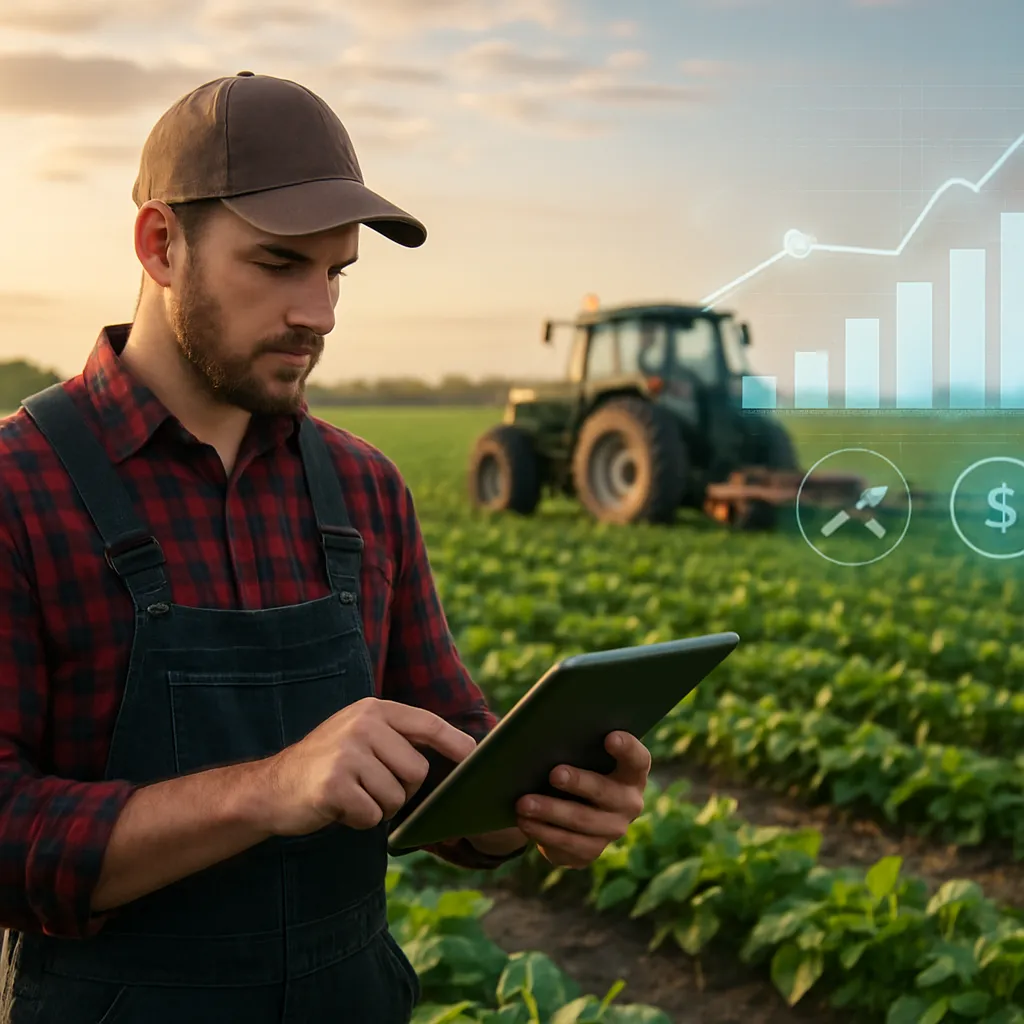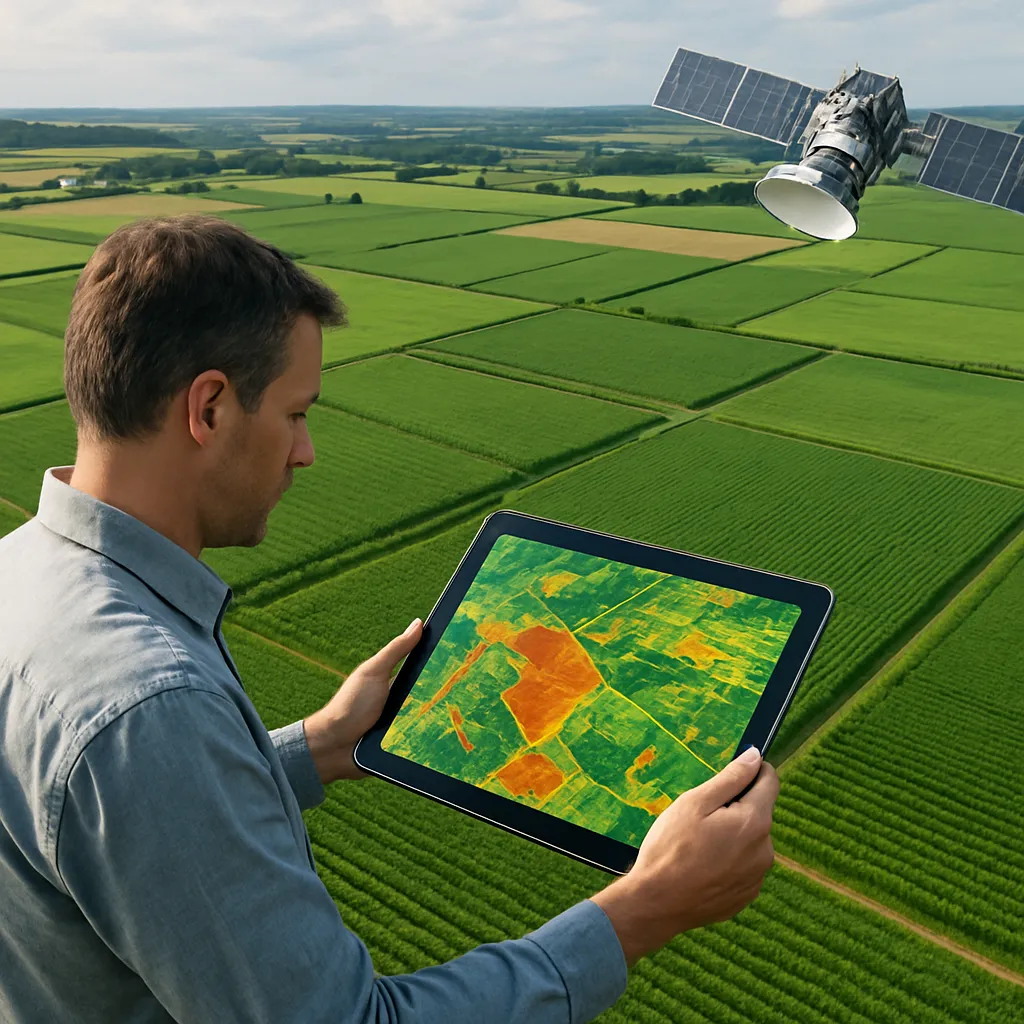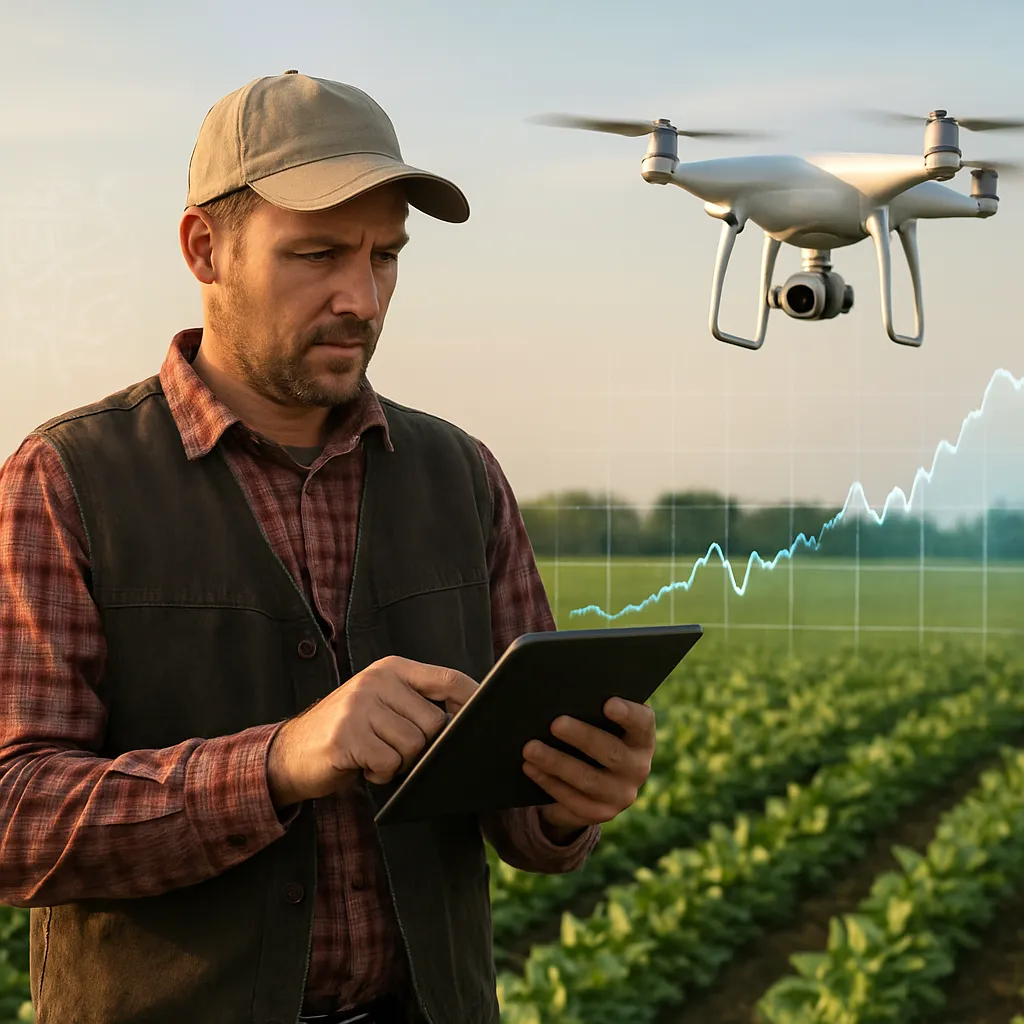
Across modern farmlands and bustling commodity exchanges, a profound transformation is underway. Farmers, traders, and policy-makers embrace the power of Artificial Intelligence to navigate the intricate patterns of global supply and demand. This evolution extends far beyond traditional gut feelings and seasonal norms, as digital tools deliver unprecedented insights. With rural fields connected to international markets, a new era of data-driven decision-making reshapes how agricultural stakeholders predict, plan, and prosper.
Integrating AI in Agricultural Economics
As population growth surges and climate change intensifies, the agricultural sector faces mounting challenges. Rising costs, extreme weather events, and shifting consumer preferences demand nimble responses. Enter machine learning platforms capable of analyzing petabytes of information—climate models, satellite imagery, historical price records, and social media signals—to unveil subtle correlations. By harnessing these technologies, farmers gain clarity on when and where to sell produce, maximizing revenue and reducing waste.
Governments and cooperatives collaborate with private firms to develop AI-driven marketplaces. These platforms consolidate data across regions, smoothing out localized anomalies and providing a holistic view. For instance, an AI system might identify that drought in one continent could trigger a price spike in another region months later. By anticipating such chain reactions, stakeholders optimize planting schedules and resource allocation.
On the ground, smallholder farmers leverage mobile apps that translate complex algorithms into simple advice. Even in remote villages, a smartphone can alert a producer when the optimal sale window approaches, or when storage facilities should be utilized to avoid glut-induced price collapses. This democratization of technology narrows the gap between large agribusinesses and family-run farms, fostering equitable growth across the global food supply network.
Data Analytics for Price Forecasting
Reliable forecasts hinge on robust data pipelines. AI models ingest diversified inputs to enhance forecast accuracy. Key variables include:
- Historical commodity prices and trade volumes
- Weather patterns and crop health indicators
- Transportation and logistics performance
- Geopolitical events and policy shifts
- Consumer demand trends and food consumption rates
Through advanced regression techniques and neural networks, systems detect nuanced shifts, such as incremental demand arising from dietary changes or sudden spikes triggered by export bans. These insights feed into dynamic dashboards, enabling traders to fine-tune bidding strategies and adjust storage logistics. In practice, AI-driven price optimization algorithms propose sale prices that balance immediate cash flow with the potential for higher future returns.
Moreover, ensemble models—combinations of multiple AI approaches—mitigate the risk of relying on a single prediction method. When one model underperforms due to unforeseen anomalies, others compensate, ensuring predictions remain resilient against unexpected market swings. This layered design significantly reduces exposure to market volatility.
Global Market Dynamics and AI
Interconnected Markets
In an era of globalization, no commodity exists in isolation. Disruptions in one region reverberate across continents through supply chain linkages. AI monitors shipping manifests, port traffic, and currency fluctuations to model the cascading impact of events like a major port closure or trade embargo. Stakeholders can then devise contingency plans—rerouting cargo, adjusting export quotas, or hedging positions on futures markets.
Climate Resilience
Climate change poses both a threat and an opportunity. While extreme weather can devastate yields, improved forecasting of heatwaves or floods empowers farmers to implement mitigation strategies—deploying cover crops or shifting irrigation schedules. These adaptive measures, informed by AI projections, support long-term sustainability by conserving water, reducing chemical inputs, and maintaining healthy soils.
Policy and Regulation
National and international policies shape agricultural flows through tariffs, subsidies, and environmental mandates. AI tools analyze legislative trends and simulate outcomes of proposed regulations, offering policymakers evidence-based recommendations. Farmers and agribusinesses, in turn, anticipate policy shifts to adjust planting decisions or investment plans. This synergy accelerates the adoption of best practices and fosters a more transparent, accountable market ecosystem.
Challenges and Future Directions
While the prospects are promising, integrating AI into agriculture is not without obstacles. Data quality varies widely, especially in regions lacking robust digital infrastructure. Standardizing information—from yield reports to transportation logs—remains a critical hurdle. Additionally, the complexity of AI models demands skilled personnel for development, maintenance, and interpretation—talent that is often scarce in rural areas.
Privacy and ethical concerns also arise. Farmers may hesitate to share proprietary data on yields or costs, fearing competitive disadvantage. Building trust through transparent algorithms, secure cloud environments, and fair data-sharing agreements is essential to widespread adoption.
Looking ahead, several trends will shape the next frontier:
- Integration of Internet of Things (IoT) sensors for real-time field data
- Edge computing to deliver analytics directly on farm equipment
- Decentralized data marketplaces powered by blockchain
- Enhanced collaboration between agronomists, economists, and AI specialists
Ultimately, the fusion of technology and agriculture promises a smarter, more resilient global food system. By leveraging big data insights, refining models with continuous feedback, and forging partnerships across sectors, the farming community can navigate uncertainties and thrive amidst evolving market landscapes. The path forward is illuminated not by guesswork, but by precise, predictive tools that empower every stakeholder—from smallholder to multinational trader—to make informed decisions with confidence.