The agricultural sector is undergoing a transformative journey marked by rapid technological advances, shifting economic forces, and evolving educational paradigms. This article explores emerging trends in the global market, examines innovative approaches to training the next generation of farmers and agribusiness professionals, and highlights strategies for closing critical workforce gaps. By understanding these interconnected dynamics, stakeholders can foster a more sustainable and resilient industry capable of meeting future demands.
Global Market Dynamics and Challenges
International trade in agricultural commodities has long been influenced by fluctuating commodity prices, geopolitical tensions, and climate-related disruptions. As markets become increasingly interconnected, the impact of regional policies on global supply chains cannot be underestimated. For instance, export restrictions in one nation can ripple through supply lines and trigger price spikes elsewhere. At the same time, consumer demand for traceability, organic certification, and fair trade practices is rising, pushing producers to adopt transparent practices and invest in technology that tracks product origins.
- Globalization: Cross-border partnerships and mergers are reshaping the landscape, with agribusiness giants expanding into emerging markets and local cooperatives forging new export channels.
- Climate Volatility: Unpredictable weather patterns and extreme events pressure producers to integrate risk management tools like crop insurance and precision forecasting.
- Trade Policies: Tariffs, quotas, and trade agreements significantly influence export competitiveness, requiring producers to stay informed and agile.
Emerging economies in Asia, Africa, and Latin America are investing heavily in mechanization and irrigation projects to boost productivity. Yet, smallholder farmers often lag due to limited access to credit and training. Addressing this imbalance demands collaborative efforts among governments, non-governmental organizations, and private investors to expand rural finance networks and deploy extension services that deliver locally tailored solutions.
Innovations in Agricultural Education
Responding to evolving market demands, educational institutions are redesigning curricula to blend traditional agronomy with cutting-edge sciences. The rise of global agricultural education programs emphasizes interdisciplinary modules covering biotechnology, data analytics, and environmental stewardship. This holistic approach equips graduates with the skills to tackle complex challenges, from soil degradation to supply chain optimization.
Key innovations include:
- Digitalization of coursework: Virtual labs and simulation platforms allow students to experiment with crop management scenarios without resource-intensive field trials.
- Modular learning pathways: Micro-credentials and certificates enable professionals to upskill in niche areas such as vertical farming, drone-based monitoring, or blockchain for supply chain transparency.
- Collaborative research hubs: Universities partner with private sector firms and government agencies to co-develop knowledge that accelerates commercialization of new seeds, fertilizers, and sustainable practices.
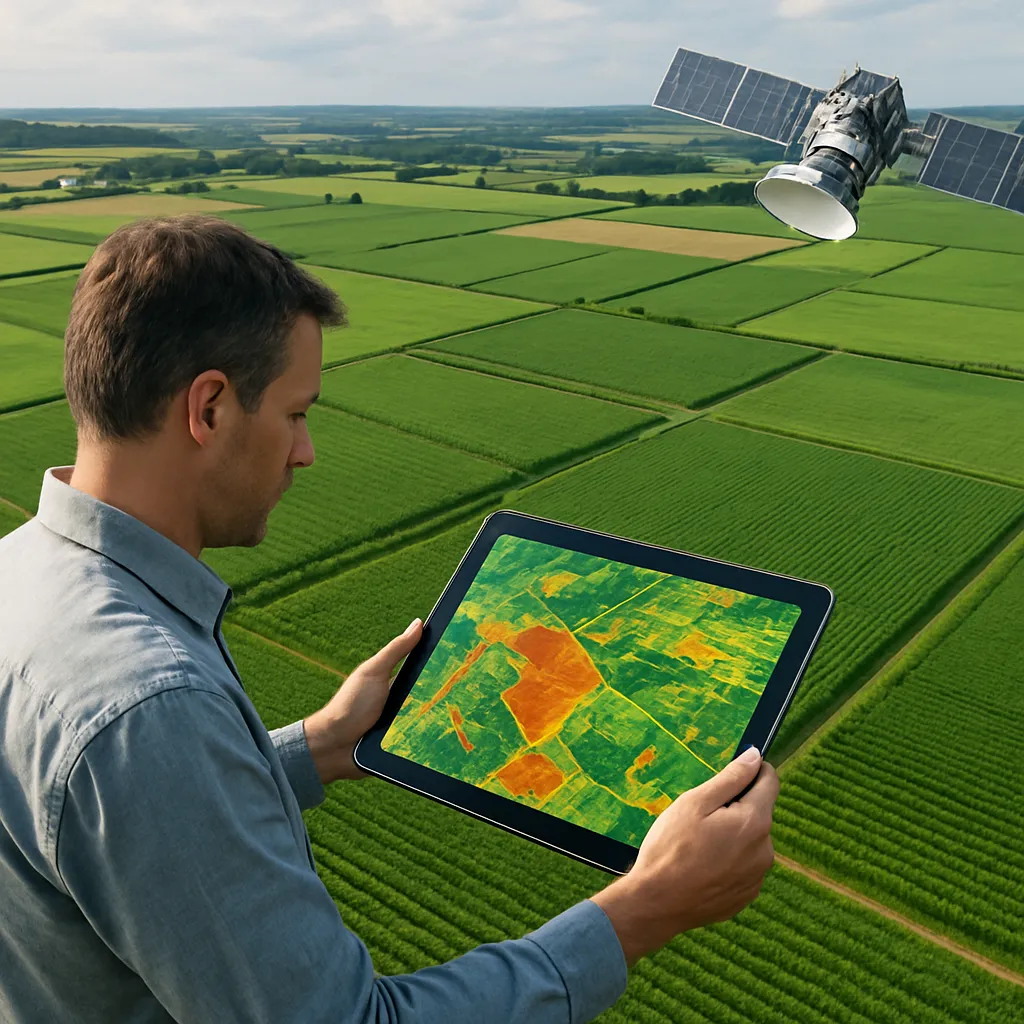
Mentorship programs and internships are also gaining traction, giving students real-world exposure to agribusiness operations. By integrating remote sensing technologies and artificial intelligence into hands-on training, institutions foster a generation of adaptive leaders who can drive innovation across the value chain.
Bridging the Skills Gap in the Workforce
Despite growing enrollment in agricultural studies, many employers report a mismatch between graduate competencies and industry requirements. Mechanization specialists, data scientists, and supply chain analysts are in short supply, while older workers near retirement hold tacit knowledge that risks disappearing. Efforts to bridge this divide focus on:
- Cross-sector Internships: Embedding students in agritech startups or multinational farming operations to gain diverse experience.
- Continuous Professional Development: Online modules and weekend workshops enable existing workers to master innovations like IoT-enabled irrigation or gene-editing techniques.
- Public-Private Partnerships: Governments subsidize training for high-demand roles, collaborating with education providers to certify competencies aligned with labor market needs.
In rural areas, mobile training units equipped with demonstration equipment deliver on-site instruction in advanced crop protection and sustainable water use. This decentralized model helps build local capacity while reducing the barriers of distance and infrastructure. By recognizing agricultural work as a high-skill profession, societies can elevate the status of farming careers and attract talent through improved compensation and career pathways.
Collaborative Strategies and Future Directions
Moving forward, a cohesive strategy that unites collaboration among research institutions, industry stakeholders, and policy makers will be crucial. Multi-stakeholder platforms facilitate knowledge exchange and co-investment in pilot projects that test climate-smart practices at scale. Key areas for ongoing focus include:
- Sustainability certifications: Harmonizing global standards to enable farmers in developing regions to access premium markets.
- Resilience building: Implementing insurance schemes and financial instruments that protect small producers from yield shocks.
- Data interoperability: Establishing open-source frameworks for sharing agronomic data across platforms to improve decision-making.
Innovation districts, where agritech startups cluster alongside research labs and agricultural colleges, are emerging as engines of regional growth. These ecosystems accelerate the translation of research into commercial solutions, generate high-skilled jobs, and foster an entrepreneurial culture. As digital tools become more accessible, continuous learning models powered by e-learning and augmented reality will democratize access to expertise on a global scale.
By aligning market incentives with educational excellence and workforce development, the agricultural sector can navigate uncertainties and harness opportunities presented by technological breakthroughs. This integrated approach promises to build a vibrant, education-driven agricultural economy that meets the needs of a growing population while preserving natural resources for future generations.