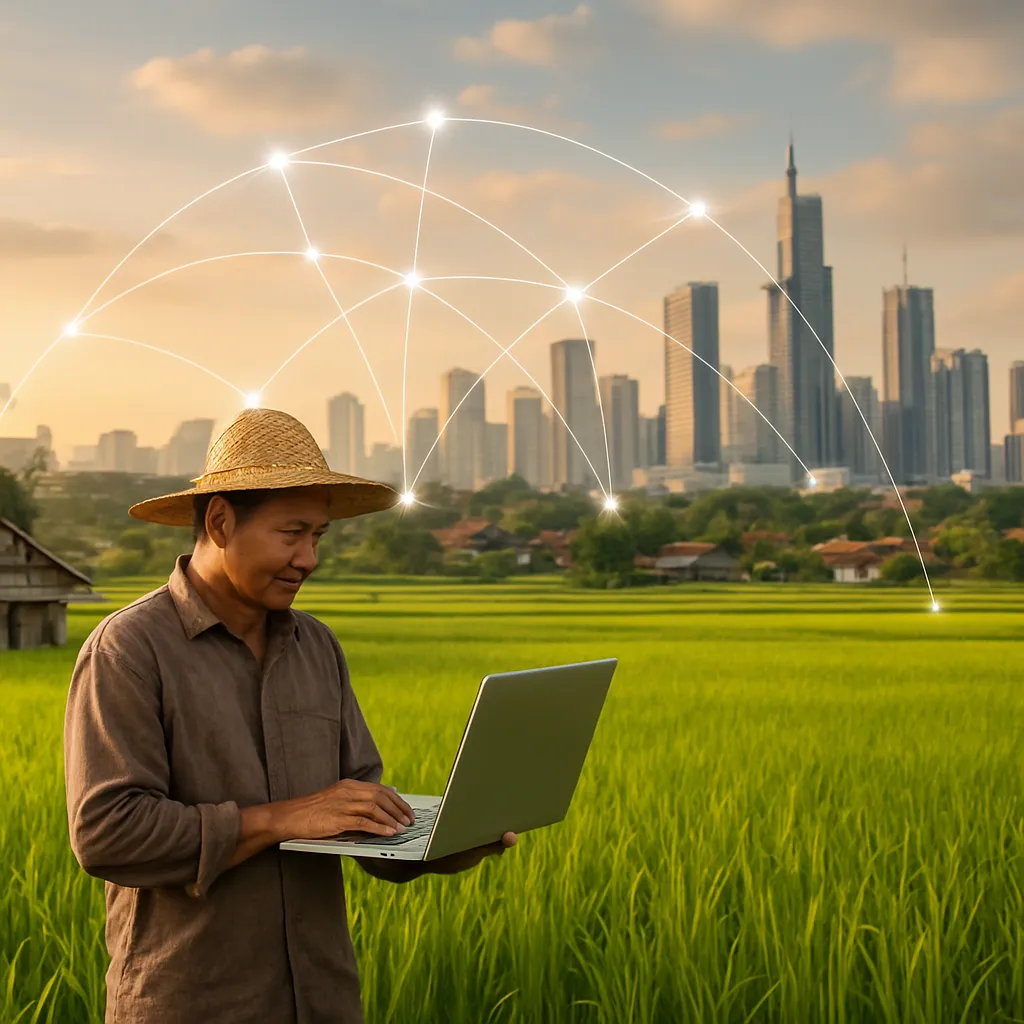
Connecting remote farms with metropolitan demand centers has never been more dynamic, driven by a wave of groundbreaking innovations. From digital marketplaces to intelligent sensors, these tools are reshaping the global agriculture landscape and narrowing the gap between producers and consumers. This article explores how emerging technology is fostering seamless integration between rural and urban markets, elevating both economic opportunity and food security.
Digital Platforms Empowering Farmers
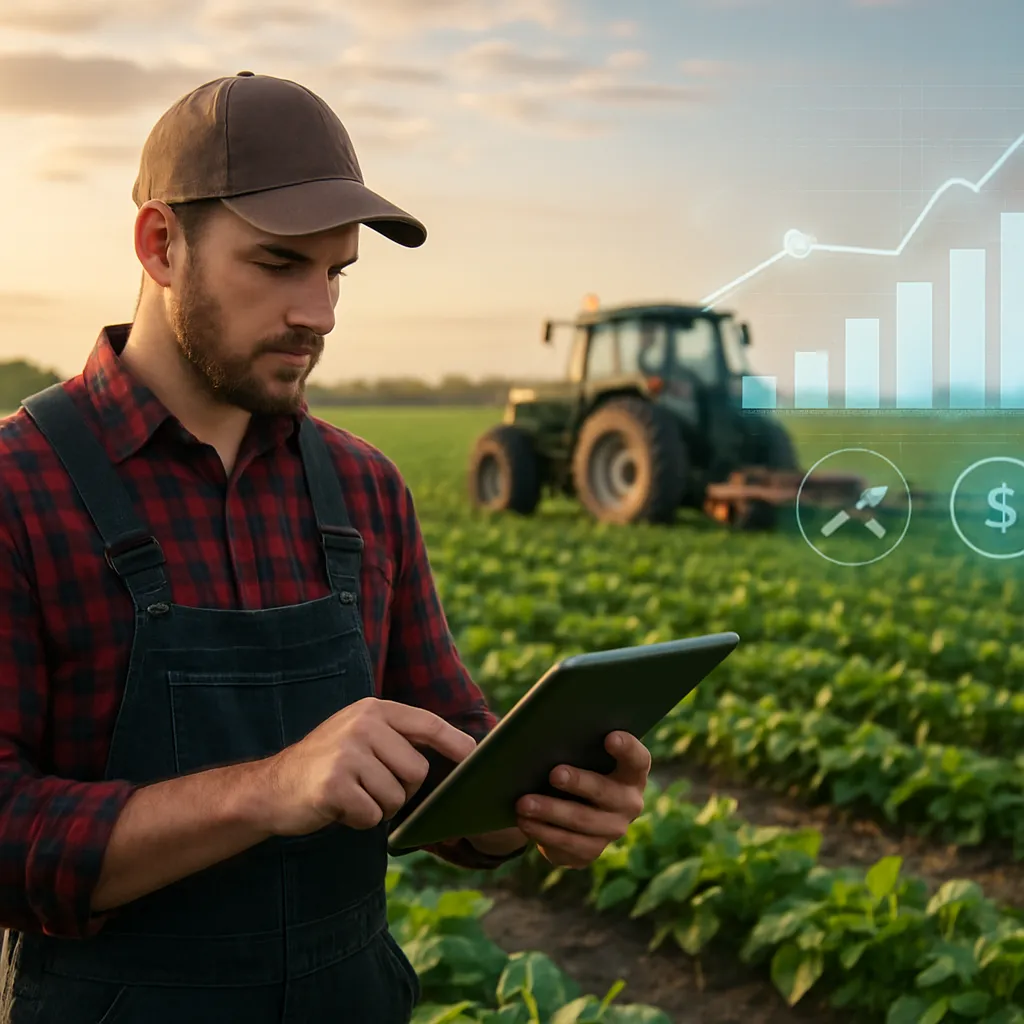
Farmers in remote areas often struggle with limited access to city-based buyers, fair pricing, and real-time market data. The advent of digital platforms is revolutionizing this scenario by delivering direct channels to sell produce, obtain market intelligence, and secure financing.
Online Marketplaces and E-Commerce
Web-based marketplaces tailored for agricultural products are enabling smallholders to reach urban consumers without intermediaries. Key features include:
- Real-time price comparison tools that optimize selling strategies.
- Mobile-friendly interfaces for easy listing of produce batches.
- Integrated logistics coordination to schedule pickups and deliveries.
Platforms such as Farm2Fork and AgroTrade have demonstrated how e-commerce can open lucrative markets for vegetables, fruits, dairy, and meat. By showcasing product quality through photos, certification badges, and customer reviews, farmers secure premium rates while urban buyers gain access to fresh, traceable goods.
Mobile Finance and Agri-Fintech
Securing capital has historically been a barrier for rural entrepreneurs. Innovative agri-fintech solutions now extend microloans, crop insurance, and payment services via smartphones. Features that drive adoption include:
- Digital wallets for instant transactions between farmers and buyers.
- Credit scoring algorithms that analyze farm performance data.
- Insurance modules covering weather risks and pest outbreaks.
These services reduce dependency on informal lenders, mitigate financial risk, and accelerate investment in seeds, fertilizers, and equipment, further strengthening the rural-urban economic link.
Internet of Things and Precision Agriculture
The convergence of sensors, connectivity, and data analytics under the banner of the Internet of Things (IoT) is catalyzing a new era of precision agriculture. By making farms data-driven, farmers can optimize inputs, conserve resources, and boost yields for urban supply chains.
Smart Irrigation and Crop Monitoring
Water scarcity and inefficient irrigation are critical challenges in many rural regions. Smart irrigation systems equipped with soil moisture sensors and weather forecasts enable:
- Automated valve control to deliver precise water volumes.
- Real-time alerts when moisture levels fall below thresholds.
- Data dashboards tracking water usage trends over time.
Case studies in India’s Punjab region show that farmers can reduce water use by up to 40% while increasing crop health scores, directly benefiting urban consumers with reliable produce availability.
Data Analytics for Yield Optimization
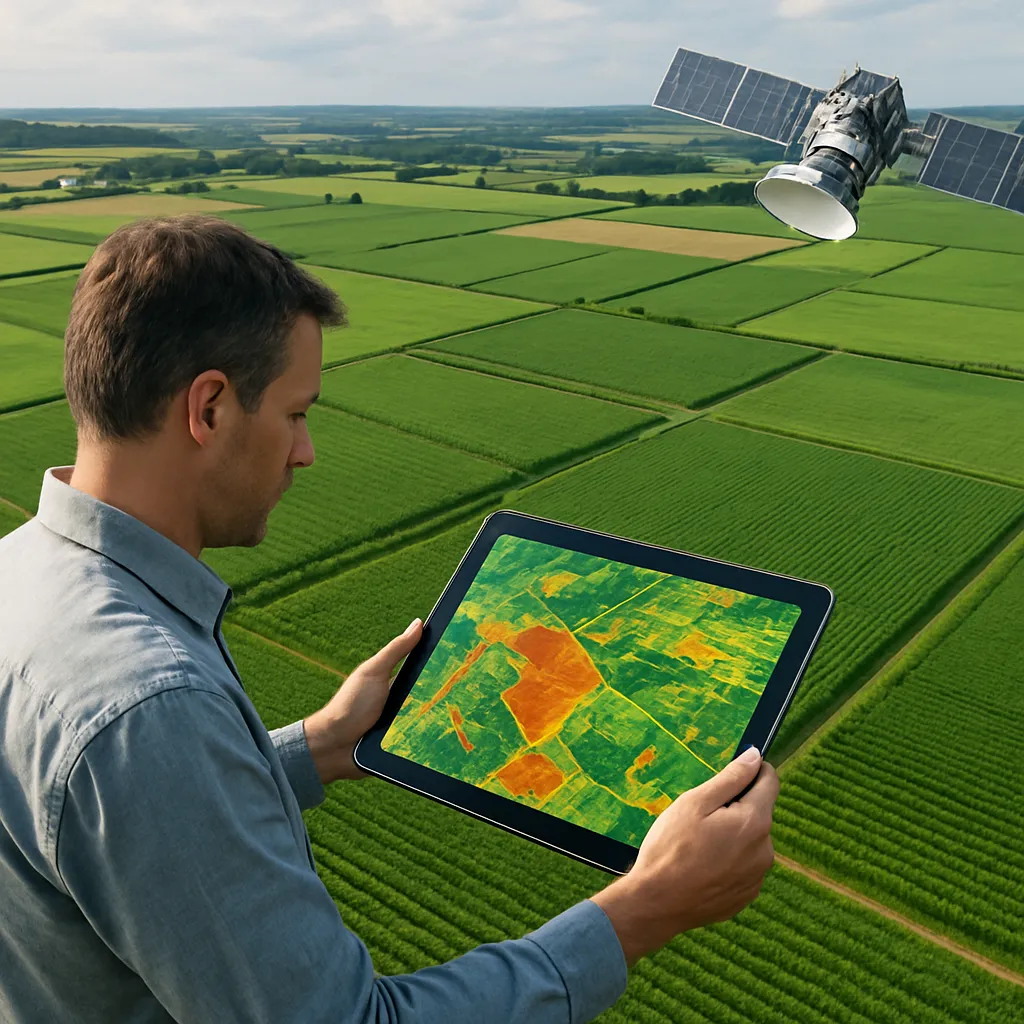
Drones, satellite imagery, and ground-based sensors collect terabytes of agronomic data. Advanced analytics and AI tools process this information to:
- Identify early signs of pest infestations or nutrient deficiencies.
- Generate variable-rate fertilizer and pesticide application maps.
- Forecast optimal harvest windows to align with market demand peaks.
In Brazil, precision agriculture projects show yield improvements of 20–30%. Urban wholesalers benefit from predictable volumes and quality, reducing waste and stabilizing supply chains.
Supply Chain Integration and Traceability
Transparency and trust are paramount for consumers seeking high-quality food. Modern supply chains leverage technology to ensure every step from field to fork is visible and verifiable.
Blockchain for Agricultural Traceability
Blockchain networks are being deployed to record immutable transactions within agri-supply chains. Core advantages include:
- Traceability of products from seed origin to retail shelf.
- Secure verification of organic and fair-trade certifications.
- Immutable audit trails that reduce fraud and enhance consumer confidence.
Pilot programs in Europe and Africa demonstrate how blockchain can cut recall times from days to hours, safeguarding public health and reinforcing buyer trust.
Logistics and Cold Chain Technologies
Maintaining product integrity during transit is crucial, particularly for perishable goods bound for city markets. Innovations include:
- Temperature-controlled containers with IoT-enabled trackers.
- Route-optimization software to minimize delivery times.
- Automated loading systems that reduce spoilage risk.
These solutions not only prevent losses but also open remote regions to export opportunities, as produce meets stringent international standards.
Challenges and Future Directions
Despite remarkable progress, bridging rural and urban markets remains complex. Persistent hurdles encompass:
- Uneven connectivity infrastructure in remote areas.
- Limited digital literacy among smallholder farmers.
- Data privacy concerns and regulatory frameworks lagging behind innovation.
To sustain momentum, stakeholders must invest in rural broadband, provide tailored training programs, and establish interoperable standards that foster collaboration across platforms. Governments, NGOs, and the private sector must work in concert to ensure that technology-driven benefits are inclusive and scalable.
Emerging Innovations Shaping Tomorrow’s Market
The next wave of breakthroughs promises even deeper integration of rural and urban economies. Key trends to watch include:
- Development of low-power wide-area networks (LPWAN) for sensor connectivity in remote fields.
- Expansion of AI-driven market forecasting that aligns planting decisions with consumer trends.
- Deployment of autonomous vehicles and drones to streamline last-mile delivery.
- Adoption of vertical farming and controlled-environment agriculture closer to urban areas, facilitating knowledge transfer back to rural producers.
By harnessing these advancements, stakeholders can drive a more sustainable and resilient global agriculture market, where efficiency, innovation, and equitable opportunity converge for the benefit of all.