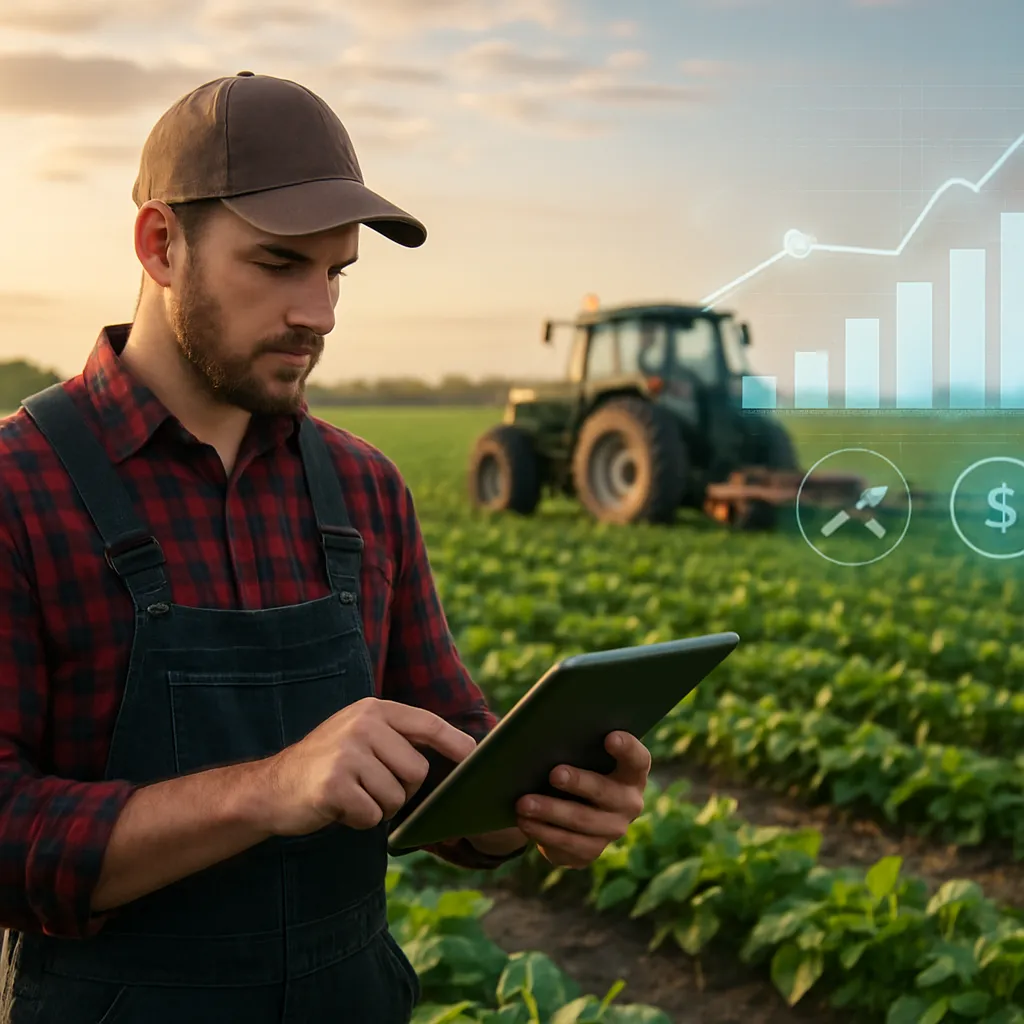
The growing influence of AgriTech investments is transforming traditional farming systems into dynamic, technology-driven networks that address pressing global challenges. Amidst fluctuating commodity prices, climate uncertainties, and shifting consumer preferences, investors are channeling resources toward solutions that promise higher productivity, reduced environmental footprints, and enhanced resilience. This article explores how deepening capital flows and cutting-edge innovations are reshaping the global agriculture market, driving a paradigm shift in food production and distribution.
Investment Trends in the Global Agriculture Market
Over the past decade, the agriculture sector has attracted unprecedented levels of private and institutional funding. Venture capitalists, sovereign wealth funds, and impact investors are particularly drawn to startups that deliver scalable solutions. Key drivers of this influx include rising demand for traceability, increased focus on sustainability, and the urgent need to feed a growing population. Major agricultural technology firms have raised billions in seed rounds and follow-on financing, reflecting confidence in a future where digital tools play a central role.
- Precision irrigation systems that reduce water use and boost crop yield.
- Data platforms that integrate weather, soil, and market analytics.
- Vertical farming ventures that optimize urban food production.
- Biotech initiatives developing resilient seed varieties.
This wave of funding demonstrates a clear shift from solely commodity-based investments toward solutions that align profit with purpose. Investors increasingly evaluate metrics beyond traditional returns, such as carbon sequestration potential and social impact on smallholder communities.
Technological Innovations Driving Change
Today’s agriculture landscape is undergoing rapid digitalization. By combining hardware, software, and advanced analytics, emerging platforms help farmers make real-time decisions that enhance both productivity and environmental stewardship. At the core of this transition are four transformative technologies:
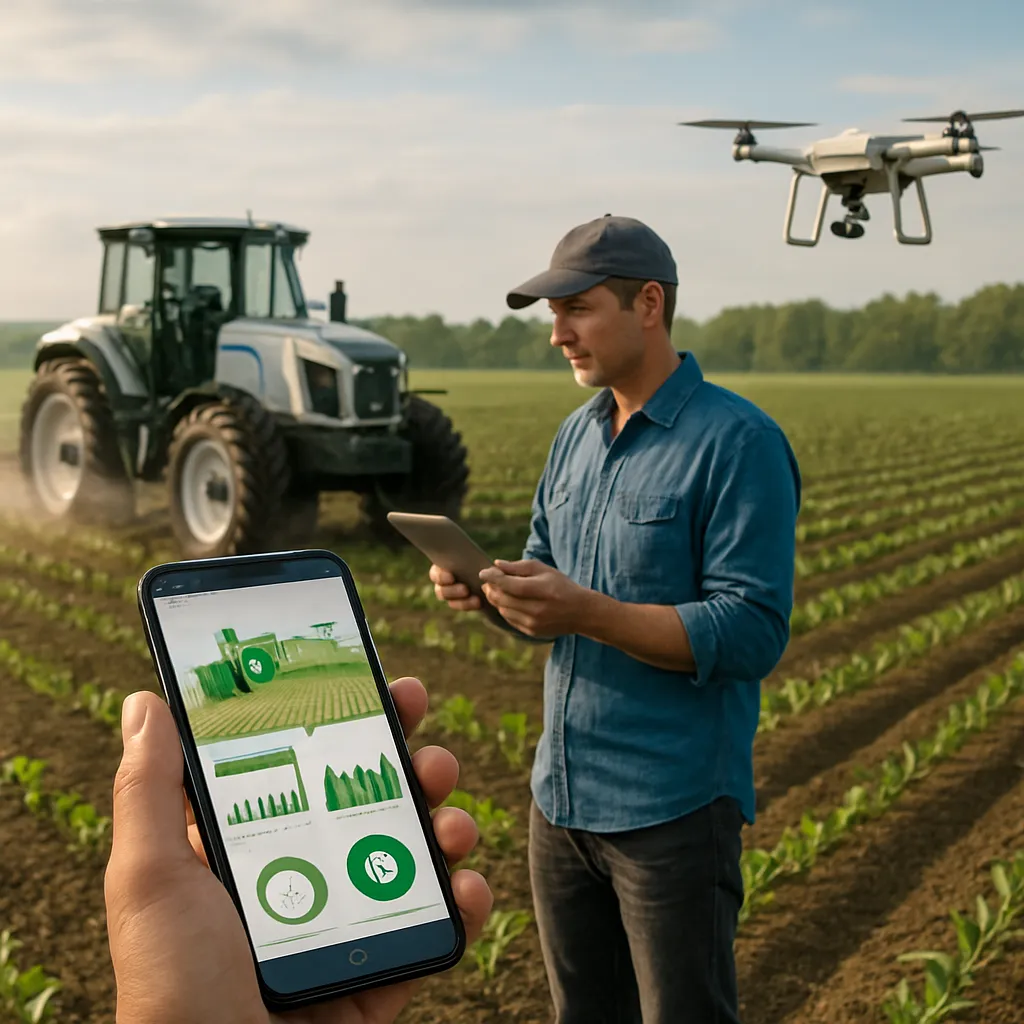
- Precision Farming Tools: Satellite-guided tractors, variable-rate seeders, and automated sprayers adjust inputs to field variability, maximizing efficiency and minimizing waste.
- IoT Sensor Networks: Soil moisture probes, nutrient monitors, and weather stations feed continuous data streams into cloud-based dashboards, enabling predictive maintenance and resource optimization.
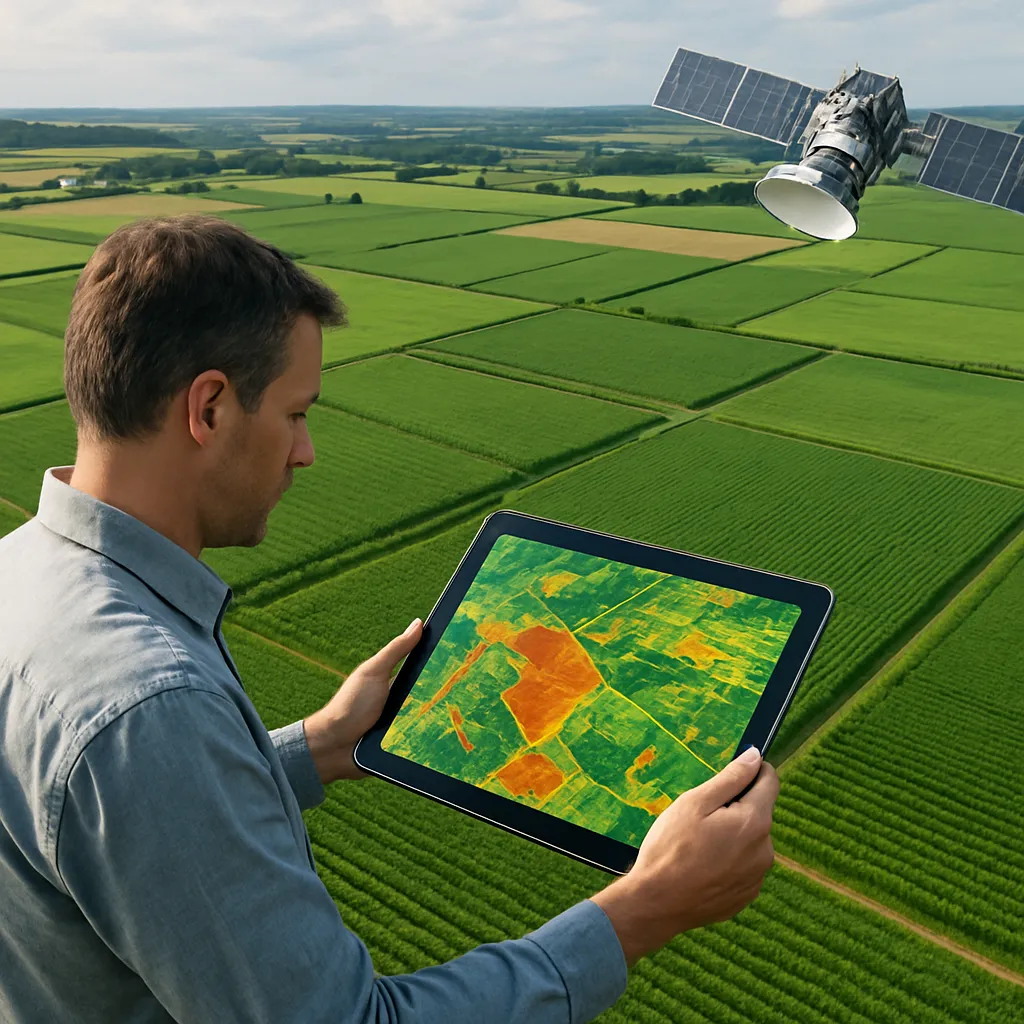
- Artificial Intelligence and Machine Learning: Algorithms analyze imagery from drones and satellites to detect pests, nutrient deficiencies, and disease outbreaks before they spread.
- Robotics and Automation: Autonomous harvesters and sorting robots increase labor productivity while reducing post-harvest losses.
Bioengineering and Genetic Advances
Concurrently, breakthroughs in genetic editing and synthetic biology are unlocking new possibilities for crop improvement. CRISPR-based methods enable precise modifications that enhance drought tolerance, pest resistance, and nutritional profiles. Startups leveraging these tools have attracted substantial investment, reflecting recognition that biological innovations are critical for long-term food security in the face of climate change.
Sustainability and Food Security Impacts
As global awareness of environmental challenges grows, agriculture investors are prioritizing solutions that deliver both economic and ecological benefits. Practices such as regenerative agriculture, agroforestry, and integrated pest management are increasingly supported by digital platforms that monitor carbon footprints and biodiversity indices. This holistic approach aims to balance productivity gains with soil health, water conservation, and ecosystem restoration.
Innovations in supply chain traceability, powered by blockchain and IoT, improve transparency from farm to fork. Consumers can now verify origin, cultivation practices, and transportation conditions, driving market premiums for sustainably produced goods. In parallel, mobile-based finance platforms enable smallholder farmers in developing regions to access credit, insurance, and training, reducing barriers to adoption of modern techniques.
By aligning financial returns with social and environmental outcomes, investors help bridge the gap between resource-rich and resource-poor environments. The result is a more resilient global food system capable of withstanding shocks and delivering nutritious food to underserved populations.
Efficiency Gains and Supply Chain Transformation
Investment in cold chain infrastructure, logistics optimization, and last-mile delivery solutions is revolutionizing how agricultural commodities move across borders. Cold storage facilities powered by solar energy extend shelf life, reduce spoilage, and open new export markets for perishable products. Meanwhile, digital freight platforms match supply with demand in real time, cutting transit times and freight costs.
These advances foster more agile supply networks that can adapt to geopolitical disruptions and climate-driven extremes. By improving traceability and risk management, stakeholders from producers to retailers gain deeper insights into inventory levels and future demand patterns, promoting leaner operations and reduced food waste.
Challenges and Future Outlook
Despite robust funding flows, significant hurdles remain. Regulatory frameworks for novel biotech products vary widely across jurisdictions, creating uncertainties for innovators and investors alike. High initial costs and the complexity of implementing digital tools can deter adoption among small-scale farmers, particularly where internet connectivity is limited.
Moreover, ensuring equitable distribution of technological benefits requires sustained collaboration between governments, NGOs, and private sector actors. Capacity-building programs and public-private partnerships play a critical role in driving inclusive growth. Financial models that blend grants, concessional loans, and equity investments can lower barriers and de-risk early-stage ventures.
Looking ahead, the convergence of agri-digital solutions with emerging fields such as vertical aquaponics, lab-grown proteins, and climate-smart livestock management promises to further diversify investment opportunities. As capital continues to flow, the most successful initiatives will be those that integrate holistic strategies—combining innovation, capital, and stakeholder engagement to create sustainable, resilient, and equitable food systems for the 21st century.