The global pulse and legume sector stands at a pivotal moment as shifting dietary preferences, evolving climate challenges, and dynamic trade policies reshape the agricultural landscape. Producers, processors, and policymakers alike are seeking strategies to harness the potent combination of nutritional value, environmental benefits, and market potential inherent in these versatile crops. This article delves into emerging patterns, production drivers, market access issues, and cutting-edge innovations that define the future of the pulse and legume industry worldwide.
Global Demand Trends
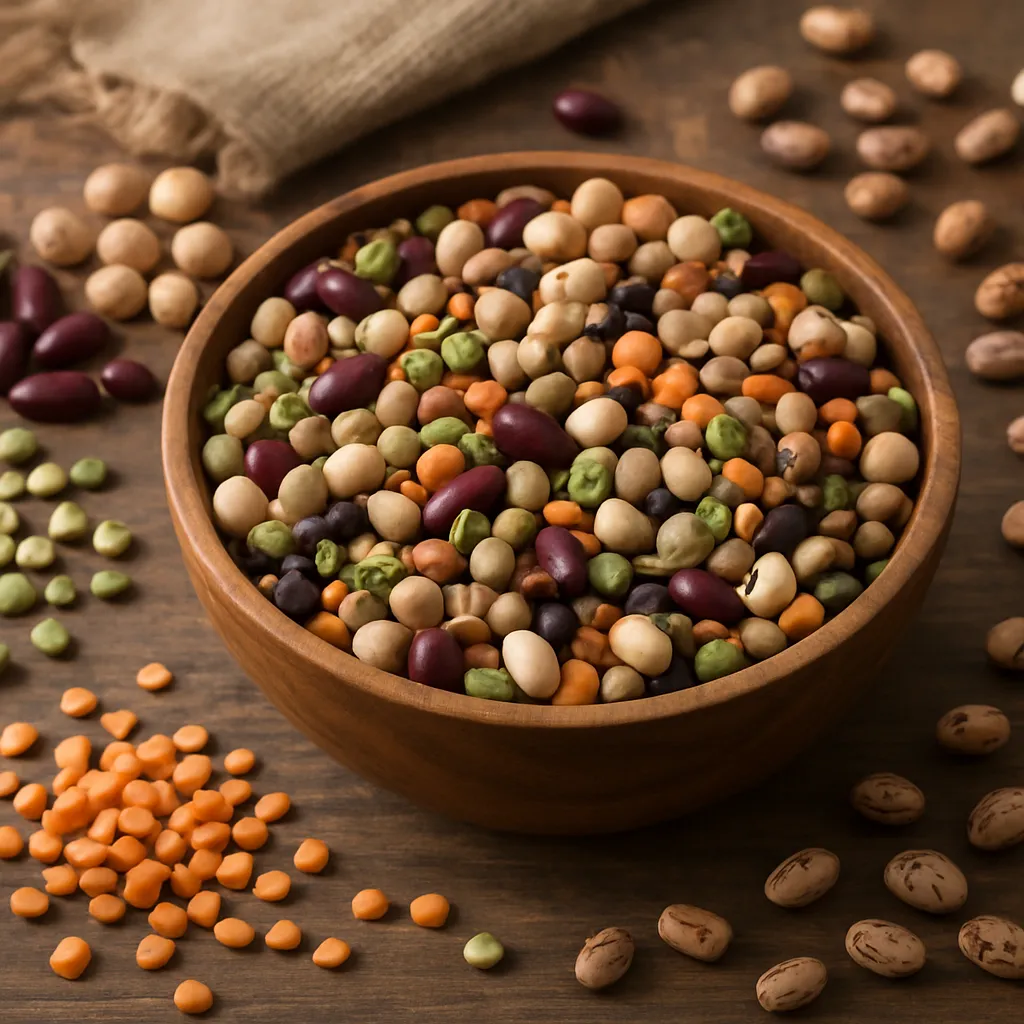
Consumer awareness regarding the health benefits of pulses and legumes has surged over the past decade. Once considered staple foods in certain regions, these crops are now central to protein-centric diets in North America, Europe, and parts of Asia. Several key forces underpin this growth:
- Nutrition consciousness: Rising concerns about obesity, heart disease, and diabetes drive demand for plant-based proteins.
- Flexitarian and vegetarian diets: Shifts toward reduced meat consumption elevate pulses as primary protein sources.
- Functional foods market: Food manufacturers integrate chickpeas, lentils, and beans into snacks, pastas, and beverages.
Asia remains the largest consumer, led by India’s consistent demand for chickpeas and pigeon peas. Meanwhile, demand in Europe rose by over 20% in the last five years, spurred by government campaigns promoting sustainable agriculture and diet diversification.
Production and Supply Dynamics
Global pulse production reached nearly 90 million metric tons in the last season, reflecting a compound annual growth rate of 3.5%. Key producing regions include:
- South Asia: India accounts for nearly 30% of global output, with monsoon-dependent cycles.
- North America: Canada and the United States benefit from mechanization and expansive farmlands.
- Australia: Rapid expansion due to favorable climate and low pest pressure.
However, productivity gains vary widely. In many developing countries, yields remain below global averages owing to outdated agronomic practices and limited access to high-yielding seed varieties. Efforts to enhance production are increasingly focusing on:
- Improved seed genetics: Breeding programs target disease resistance and drought tolerance.
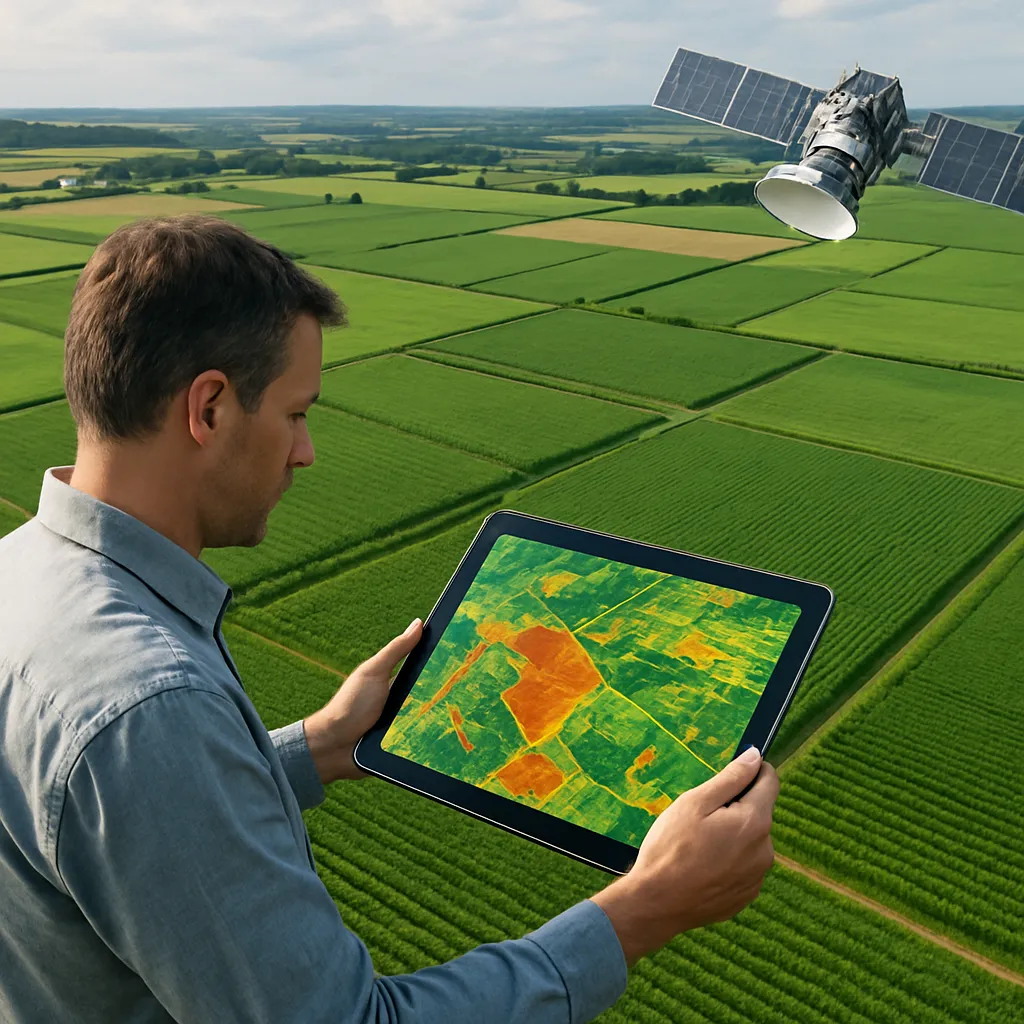
- Precision agriculture: Use of satellite imagery and soil sensors to optimize fertilizer and water use.
- Integrated pest management: Minimizing chemical inputs while maintaining crop health.
Climate Impacts and Adaptation
Changing climate patterns impose both risks and opportunities. Pulses, often lauded for their low water requirements, face more frequent heatwaves and erratic rainfall. Farmers are adopting:
- Drought-resilient cultivars that can withstand dry spells.
- Conservation agriculture techniques such as no-till and mulching to retain soil moisture.
- Crop rotation schemes that leverage legume nitrogen-fixing capabilities, reducing synthetic fertilizer needs.
Trade Flows and Market Access
International trade in pulses has expanded substantially, with annual export volumes surpassing 20 million metric tons. Major exporters include Canada, Australia, Russia, and the United States, while leading importers feature India, China, and various European Union countries. Several factors influence global trade patterns:
- Export policies: Tariffs, quotas, and quality standards directly affect competitiveness.
- Logistics and infrastructure: Efficient port facilities and cold storage are crucial to maintain quality.
- Traceability requirements: Consumer and regulatory demand for transparency in supply chains.
Market access is often hindered by non-tariff barriers such as phytosanitary restrictions and stringent maximum residue limits (MRLs) for pesticides. Collaborative initiatives, including mutual recognition agreements and regional trade blocs, aim to streamline regulatory compliance and bolster export opportunities for smallholder producers.
Innovation and Sustainability Initiatives
Innovation centers around enhancing supply chain efficiency, boosting resilience, and adding value to pulses at every stage. Key developments include:
- Digital platforms connecting farmers directly to buyers, reducing intermediaries.
- Smart contracts using blockchain to verify origin, quality, and transaction history.
- Value addition facilities focusing on milling, dehulling, and packaging near production areas.
On the sustainability front, legumes play a crucial role in regenerative agriculture. Their unique capacity to fix atmospheric nitrogen enriches soil fertility, diminishing reliance on synthetic fertilizers and lowering greenhouse gas emissions. Programs aimed at wide-scale adoption emphasize:
- Agroecological practices that integrate legumes into diverse cropping systems.
- Capacity building for farmers on soil health monitoring and conservation techniques.
- Financial incentives and carbon credit mechanisms rewarding sustainable cultivation.
Research and Development Priorities
Future competitiveness depends on targeted R&D investments. Priority areas include:
- Genomic selection for accelerated breeding of superior varieties.
- Post-harvest technologies to reduce spoilage and maintain nutritional quality.
- Innovative processing methods for creating protein isolates, flours, and texturized vegetable proteins.
Collaboration between public institutions, private enterprises, and farmer cooperatives is essential to translate research breakthroughs into field-level impact.
Emerging Opportunities and Challenges
As the pulse and legume market evolves, stakeholders must navigate complexities while capitalizing on opportunities. Critical considerations include:
- Market diversification to reduce dependency on a few large buyers.
- Investment in cold chain logistics to maintain quality across long-distance shipments.
- Promotion of diversification by introducing underutilized legumes such as lupins and bambara groundnuts to niche markets.
- Strengthening farmer organizations to enhance bargaining power and improve access to finance.
Strategic partnerships and policy support will be instrumental in unlocking new supply routes, attracting private investment, and ensuring equitable growth across the value chain. By aligning commercial objectives with environmental stewardship, the global pulse and legume sector is poised to deliver sustainable nutrition, bolstered rural livelihoods, and resilient agroecosystems in the decades ahead.