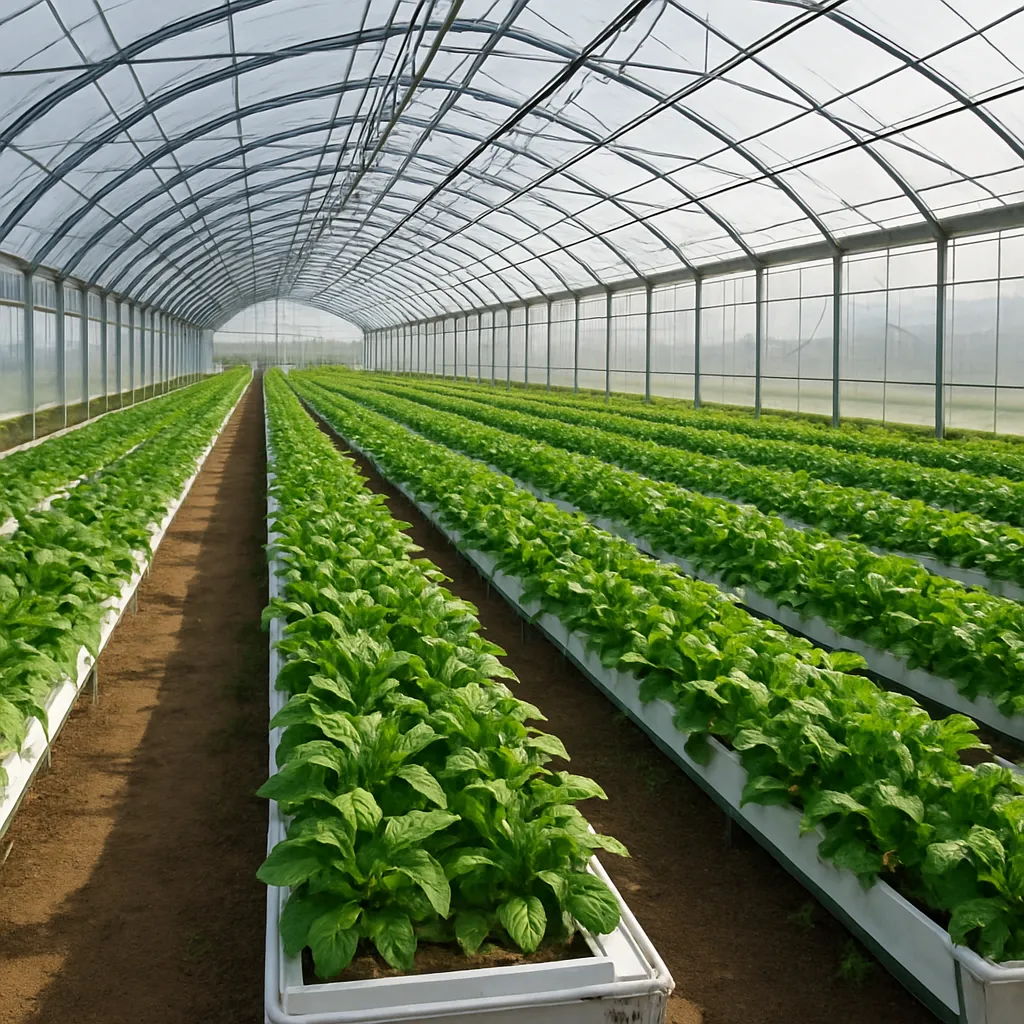
The evolution of greenhouse farming has transcended traditional cultivation methods, positioning itself at the forefront of the global agricultural market. This transformation is driven by advancements in environmental controls, digital tools, and an ever-growing demand for year-round production. As countries strive to secure food supplies, address climatic uncertainties, and reduce resource consumption, greenhouse agriculture emerges as a beacon of modern farming. The following exploration delves into the technological breakthroughs, economic dynamics, and environmental considerations shaping this vibrant sector.
Innovations in Climate-Controlled Environments
In the race to optimize plant growth, greenhouse operators leverage cutting-edge technology to replicate ideal conditions regardless of external weather patterns. Precision in temperature, humidity, and light exposure can increase crop yield by up to 30% compared with open-field farming. Automated systems, such as climate sensors and actuators, ensure consistent performance while reducing labor demands.
Smart Monitoring and Automation
- Internet of Things (IoT) sensors collect real-time data on soil moisture, air quality, and leaf temperature.
- Machine learning algorithms analyze patterns to forecast disease outbreaks and nutrient deficiencies.
- Automated shading and ventilation adjust in response to sudden fluctuations in external climate.
By integrating these systems, growers achieve unprecedented control, minimizing waste and maximizing efficiency. The trend toward remote management platforms also allows farmers to supervise multiple greenhouse sites across continents via cloud-based dashboards.
Advanced Light Solutions
LED lighting has revolutionized artificial illumination in enclosed farms. Adjustable spectra can target specific growth phases—enhancing photosynthesis during vegetative growth and promoting flowering cycles when needed. These lights consume up to 50% less electricity than high-pressure sodium lamps, contributing to more sustainability in operational budgets.
Economic Impacts and Market Dynamics
The global greenhouse sector is experiencing robust expansion, with market analysts projecting a compound annual growth rate (CAGR) of around 12% through 2030. This upward trend is fueled by rising consumer demand for fresh, locally grown produce and the need to reduce supply chain disruptions. Europe and North America remain leaders in high-tech greenhouse installations, while Asia-Pacific exhibits the fastest adoption pace due to growing urban populations.
Cost Structures and Investment Drivers
Initial capital outlays for modern greenhouse infrastructure can be steep. However, long-term returns on investment often outweigh setup costs. Key expenditure categories include:
- Structural components, such as high-tensile steel frames and polycarbonate panels.
- Climate control equipment, including HVAC units, dehumidifiers, and misting systems.
- Digital management platforms facilitating data-driven decision-making.
Public-private partnerships and government subsidies play a pivotal role in reducing financial barriers. In many regions, incentives target projects that incorporate energy-efficient designs, water recycling, and reduced carbon footprints.
Global Supply Chains and Local Production
Greenhouse farming is reshaping agricultural supply chains by enabling off-season cultivation of specialty crops. Tomatoes, cucumbers, and berries once limited by geography can now be produced year-round in greenhouses situated near urban centers. This local approach not only shortens distribution distances but also minimizes post-harvest losses and carbon emissions associated with international shipping. As a result, consumers gain access to fresher produce with lower ecological footprints.
Sustainability and Resource Management
Environmental considerations are central to greenhouse evolution. By design, these structures reduce water usage, optimize nutrient delivery, and protect crops from pests without heavy reliance on chemical pesticides. The latest practices illustrate a commitment to ecological responsibility without compromising productivity.
Water-Saving Techniques
Innovations in hydroponics and aquaponics showcase how recirculating systems can cut water consumption by over 90% compared to conventional methods. In hydroponic setups, nutrient solutions circulate through plant roots in closed loops, drastically reducing runoff and evaporation. Aquaponics combines fish culture with plant growth, creating a symbiotic environment where fish waste provides nutrients for crops and purified water returns to aquatic tanks.
Energy Efficiency and Renewables
Greenhouses traditionally draw significant power for heating, cooling, and lighting. To enhance efficiency, many producers now integrate renewable energy sources such as solar panels and geothermal heat pumps. Advanced insulation materials and energy screens further conserve heat during cold seasons, while thermal batteries store excess warmth for nighttime use. These innovations contribute not only to cost savings but also to broader corporate sustainability goals.
Waste Reduction and Circular Approaches
Zero-waste ambitions are gaining traction through the implementation of circular economy principles. Crop residues and organic waste can be transformed into compost or biochar, enriching soil health in open fields or supporting on-site potting media. Additionally, nutrient runoff is captured and treated, preventing eutrophication in adjacent water bodies. Such strategies ensure greenhouse operations leave a minimal environmental footprint.
Emerging Models: Vertical Farming and Beyond
While conventional greenhouses rely on horizontal layouts, an increasing number of startups are exploring vertical farming as the next frontier. By stacking multiple layers of crops under controlled environments, these operations drastically increase output per square meter. Urban vertical farms are particularly appealing in dense cities with limited arable land.
Integration with Smart Cities
Vertical farms fit seamlessly into mixed-use developments, providing fresh produce to residents and businesses while reducing “food miles.” Collaborations among architects, engineers, and agronomists yield multi-story farms that utilize rooftop solar, rainwater harvesting, and integrated climate controls.
Challenges and Future Directions
Despite their promise, vertical systems face hurdles in energy consumption and complexity of management. Researchers continue to refine LED efficiencies, explore crop varieties optimized for low-light growth, and develop algorithms for real-time resource balancing. Success in these areas could redefine how societies perceive urban agriculture.
Conclusion of Global Trends
Greenhouse farming’s global rise is driven by an intricate blend of technological prowess, economic incentives, and environmental stewardship. From high-tech climate controls to circular resource loops, this sector is pioneering methods that promise increased productivity with reduced ecological impact. As stakeholders collaborate across disciplines, the greenhouse revolution will continue to shape the future of food, affirming its vital role in the expanding global market for sustainable agriculture.