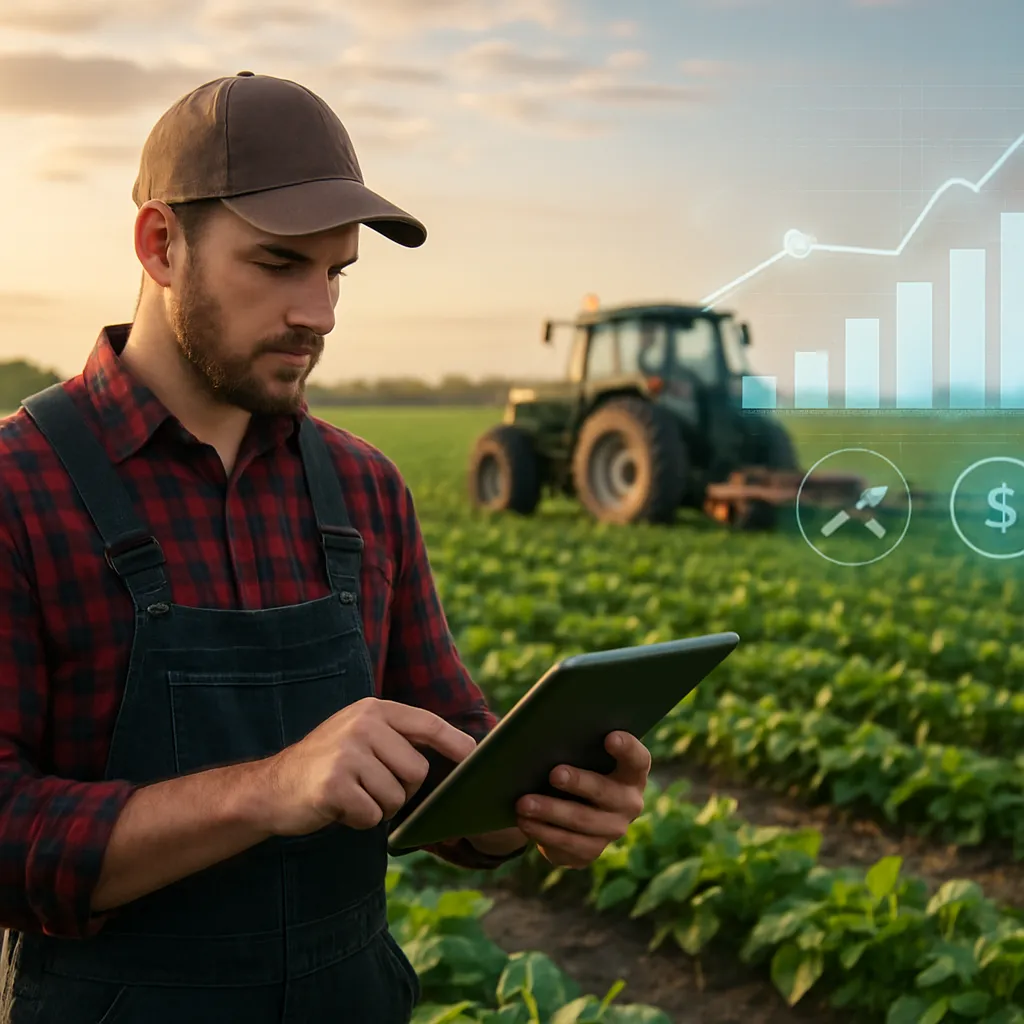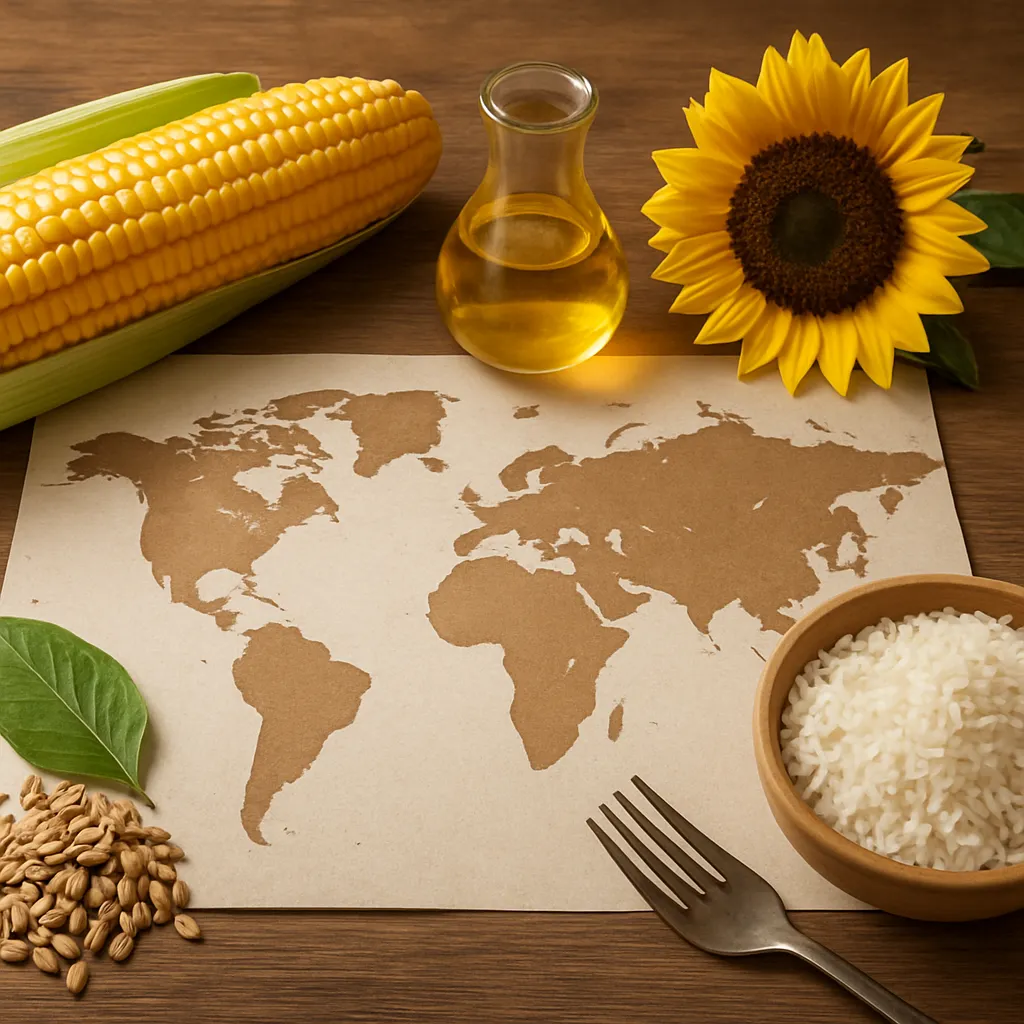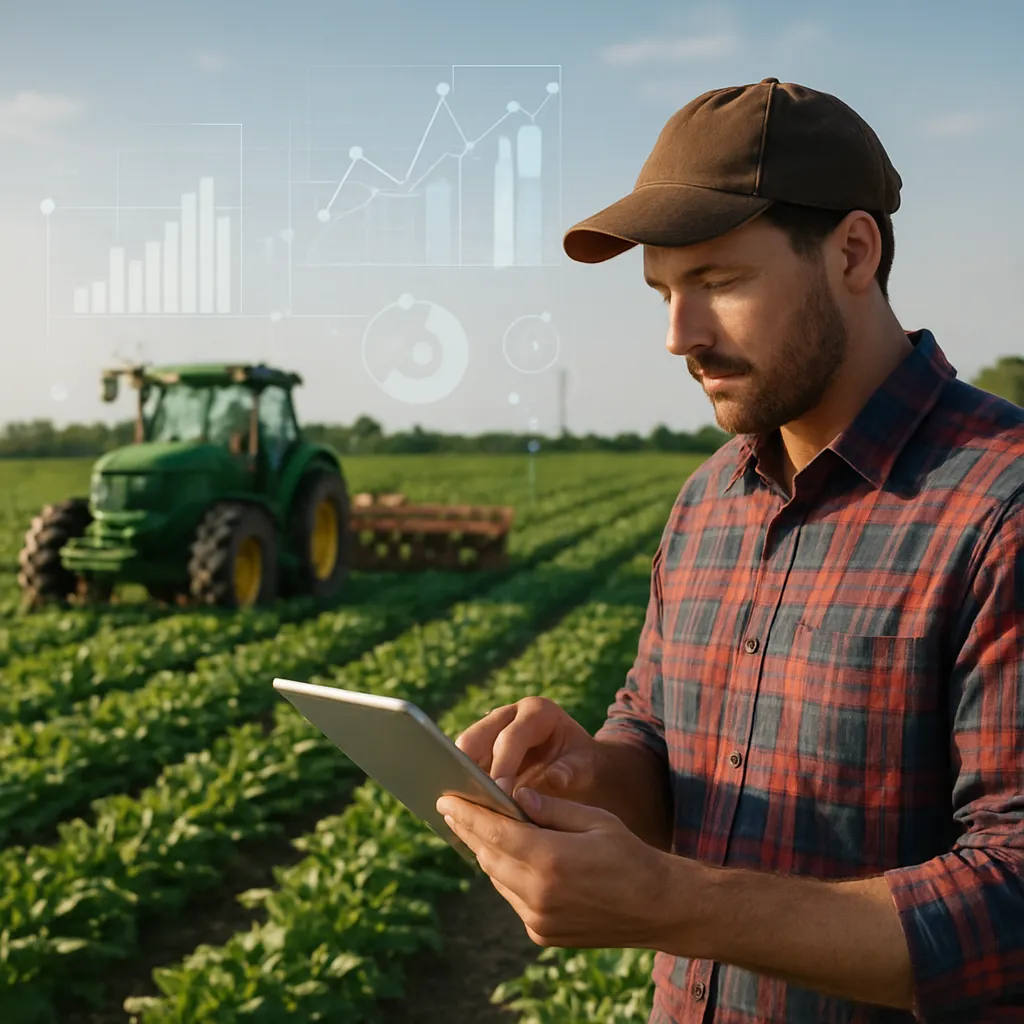
The global agricultural sector is experiencing a paradigm shift as stakeholders harness data-driven insights to navigate market complexities, address climate challenges, and boost farm productivity. By integrating advanced technologies across planting, harvesting, and distribution, farmers and agribusinesses can unlock significant value from real-time information. This article explores how modern agriculture global market dynamics are shaped by the convergence of cutting-edge tools, robust analytics, and sustainable practices.
Data Analytics in Crop Management
Effective crop management relies on processing vast amounts of field data—soil properties, weather patterns, pest incidence—to inform timely decisions. Through scalable cloud platforms and on-site edge devices, farms can transform raw measurements into actionable recommendations. Such analytics not only maximize productivity but also reduce input costs by tailoring treatments to specific zones. The rise of commercial services offering subscription-based data platforms further democratizes access, enabling even smallholders to benefit from predictive insights.
Precision Farming with Sensor Networks
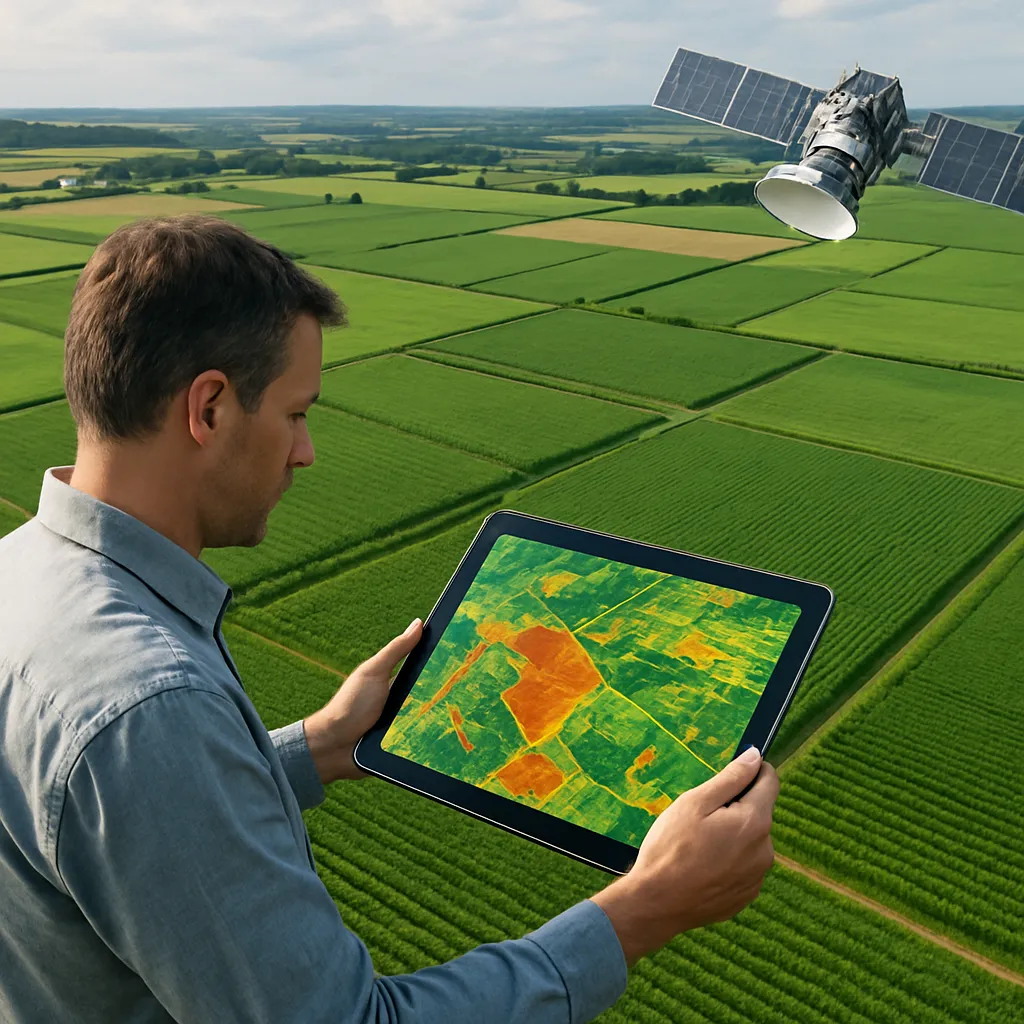
Deploying an array of soil moisture sensors, weather stations, and aerial drones creates a dense information fabric. Each device contributes to a granular understanding of field conditions, allowing farmers to implement precision irrigation, variable-rate fertilization, and targeted pesticide application. Key advantages include:
- Reduced resource waste through localized applications
- Improved crop health via early stress detection
- Enhanced labor allocation by automating routine tasks
These outcomes translate into stronger resilience against erratic weather events and unprecedented pest pressures.
Predictive Modeling for Yield Optimization
Machine learning algorithms sift through historical harvest records and external data—satellite imagery, topography maps, commodity price trends—to forecast potential yields. Growers can then adjust planting density, variety selection, or harvest timing to stabilize output. The predictive layer also evaluates risk scenarios, guiding investment decisions in seed genetics or equipment upgrades. Ultimately, this fosters higher yield consistency and safeguards profitability.
Smart Supply Chains and Market Dynamics
Traditional supply chains often suffer from inefficiencies: spoilage due to delayed handling, lack of transparency on origin, and unpredictable price fluctuations. Integrating digital tracking, real-time logistics, and dynamic pricing algorithms addresses these pain points. Farmers, processors, and retailers collaborate on unified platforms where every movement is recorded, monitored, and analyzed.
Dynamic Pricing and Demand Forecasting
Advanced models combine weather forecasts, consumption trends, and geopolitical indicators to anticipate market demand. Retailers can adjust order volumes in near real time, while producers decide which crops to allocate to different sales channels. This approach not only reduces waste but also stabilizes revenue streams amidst volatile commodity markets.
Cold Chain Optimization
Maintaining optimal temperature and humidity levels from farm gate to consumer shelf is vital for perishable goods. Smart IoT sensors embedded in containers relay continuous status updates, triggering alerts when thresholds breach safe limits. These systems empower operators to intervene early, ensuring product quality and extending shelf life.
Technologies Empowering Sustainable Practices
As environmental concerns and regulatory pressures tighten, agriculture must pursue sustainability while meeting growing food demands. Emerging technologies pave the way for regenerative approaches that protect ecosystems, restore soil health, and minimize carbon footprints.
Internet of Things and Artificial Intelligence Integration
Linking thousands of field devices to AI-driven analytics creates a self-optimizing farm ecosystem. For instance, autonomous tractors and robotic harvesters communicate with central platforms to adapt operations on the fly. By learning from each operation, these machines refine their actions to enhance efficiency and reduce environmental impact.
Blockchain for Traceability and Fair Trade
Distributed ledger solutions guarantee tamper-proof records of every transaction, from seed sourcing to final sale. Consumers gain visibility into product origins, reinforcing trust in fair labor practices and organic certification. Similarly, financiers and insurers leverage transparent supply chain data to extend credit or coverage under favorable terms, nurturing farmer resilience.
Financial Models and Investment Trends
Innovative financing structures are emerging to support technology adoption and risk-sharing across the agricultural value chain. Impact investors, development banks, and agritech startups collaborate on tailored loan products, revenue-sharing agreements, and crop insurance that hinge on real-time performance metrics.
Result-Based Financing
Under this model, payments to producers or service providers are tied to predefined outcomes—yield thresholds, emission reductions, or soil organic matter improvements. Digital verification through satellite data and in-field sensors ensures transparency and accountability, making funding more accessible to small-scale operators.
Agri-Focused Venture Capital
Global venture funds increasingly recognize the agriculture sector’s potential for scalable returns. Investments flow into seed-to-shelf platforms, biotech firms innovating stress-tolerant crops, and marketplaces connecting farmers with global buyers. Such capital infusions accelerate innovation cycles and broaden the reach of transformative solutions.
Regional Insights and Global Implications
While developed economies concentrate on automation and high-end analytics, emerging markets leverage mobile-based advisory services and satellite-driven yield forecasts. Bridging the digital divide remains a top priority for agencies seeking to uplift livelihoods and ensure food security across diverse climates and socioeconomic contexts.
- In North America and Europe, large-scale farms adopt robotics and AI at pace, driving economies of scale.
- Sub-Saharan Africa sees mobile apps delivering localized weather alerts and market price updates to smallholder networks.
- Asia-Pacific trade corridors integrate blockchain-backed documentation to streamline cross-border agri-exports.
Collectively, these regional efforts feed into a more connected and transparent global food system, reinforcing supply chain integrity and fostering shared prosperity.
Future Outlook for Global Agriculture
As the sector evolves, collaboration between tech providers, policymakers, and farming communities will be crucial. Open data initiatives and interoperable platforms can break down silos, fostering innovation clusters around profitability and ecological stewardship. The next decade promises an era where robust resilience to climate shocks and equitable market access define success across the agricultural landscape.