Global agriculture has witnessed dramatic shifts in recent years as economies around the world grapple with unprecedented disruptions. From financial crises to pandemics and extreme weather events, the sector has faced multiple shocks that tested its capacity to adapt. This article examines the pathways through which agricultural exports have navigated these turbulence, highlighting the keys to revitalizing trade, bolstering resilience, and ensuring long-term growth in a complex global market.
Market Dynamics and Impact of Economic Shocks
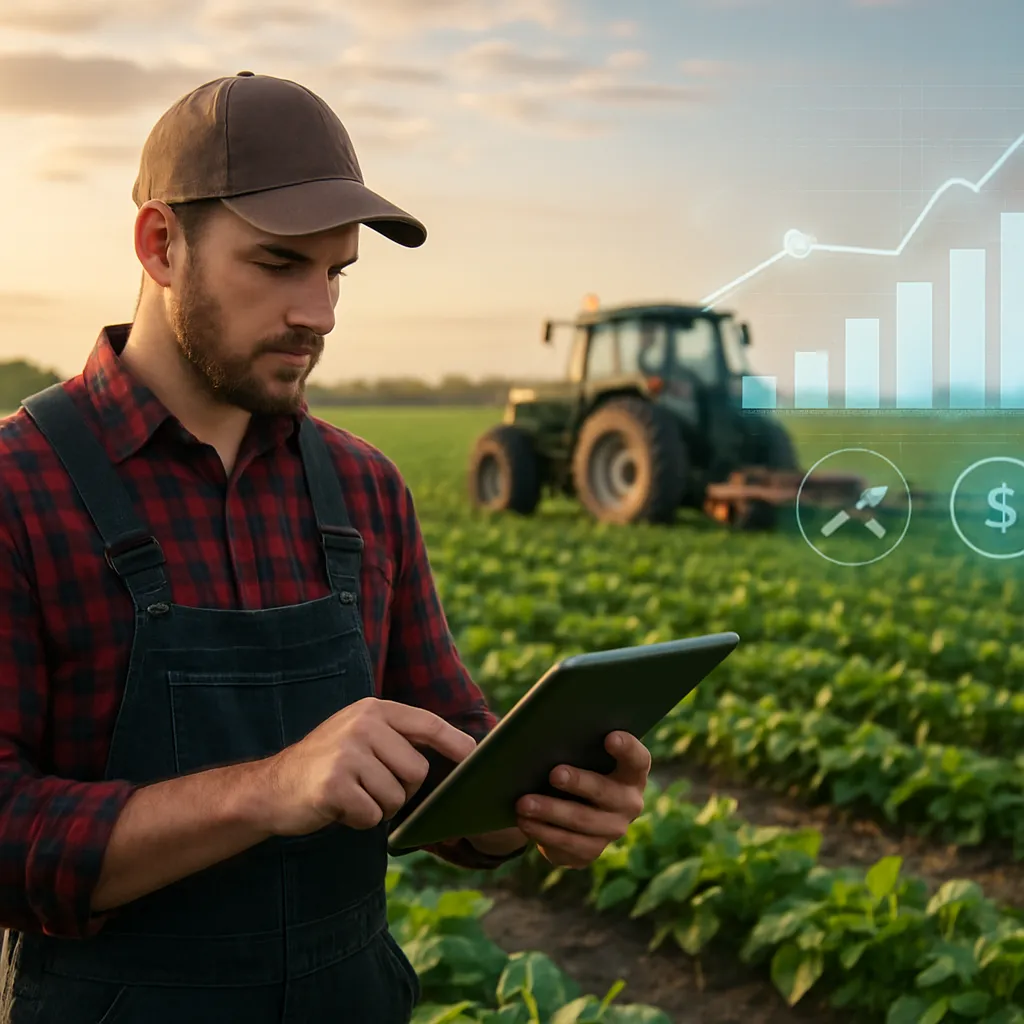
A sudden downturn in consumer demand, currency fluctuations, or supply bottlenecks can send shockwaves across the agri-trade network. When major importers curb purchases, export-oriented producers must scramble to find alternative destinations for their crops. Meanwhile, fluctuating commodity prices erode profit margins, often forcing smallholders out of business. Central to these disruptions are fragile supply chains that lack redundancy and transparency. Without real-time data on transit times, storage conditions, and quality metrics, exporters cannot respond effectively to delays at ports or border closures.
Another critical factor is the concentration of trade flows. A handful of countries account for the lion’s share of exports in staples such as wheat, corn, and soybeans. When a severe drought hits one of these major producers, global availability can plummet, driving prices sky-high and harming food-importing economies. At the same time, logistic constraints—like insufficient storage facilities and outdated transport networks—compound the problem, leading to spoilage and missed sales opportunities.
Despite these challenges, some exporters have leveraged market volatility to their advantage. By closely monitoring futures markets, diversifying contract portfolios, and securing flexible shipping arrangements, forward-looking firms can mitigate downside risks. Such adaptive behavior underscores the importance of robust risk-management frameworks that combine financial hedging tools with operational agility.
Strategies for Strengthening Export Performance
Rebounding from an economic shock requires a multi-pronged approach that touches on production, logistics, and market outreach. Producers are increasingly embracing diversification of both crops and export destinations. Planting a mix of cereals, pulses, and oilseeds helps balance revenues when one commodity suffers a price collapse. Likewise, exploring emerging markets in Southeast Asia, Africa, and the Middle East can reduce dependency on traditional buyers in Europe and North America.
Key strategic actions include:
- Implementing quality assurance schemes and certification programs to access premium markets.
- Investing in cold-chain infrastructure to preserve perishable goods during transit.
- Forging public-private partnerships to finance rural roads, ports, and rail links.
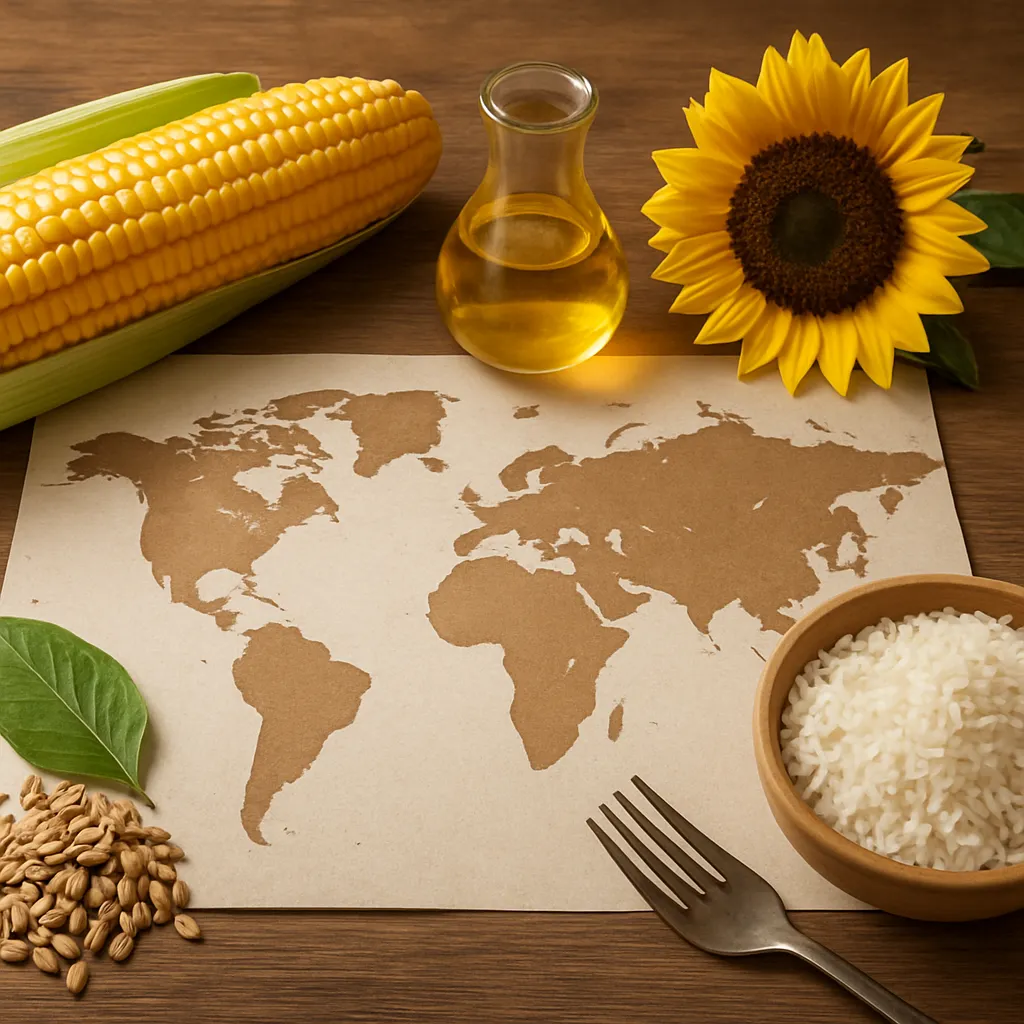
- Expanding value-added processing capacity, such as milling grains or extracting plant oils, to capture higher margins.
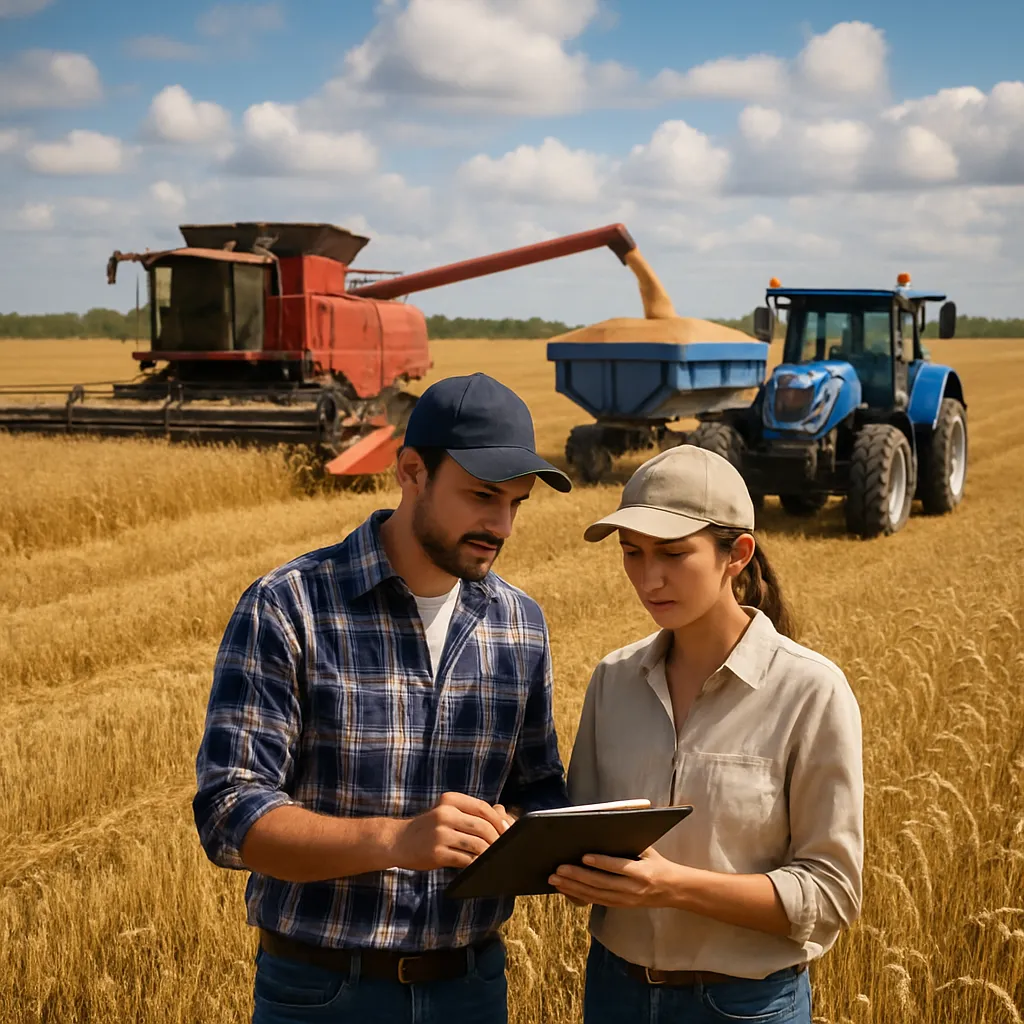
In addition, exporters are forming alliances and cooperatives to strengthen bargaining power. Pooling resources allows small and medium enterprises to share warehousing, negotiate volume discounts on shipping, and jointly market their products under a unified brand. This collective action also provides a platform for knowledge sharing on best practices in agronomy, pest control, and sustainable land management.
Role of Technology and Innovation
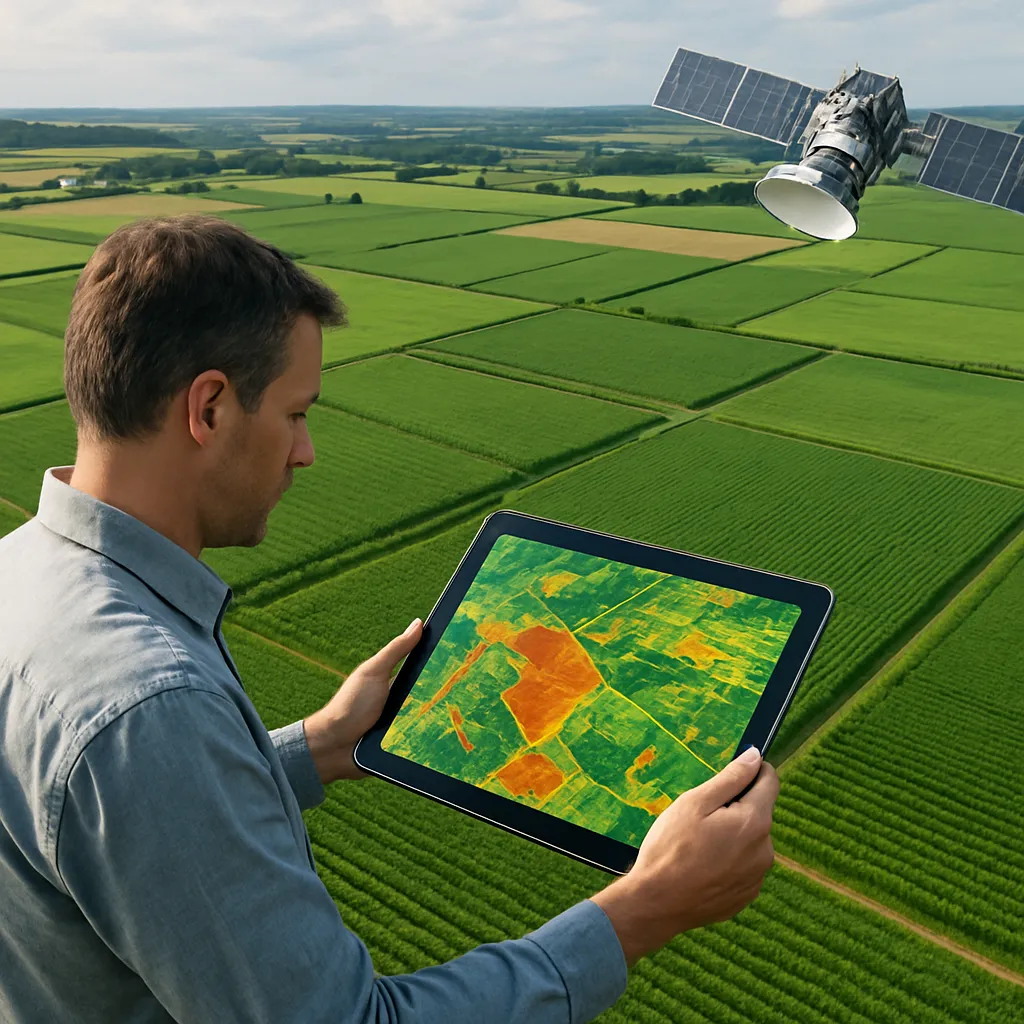
Emerging technologies play a transformative role in streamlining export processes and improving farm productivity. Precision agriculture tools—drone-based field mapping, soil moisture sensors, and satellite imagery—provide real-time insights on crop health, enabling targeted interventions that conserve inputs and boost yields. These data-driven approaches support more reliable forecasting, which is essential for meeting contractual commitments to overseas buyers.
Blockchain platforms are also revolutionizing traceability. By recording every transaction along the value chain on an immutable ledger, exporters can prove origin, certify non-GM status, or verify organic practices. This level of transparency satisfies consumer demand for ethical products and reduces the risk of fraud. Meanwhile, digital marketplaces are connecting farmers directly with international importers, cutting out intermediaries and lowering transaction costs.
Innovation is not limited to on-farm activity. Automated sorting machines, robotic packers, and AI-driven quality control systems are accelerating throughput at processing facilities. These advancements reduce post-harvest losses and ensure compliance with stringent phytosanitary standards. They also enable producers to scale operations without a linear increase in labor costs, fostering competitiveness in price-sensitive markets.
Policy Reforms and International Cooperation
Effective policy frameworks can catalyze the agricultural export recovery by removing trade barriers and promoting investment. Tariff reductions, streamlined customs procedures, and harmonized standards under bilateral and regional trade agreements lower the cost of market entry. Governments can further support exporters through targeted incentives, such as tax rebates on qualifying capital equipment or subsidized interest rates for export loans.
Beyond unilateral measures, multilateral cooperation is vital. International agencies and donor organizations are facilitating capacity building in developing countries, providing technical assistance in areas like pest surveillance, post-harvest handling, and climate-smart farming. Such programs enhance local resilience and indirectly stabilize global supply volumes.
Climate change adaptation policies are another pillar. Insurance schemes that compensate farmers for yield losses due to extreme weather, along with investment in drought-resistant seed varieties, increase overall sector resilience. Concurrently, environmental regulations—while necessary for sustainability—must be designed to avoid unjustified trade restrictions that could hamper exports. A balanced approach ensures that ecological goals and commercial interests progress in tandem.
In the realm of international diplomacy, establishing food security corridors during crises can maintain uninterrupted flows of critical staples. Memoranda of understanding between exporting and importing countries can guarantee minimum supply volumes, fostering trust and reducing panic-driven market swings.
Building a Future-Ready Agri-Export Sector
Long-term recovery hinges on nurturing a culture of continuous innovation and strategic flexibility. Embracing circular economy principles—recycling agricultural residues for bioenergy or organic fertilizers—reduces waste and adds new revenue streams. Strengthening farmer education programs ensures widespread adoption of cutting-edge practices, while digital extension services bridge gaps in remote regions.
Ultimately, the global agri-export landscape will remain vulnerable to unpredictable shocks. Yet, by investing in infrastructure, enhancing market intelligence, and forging resilient alliances, stakeholders can craft a robust architecture for enduring growth. The convergence of public will, private ingenuity, and international solidarity will be the driving force behind a revitalized export network capable of feeding the world, even in the face of adversity.