The intricate web of cross-border trade has a profound impact on the fluctuation of global crop prices. As nations navigate complex treaties, logistical frameworks, and shifting consumer demands, the agricultural sector often finds itself at the epicenter of economic, political, and environmental forces. Analyzing how these factors interact is essential for stakeholders ranging from farmers and traders to policymakers and consumers worldwide.
Market Dynamics and Price Formation
At the core of international agricultural commerce lies the delicate balance between supply and demand. When countries export or import staple commodities such as wheat, corn, rice, or soybeans, even minor shifts can cascade across global markets:
- Supply Shocks – Natural disasters, pest outbreaks, or droughts in one region can tighten global availability, driving up prices.
- Demand Surges – Rapid population growth and changes in dietary preferences, especially in emerging economies, increase consumption levels.
- Speculative Activity – Financial instruments and commodity futures trading can amplify price swings, contributing to market volatility.
Price formation is often influenced by long-term contracts negotiated under free trade agreements. These pacts reduce uncertainties by standardizing rules on quotas and tariffs, yet unanticipated events—such as geopolitical conflicts—can swiftly alter trader expectations.
Tariffs, Subsidies and Trade Barriers
Governments routinely deploy fiscal tools to protect domestic producers or to pursue strategic objectives. Such measures dramatically shape the international pricing landscape:
- Tariffs and Import Duties – By imposing additional costs on foreign goods, importing countries make domestic produce more competitive, thereby shifting the global price equilibrium.
- Subsidies – Export subsidies provided by rich nations can lead to artificially low prices abroad, often sparking trade disputes and retaliatory measures.
- Quotas and Embargoes – Quantitative limits on exports or total bans can create shortages in importing markets, inflating local prices and incentivizing black-market trade.
These interventions are a double-edged sword: while they may temporarily stabilize local markets, they can also trigger inefficiencies, distort resource allocation, and reduce incentives for yield optimization through innovation.
Infrastructure, Logistics, and Supply Chains
Efficient transport corridors and storage facilities are indispensable for minimizing post-harvest losses and ensuring timely delivery. However, infrastructural gaps in many developing regions exacerbate price disparities:
- Port Congestion – Delays at major maritime hubs can create bottlenecks, forcing traders to absorb demurrage costs or shift to less efficient routes.
- Inland Transport – Poor road and rail connectivity raises freight charges, which are ultimately passed along to end consumers.
- Storage and Processing – Inadequate silos or refrigeration systems lead to spoilage, effectively reducing the usable supply and exerting upward pressure on prices.
International investment programs that fund rail links or modern silos can ease these constraints, promoting smoother flows of agricultural commodities and helping to moderate extreme price spikes.
Currency Fluctuations and Exchange Rates
Foreign exchange movements are a silent driver behind many cross-border price changes. A weaker currency can make exports cheaper on the global market but render imports more expensive, affecting domestic inflation rates:
- Appreciation – When an exporting country’s currency strengthens, its crops become pricier for international buyers, potentially reducing market share.
- Depreciation – Conversely, a weaker currency encourages exports but heightens the cost of imported inputs such as fertilizers and machinery.
- Hedging Instruments – Traders and agribusinesses increasingly use forward contracts or currency swaps to manage this risk, though such tools come with their own costs.
Currency volatility also impacts government decisions on reserve levels and interest rates, which in turn influence financing available for agricultural investments.
Climate Change, Sustainability and Long-Term Prices
Extreme weather events and shifting climatic patterns are reshaping the map of productive farmland. The increasing frequency of floods, droughts, and heatwaves compels stakeholders to rethink traditional cropping cycles and adopt climate-resilient practices:
- Crop Diversification – Rotating a variety of species and cultivars reduces risk and can stabilize yields over time.
- Irrigation and Water Management – Investments in efficient irrigation systems help buffer farms against low-rainfall periods.
- Sustainable Certifications – Labels such as organic or fair-trade allow producers to command premium prices, offsetting higher production costs.
While short-term price spikes due to weather extremes are unavoidable, coordinated research initiatives can foster agricultural innovations that smooth out price trends in the long run, bolstering food security for vulnerable populations.
Policy Interventions and Global Coordination
Recognizing the interconnected nature of food markets, international organizations and national governments have developed frameworks to address price instability:
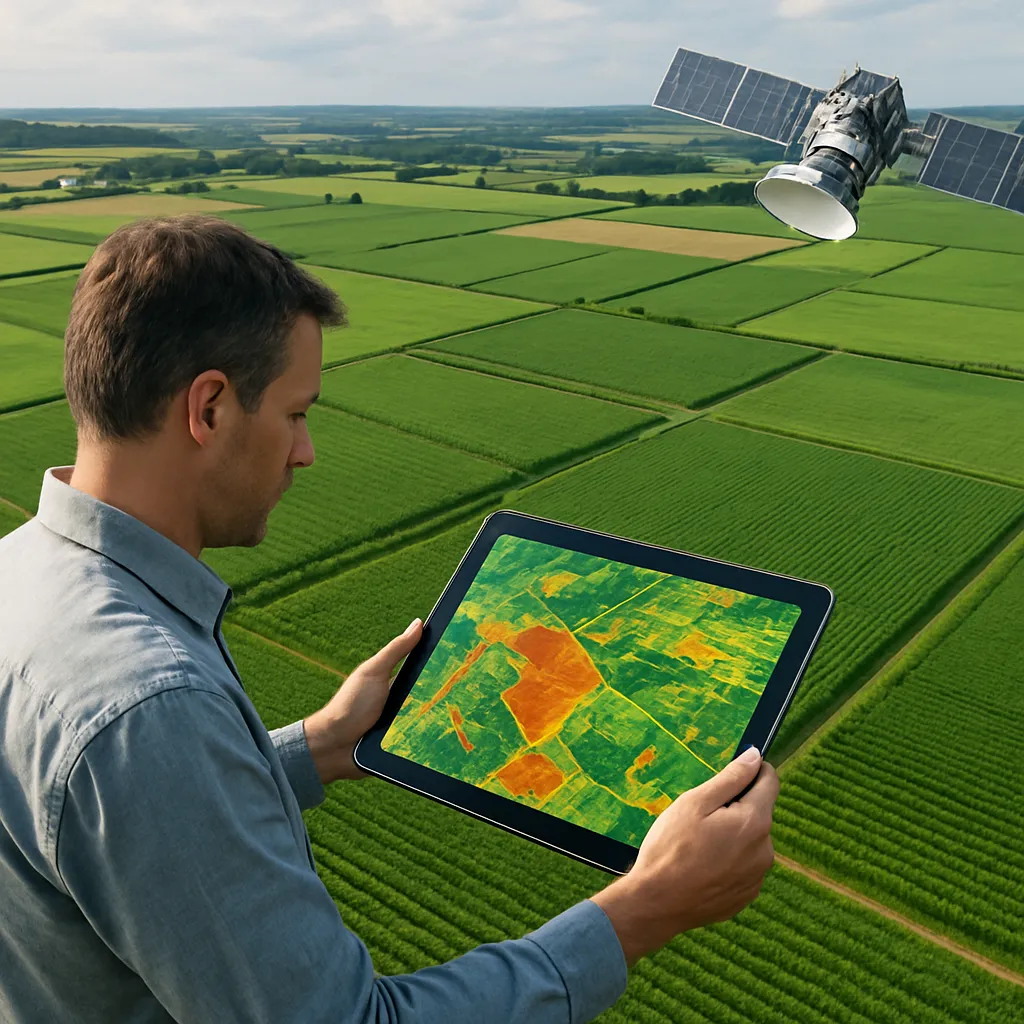
- Early Warning Systems – Real-time data on crop health and shipping statuses alert stakeholders to emerging supply disruptions.
- Safety Nets – Food reserves and strategic grain banks offer temporary buffers during acute shortages.
- Multilateral Forums – Bodies such as the World Trade Organization (WTO) and the Food and Agriculture Organization (FAO) facilitate negotiations on tariff reductions and best farming practices.
Ultimately, a balance must be struck between free-market mechanisms and targeted policy support that protects the most vulnerable without discouraging private investment or innovation. By harmonizing regulations and investing in resilient supply chains, the global community can better manage price fluctuations while fostering equitable growth.