The interplay between global climate ambitions and agricultural strategy is critical for shaping a resilient and productive food system. As nations strive to meet emissions targets under multilateral agreements, agricultural stakeholders must balance productivity goals with environmental stewardship. This article examines the evolution of international climate policies, explores adaptive farming practices, evaluates market mechanisms, and highlights avenues for effective collaboration among public and private actors.
Global Climate Policy Landscape and Agricultural Implications
Since the adoption of the Paris Agreement in 2015, countries worldwide have committed to reducing greenhouse gas emissions. Agriculture accounts for a significant share of anthropogenic emissions, driven by land-use change, enteric fermentation, and synthetic fertilizer application. The policy instruments shaping this sector include nationally determined contributions (NDCs), carbon pricing schemes, and regulatory frameworks aimed at promoting mitigation and adaptation.
Key International Frameworks
- Paris Agreement: Sets collective goals to limit global warming to well below 2°C, urging member states to integrate agriculture in their NDCs.
- UN Sustainable Development Goals (SDGs): Especially SDG2 (Zero Hunger) and SDG13 (Climate Action) emphasize the need for sustainable food production systems.
- Green Climate Fund: Provides resources for climate-resilient agriculture projects in developing countries.
Policies that incentivize reforestation, soil carbon sequestration, and reduced tillage practices directly influence farm-level decisions. However, implementation varies greatly by region, depending on national priorities, technical capacity, and access to financing.
Adaptive Farming Practices and Innovation
To align with stringent climate goals, agricultural systems must enhance productivity while minimizing environmental footprints. This necessitates a shift towards sustainability and technology-driven solutions.
Resilience Building
- Agroforestry: Integrating trees with crops and livestock to improve biodiversity, soil health, and carbon storage.
- Conservation Agriculture: Practices such as minimal tillage, crop rotation, and cover cropping preserve soil structure and reduce erosion.
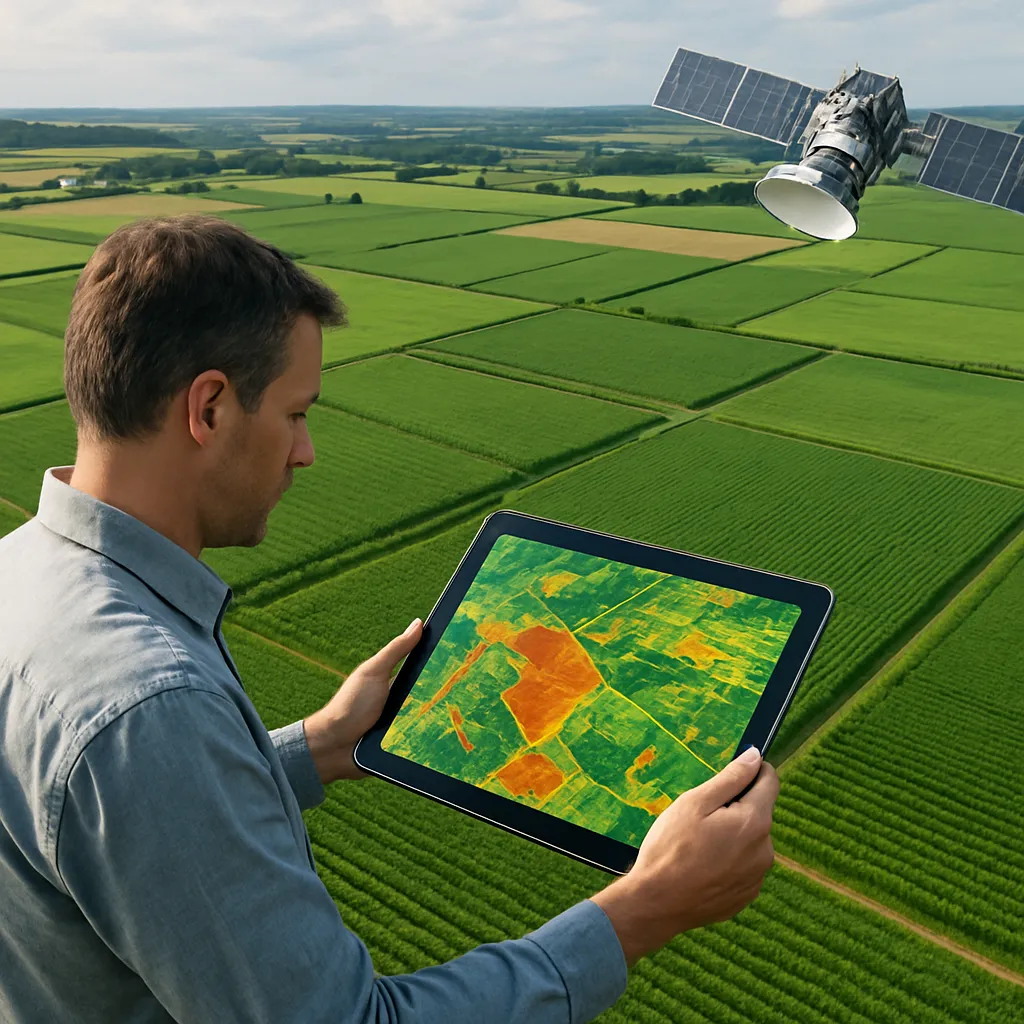
- Precision Farming: Satellite imagery, sensors, and data analytics optimize water and fertilizer use, lowering emissions and input costs.
Innovative approaches, including gene editing and biofertilizers, promise to boost yields while cutting synthetic inputs. Governments and research institutions play a vital role in funding demonstration projects, extension services, and farmer training to scale up successful models.
Market Dynamics, Certification, and Trade
International trade in agricultural commodities is increasingly influenced by climate-related standards. Consumers and retailers demand transparency about production methods, driving the emergence of voluntary certification schemes and sustainability labels.
Certification Schemes
- Rainforest Alliance: Promotes eco-friendly farming and community well-being through rigorous audits.
- GlobalG.A.P.: Focuses on Good Agricultural Practices, including worker safety and environmental management.
- Carbon Offset Programs: Enable farmers to earn credits by sequestering carbon through verified practices.
Participation in these programs can open access to premium markets and foster price premiums for sustainable products. Yet, smallholders often face barriers due to high certification costs and complex compliance requirements.
Trade Policies and Tariffs
Import duties and sanitary regulations are increasingly linked to environmental performance. Some regions implement border carbon adjustments to level the playing field for domestic producers subject to stringent climate policies. Such measures can reshape global supply chains, incentivizing exporters to adopt low-emission practices to maintain market access.
Financing, Stakeholder Engagement, and Future Pathways
Mobilizing adequate capital is essential for scaling climate-smart agriculture. Public and private investors must collaborate to de-risk projects and channel funds into transformative initiatives.
Innovative Financing Mechanisms
- Green Bonds: Raise capital earmarked for climate- and agriculture-focused projects.
- Blended Finance: Combines concessional public funding with private investments to lower perceived risks.
- Pay-for-Performance Schemes: Link payments to verified environmental outcomes, such as reduced emissions or improved water quality.
Engaging local communities and farmer cooperatives ensures that interventions are contextually appropriate and socially inclusive. Capacity building, knowledge-sharing platforms, and advisory services are key to fostering collective ownership of climate objectives.
Emerging Trends and Opportunities
- Digital Marketplaces: Connect producers directly with buyers, enhancing price transparency and trust.
- Regenerative Agriculture: Focuses on restoring ecosystem functions, enhancing soil biodiversity, and increasing on-farm resilience.
- Public-Private Partnerships: Leverage the strengths of governments, NGOs, and agribusinesses to drive systemic change.
Aligning global climate policy and agricultural strategy requires a holistic approach that integrates science, economics, and social considerations. By fostering innovation and ensuring equitable access to resources, the agricultural sector can become a powerful ally in the fight against climate change and a driver of sustainable development.