The agricultural sector is undergoing a transformative shift as digital platforms bridge the gap between producers and consumers. By integrating technology into traditional farming methods, innovators are creating tools that not only improve yield but also promote inclusivity and economic growth. This article explores how these advancements empower small farmers around the globe, enhance market connectivity, and foster sustainable practices.
Setting the Stage for Inclusive Growth
Empowering cultivators requires addressing multiple barriers that have historically limited the reach of small farmers. From unreliable infrastructure to limited financial services, challenges can seem insurmountable without coordinated efforts and targeted solutions. Modern digital mobile technology and online ecosystems are leveling the playing field by providing tools that were once accessible only to large agribusinesses.
Financial Inclusion through Agri-Fintech
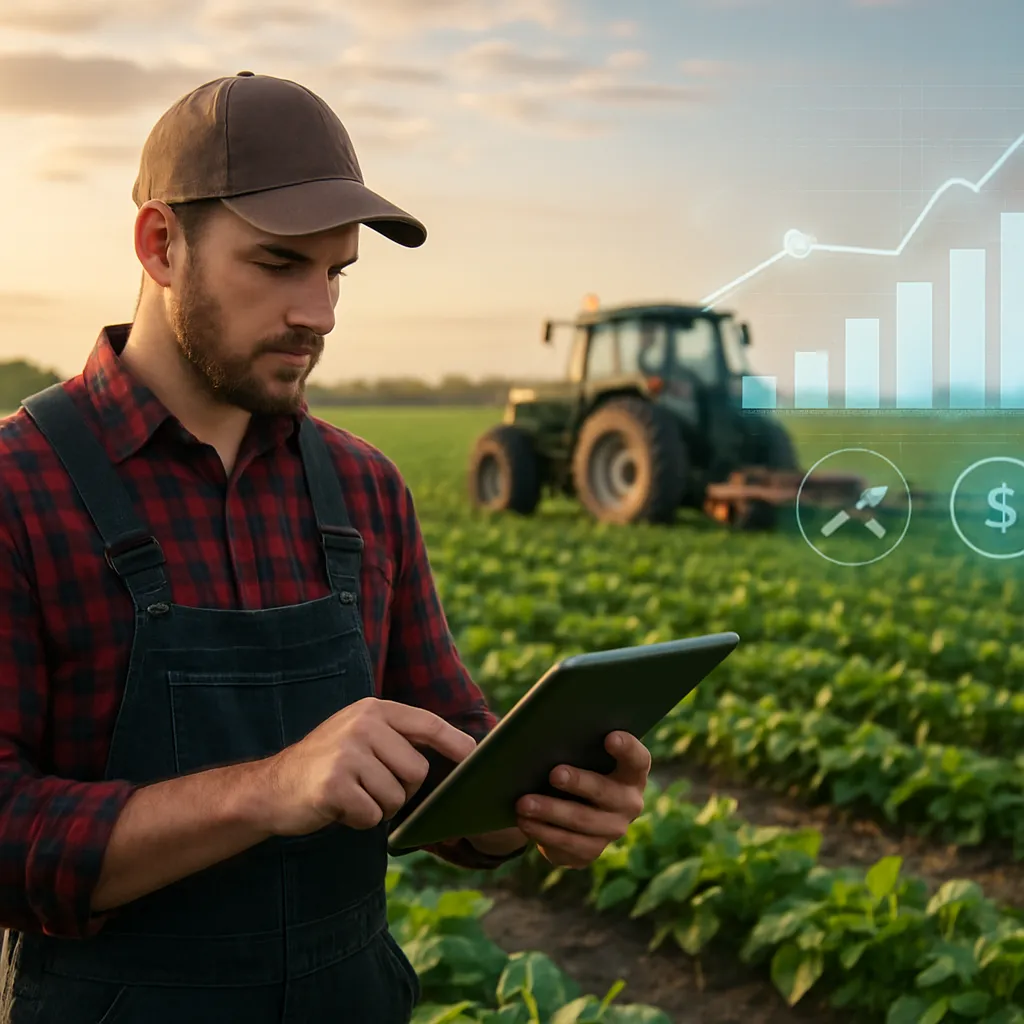
Access to credit and insurance is crucial for farm investment and risk management. Agri-Fintech solutions are enabling lenders to assess creditworthiness using data analytics rather than collateral. By leveraging crop forecasting algorithms and remote sensing, financial institutions can:
- Offer microloans tailored to planting cycles
- Underwrite insurance policies based on real‐time weather data
- Provide flexible repayment plans synced with harvest revenues
These mechanisms boost efficiency and reduce the reliance on informal moneylenders, cutting down on exorbitant interest rates.
Capacity Building and Knowledge Sharing
Bridging the technical skills gap is another priority. Online courses, video tutorials, and peer-to-peer forums allow farmers to learn about:
- Precision irrigation techniques
- Optimal crop rotation strategies
- Integrated pest management
Such platforms often use localized languages and culturally relevant examples to maximize adoption and drive sustainable improvements.
Enhancing Market Access
Traditional supply chains often leave small farmers with limited bargaining power and unpredictable pricing. Digital marketplaces are revolutionizing the way produce is traded by creating transparent virtual markets that connect producers directly to wholesalers, retailers, and consumers.
Direct-to-Consumer Sales Models
Online marketplaces and social commerce channels allow farmers to list products, set prices, and handle logistics with minimal intermediaries. Benefits include:
- Higher profit margins by cutting out middlemen
- Real-time demand signals to plan production
- Opportunities for subscription models (e.g., weekly vegetable boxes)
By fostering a direct link to consumers, small operators gain insights into preferences, enabling them to tailor offerings and reduce waste.
Aggregation Platforms for Bulk Sales
Collective marketing platforms enable smallholders to pool resources and negotiate improved terms. Key functions include:
- Coordinating bulk orders to meet large buyer specifications
- Standardizing quality through shared grading guidelines
- Streamlining logistics via cooperative transport arrangements
These models enhance resilience by mitigating the risks associated with seasonal price fluctuations.
Driving Transparency and Traceability
Consumers worldwide are demanding more information about where their food comes from and how it is produced. In response, digital platforms are introducing robust traceability functions that track goods from seed to shelf.
Blockchain-Enabled Supply Chains
By recording each transaction in an immutable ledger, blockchain solutions ensure:
- Verification of provenance to prevent fraud
- Instant recall processes in case of contamination
- Audit trails that satisfy regulatory requirements
The increased transparency bolsters consumer trust, encouraging premium pricing for certified products and creating new revenue streams for farmers adhering to rigorous standards.
Smart Tags and IoT Integration
Radio-frequency identification (RFID) tags and sensor networks enable real-time monitoring of perishable goods. Farmers and buyers can track:
- Temperature and humidity levels during storage
- Transit times and handling conditions
- Location data to optimize route planning
This level of traceability reduces spoilage, improves food safety, and supports compliance with international export criteria.
Cultivating Sustainable Practices
Long-term agricultural viability hinges on environmentally sound methods. Digital platforms facilitate data-driven decisions that conserve resources and reduce ecological footprints.
Precision Agriculture for Resource Efficiency
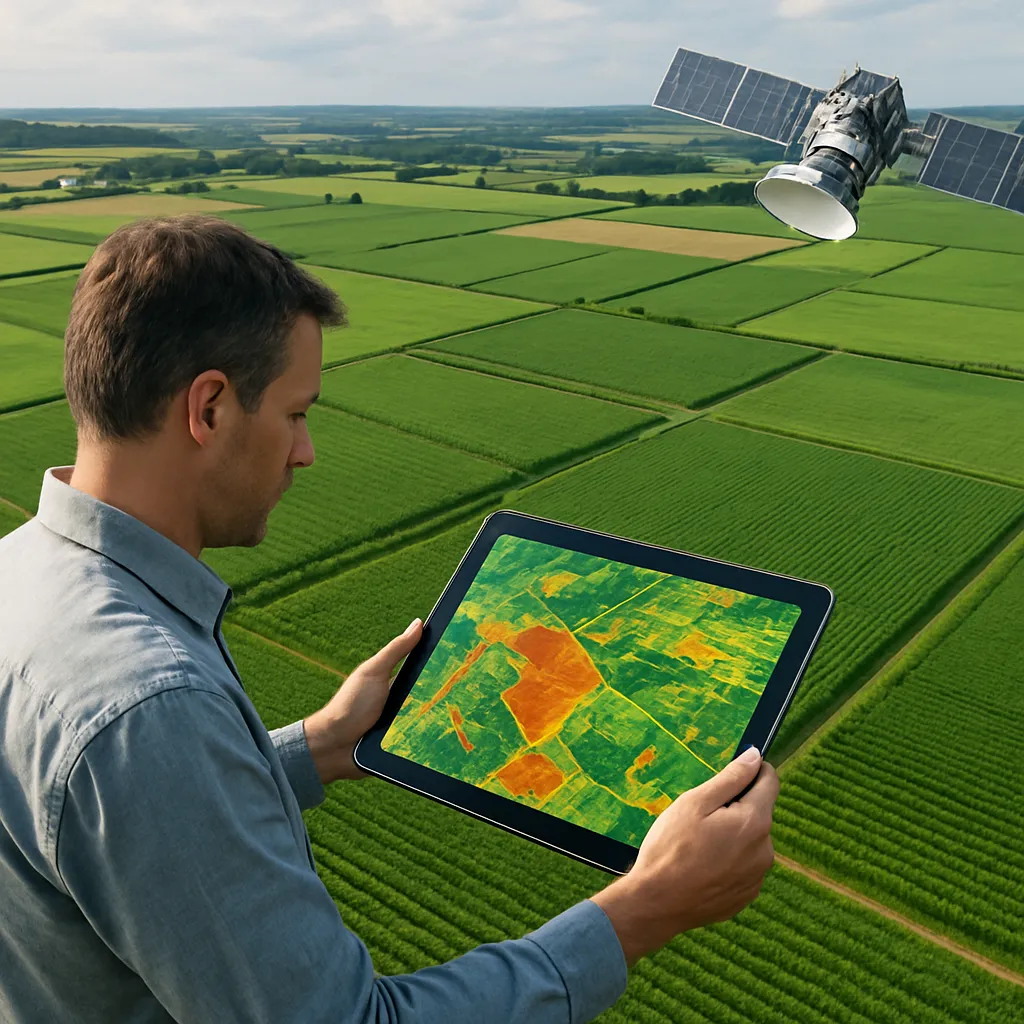
Satellite imagery, drones, and soil sensors feed into analytics tools that guide:
- Variable-rate fertilizer applications
- Targeted pest control measures
- Optimized irrigation scheduling
As a result, farmers cut input costs, minimize runoff, and maintain soil health.
Climate-Smart Farming Advisory
Weather forecasting services powered by AI help farmers adapt to changing climate patterns by offering:
- Planting calendar adjustments
- Drought and flood risk alerts
- Recommendations for resilient crop varieties
These insights enhance sustainability and strengthen the ability of rural communities to weather environmental shocks.
Conclusion of Innovations
The integration of digital platforms into agriculture is a catalyst for empowerment, transforming the prospects of small farmers worldwide. Through improved access to finance, expanded market opportunities, enhanced transparency, and sustainable methodologies, these solutions are setting a new standard for inclusive growth and global food security.