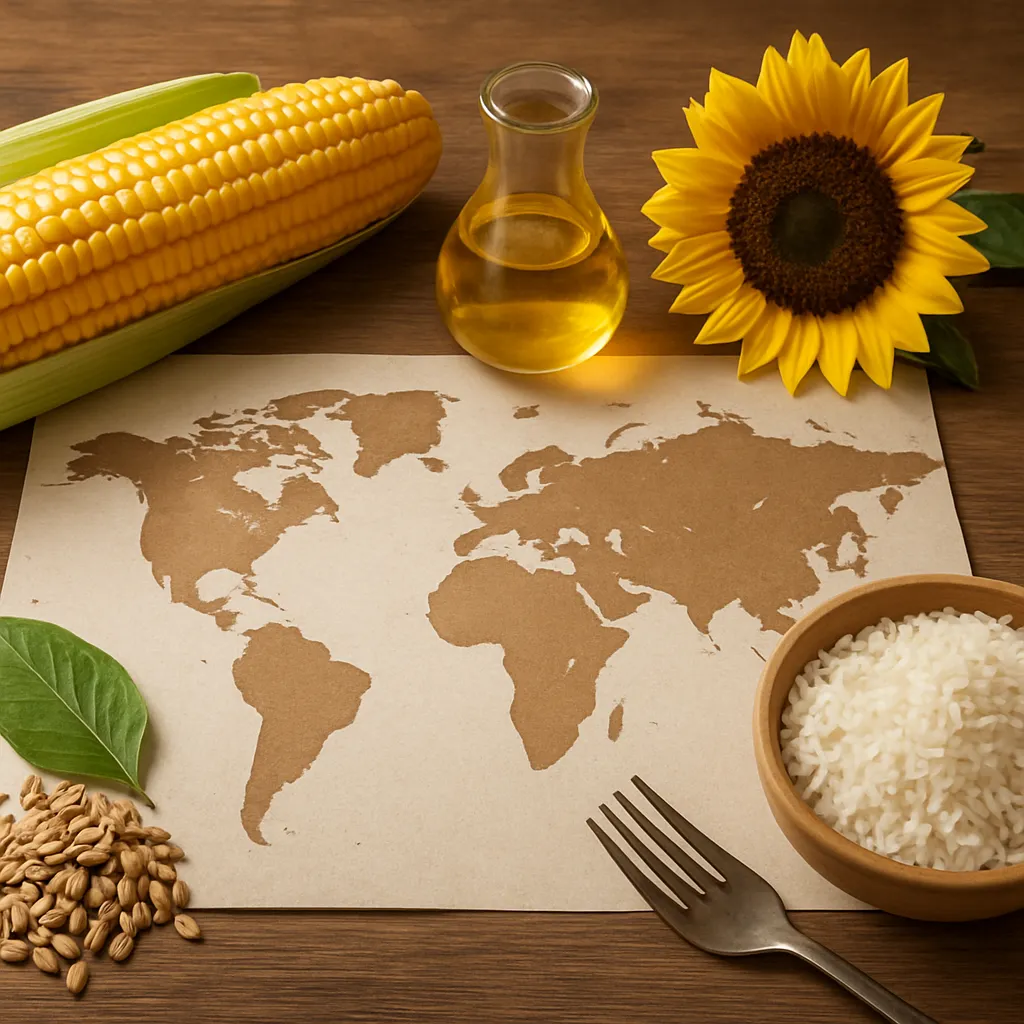
The cultivation and distribution of rice stand at the heart of global agriculture, sustaining billions of lives and shaping economies across continents. This article explores the intricate dynamics of worldwide rice production, the fierce competition among leading exporters, and the evolving challenges that define the international trade landscape. Drawing upon recent data and industry insights, it highlights how shifts in climate, policy and technology influence prices, supply chains and food security.
Global Rice Production Trends
Over the past decade, overall rice yields have shown a steady increase owing to improved agronomic practices, advanced seed varieties and efficient water management. Asia accounts for nearly 90% of the world’s output, with China, India and Indonesia at the forefront. However, other regions such as Africa and South America are gradually intensifying cultivation through irrigation projects and mechanization.
- Yield Enhancements: High-yielding varieties developed through biotechnology have boosted per-hectare output by 20% in many regions.
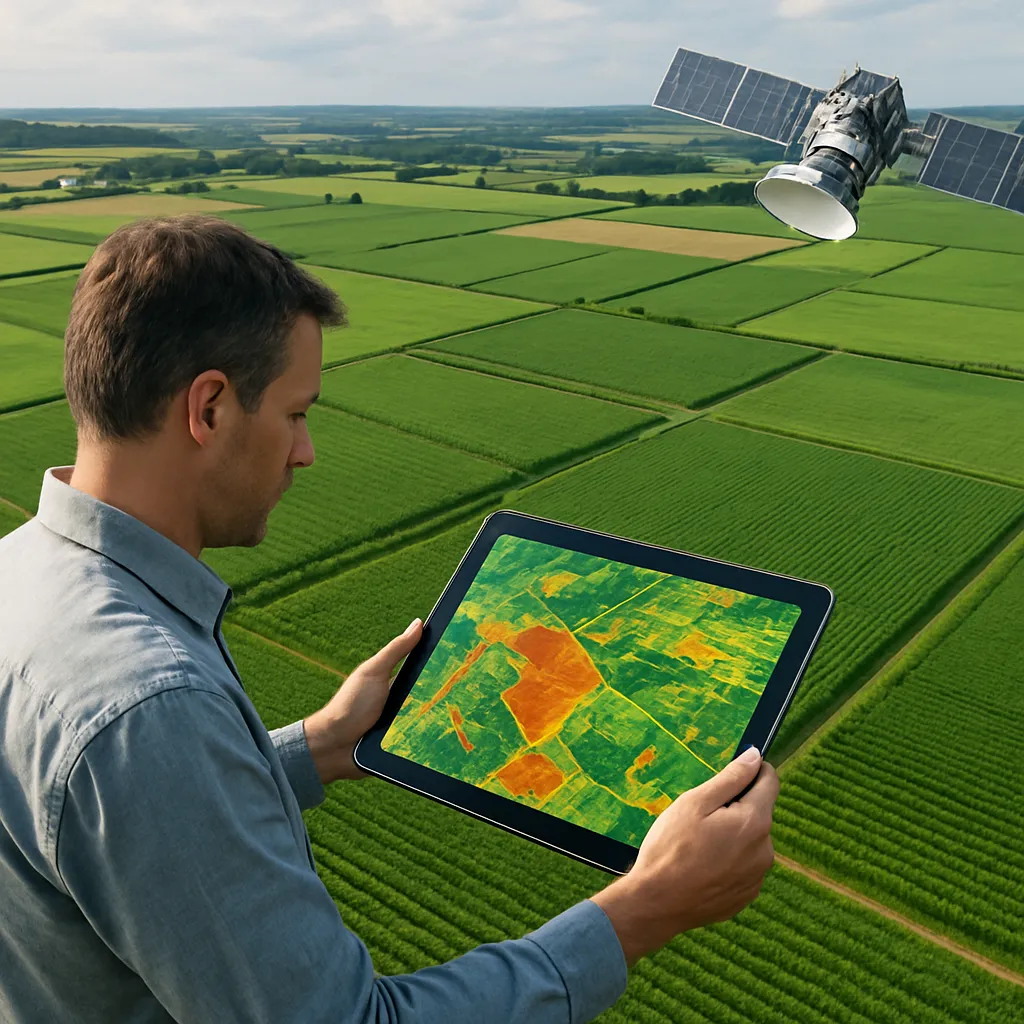
- Precision Agriculture: Satellite imagery and sensors enable farmers to apply fertilizers and water with pinpoint accuracy.
- Policy Support: Subsidies, minimum support prices and crop insurance in major producing countries encourage greater investment in production.
Regional Highlights
South Asian giants maintain large-scale production, yet face growing challenges from rising labor costs and water scarcity. Meanwhile, Southeast Asia’s export hubs—Thailand and Vietnam—leverage competitive labor markets and port infrastructure to cater to international demand. In Latin America, Brazil’s ambitious expansion into paddy cultivation aims to meet both local needs and export opportunities. Africa, though still a net importer, is witnessing pilot projects in Egypt and Nigeria that promise enhanced self-sufficiency.
Major Exporters and Market Share
The global rice export market is dominated by a handful of countries. Historically, Thailand ruled the scene with its premium Jasmine varieties, but competitors have steadily chipped away at its dominance. India’s strategic pricing, coupled with robust stocks, propelled it to the number one position by export volume in recent years. Vietnam, the second-largest exporter, excels in delivering high-quality white rice to African and Middle Eastern markets.
- India: ~20% share of global exports, leveraging price competitiveness.
- Vietnam: ~17% market share, focusing on specialty and long-grain rice.
- Thailand: ~12% share, renowned for fragrant Jasmine rice and government-backed marketing campaigns.
- Pakistan and Myanmar: Each holding ~5-7%, with growth potential as infrastructure improves.
Competitive Strategies
Exporters employ diverse tactics to secure market share. India and Vietnam often engage in discounted bulk sales, targeting large importers such as China, the Philippines and West African nations. Thailand emphasizes branding and quality certifications to justify premium pricing. Pakistan is expanding new trade routes through Central Asia, while Myanmar seeks to transform smallholder farms into export-oriented cooperatives.
Trade Barriers and Policy Dynamics
Government interventions play a pivotal role in shaping global rice flows. Export restrictions, import tariffs and stockholding policies can trigger sudden price fluctuations. For instance, when a major exporter enacts bans to secure domestic food security, global prices can spike, affecting low-income importing countries.
- Export Bans: Temporary prohibitions have been used by some governments to stabilize local supplies, often causing international concerns.
- Tariff Quotas: Importers may impose quotas to protect local farmers, limiting market access for competitive foreign suppliers.
- Minimum Support Prices: In India, elevated floor prices can reduce exportable surplus, influencing global availability.
Regional Trade Agreements
Free trade pacts such as the Regional Comprehensive Economic Partnership (RCEP) and the African Continental Free Trade Area (AfCFTA) are set to lower tariffs and harmonize phytosanitary standards, potentially altering trade flows. These agreements aim to bolster intra-regional commerce, reducing reliance on traditional exporters and fostering new partnerships.
Challenges and Future Outlook
The rice sector faces a spectrum of obstacles that could undermine future growth. Climate change poses erratic weather patterns—droughts, floods and salinity intrusion—threatening traditional paddy lands. Sustainability concerns call for reduced methane emissions from flooded fields and conservation of freshwater resources. Meanwhile, evolving consumer preferences for organic and fortified rice varieties demand greater adaptation by producers and exporters.
- Climate Risks: Unpredictable monsoons and extreme events require resilient varieties and adaptive irrigation techniques.
- Environmental Footprint: Introducing alternate wetting and drying (AWD) reduces greenhouse gas emissions by up to 50%.
- Technology Adoption: Drone-based monitoring and mobile advisory services enhance productivity among smallholders.
Innovation and Investment
Private sector engagement is on the rise, with agribusiness firms financing rural infrastructure and digital extension platforms. Public-private partnerships support seed research and microfinance schemes that empower women farmers. In the trade arena, blockchain pilots aim to improve traceability from farm to fork, enhancing food safety and building trust among international buyers.
Towards a resilient and equitable rice economy, continuous collaboration among stakeholders—governments, producers, exporters and consumers—is essential. By embracing innovation and sustainable practices, the sector can meet rising demands while safeguarding livelihoods and ecosystems.