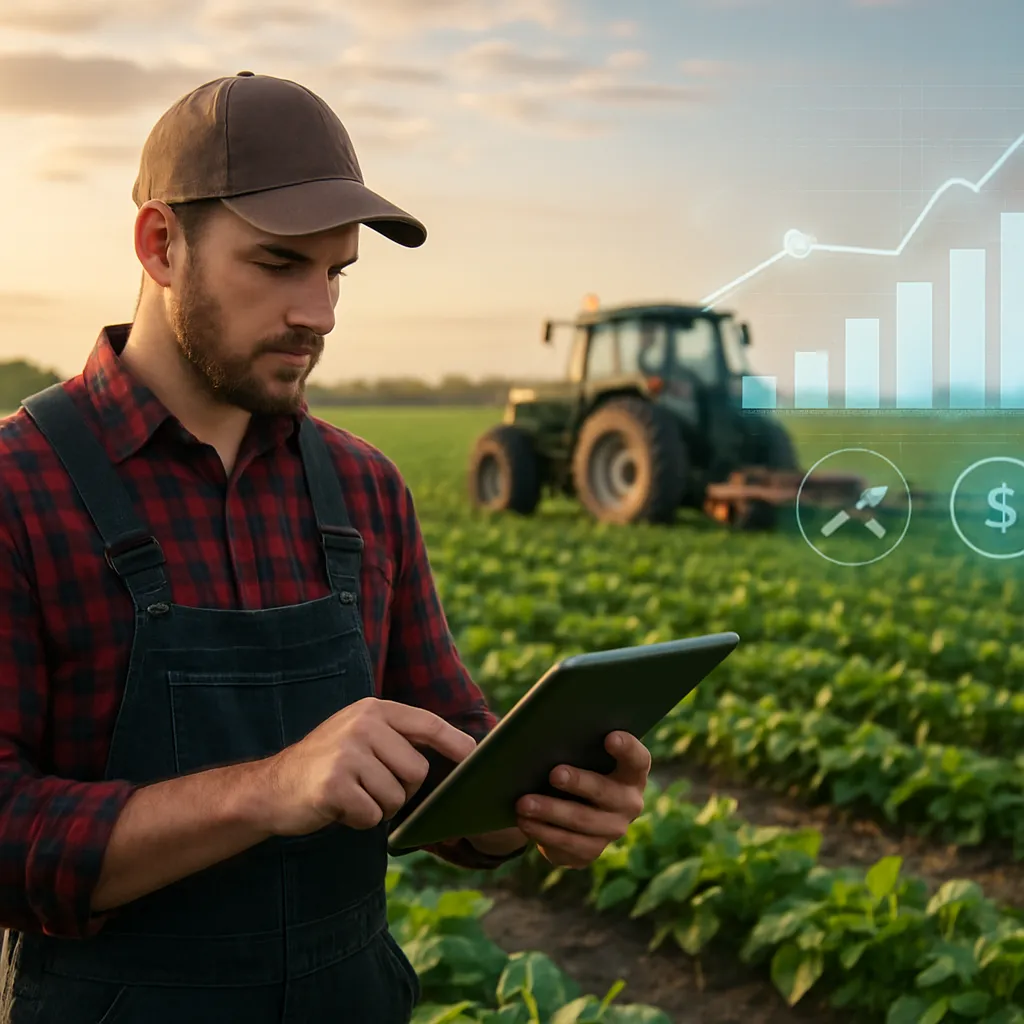
The global agricultural investment landscape is undergoing a profound transformation as funds seek to capitalize on rising food demand, shifting consumption patterns, and the urgent need for sustainable practices. This article examines the key forces shaping the entry of investment funds into the agri sector, explores strategic approaches to deployment of capital, highlights the role of advanced technology and innovation, and considers the frameworks for managing risk and promoting long-term sustainability.
Market Dynamics and Investment Drivers
As urbanization accelerates and incomes rise in emerging economies, the pressure on food systems intensifies. Investment funds are drawn by the global nature of agriculture, which offers exposure to diverse markets and commodities. Key drivers include:
- Supply–Demand Imbalances: Population growth and changing diets elevate protein and processed food consumption, creating supply gaps.
- Commodity Price Volatility: Fluctuating prices present both challenges and opportunities for funds adept at timing market entry.
- Climate Change Impacts: Droughts, floods, and extreme weather events underscore the need for climate-resilient farming systems and insurance solutions.
- Policy Incentives: Subsidies, tax breaks, and public–private partnerships in various regions encourage capital allocation toward agriculture.
Global Demand and Supply Shifts
Recent decades have witnessed rapid demand growth in Asia, Latin America, and Africa, driven by rising middle classes. Meanwhile, yield gaps in many regions signal untapped productivity potential. Investment funds analyze land availability, water resources, and agronomic practices to identify high-ROI opportunities. They also monitor trade flows and currency fluctuations, which can significantly alter returns on exported crops.
Diversification and Risk Mitigation
By allocating capital across multiple geographies, crop types, and value-chain segments, funds achieve a level of diversification that traditional investors may lack. For example, blending investments in row crops, horticulture, and livestock can soften the impact of region-specific shocks. Additionally, combining equity stakes in agribusinesses with fixed-income instruments linked to crop performance helps balance yield expectations against downside scenarios.
Strategies for Entry and Growth
Investment funds deploy a variety of structures and vehicles to gain exposure to agricultural assets. The choice depends on factors such as risk appetite, hold periods, and desired control levels.
Direct Equity Stakes
Direct investments in farming enterprises, input suppliers, and processing companies grant funds hands-on influence over operations. By engaging in governance, introducing best practices in farm management, and leveraging economies of scale, investors can boost productivity and profitability.
Agricultural Real Estate Investment Trusts (REITs)
Agricultural REITs offer public-market access to farmland ownership, providing liquidity and transparency. Investors benefit from rental income and potential land appreciation. REITs often implement strict asset management protocols, ensuring that tenant farmers adhere to sustainable practices and maintain soil health.
Private Equity and Venture Capital
Private funds and venture capitalists increasingly target ag-tech startups specializing in precision technology, biotech seeds, and alternative proteins. These vehicles seek outsized gains by backing disruptive solutions that can transform supply chains or boost crop yield. Early-stage investing involves higher risk, but the prospect of scaling innovative ventures draws significant capital.
Role of Technology and Innovation
Cutting-edge technologies underpin efficiency improvements throughout the agricultural value chain. Funds that incorporate these tools often see superior performance across metrics.
Precision Agriculture and Data Analytics
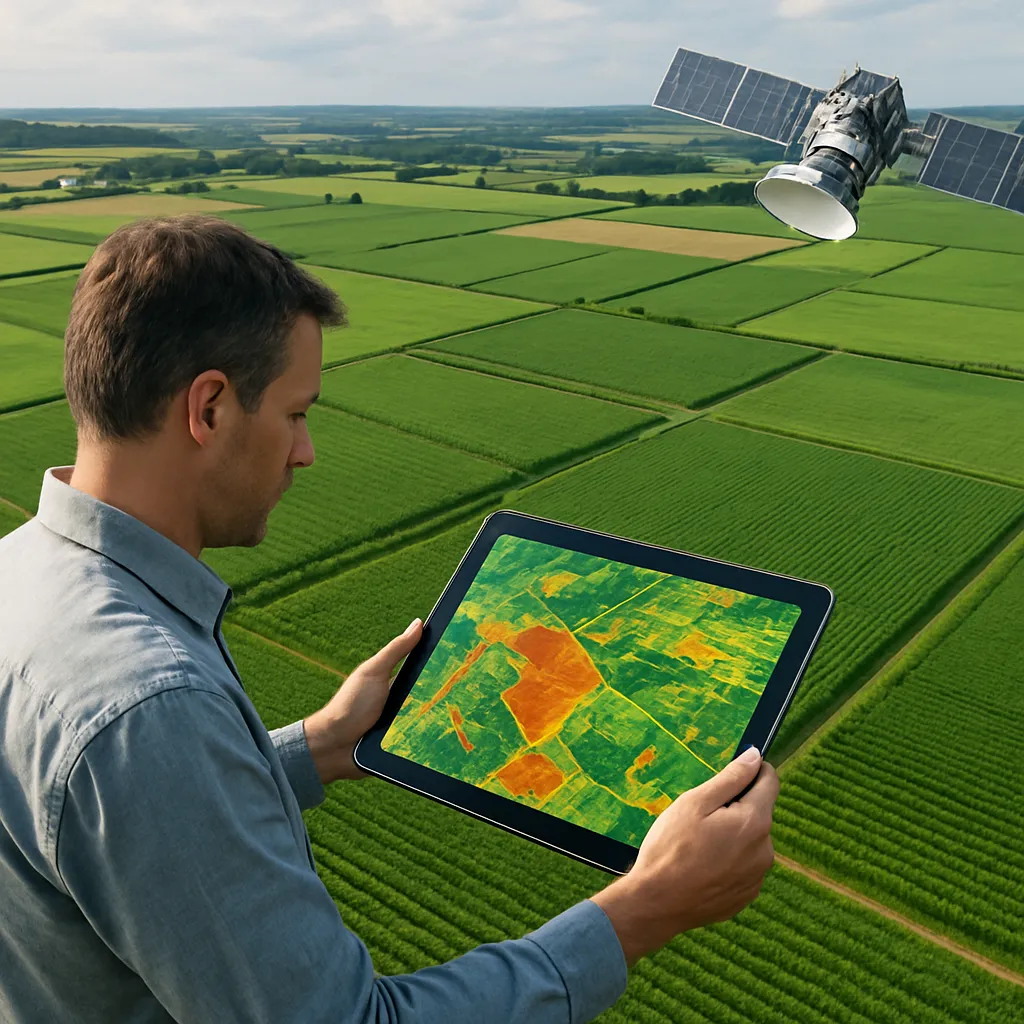
Drones, soil sensors, and satellite imagery feed into analytics platforms that optimize inputs like water, fertilizer, and pesticides. Data-driven decision-making reduces waste, enhances yield consistency, and lowers environmental footprints. Funds collaborate with agronomists and data scientists to design scalable models that can be replicated across diverse farm operations.
Supply Chain Digitization
Blockchain tracking, cold-chain monitoring, and automated logistics platforms ensure transparency from farm to fork. These systems build consumer trust, reduce spoilage, and facilitate compliance with food safety regulations. Investment in digital infrastructure creates value by shortening cycles, minimizing losses, and opening access to premium markets.
Risk Management and Sustainability
Balancing profitability with responsible stewardship of natural resources is critical. Leading funds integrate robust frameworks to address environmental, social, and governance considerations.
Environmental, Social, and Governance Criteria
ESG integration helps screen potential investments for compliance with international standards, such as the Principles for Responsible Investment (PRI) and the Global Reporting Initiative (GRI). Funds conduct due diligence on soil conservation, water management, labor conditions, and community impact before deployment.
Climate Resilience and Insurance Solutions
Insurance products, including weather-indexed policies and catastrophe bonds, mitigate production risks linked to climate variability. Funds structure these instruments to secure collateral against extreme events, ensuring that portfolios can withstand volatility without resorting to forced divestments during crises.
Collaborations and Future Outlook
Strong partnerships between investment funds, governments, research institutions, and local stakeholders unlock synergies. Joint initiatives on smart farming, capacity-building programs, and rural development projects enhance social impact while safeguarding investor interests. As the agri sector evolves, funds that combine financial acumen with technological integration and commitment to sustainability are poised to generate stable returns and drive transformative change across global food systems.