The evolution of global agricultural commodities trading platforms has redefined how producers, traders, and consumers interact across borders. By embracing cutting-edge technologies and innovative models, these platforms are transforming traditional supply chains into highly interconnected networks. This shift is reshaping market dynamics, improving transactional speed, and fostering greater transparency throughout every stage of the value chain. As stakeholders adapt to evolving demands, the integration of advanced solutions ensures enhanced efficiency and risk mitigation, driving the sector toward unparalleled levels of performance.
Digital Transformation in Agriculture Trading
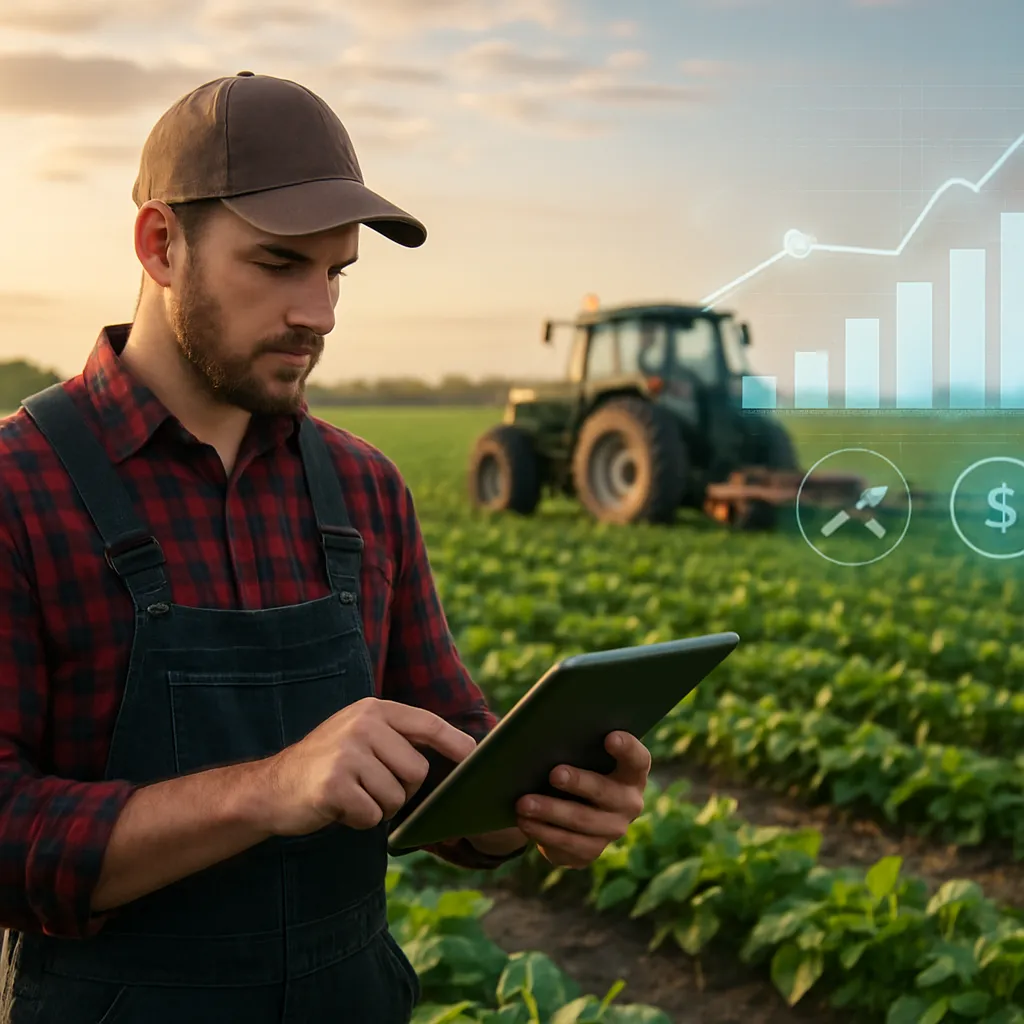
In recent years, the surge of digitalization has radically altered conventional commodity exchange methods. Online portals and mobile applications now serve as central hubs where buyers and sellers can negotiate prices, finalize contracts, and monitor shipments in real time. This has not only accelerated deal closure but also opened new markets for smallholder farmers, allowing them to access international buyers without intermediaries.
Key features of modern trading platforms include:
- Interactive dashboards offering price trends, historical data, and predictive analytics.
- Automated contract management systems that streamline document handling and compliance checks.
- Secure payment gateways reducing settlement times from weeks to days.
By replacing paper-based processes with digital workflows, platforms reduce errors and administrative overhead. Automated alerts for quality inspections and shipment milestones enable stakeholders to respond swiftly to unforeseen events, bolstering overall resilience in the supply chain.
Blockchain and Enhanced Traceability
Blockchain technology has garnered attention for its capacity to deliver immutable records of every transaction. By embedding each stage of production, processing, and logistics into a shared ledger, participants can verify the provenance of grains, oilseeds, and other staples with absolute certainty. This level of traceability addresses consumer concerns over food safety and ethical sourcing.
Smart Contracts and Quality Assurance
Smart contracts execute automatically when predetermined conditions—such as moisture content or certification status—are met. This eliminates disputes related to quality parameters, ensuring that payments are triggered only upon successful fulfillment of agreed criteria.
- Secure timestamping of harvest details to combat fraud.
- Immutable audit trails that satisfy regulatory authorities and export markets.
Moreover, integration with Internet of Things (IoT) sensors provides real-time data on temperature, humidity, and storage conditions. Coupled with blockchain, these sensors create a robust ecosystem for monitoring perishable products, significantly reducing spoilage and enhancing overall supply chain integrity.
Harnessing Data Analytics and AI
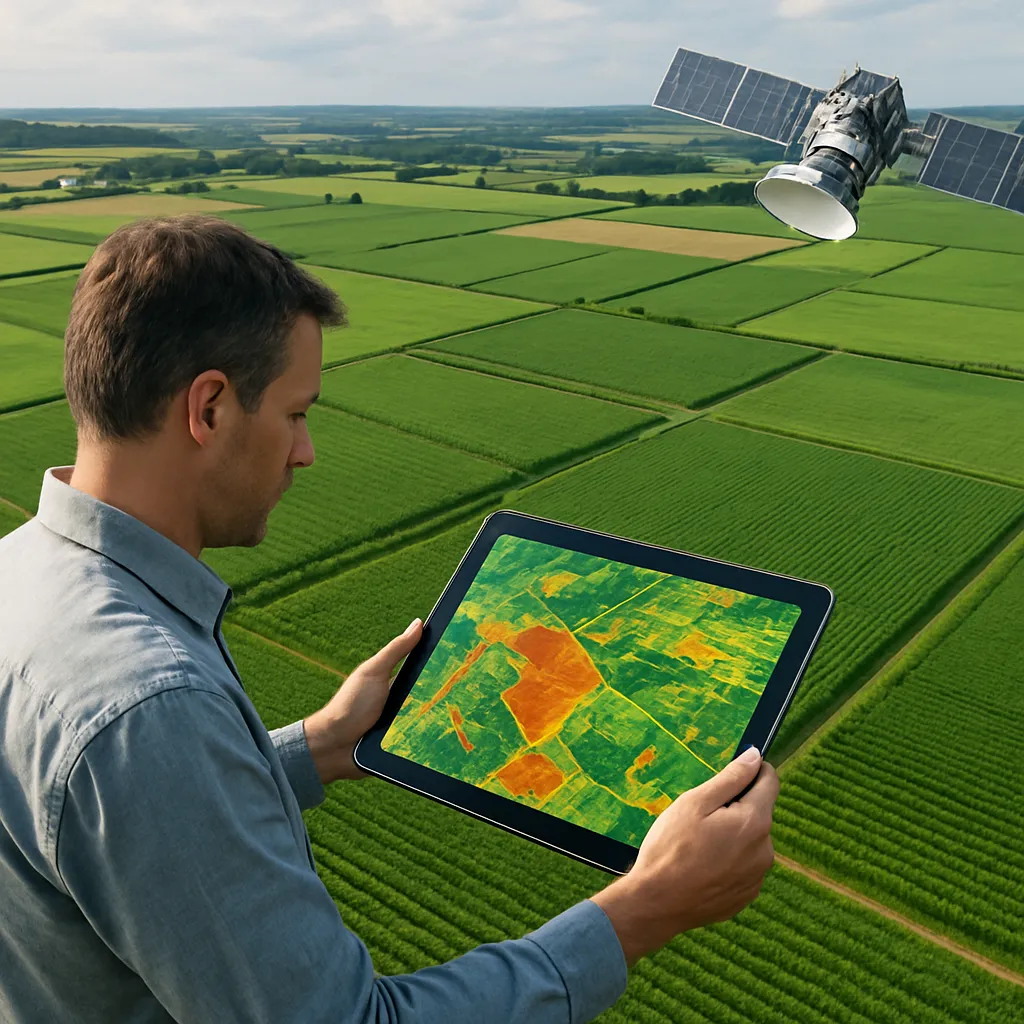
Advanced analytics and artificial intelligence are empowering traders to make data-driven decisions. By processing vast datasets—including satellite imagery, climatic forecasts, and market sentiment—platforms can predict yield outcomes, detect price anomalies, and recommend hedging strategies with remarkable accuracy.
Predictive Modeling and Risk Management
Machine learning algorithms analyze historical price movements and macroeconomic indicators to forecast future trends. These insights help traders develop robust risk management approaches, such as dynamic margin requirements or algorithmic hedging, mitigating exposure to volatility.
- Real-time alert systems for sudden price swings or geopolitical events.
- Scenario analysis tools that stress-test portfolios under various market conditions.
Natural language processing (NLP) further enhances platforms by scanning global news sources and social media feeds for emerging risks, such as pest outbreaks or regulatory shifts. This proactive intelligence equips stakeholders with early warnings, enabling timely adjustments to procurement and distribution strategies.
Commitment to Sustainability and Future Prospects
The journey toward sustainable agriculture is gaining momentum, with trading platforms playing a pivotal role. By offering certifications for organic, fair-trade, and regenerative practices, these digital marketplaces incentivize environmentally responsible farming. Buyers can filter offerings based on carbon footprint, water usage, or ethical labor standards, aligning procurement decisions with corporate sustainability goals.
Emerging trends poised to shape the next phase of platform evolution include:
- Integration of carbon credit trading modules to reward emissions reduction efforts.
- Collaborative ecosystems linking smallholders to cooperatives for collective bargaining power.
- Enhanced interoperability among diverse platforms, creating a unified global network.
Looking ahead, the convergence of augmented reality (AR) for virtual inspections, 5G connectivity for instantaneous data sharing, and decentralized finance (DeFi) solutions for flexible funding is set to unlock unprecedented opportunities. These innovations will foster greater market access, strengthen supply chain interoperability, and promote financial inclusion across remote agricultural communities.
As the sector advances, stakeholders must prioritize robust governance frameworks and data security protocols to safeguard sensitive information. By striking the right balance between innovation and regulation, global agri commodities trading platforms will continue to drive economic growth, bolster food security, and champion the principles of sustainability and social responsibility in the years to come.