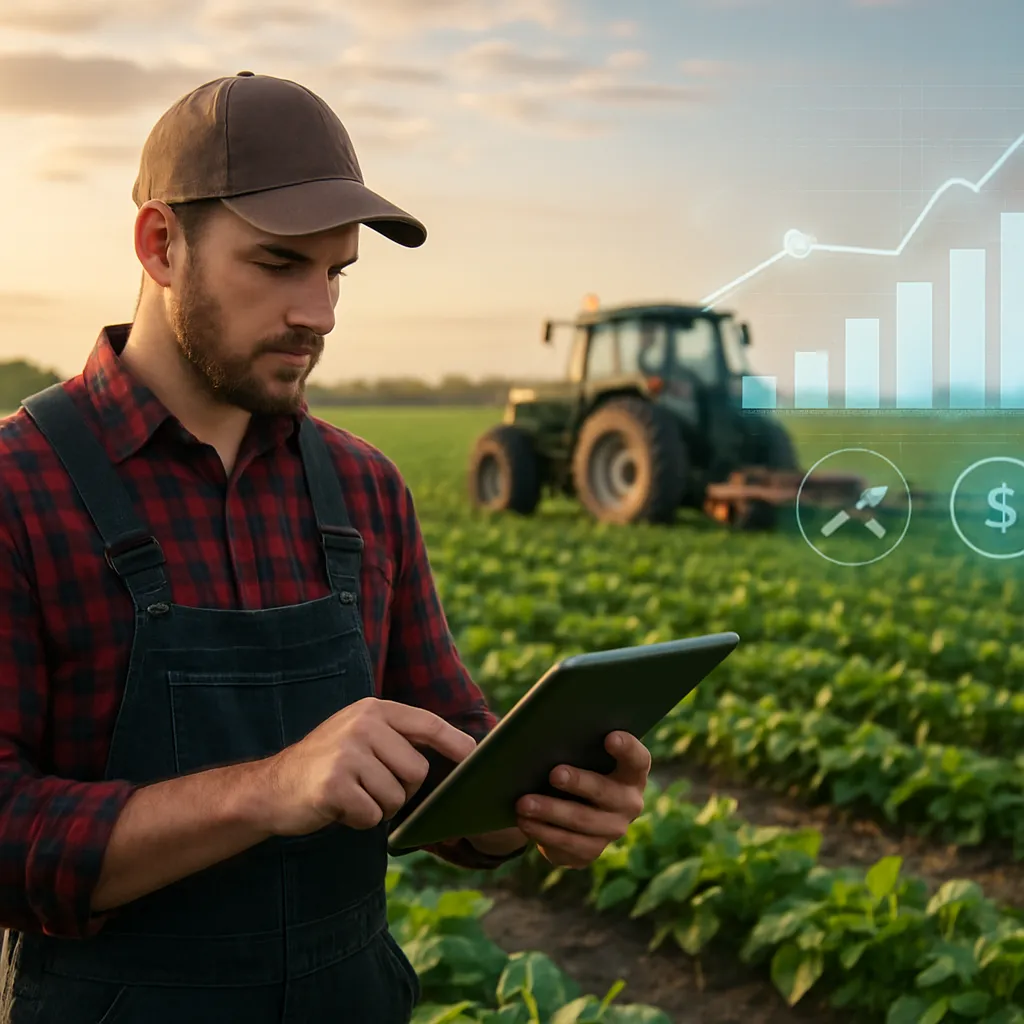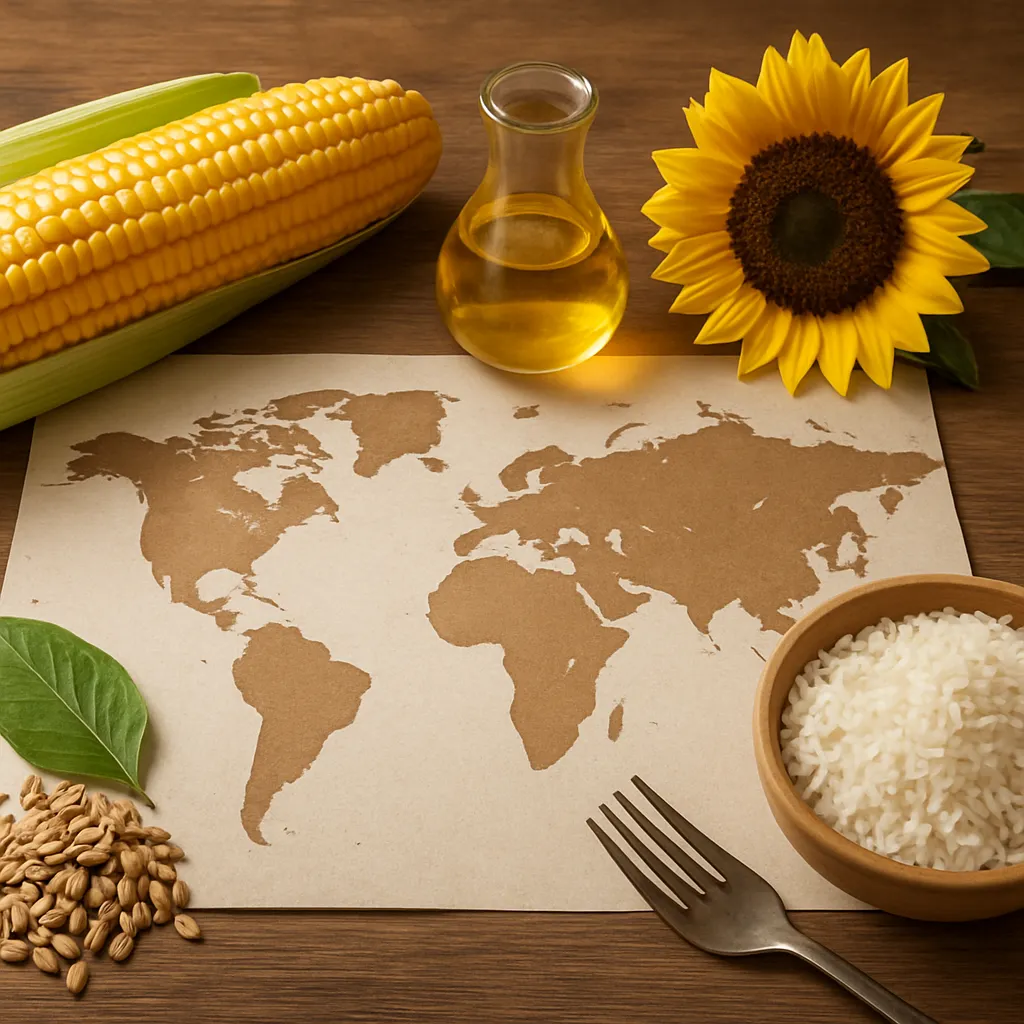
Smart farming represents a paradigm shift in the way agricultural activities are conducted around the globe. By integrating advanced technologies, real-time data, and innovative decision-making tools, farmers can now achieve significant reductions in food waste while boosting overall productivity. This transformation addresses pressing challenges within the global market for agriculture, including resource scarcity, environmental concerns, and the need for higher efficiency in supply chains.
Technological Innovations Driving Smart Farming
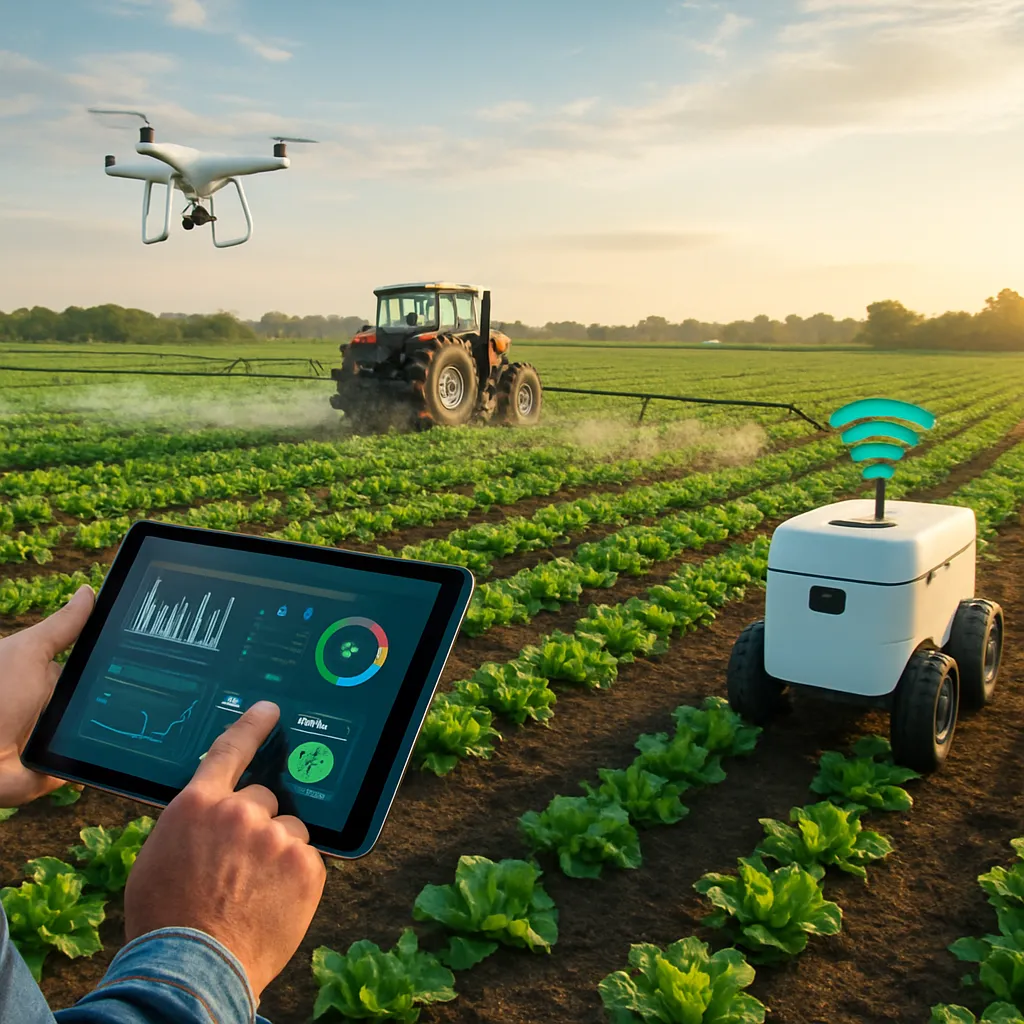
At the heart of smart farming lies a suite of modern technologies that work together to optimize every phase of the crop production cycle. From planting to harvesting, these tools help farmers make informed decisions that minimize waste and maximize yield.
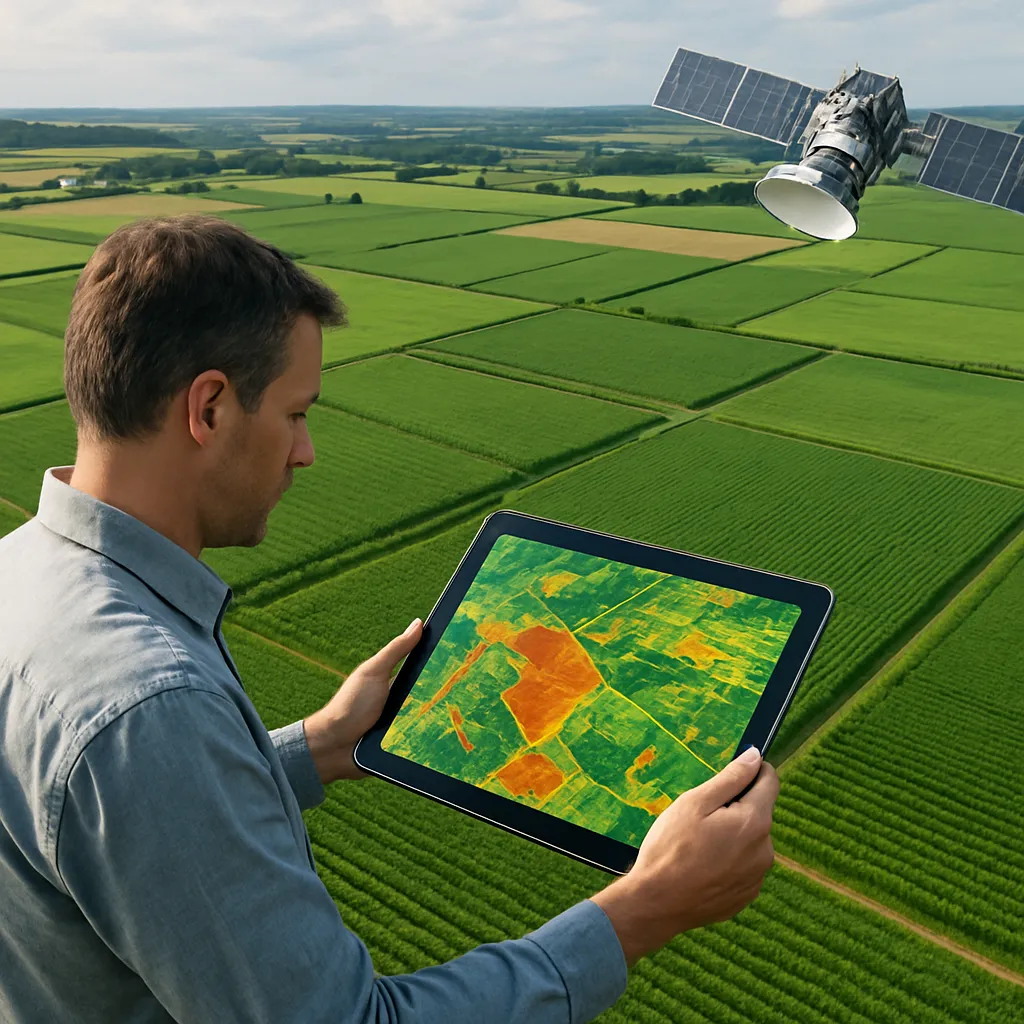
- Precision Agriculture: Precision agriculture employs GPS-guided machinery and satellite imagery to apply inputs (water, fertilizers, pesticides) only where needed. This targeted approach reduces waste of chemicals and conserves water resources.
- Remote Sensing: Drones and satellite-based sensors capture high-resolution images of fields, enabling early detection of plant stress, pest infestations, and nutrient deficiencies.
- Automation and Robotics: Autonomous tractors, robotic harvesters, and weeding machines perform labor-intensive tasks with consistent accuracy, reducing post-harvest losses caused by human error or delays.
- Soil and Climate Monitoring: IoT-enabled soil probes and weather stations provide continuous data on moisture levels, temperature, and humidity—factors that influence optimal irrigation schedules and harvesting times.
Together, these technologies create an integrated platform where data flows seamlessly, helping farmers avoid overproduction and spoilage. When machinery is calibrated precisely and crops are monitored closely, the margin for wasted inputs or lost produce shrinks considerably.
Reducing Waste Through Data Analytics and IoT
Data analytics combined with the Internet of Things (IoT) has revolutionized the way agricultural stakeholders anticipate and mitigate food losses. Sensors deployed across fields, greenhouses, and storage facilities feed real-time data into cloud-based analytics engines, enabling proactive interventions.
Key Components of the Data-Driven Approach
- Real-Time Monitoring: IoT sensors measure critical parameters such as soil moisture, ambient temperature, and crop health indicators. Alarms notify managers of anomalies.
- Predictive Analytics: Machine learning models ingest historical yield data, weather forecasts, and market demand trends to forecast harvest volumes and optimal selling windows.
- Supply Chain Synchronization: End-to-end visibility ensures that harvests are transported and stored under appropriate conditions, reducing spoilage during transit and warehousing.
- Yield Mapping: Geo-referenced yield maps highlight high- and low-performing zones within a field, informing targeted interventions and preventing resource wastage.
By harnessing analytics, farmers can fine-tune irrigation schedules to avoid overwatering, optimize fertilizer application rates, and schedule harvests at peak ripeness—thereby extending shelf life. For example, a farm management platform might notify an operator when a particular block of tomatoes reaches ideal sugar levels, triggering a harvest before overripening sets in.
Global Market Impacts and Future Trends
The adoption of smart farming practices is reshaping the supply chain on a global scale. Investors, policymakers, and agribusiness corporations increasingly recognize that reducing food waste is critical for ensuring sustainability and food security for a growing world population.
Several trends are driving the market toward greater innovation:
- Policy Incentives: Governments worldwide are offering subsidies and grants to encourage deployment of precision agriculture and waste-reduction technologies.
- Private Equity and Venture Capital: Startups specializing in farmtech and agri-biotech are attracting significant funding, accelerating research in sensor development, AI-driven diagnostics, and bio-based packaging solutions.
- Collaborative Platforms: Digital marketplaces connect farmers, distributors, and retailers, allowing surplus produce to be re-routed to food banks or processing facilities before spoilage.
- Sustainability Standards: Retailers and consumers demand transparency in carbon footprints and waste metrics, prompting brands to adopt traceability systems backed by blockchain and RFID tagging.
Emerging regions such as Sub-Saharan Africa and Southeast Asia are leapfrogging traditional farming methods by investing in solar-powered irrigation systems, mobile-based advisory services, and community-driven data hubs. These initiatives not only reduce local waste but also create scalable models for other developing markets.
Looking ahead, the convergence of biotechnology, nanotechnology, and digital agriculture promises even greater strides in resource optimization. Seed varieties engineered for precision environments, nano-sensors for nutrient delivery, and AI-driven weeding robots will further compress the gap between current output levels and theoretical maxima.
By embracing these innovations, stakeholders across the agri-food ecosystem can achieve higher profitability, lower environmental impact, and increased resilience against climate variability. Smart farming is not merely a technological upgrade; it is a holistic transformation that addresses the root causes of food waste and ensures a sustainable future for agriculture worldwide.