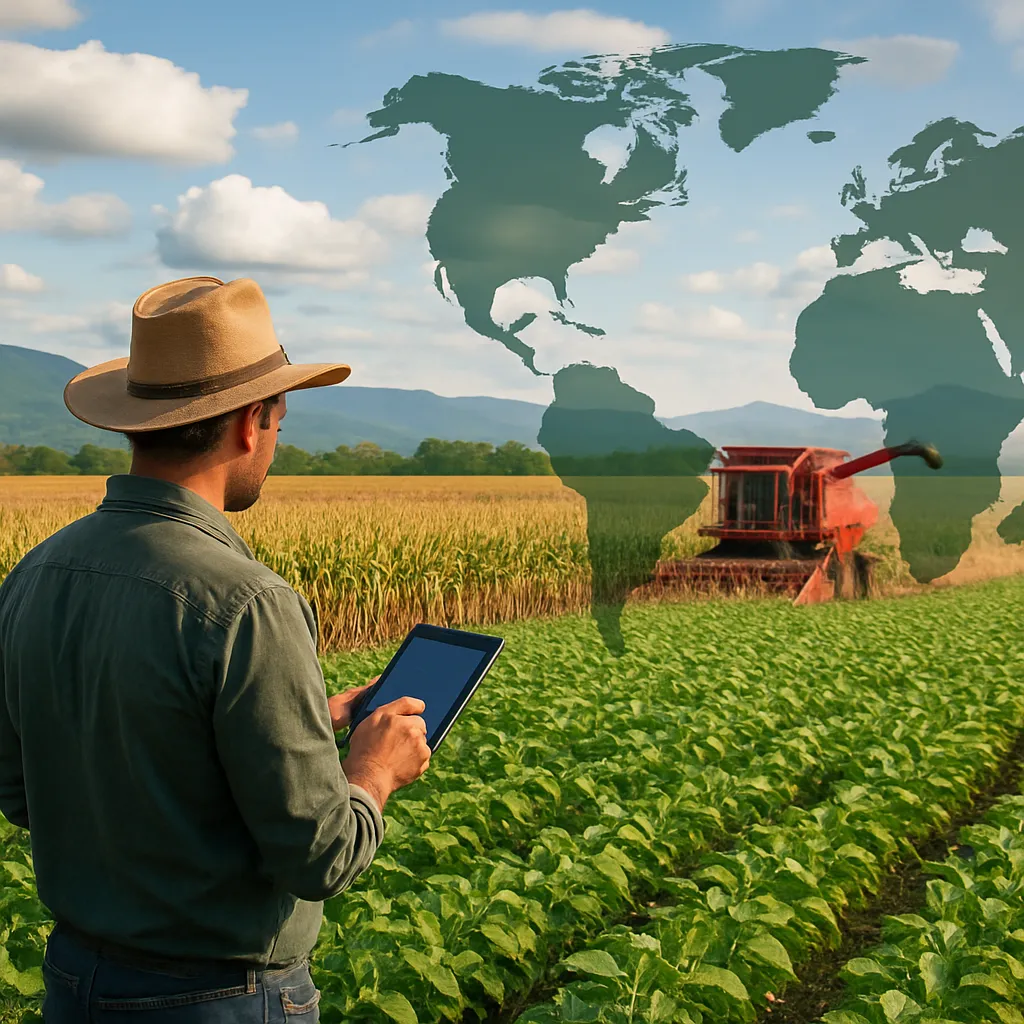
The agricultural landscape of Latin America is witnessing a profound transformation fueled by dynamic shifts in global demand, emerging technologies, and evolving policy frameworks. As nations strive to balance economic growth with environmental stewardship, the region’s vast arable lands and diversified climate zones position it at the forefront of the global agri market. This article delves into the critical forces shaping Latin American agriculture, exploring the interplay between technological breakthroughs, sustainability imperatives, trade negotiations, and infrastructure development.
Market Dynamics and Growth Drivers
Latin America’s agriculture sector has long been a cornerstone of its economies, accounting for significant proportions of GDP and employment. Recent years have seen robust expansion, driven by rising protein consumption, shifting dietary patterns, and expanding export opportunities. Key markets in Brazil, Argentina, and Mexico are scaling up production of commodities such as soybeans, corn, coffee, and livestock products to cater to fast-growing Asian and Middle Eastern demands.
Several factors underpin this growth trajectory:
- Investment in large-scale commercial farms, often supported by multilateral banks and private equity, has improved access to capital and modern equipment.
- Expansion of irrigation infrastructure has mitigated weather volatility, enabling farmers to extend growing seasons and enhance yields.
- Development of specialized export corridors, including port upgrades in the Pacific and Atlantic coasts, has streamlined logistics and reduced time-to-market.
In addition, government incentives—such as tax breaks for sustainable practices and subsidized credit lines for smallholders—have encouraged diversification into high-value crops like avocados, berries, and organic produce. While mid-sized producers face financing constraints, cooperatives and public–private partnerships are bridging gaps, fostering economies of scale, and driving technology adoption.
Risks and Resilience
Despite auspicious growth, the sector remains vulnerable to climate extremes, such as prolonged droughts and unpredictable rainfall. To build resilience, stakeholders are investing in climate-smart agriculture, leveraging weather-index insurance products, and adopting crop rotation schemes. Enhanced risk management frameworks, coupled with early warning systems, are critical to safeguarding food security and stabilizing rural incomes against environmental shocks.
Technological Innovations and Sustainable Practices
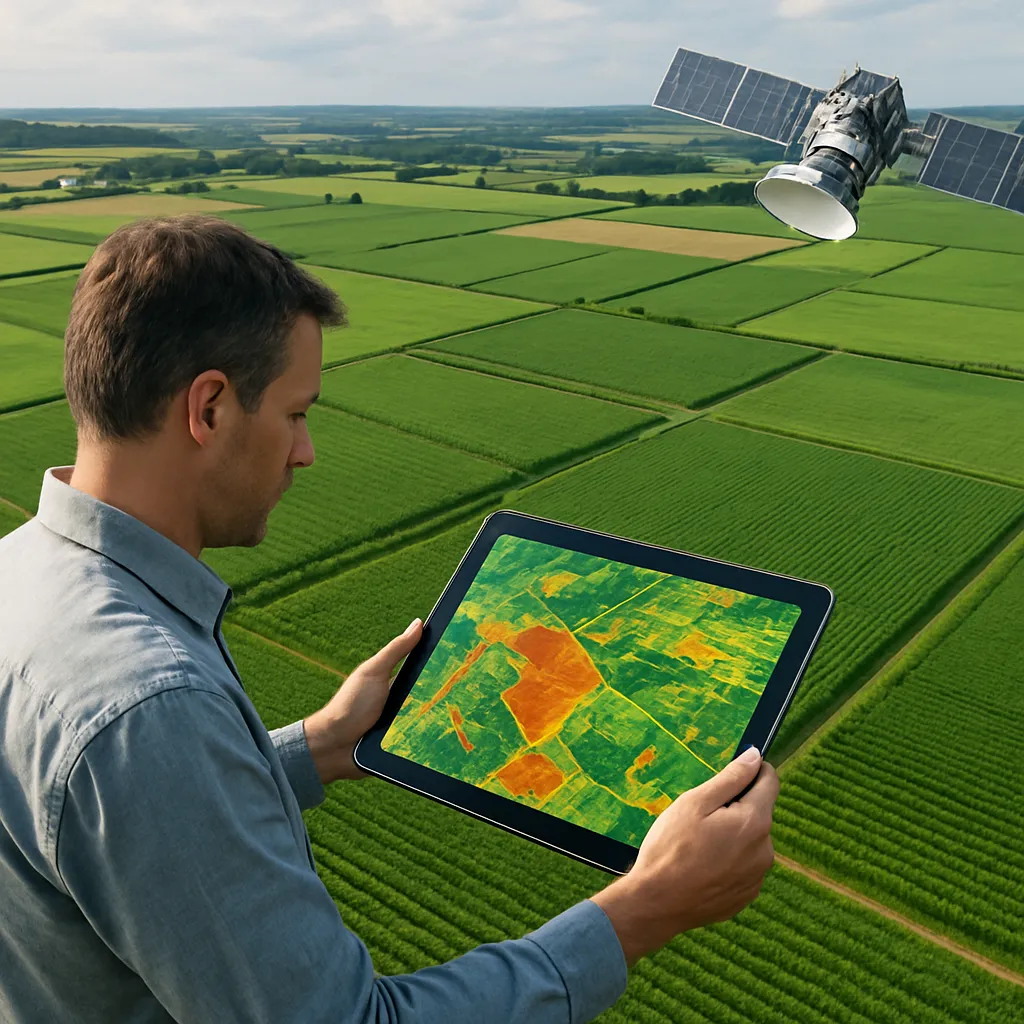
Technological progress is revolutionizing how crops are cultivated, monitored, and processed across Latin America. Digital agriculture platforms, remote sensing tools, and precision farming techniques are enabling producers to optimize inputs, reduce resource wastage, and elevate overall productivity. Leading agribusinesses are piloting sensor-based soil mapping, variable-rate fertilization, and drone scouting to fine-tune operations at the micro-plot level.
Other notable innovations include:
- Biofortification programs that enhance the nutrient content of staple crops, addressing malnutrition in vulnerable populations.
- Development of drought-tolerant and pest-resistant seed varieties through marker-assisted breeding and genomic selection.
- Integration of blockchain solutions to trace provenance, assure quality, and combat fraud in high-value supply chains.
At the intersection of technology and sustainability, many producers are turning to agroforestry systems that combine tree cover with annual crops, sequestering carbon while diversifying income streams. Water management innovations, such as drip irrigation and automated monitoring, are crucial in arid regions like northeastern Brazil and northern Mexico, where water scarcity poses a persistent challenge.
Digital Platforms and Farmer Empowerment
Mobile-based advisory services, delivered through apps and SMS channels, are democratizing access to agronomic expertise. Smallholder farmers receive real-time alerts on pest outbreaks, market prices, and weather forecasts, enabling data-driven decisions. These platforms often integrate with microfinance institutions, facilitating timely disbursement of loans tied to planting cycles.
Trade Policies and International Cooperation
Latin America’s integration into the global agri value chain hinges on bilateral and multilateral trade agreements. Recent deals, such as the EU-Mercosur agreement, promise to reduce tariffs on beef, poultry, and grains in exchange for stronger commitments on environmental protection. Negotiations with China are also intensifying, with quotas for soy and corn exports under discussion.
Key considerations in the trade landscape include:
- Regulatory alignment on sanitary and phytosanitary standards to streamline cross-border movements of perishable goods.
- Development of carbon credit mechanisms that reward farmers for reducing greenhouse gas emissions.
- Regional cooperation initiatives, such as the Pacific Alliance, which promote harmonized certification processes and mutual recognition of organic labels.
While enhanced market access presents opportunities, it also imposes stricter compliance requirements. Farmers must invest in traceability systems, adhere to deforestation-free supply chain mandates, and comply with labor welfare regulations. Technical assistance programs, financed by exporting partners, are crucial for producers to navigate complex certification schemes.
Balancing Competitiveness and Conservation
Efforts to reconcile agricultural expansion with forest and biodiversity conservation have led to innovative zoning policies. Brazil’s Low-Carbon Agriculture Program (ABC) offers credit lines for no-till farming, agroecological practices, and integrated livestock–crop systems. Such initiatives aim to curb illegal deforestation while sustaining the sector’s competitive edge.
Supply Chain and Infrastructure Development
Upgrading supply chains is imperative to minimize post-harvest losses, ensure product quality, and meet the stringent requirements of international buyers. Cold chain facilities, storage silos, and packhouses are being installed near production hubs to preserve the freshness of fruits, vegetables, and dairy items.
Major investments are directed towards:
- Rail and road corridors that connect interior grain belts with coastal port complexes.
- Modernization of inland waterways and river ports to leverage the Amazon and Paraná basins for bulk transport.
- Deployment of smart logistics platforms that coordinate truck fleets, warehouse capacities, and shipment schedules in real time.
Enhancing rural connectivity through broadband internet expansion supports e-commerce channels, enabling farmers to access direct-to-consumer platforms and bypass traditional intermediaries. This digital infrastructure not only boosts margins but also fosters transparency, as traceability data is uploaded at each handover point.
Financing Gaps and Future Outlook
Despite progress, financing remains a bottleneck for many small and medium-sized enterprises. Innovative credit models, such as warehouse receipt financing and outcome-based loans, are emerging to de-risk lending. As climate-related risks escalate, insurers and lenders are collaborating to integrate environmental and social governance criteria into underwriting processes.
The convergence of trade, innovation, and policy reforms is shaping a more competitive and sustainable agricultural sector in Latin America. As stakeholders continue to invest in resilient value chains and green technologies, the region is poised to consolidate its role as a pivotal supplier in the global food system.