The integration of renewable technologies into rural landscapes is fostering a profound transformation in the global agricultural market. By harnessing solar, wind, bioenergy and digital innovations, farmers and local communities are unlocking new opportunities for growth, resilience and environmental stewardship. This evolution is not only changing how crops are produced but also redefining market dynamics, creating inclusive value chains, and empowering rural populations to thrive in an increasingly competitive world economy.
Transforming Agricultural Productivity with Renewable Energy
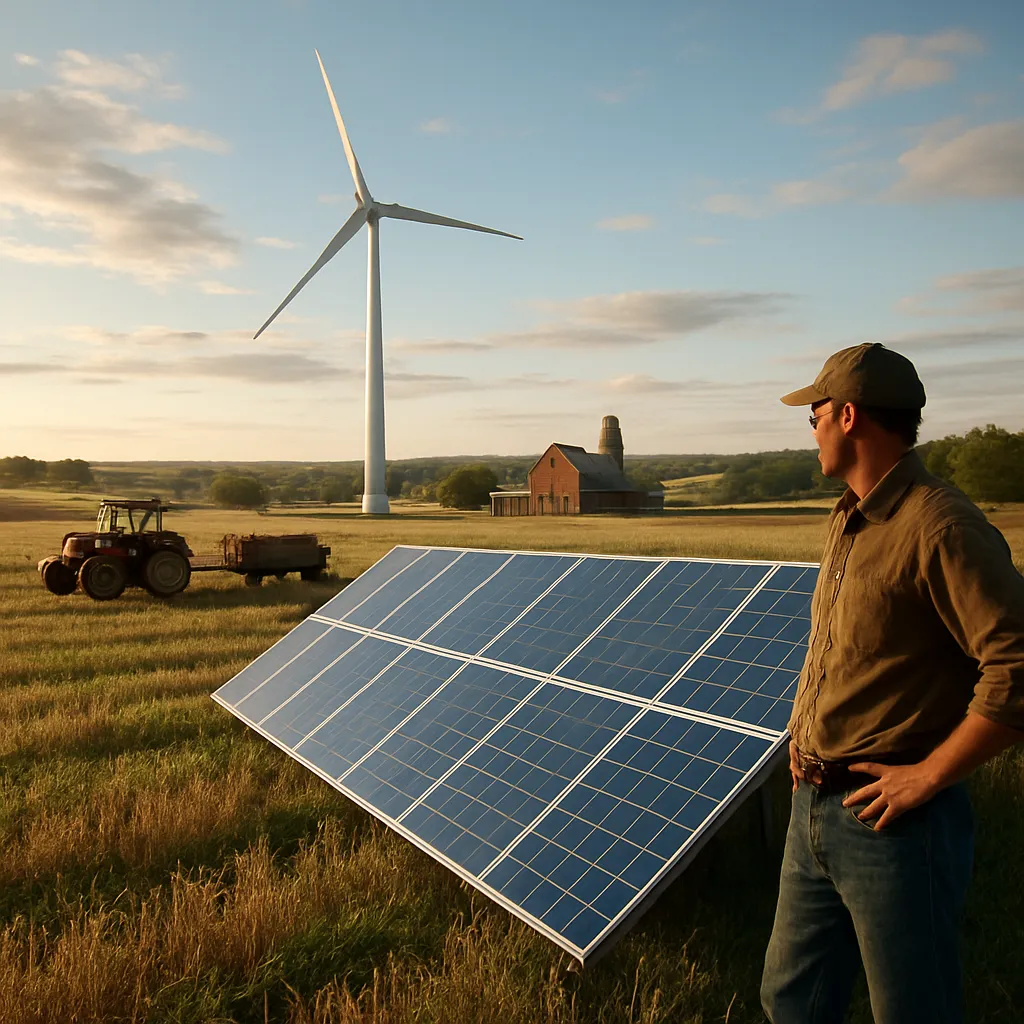
The adoption of renewable energy sources such as solar photovoltaic (PV) systems and small-scale wind turbines is revolutionizing traditional farming practices. Solar-powered irrigation pumps reduce dependence on diesel generators, cutting operating costs by up to 70%. Off-grid installations ensure reliable water delivery even in remote areas, boosting crop yields and enhancing productivity. In parallel, biogas digesters turn agricultural waste into clean energy, producing both heat and fertilizer. This circular approach not only minimizes waste disposal challenges but also improves soil health and water retention.
Modern greenhouses equipped with energy-efficient LED lighting and climate-control systems are extending growing seasons, allowing farmers to cultivate high-value vegetables year-round. By integrating on-site battery storage solutions, producers can shift energy usage to off-peak hours, achieving greater efficiency and cost savings. Moreover, microgrid networks enable energy sharing between neighboring farms, fostering community-based resilience and reducing vulnerability to grid outages.
Diversification of Income Streams and Market Access
Beyond crop cultivation, rural entrepreneurs are embracing value-added activities enabled by renewable systems. Solar dryers for fruits and vegetables extend shelf life, opening export avenues by ensuring quality and safety standards. Cold storage facilities powered by clean energy prevent post-harvest losses and stabilize market supply, which in turn insulates farmers from price fluctuations. The result is a diversified portfolio of products—dried herbs, biofertilizers, artisanal cheeses—that command premium prices in both domestic and international marketplace.
Cooperative models are gaining traction, as smallholders pool resources to develop community-scale processing centers. These hubs provide training in branding, packaging and quality assurance, bridging the gap between producers and large-scale distributors. Through online marketplaces and mobile applications, farmers gain real-time access to price information, logistics support and contract opportunities. This digital extension is a catalyst for diversification and financial inclusion, enabling participants to negotiate better terms and reduce reliance on intermediaries.
- Solar-powered milling and grain cleaning stations
- Bioenergy cold chains for perishables
- Community solar and wind cooperatives
- Value-added dairy and meat processing
- Local biochar production for soil enrichment
Technological Innovations and Digitalization
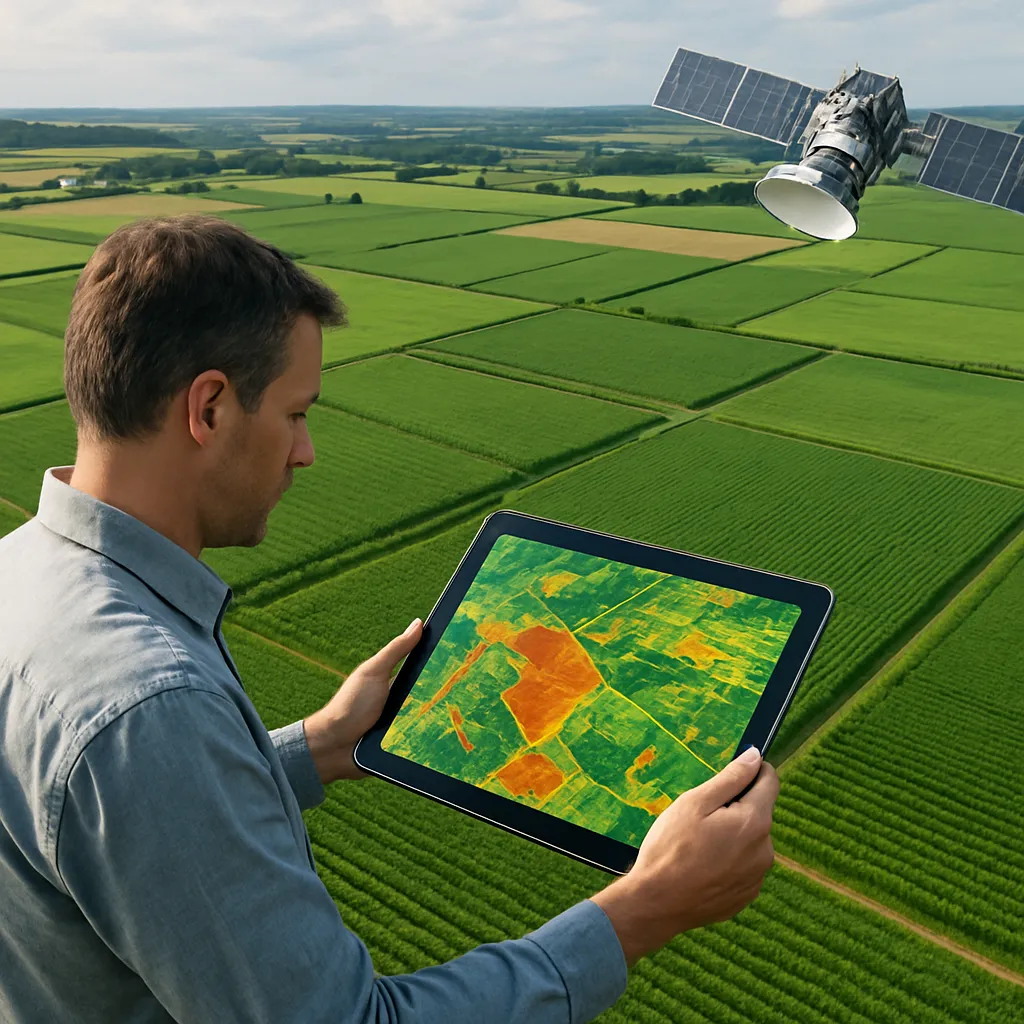
The convergence of renewable energy and precision agriculture technologies is driving unprecedented advances. Drones powered by lightweight solar panels conduct aerial surveys to monitor crop health, detect pest infestations and optimize fertilizer application. Internet of Things (IoT) sensors, sustained by off-grid power sources, collect soil moisture and weather data, enabling algorithm-driven irrigation schedules. This data-centric approach fosters innovation in pest management and resource allocation, reducing chemical inputs while maximizing yields.
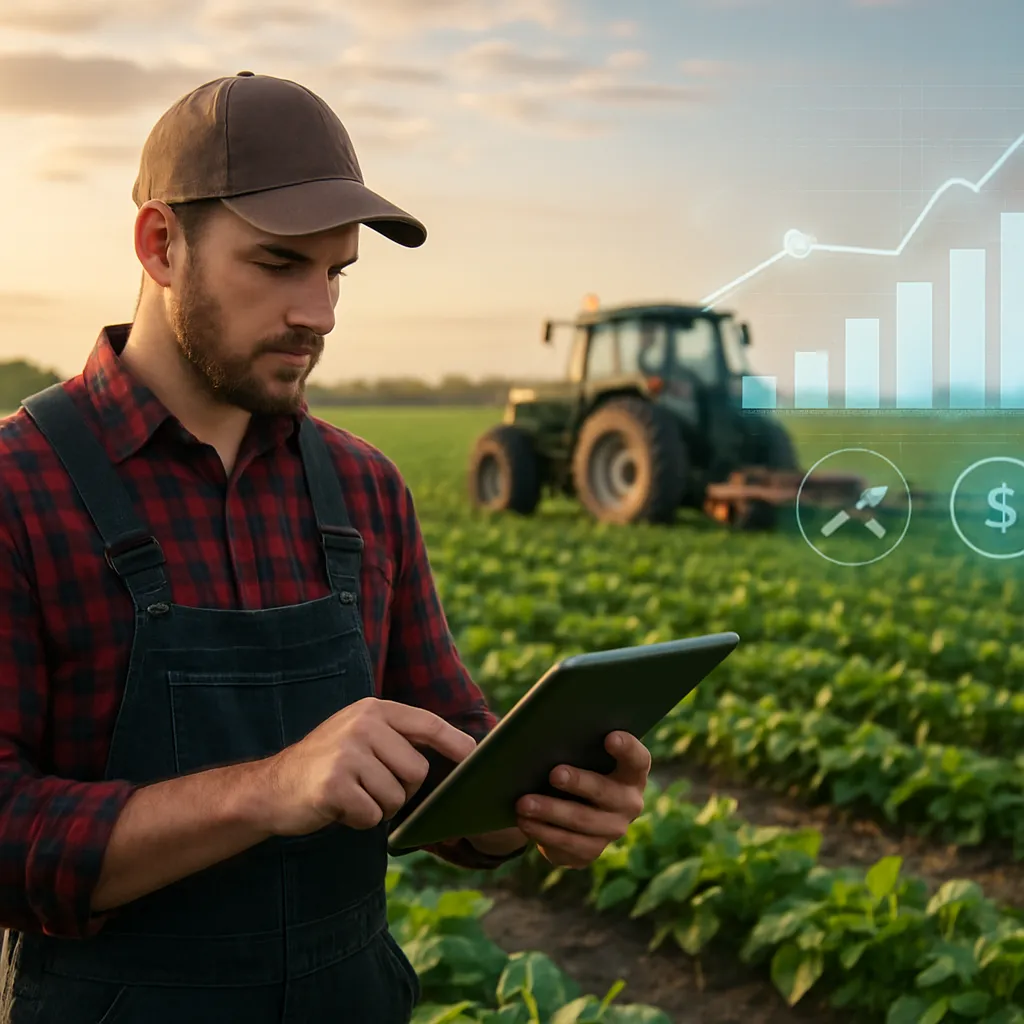
Mobile platforms are delivering tailored advice on planting dates, market trends and weather forecasts directly to farmers’ smartphones. By leveraging artificial intelligence, these tools provide predictive analytics that support decision-making and risk management. Blockchain-based supply chain solutions ensure transparency and traceability, reinforcing consumer trust in sustainably produced goods. As a result, rural stakeholders experience empowerment through enhanced market intelligence and stronger negotiating positions.
Challenges and Policy Implications
Despite the promising outlook, scaling renewable solutions in rural economies faces hurdles such as high upfront costs, regulatory barriers and limited technical capacity. Access to finance remains a critical challenge; smallholders often lack collateral for bank loans, necessitating innovative funding mechanisms like pay-as-you-go (PAYG) schemes and green bonds. Public-private partnerships are essential to mobilize investment and share risks. When governments offer tax incentives and streamlined permitting processes, project deployment accelerates significantly.
Capacity-building programs must prioritize skills development in installation, maintenance and data analytics. Collaborations with technical institutes and vocational schools can cultivate a workforce capable of sustaining complex renewable infrastructures. Meanwhile, localized policy frameworks should integrate land rights, water use regulations and grid interconnection standards. Such regulatory alignment fosters an environment where technologies can be adopted without causing unintended socio-environmental impacts.
Cultivating Resilience and Sustainable Growth
Climate Adaptation and Environmental Stewardship
Renewable-driven agriculture contributes to carbon sequestration and reduced greenhouse gas emissions, aligning rural economies with global climate targets. Practices such as agroforestry integrated with solar panels enhance biodiversity and soil carbon stocks, promoting long-term sustainability. By diversifying energy sources and value chains, communities build resilience against shocks like extreme weather events and market volatility.
Future Outlook
As technology costs continue to decline and digital connectivity spreads, the potential for widespread transformation grows stronger. Emerging innovations—such as hybrid solar-wind systems and next-generation biofuels—promise even greater efficiencies. The synergy between clean energy, data-driven farming and circular value chains will redefine global agriculture, ensuring rural societies not only survive but flourish in the new energy economy.