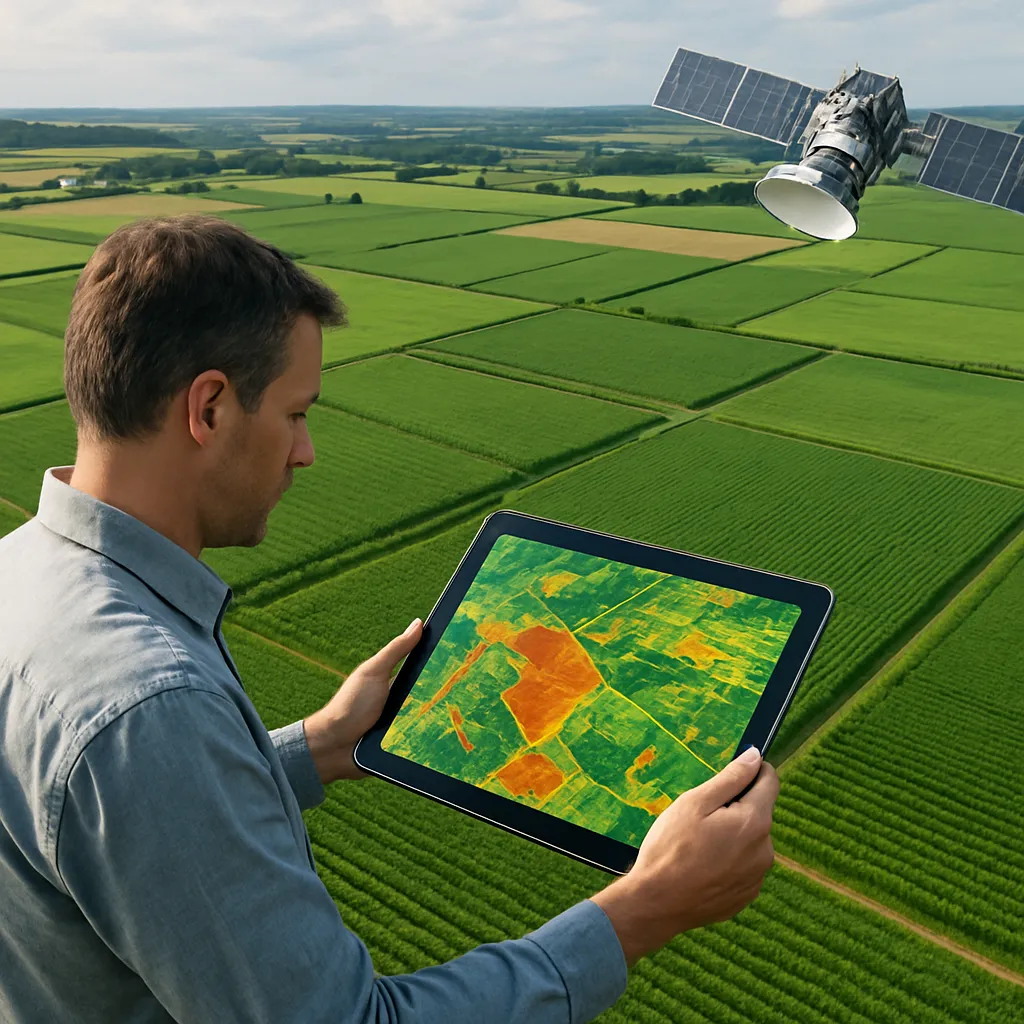
The global crop insurance sector has witnessed significant transformation in recent years, driven by evolving climate patterns, technological advancements, and shifting regulatory landscapes. Stakeholders ranging from smallholder farmers to multinational agribusinesses are exploring innovative coverage schemes and risk mitigation strategies to safeguard yields, revenues, and livelihoods.
Market Dynamics and Key Drivers
Crop insurance plays a pivotal role in fostering agricultural sustainability and financial resilience. Key drivers shaping the market include:
- Climate adaptation: Increasing frequency of extreme weather events compels insurers and policymakers to refine product offerings and pricing models.
- Risk assessment methodologies: Advanced analytics, remote sensing, and predictive models enable more accurate loss estimation and premium calculation.
- Regulatory compliance: Governments worldwide are mandating minimum coverage levels, subsidizing premiums, or enforcing index-based schemes to protect farm incomes.
- Growing awareness of supply chain vulnerabilities among food processors and retailers, prompting demand for comprehensive risk transfer solutions.
To remain competitive, insurers are optimizing their underwriting processes, expanding distribution channels, and forging strategic alliances with fintech and agritech firms. The emphasis on digitalization has accelerated incorporation of mobile platforms, drone imagery, and blockchain for claim verification and disbursement efficiency.
Regional Trends and Innovations
North America
In the United States and Canada, crop insurance is a cornerstone of federal farm policy. The U.S. Federal Crop Insurance Program (FCIP) offers various products, such as revenue protection and individual farm plans, with substantial premium subsidies. Innovations in North America include:
- Parametric insurance pilots: Trigger-based policies linked to rainfall indices or temperature thresholds.
- Precision analytics: Integration of satellite data and machine learning for more granular risk profiling.
- Customized coverage: Bundling crop insurance with multi-peril options covering hail, flood, and drought.
Meanwhile, Canada’s AgriStability and AgriInsurance programs emphasize margin protection and provincial collaboration. Insurers partner with government agencies to deliver streamlined enrollment and claims adjudication.
Europe
The European crop insurance market has historically lagged behind North America in terms of penetration rates. However, recent policy shifts under the Common Agricultural Policy (CAP) are spurring uptake. Key developments include:
- Subsidized schemes tied to environmental performance, encouraging adoption of risk management tools.
- Public–private partnerships: National governments co-fund reinsurance pools to stabilize the market during catastrophic events.
- Innovative products: Coverage for organic and specialty crops, reflecting changing consumption patterns.
France and Spain have launched index-based drought insurance programs, offering rapid indemnity payments based on meteorological data. Additionally, digital platforms are lowering barriers for smallholders in Eastern Europe to access microinsurance.
Asia-Pacific
The Asia-Pacific region presents enormous growth potential due to the high proportion of small-scale farmers vulnerable to weather shocks. Notable trends include:
- Government-backed schemes in India, Indonesia, and the Philippines, providing heavily subsidized premiums for paddy, wheat, and other staple crops.
- Mobile-based microinsurance: Pay-per-acre programs accessible via smartphone, leveraging digital wallets and remote sensing.
- Climate risk pools: Regional collaborations pooling actuarial data and reinsurance capacity to improve product affordability.
Despite progress, challenges persist in loss adjustment accuracy and claim settlement delays. Insurers are piloting AI-driven damage assessments and blockchain-enabled transparency to build farmer trust.
Challenges and Future Outlook
Technological Integration
While parametric insurance and remote sensing hold promise, their efficacy depends on data quality and infrastructure. Scaling these solutions in remote agricultural regions requires investment in:
- High-resolution satellite coverage and ground-based weather stations.
- Interoperable data platforms linking insurers, agronomists, and financial service providers.
- Training programs to equip farmers with digital literacy skills.
Regulatory Landscape
Striking a balance between affordability and financial viability is challenging. Excessive subsidy levels can distort market signals, while inadequate support may leave farmers exposed. Key considerations for regulators include:
- Defining eligibility criteria that encourage adoption without promoting moral hazard.
- Establishing risk retention thresholds for insurers and reinsurers to ensure accountability.
- Harmonizing standards across borders to facilitate cross-jurisdictional reinsurance transactions.
Climate Change Impacts
Climate volatility is the overarching risk driver for crop insurance. Long-term strategies must address:
- Portfolio diversification: Expanding coverage to non-crop assets such as livestock and aquaculture systems.
- Incentivizing conservation agriculture and agroforestry practices to enhance farm-level resilience.
- Developing risk transfer instruments for emerging perils like pest outbreaks and off-season heat stress.
Collaboration between private insurers, multilateral development banks, and NGOs can mobilize capital for climate adaptation projects and pilot innovative risk-sharing mechanisms.