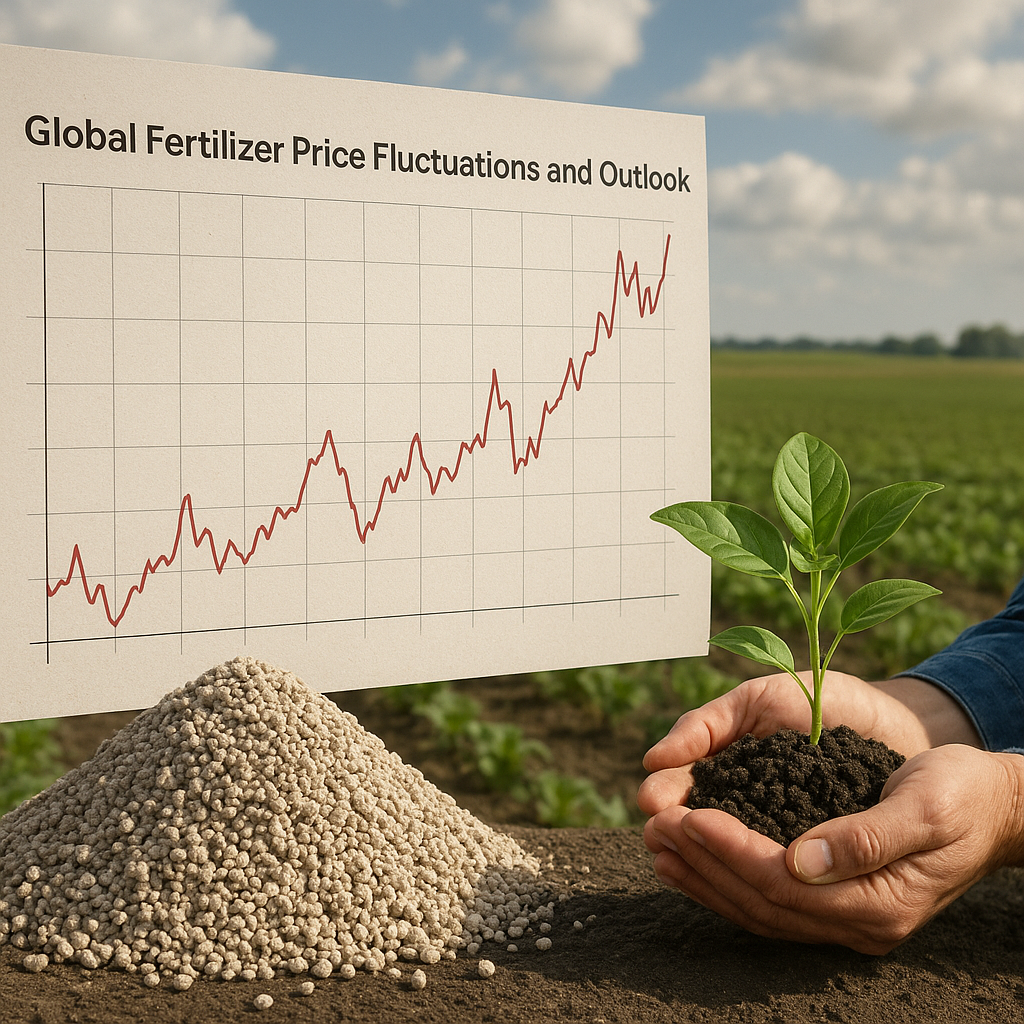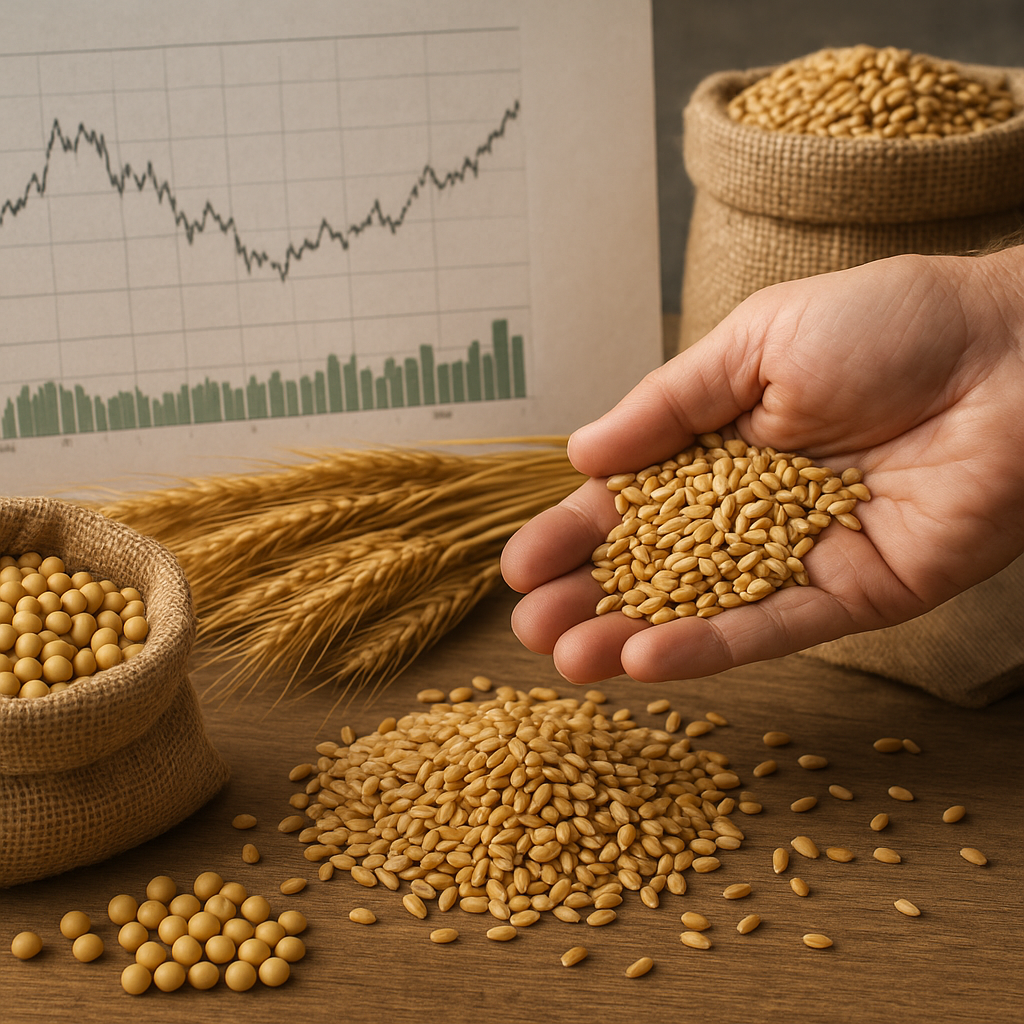
The global agricultural commodities sector presents a complex interplay of supply, demand, policy shifts, and weather-driven disruptions. For producers, processors, and traders, effective risk mitigation is essential to protect profit margins and guarantee steady cash flow. Agri commodities hedging strategies leverage financial markets to transfer price exposure, enabling stakeholders to navigate unpredictable price swings with greater confidence.
Global Market Dynamics and Price Volatility
Commodity prices are influenced by a myriad of factors that span climatic conditions, geopolitical tensions, technological advancements, and evolving consumer preferences. Key drivers include:
- Weather Variability: Droughts, floods, and temperature extremes can rapidly alter crop yields, spurring sharp price movements.
- Supply Chain Disruptions: Transportation bottlenecks, labor shortages, or logistical constraints often amplify price volatility.
- Policy and Trade Measures: Tariffs, export restrictions, and subsidies can distort market fundamentals.
- Speculation and Investor Flows: Large-scale positions by financial participants may exacerbate price trends.
Participants such as farmers and grain elevators, collectively known as hedgers, use derivative instruments to lock in pre-set prices. Meanwhile, speculators provide essential liquidity, buying and selling contracts to capitalize on anticipated price swings. This interplay creates a dynamic market environment where risk management tools are indispensable.
Core Hedging Instruments
Understanding the characteristics and applications of each instrument is critical for designing effective hedging strategies. Main derivatives in agri commodities include:
- Futures Contracts: Standardized agreements traded on regulated exchanges to buy or sell a specified quantity of a commodity at a predetermined price and date. They require initial and variation margin postings and carry basis risk—the potential divergence between the futures price and the local cash market price.
- Options on Futures: Provide the right, but not the obligation, to buy (call) or sell (put) a futures contract at a strike price before expiration. Options allow hedgers to benefit from favorable price moves while capping potential losses to the premium paid.
- Swaps: Over-the-counter agreements to exchange cash flows based on price indexes. Commodity swaps can fix floating prices or achieve floating exposure when needed.
- Forwards: Customized bilateral contracts similar to futures but traded off-exchange. They carry counterparty credit risk yet offer flexibility in contract specifications.
Each instrument presents trade-offs between cost, liquidity, customization, and credit considerations. For example, futures may be ideal for mainstream grains like corn or wheat, whereas swaps can better suit niche crops with thinner exchange volumes.
Strategic Frameworks for Effective Hedging
Hedgers follow structured approaches that align risk tolerance, production schedules, and working capital requirements. Three widely adopted frameworks include:
1. Static Hedge Ratio
The static hedge ratio, or one-to-one hedge, matches the size of the futures position to the anticipated physical exposure. This approach offers simplicity but may underperform when the correlation between the futures contract and local cash prices shifts over time.
2. Minimum Variance Hedge
By calculating the hedge ratio that minimizes portfolio variance, participants can optimize risk reduction. The formula typically involves the correlation coefficient between spot and futures returns, divided by the futures price variance. While technically superior, it demands ongoing recalibration.
3. Delta Hedging with Options
Options users may adjust the delta—the sensitivity of an option’s price to underlying price changes—by trading in the underlying futures contract. Constantly rebalancing the delta can maintain a neutral position, though this dynamic hedging strategy incurs transaction costs and operational complexity.
Implementation and Monitoring
Translating strategy into practice requires disciplined execution and robust oversight. Key steps involve:
- Defining Clear Objectives: Specify acceptable risk thresholds, target price levels, and liquidity constraints.
- Selecting Appropriate Instruments: Weigh the trade-off between exchange-traded contracts and bespoke over-the-counter agreements.
- Establishing Governance and Controls: Implement authorization limits, daily mark-to-market processes, and rigorous documentation to ensure risk management policies are adhered to.
- Ongoing Performance Review: Monitor hedge effectiveness by comparing locked-in prices against realized spot outcomes, adjusting positions when correlation structures or market conditions change.
Operational systems must capture real-time market data, calculate margin requirements, and trigger alerts for margin calls or unauthorized deviations. Strong internal controls mitigate the risk of inadvertent exposures and ensure compliance with regulatory frameworks.
Adapting to Emerging Trends
The agri commodities landscape continues to evolve, influenced by digital innovation and sustainability imperatives. Notable developments include:
- Electronic Trading Platforms: Advanced algorithmic tools and cloud-based systems are democratizing market access for smaller producers.
- Blockchain Traceability: Transparent supply chain records enhance price discovery and foster direct contracting opportunities that may reduce reliance on standardized futures.
- ESG and Sustainable Finance: Pressure to meet environmental targets is giving rise to green bonds and sustainability-linked derivatives, opening new hedging avenues aligned with carbon footprint goals.
By integrating these innovations, market participants can enhance the precision of their hedges, improve cost efficiencies, and respond proactively to consumer-driven demands for traceable, responsibly sourced commodities.
Key Considerations for Successful Hedging
Implementing a robust hedging program depends on mastering several critical elements:
- Diversification: Avoid overconcentration in a single instrument or market segment.
- Correlations: Continuously assess the relationship between cash and futures prices to refine hedge ratios.
- Margin Management: Maintain adequate working capital to meet margin calls without liquidating positions at inopportune times.
- Regulatory Compliance: Ensure all transactions align with exchange rules and local regulations on derivatives trading.
- Education and Expertise: Train personnel on contract specifications, risk metrics, and platform functionalities to optimize results.
By staying informed and executing disciplined practices, stakeholders can transform uncertain price environments into predictable revenue streams, safeguarding profitability against market swings.