The global fertilizer market has experienced dramatic shifts over recent years, influenced by a complex interplay of supply chain disruptions, geopolitical tensions, and evolving agricultural practices. This article delves into the primary factors driving these fluctuations, examines regional dynamics, explores emerging innovations, and presents an outlook for stakeholders navigating this critical sector.
Market Drivers and Price Volatility
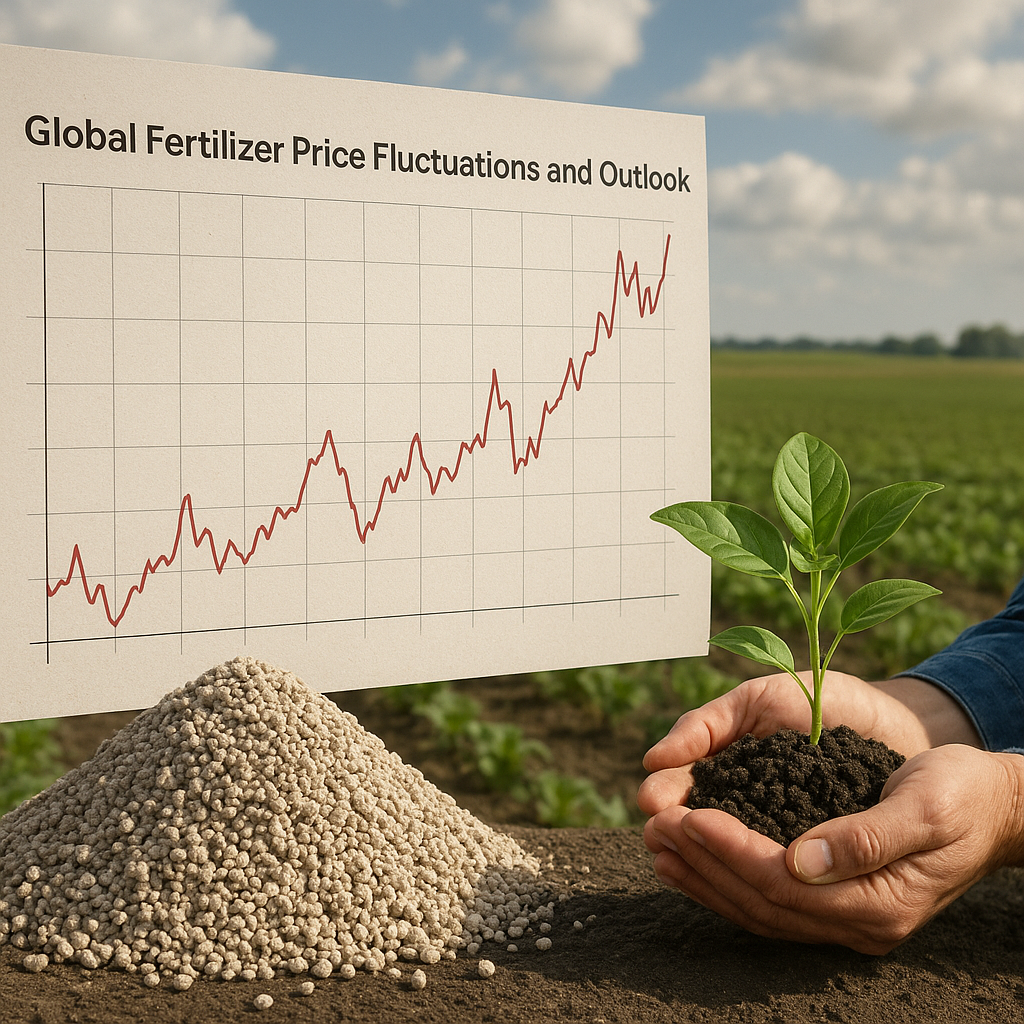
Fertilizer prices have demonstrated significant volatility since the early 2020s. A combination of pandemic-related factory shutdowns, soaring energy costs, and export restrictions contributed to rapid price escalations. By mid-2022, prices for key nutrients such as nitrogen, phosphorus, and potassium peaked at historic highs, prompting farmers to reassess input strategies and budgets.
Supply-Side Constraints
- Geopolitical tensions in Eastern Europe disrupted natural gas supplies, a critical feedstock for ammonia-based fertilizers.
- Export curbs imposed by major producers reduced global availability of both nitrogen and potash.
- Logistical bottlenecks at ports and railways led to delayed shipments and higher freight charges.
These supply-side issues directly drove up the prices of essential fertilizers, forcing many agricultural operations to delay applications or switch to less efficient alternatives. The ripple effects, particularly in emerging markets, heightened food insecurity concerns.
Demand-Side Pressures
- Rising global population and dietary shifts increased demand for high-yield crops.
- Governments implemented stimulus programs to boost agricultural productivity amid inflationary pressures.
- Environmental regulations spurred interest in precision agriculture, indirectly influencing fertilizer consumption patterns.
While demand remained generally robust, the margin between supply and want narrowed considerably. Farmers faced difficult trade-offs between maintaining crop yields and managing soaring input costs.
Regional Dynamics in the Global Market
Fertilizer dynamics vary widely across major producing and consuming regions. Understanding these nuances is critical for policymakers, agribusiness firms, and on-the-ground producers.
North America
North America benefits from relatively stable energy prices and significant natural gas reserves, providing a competitive advantage for nitrogen fertilizer production. However, rising feedstock costs and environmental regulations have prompted manufacturers to invest in carbon capture and green hydrogen projects.
Europe
Europe faces unique challenges due to stringent environmental standards and high energy prices. The European Green Deal aims to reduce synthetic fertilizer usage by 20% by 2030, encouraging innovations in organic and bio-based nutrients. Nevertheless, farmers worry about potential yield declines.
Asia-Pacific
The Asia-Pacific region represents the largest consumption market, driven by densely populated nations with agriculture-dependent economies. Recent policy shifts in India––including reduced subsidies and efforts to curb overapplication––have led to demand softening for urea. Meanwhile, China’s efforts to secure supply through long-term contracts with Middle Eastern and African producers provide some price stability.
Africa and Latin America
In sub-Saharan Africa, fertilizer adoption rates remain comparatively low, constrained by limited infrastructure and capital. International aid programs aim to boost access to nutrients needed for food security. Latin American producers, especially Brazil and Argentina, have scaled up potash and phosphate output to capitalize on strong regional demand, though internal currency fluctuations often complicate pricing.
Technological Innovations and Sustainability
To navigate the challenges of price swings and environmental concerns, the industry is investing heavily in research and development of advanced products and practices.
Enhanced Efficiency Fertilizers
- Controlled-release formulations that sync nutrient release with crop uptake.
- Nitrification inhibitors that reduce nitrogen losses to the atmosphere.
- Microbial inoculants designed to boost nutrient availability through soil microbiome enhancement.
These products help farmers optimize input use, reduce environmental footprints, and manage input budgets more effectively. Adoption rates, however, depend on the relative cost premium and demonstrable yield benefits.
Digital Agriculture and Precision Farming
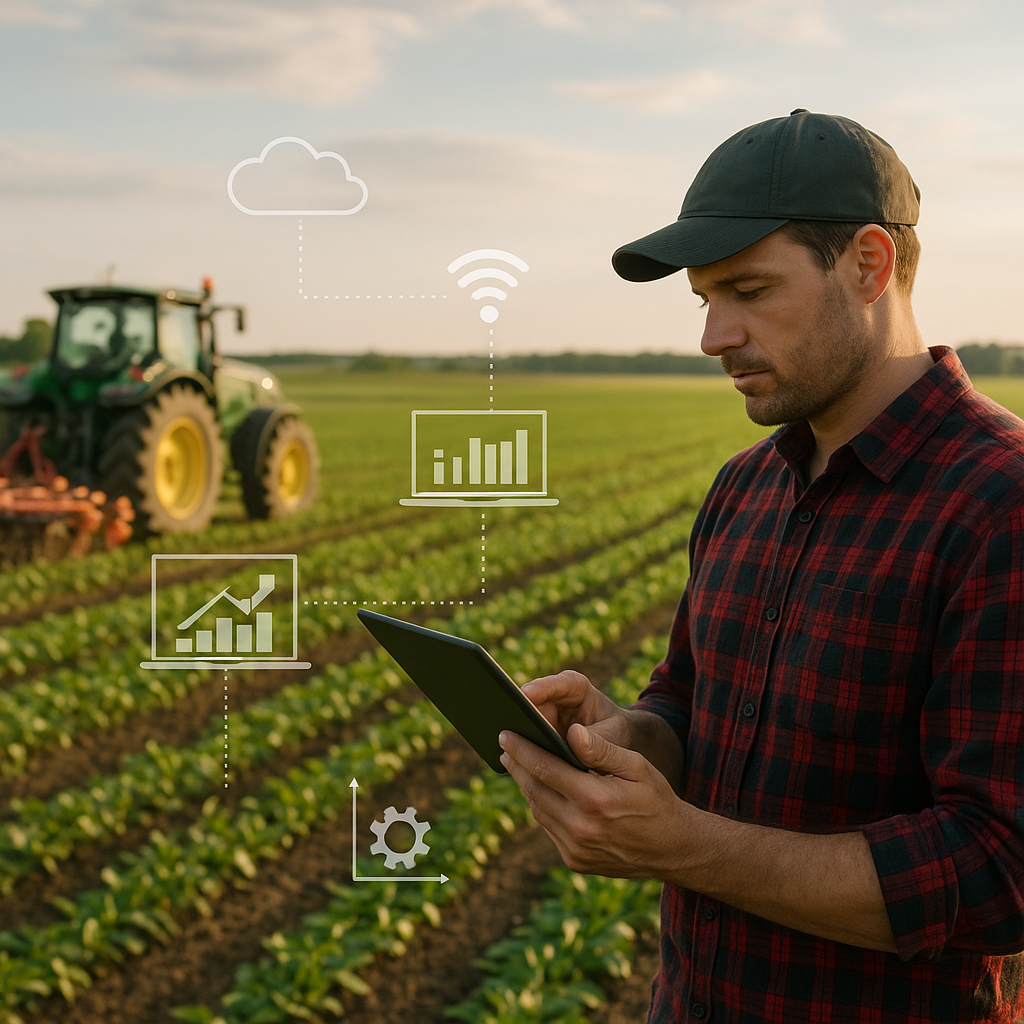
- Satellite and drone imaging offers real-time monitoring of crop health and nutrient deficiencies.
- Variable-rate application technology tailors fertilizer doses to specific field zones, minimizing waste.
- Machine learning models generate predictive insights for optimal timing and quantity of nutrient applications.
By harnessing these technology-driven solutions, operations can achieve higher resource-use efficiency and mitigate the impact of fertilizer volatility. Data management platforms also facilitate transparent supply chain tracking from production to application.
Sustainable Alternatives
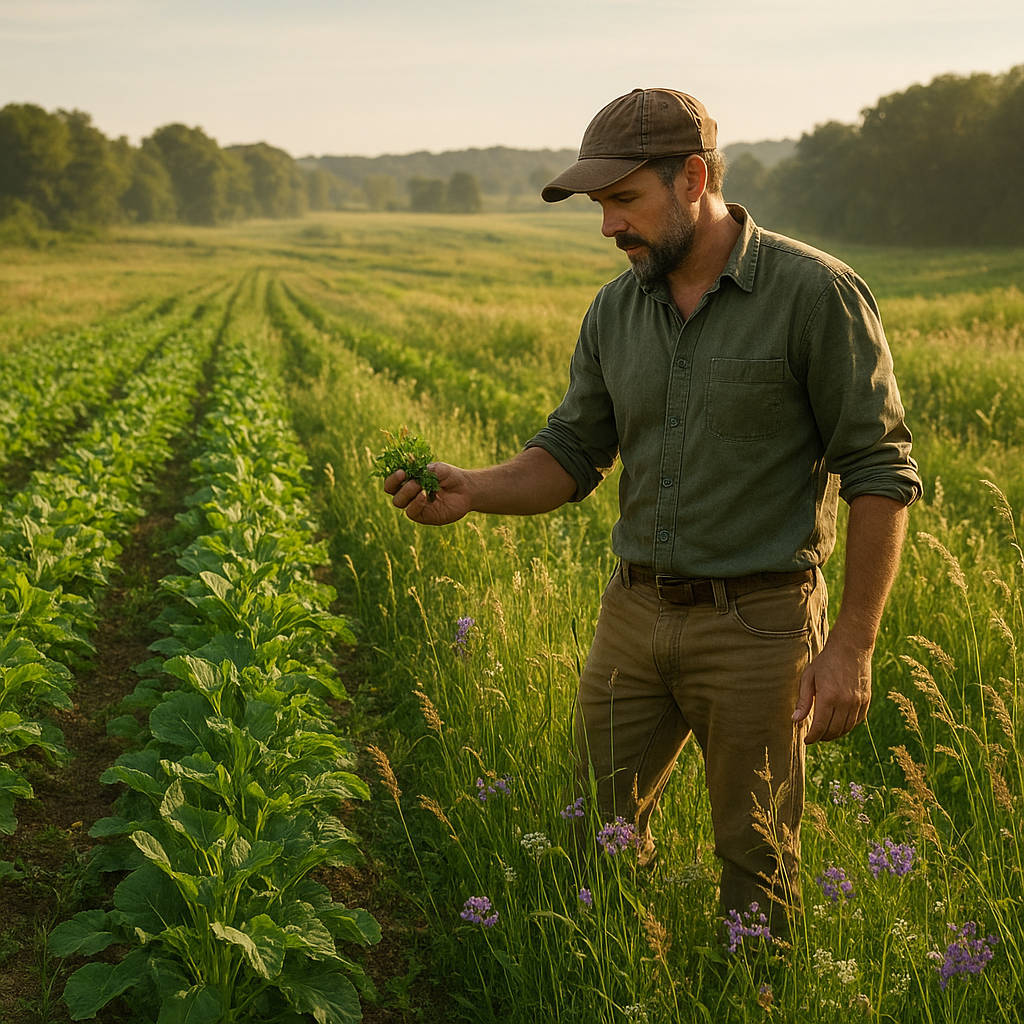
- Biofertilizers derived from nitrogen-fixing bacteria, mycorrhizal fungi, and other beneficial microorganisms.
- Recycling of organic wastes, including manure, compost, and food processing by-products.
- Green ammonia production powered by renewable energy sources such as wind and solar.
The shift toward sustainable options addresses both environmental targets and long-term resource constraints. Early pilot projects in Europe and North America demonstrate promising yield outcomes with reduced carbon footprints.
Outlook and Strategic Considerations
Looking ahead, several overarching trends will shape the fertilizer market:
- Continued pressure on energy markets as the transition to renewable sources accelerates, affecting production costs.
- Geopolitical realignments leading to new trade alliances and potential export embargoes.
- Enhanced regulatory scrutiny on fertilizer runoff and greenhouse gas emissions.
- Growing investor appetite for sustainable agritech ventures that can deliver both agriculture productivity and environmental benefits.
Producers and distributors must adopt a multifaceted strategy that balances short-term supply reliability with long-term sustainability goals. Integrating alternative nutrient sources, leveraging digital insights, and securing diversified sourcing agreements will be essential. Governments and international bodies, meanwhile, play a critical role in facilitating infrastructure development, incentivizing innovation, and ensuring equitable access to fertilizers.
The evolving landscape demands agility and foresight. Stakeholders who proactively engage with emerging technologies, support sustainable practices, and anticipate market shifts will be best positioned to thrive despite ongoing uncertainties. The coming decade will test the industry’s resilience and its ability to feed a growing global population while safeguarding planetary health.