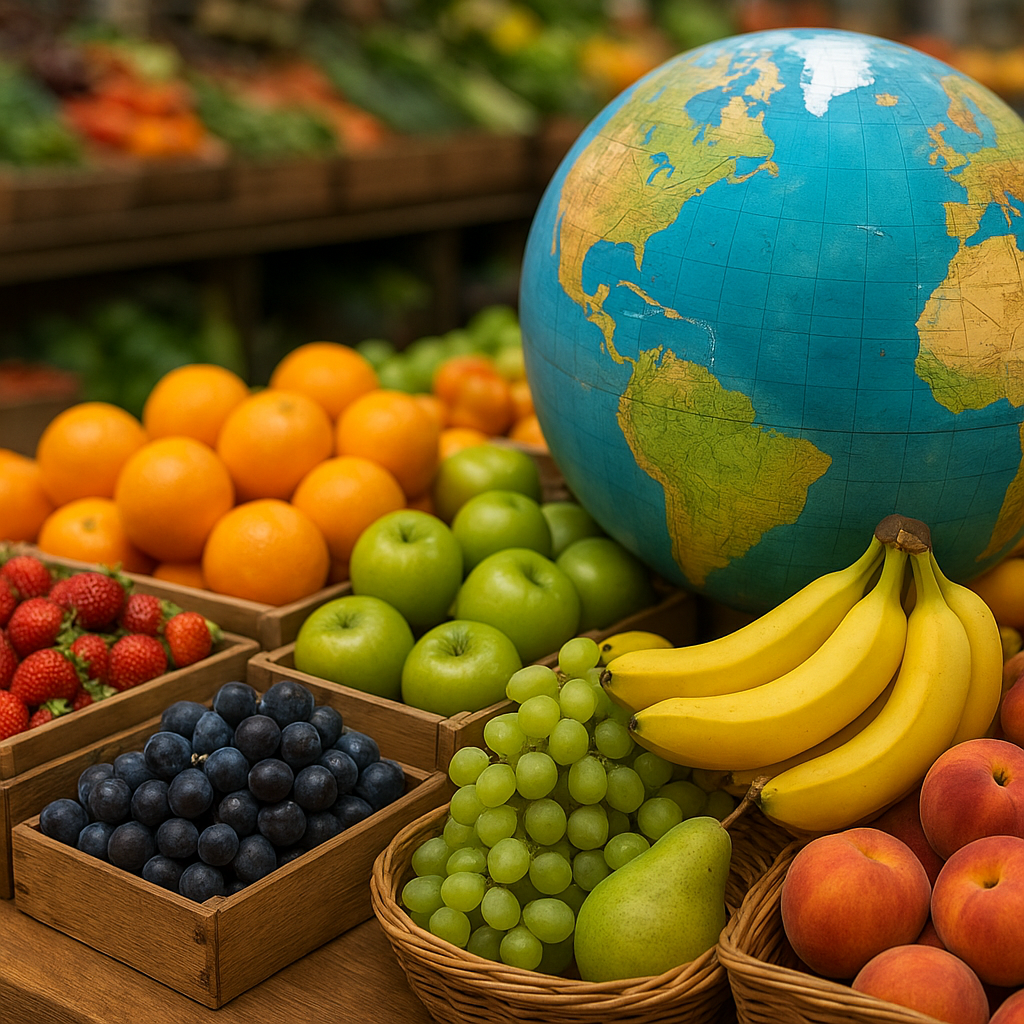
The global fruit market has witnessed remarkable expansion over the past decade, driven by evolving consumer preferences, technological advances and shifting trade patterns. Fresh produce now travels thousands of miles to reach dinner tables, while digital platforms streamline procurement and distribution. Producers and retailers are under growing pressure to adopt more sustainable practices, reduce waste and ensure food safety. At the same time, rising incomes in developing regions are fueling unprecedented demand for exotic varieties and year-round availability. This article delves into key dynamics shaping the fruit sector, examines regional trends and trade flows, and explores how innovation and sustainability will redefine the future of this vital industry.
Market Dynamics and Drivers
Rising Consumer Demand
Urbanization, health awareness and convenient lifestyles have collectively spurred a surge in fruit consumption. Shoppers increasingly seek out nutrient-rich snacks and functional ingredients, elevating the status of berries, pomegranates and other superfoods. Younger demographics, in particular, gravitate toward transparent sourcing and ethical production. Retailers respond by offering wider assortments and pre-packaged grab-and-go options. Meanwhile, promotional campaigns emphasize freshness, flavor and wellness benefits. This shift underscores the central role of consumers in steering product innovation and reinforcing the position of fruit as a staple in balanced diets worldwide.
Technological Innovations
Advancements in precision agriculture, biotechnology and post-harvest handling are revolutionizing yield optimization and quality control. Drones and satellite imagery enable real-time monitoring of orchards, helping growers detect pest infestations, nutrient deficiencies and irrigation needs. Genetic research produces disease-resistant cultivars with extended shelf life. Automated packing lines and cold-chain sensors preserve peak freshness from field to store. Even online marketplaces harness AI for demand forecasting, dynamic pricing and inventory management. Collectively, these breakthroughs highlight the pivotal role of technology in boosting productivity, reducing losses and meeting global supply requirements.
Supply Chain Optimization
Efficient logistics form the backbone of a robust fruit market, ensuring produce arrives in prime condition despite long distances and variable climates. Investments in refrigerated transport, modular shipping containers and temperature-controlled warehouses have slashed spoilage rates. Collaboration among growers, exporters and freight forwarders accelerates customs clearance and improves traceability. Advanced software solutions track individual pallets and predict transit disruptions. By integrating data streams, stakeholders can adapt routes or switch carriers to maintain continuity. This new level of coordination underscores the critical importance of a resilient supply chain in sustaining global trade flows.
Regulatory and Trade Policies
International agreements and national regulations heavily influence cross-border fruit commerce. Phytosanitary standards, pesticide residue limits and labeling requirements vary by destination, prompting exporters to navigate a complex compliance landscape. Tariff reductions under free trade pacts have opened markets for emerging suppliers, while occasional import restrictions protect domestic producers or guard against invasive species. Public–private partnerships work to harmonize protocols, reduce inspection delays and facilitate data sharing. As regulations evolve in response to food safety concerns and geopolitical shifts, agility in policy adaptation remains a cornerstone of competitive advantage in the fruit sector.
Regional Trends and Trade Flows
North America and Europe
These mature markets maintain high per-capita fruit consumption, with apples, grapes and citrus dominating shelf space. Health campaigns and school nutrition programs further amplify intake. While local production is substantial, off-season shortages drive reliance on imports from Latin America, South Africa and Southern Europe. Retail consolidation and large supermarket chains exert negotiating power over prices and quality specifications, encouraging producers to adopt standardized grading systems. Despite market saturation, niche segments such as tropical fruits and exotic berries are rapidly gaining traction among adventurous consumers.
Asia-Pacific Expansion
Rapid urban growth and rising disposable incomes in China, India and Southeast Asia have turned the region into the fruit industry’s hottest growth frontier. Domestic producers scale up modern orchards, while cross-border trade in bananas, mangoes and avocados surges. E-commerce platforms offer same-day delivery, transforming purchase habits. Government initiatives to improve rural infrastructure and export competitiveness amplify supply chain capabilities. The proliferation of cold storage facilities in key hubs reduces post-harvest losses and enhances quality, positioning Asia-Pacific as both a massive consumption zone and an emerging export powerhouse.
Latin America and Caribbean
Favorable climates and diverse ecosystems enable year-round cultivation of high-value fruits such as avocados, berries and papayas. Mexico leads avocado exports, while Peru has emerged as a top source of blueberries and grapes for North American and European markets. Strategic investments in port upgrades and agro-industrial parks have optimized shipping corridors. However, smallholder producers still face challenges accessing credit and meeting stringent quality standards. Cooperative models and certification programs are increasingly vital for scaling production and unlocking premium market segments.
Africa and Middle East
The region’s fruit sector is poised for rapid transformation, propelled by growing domestic demand and export opportunities. Egypt, South Africa and Morocco have established themselves as leading suppliers to Europe, particularly of citrus and table grapes. Meanwhile, Gulf states invest in greenhouses and hydroponic farms to reduce import dependence. Initiatives to strengthen rural economies, improve irrigation and expand cold chain networks are underway. Enhanced collaboration with international buyers and technology providers is key to unlocking the continent’s vast agricultural potential.
Sustainability and Future Outlook
Climate Impact and Resilience
Rising temperatures, erratic rainfall and extreme weather events pose mounting risks to orchards worldwide. Growers adopt climate-adaptive practices such as drought-tolerant rootstocks, water-efficient irrigation and agroforestry. Remote sensing enables early warnings for frost and heatwaves, allowing proactive mitigation. Carbon footprint reduction through renewable energy use and optimized logistics gains prominence in sustainability reporting. As the industry navigates the realities of climate change, resilience strategies will define long-term viability and shape investment flows into research and infrastructure.
Organic and Health-focused Products
Consumer preference for cleaner, chemical-free produce drives the expansion of the organic segment. Certification schemes ensure adherence to strict cultivation and handling standards. Premium pricing supports smaller, diversified farms focusing on local and heirloom varieties. Functional fruits fortified with probiotics or botanical extracts address wellness trends, from gut health to natural immunity boosters. Retailers leverage storytelling and transparent supply chains to build brand loyalty, while producers explore value-added products like dried fruit snacks and cold-pressed juices to capture higher margins.
Digital Transformation and Traceability
Blockchain, IoT sensors and cloud-based platforms are revolutionizing how stakeholders verify origin, quality and safety. Consumers scan QR codes to trace fruits back to specific farms and harvest dates, reinforcing trust and enabling rapid recalls if necessary. Digital marketplaces connect smallholders directly with retailers, bypassing intermediaries and improving profitability. Data analytics optimize planting schedules, yield forecasts and logistics planning. This wave of digitization not only enhances operational efficiency but also empowers end-to-end traceability, a non-negotiable requirement in modern food supply chains.
Investment and Innovation Trends
Venture capital and impact investors are increasingly eyeing agri-tech startups that offer solutions for yield improvement, waste reduction and alternative protein development. From vertical farming and lab-grown fruit flavors to biodegradable packaging, novel concepts promise to disrupt traditional production models. Public funding supports research in plant genomics and sustainable pest management. Collaborative innovation hubs bring together academia, industry and policymakers to pilot new approaches. As capital flows into emergent technologies, the industry stands at the cusp of a profound transformation, driven by both environmental imperatives and shifting consumer expectations.