The global agriculture market continually evolves under the influence of myriad factors that shape the accumulation, distribution, and consumption of cereal grains. Among these factors, the management of grain stocks plays a pivotal role in ensuring food stability and guiding price movements. This article explores how fluctuations in reserves affect global markets, examines the main drivers behind these changes, and highlights regional trends and future strategies to bolster resilience.
Global Grain Stock Dynamics
Overview of Reserves
International bodies and national governments track ending stocks of major cereal grains—wheat, corn, rice, and barley—to gauge market balance. When the supply outpaces demand, inventories build up, creating downward pressure on prices. Conversely, tight supplies amplify market volatility and may spark rapid price surges. Recent seasons have seen cyclical swings in stock-to-use ratios, reflecting harvest outcomes, policy decisions, and shifting consumption patterns driven by population growth and dietary changes.
Impact on Pricing Mechanisms
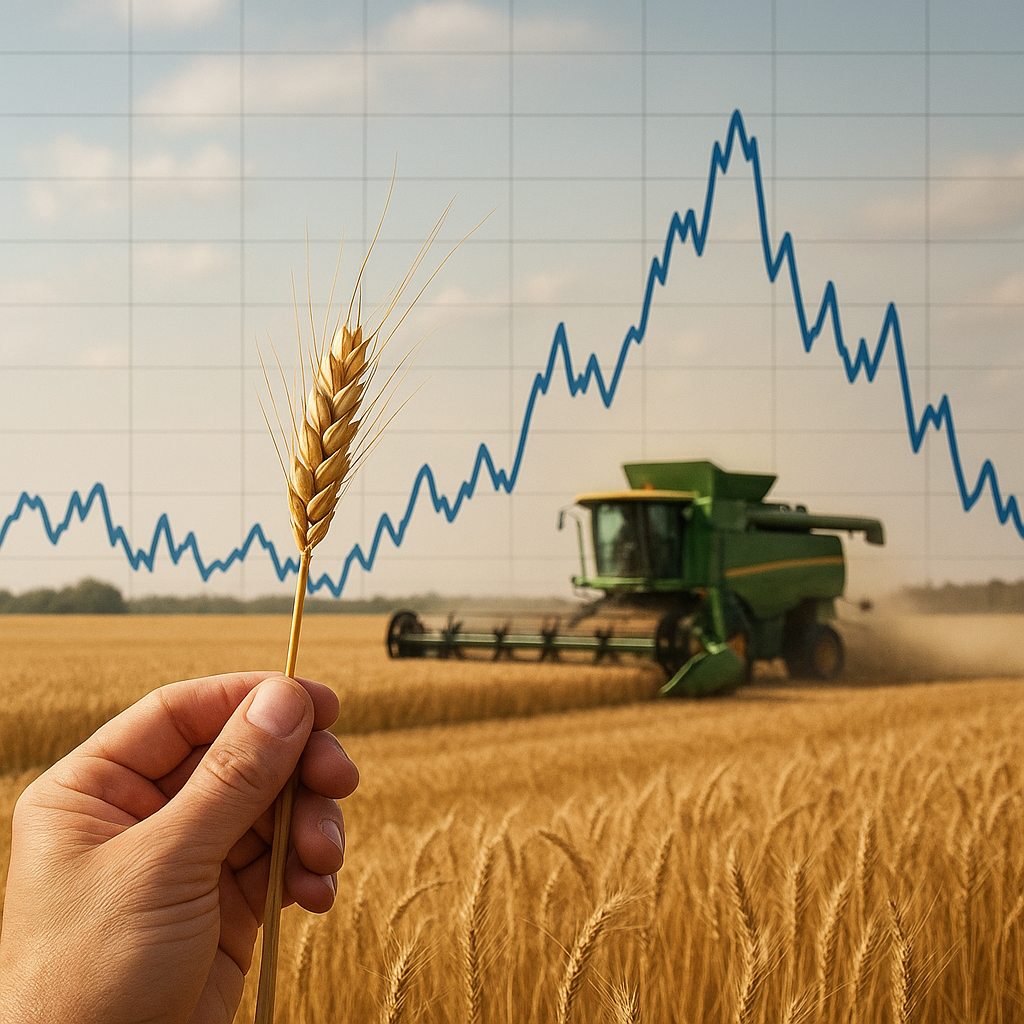
Reserves serve as a buffer that smooths out short-term shocks. Large carryover stocks can temper price spikes following a poor harvest, while depleted reserves leave little room for error. Traders and analysts closely watch official stock reports to adjust futures contracts. A higher-than-expected stock figure may trigger bearish sentiment, pushing down spot and futures prices, whereas unexpected drawdowns often fuel bullish rallies. This dynamic underscores why transparent reporting and accurate data are critical for market participants.
Drivers of Market Fluctuations
- Climatic Variability: Extreme weather events influenced by climate change—droughts, floods, and unseasonable temperatures—can devastate yields and force stock withdrawals.
- Policy Interventions: Export bans, import tariffs, and subsidies alter trade flows and incentives. Countries with abundant reserves may restrict shipments to protect domestic consumers, disrupting global supply chains.
- Biofuel Demand: Growing consumption of biofuels diverts significant quantities of corn and other grains from food and feed markets, tightening availability and lifting prices.
- Trade Agreements: Bilateral and multilateral pacts can open new export destinations or impose barriers, affecting inventory accumulation strategies among leading producers.
- Geopolitical Tensions: Conflicts in major growing regions can curtail exports and interrupt logistics, prompting panic buying and accelerated stock depletion in importing nations.
Risk of Price Spikes
Unexpected shock events—such as locust outbreaks in East Africa or floods in Southeast Asia—often compel immediate market reactions. When reserves are lean, even modest production shortfalls can lead to steep price spikes, straining food budgets in vulnerable regions. Speculators may exacerbate these moves by piling into futures positions, amplifying momentum and raising concerns about market integrity.
Regional Perspectives
North America
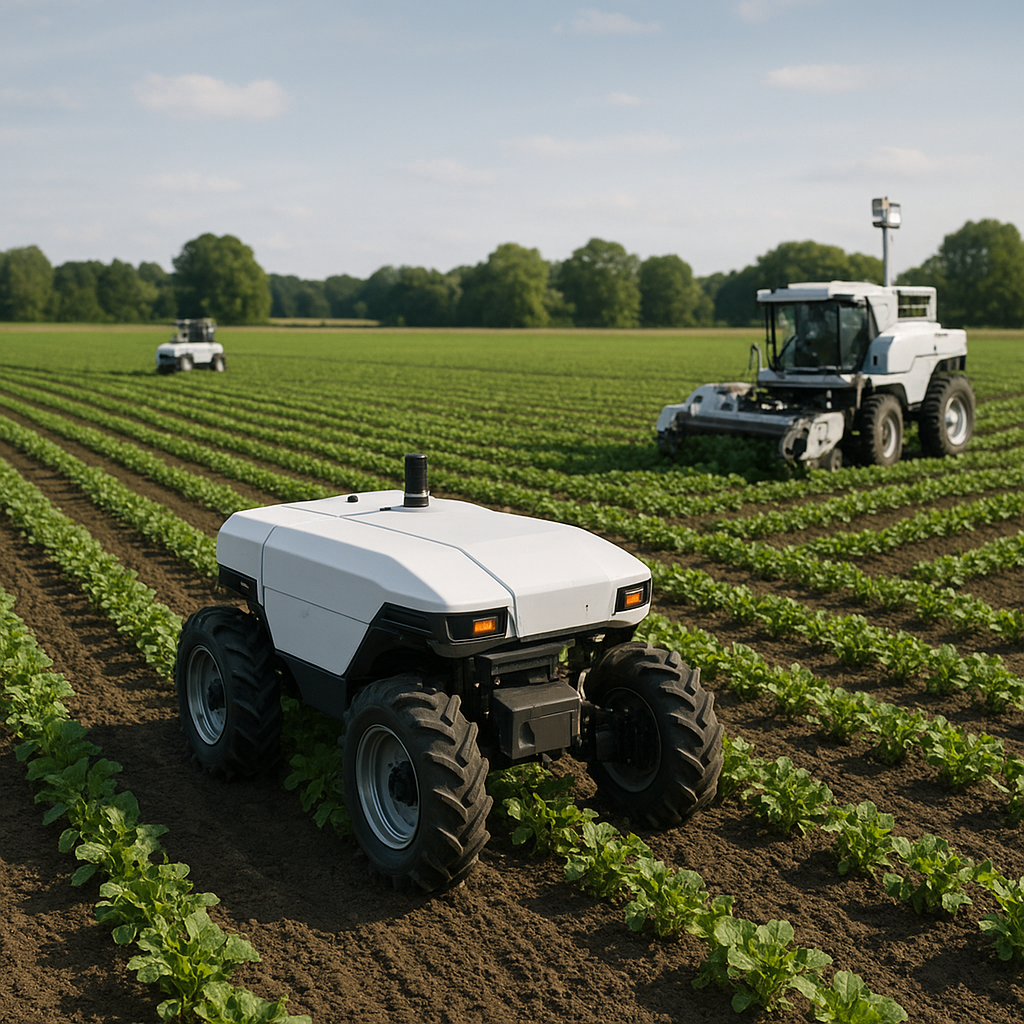
As a leading exporter of corn and wheat, the United States holds significant sway over global stocks. Technological advances in precision agriculture and genetically improved seed varieties have boosted per-acre yield, enabling substantial surpluses in favorable seasons. However, droughts in the Midwest or heatwaves during grain fill stages can rapidly erode ending stocks, underscoring persistent vulnerability to weather-optimal conditions.
Asia-Pacific
China and India, with vast and growing populations, maintain large reserves to guarantee food security. China’s state-controlled procurement system often accumulates grains at above-market prices to support farmers, leading to bloated silos and potential inefficiencies. India uses a buffer stock policy to stabilize domestic prices, though prolonged storage can raise concerns about quality deterioration and logistical bottlenecks.
Europe and Other Regions
European Union member states coordinate through the Common Agricultural Policy (CAP), balancing intervention stocks with private storage. In recent years, the EU has shifted toward market-based measures, reducing direct intervention and encouraging farmers to adapt production to market signals. Meanwhile, emerging exporters like Russia and Ukraine have expanded their footprint, altering the global supply-demand equation and prompting competitors to adjust their own reserve strategies.
Future Outlook and Strategies
Looking ahead, market participants and policymakers must address structural challenges to create more resilient reserve systems. Diversifying reserve portfolios by combining national strategic stocks with public-private partnerships can spread risk. Enhanced forecasting through satellite imagery and big data analytics promises earlier detection of yield anomalies, allowing timely policy responses and commercial hedges.
Investment in modern storage facilities—such as hermetic silos and temperature-controlled warehouses—will reduce post-harvest losses and preserve grain quality. Strengthening regional trade corridors and streamlining customs procedures can facilitate rapid stock movements during crises, preventing localized shortages from escalating into global emergencies. Finally, integrating sustainability metrics into reserve planning ensures that grain stocks support environmental goals while maintaining economic viability.