The integration of e-commerce into the agricultural sector is driving a profound transformation in how crops, livestock products, and other farm inputs are traded across borders and within domestic markets. From rural cooperatives to multinational agribusinesses, stakeholders are harnessing digital channels to reach new customers, optimize operations, and tackle longstanding inefficiencies. As consumers demand fresher produce and traceable origins, and producers seek better margins and market access, the agricultural global market is witnessing a surge of innovation. This article explores the evolving landscape, key enablers, and future horizons at the intersection of farming and online trade.
Understanding the Shifts in Agricultural Trade
Historically, agricultural trade depended on intermediaries, local brokers, and large wholesale markets. Farmers often had limited visibility into final retail prices, and consumers faced restricted product variety and uncertain quality. The introduction of digital platforms has started to break down these traditional barriers. By providing centralized online marketplaces, farmers gain direct access to domestic and international buyers, while retailers and end-users enjoy a broader selection at competitive rates.
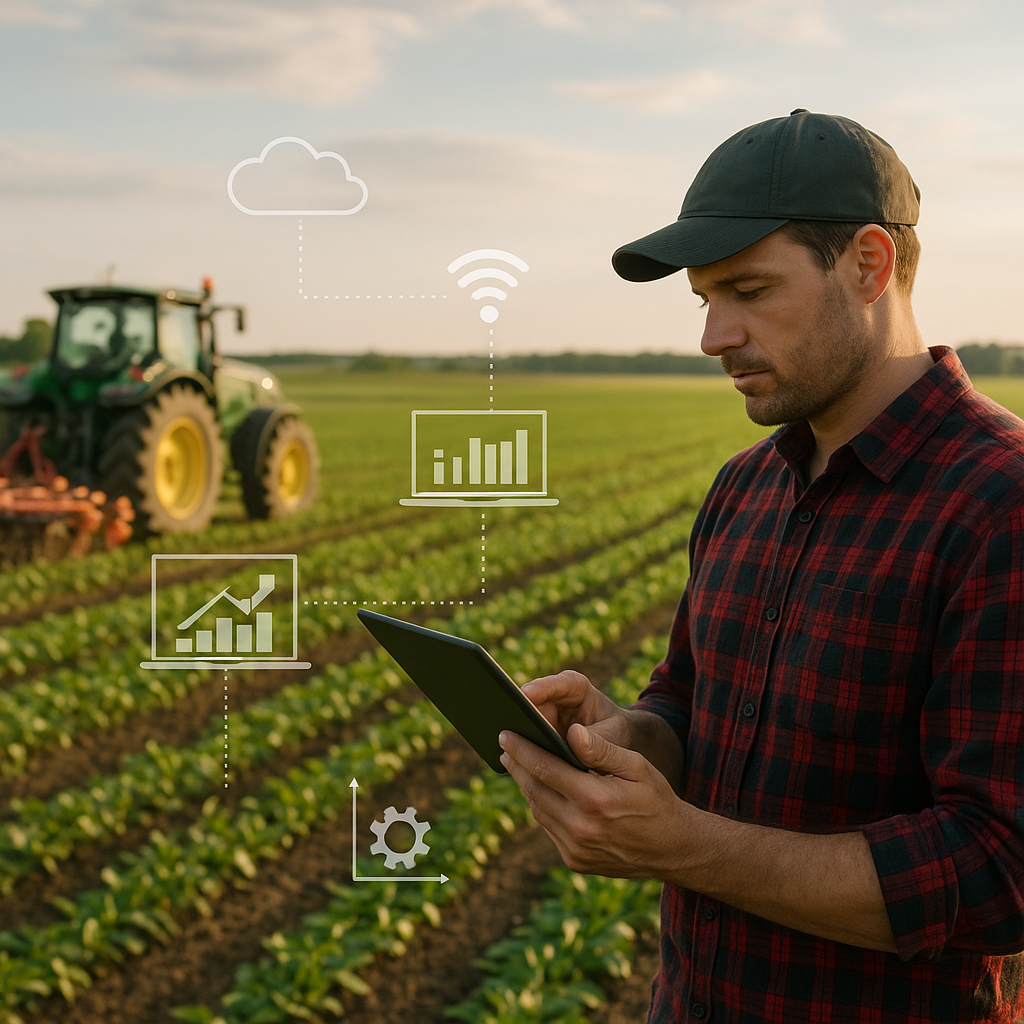
Supply chain inefficiencies—such as spoilage during transport, mismatched demand forecasting, and opaque pricing—have been major pain points. Through real-time data analytics and mobile connectivity, stakeholders can now monitor produce from field to distribution center, adjusting logistics dynamically. This shift is not only improving margin capture for farmers but also enhancing food safety and reducing waste. Moreover, the trend toward direct farm-to-consumer models is strengthening links between rural producers and urban populations.
Another critical factor is the rise of digital payment systems. In many emerging economies, secure mobile wallets and online banking have lowered transaction costs and extended credit facilities to smallholders. When farmers can receive payments promptly and reinvest in quality inputs, the overall resilience of the agricultural ecosystem grows. Governments and development agencies are supporting this shift by funding infrastructure projects—rural broadband, cold storage networks, and training programs—to ensure that underserved communities can participate in the evolving supply chain.
The Emergence of Online Agricultural Marketplaces
Online agricultural marketplaces have multiplied, catering to distinct segments such as grains, fresh produce, livestock, and farm machinery. Platforms ranging from global giants to niche apps enable sellers to list their offerings with high-resolution images, certifications, and detailed specifications. Buyers can compare prices, read reviews, and negotiate terms—all within a single digital interface. This transparency fosters trust and accelerates transaction cycles.
Core Advantages of Virtual Marketplaces
- Improved Market Reach: Producers can sell to distant regions without physical travel.
- Real-Time Pricing: Automated mechanisms update prices based on supply-demand fluctuations.
- Quality Assurance: Digital records and third-party audits ensure product standards.
- Payment Security: Escrow services protect both buyers and sellers against defaults.
- Data Insights: Analytics tools help forecast demand and optimize planting or harvesting schedules.
Many platforms also incorporate blockchain solutions to guarantee provenance. A traceable ledger records every handoff—from seeding and fertilizing to packing and shipping—giving end-users confidence in authenticity. This capability is especially valuable for high-value exports such as organic coffee, specialty grains, and artisanal dairy products. By verifying every step, exporters can command premium prices and meet stringent regulatory standards in target markets.
Innovative features like dynamic contracts are emerging, where pricing, delivery, and quality benchmarks are codified digitally. If a shipment fails to meet pre-agreed moisture content or pesticide residue levels, automated clauses can apply discounts or allow contract termination. Such mechanisms reduce disputes and foster a more resilient trading environment. As these services evolve, agriculture is gradually aligning with best practices long established in manufacturing and retail sectors.
Challenges and Opportunities for Stakeholders
Despite its rapid expansion, e-commerce in agriculture faces distinct hurdles. Rural connectivity remains uneven, particularly in remote farming regions. High-speed internet and reliable mobile networks are prerequisites for real-time trading and logistics coordination. Public-private partnerships are critical to closing this digital divide and empowering smallholder farmers to participate meaningfully.
Another challenge lies in optimizing logistics and last-mile delivery. Perishable goods require temperature-controlled transport and swift handling. Cold chain infrastructure is capital-intensive and often scarce outside major production zones. Innovative solutions—such as solar-powered refrigeration units and cooperative-owned distribution hubs—are emerging to address these gaps. In parallel, gig-economy models are recruiting local drivers to provide on-demand pickups, reducing inventory dwell time.
Regulatory frameworks must adapt to these changes as well. Cross-border e-commerce introduces complexities around tariffs, phytosanitary certificates, and import quotas. Harmonizing standards and streamlining customs procedures can significantly lower transaction costs. Policymakers are exploring single-window systems where all clearances—health, safety, and customs—are processed digitally, cutting delays and enhancing competitiveness.
On the opportunity side, data-driven decision-making is offering unprecedented insights. Farmers can leverage satellite imagery, weather forecasts, and AI-based yield predictions to optimize planting schedules and resource allocation. Retailers and exporters can monitor consumption patterns, fine-tune marketing strategies, and anticipate geopolitical risks affecting commodity prices. Such intelligence fosters agility and resilience in the face of climate variability and market volatility.
Future Outlook and Innovations
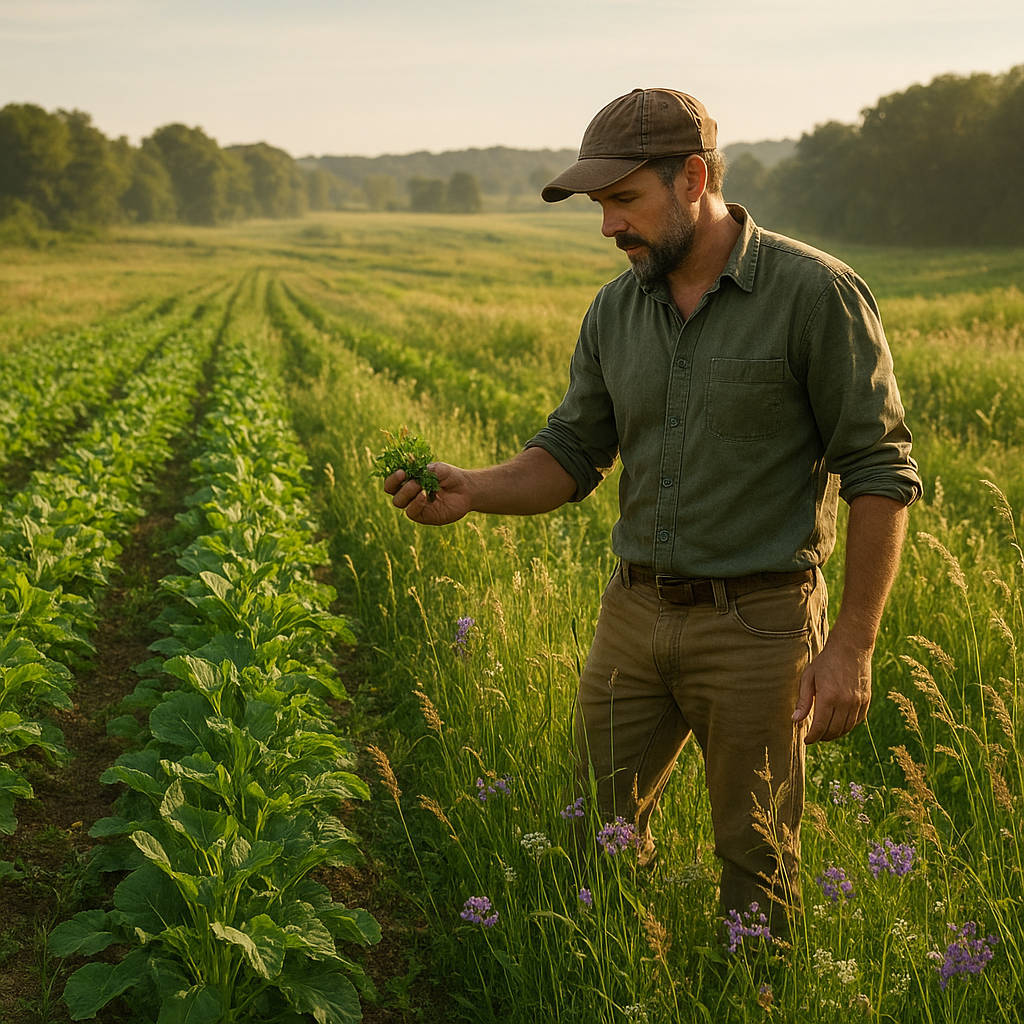
The agricultural sector is embarking on a digital revolution that will redefine global trade norms. The convergence of sustainability goals with profitability imperatives is spurring investments in eco-friendly packaging, regenerative farming credits, and carbon footprint tracking. Blockchain-enabled carbon registries allow farmers to earn rewards for adopting soil conservation measures, while transparent marketplaces showcase low-impact products to environmentally conscious buyers.
Emerging technologies such as the Internet of Things (IoT) and drone surveillance are deepening the integration of field operations with online trading systems. Smart sensors in soil and storage facilities can trigger automatic reorders when inventory dips below threshold, ensuring uninterrupted supply while minimizing overproduction. Similarly, autonomous vehicles and robotics promise to streamline harvesting, grading, and sorting—feeding high-quality goods straight into e-commerce pipelines.
Collaborative models are taking shape, where cooperatives and agritech startups pool resources to build shared digital infrastructure. By investing collectively in warehouses, cold rooms, and last-mile networks, small producers can unlock economies of scale and compete on the world stage. Meanwhile, consumer platforms are adding value through immersive experiences—virtual farm tours, interactive webinars with agronomists, and traceability dashboards that track each product’s journey.
As technology costs decline and adoption accelerates, the agricultural global market will become more accessible, efficient, and transparent. Stakeholders who embrace these trends—whether they are multinational exporters, local cooperatives, or individual growers—will be best positioned to thrive. The fusion of traditional knowledge with cutting-edge digital tools is setting the stage for a more resilient, inclusive, and sustainable food system worldwide.