The agricultural sector operates at the intersection of numerous economic forces, making it particularly sensitive to shifts in **inflation** and **interest rates**. Farmers, lenders, and traders must navigate a landscape where rising input costs, fluctuating borrowing expenses, and changing consumer demand converge. This article explores how these two financial drivers impact the global agriculture market, examines their combined effects on farm-level decision-making, and outlines adaptive strategies to secure both profitability and **sustainability**.
Inflationary Pressures on Agri Finance
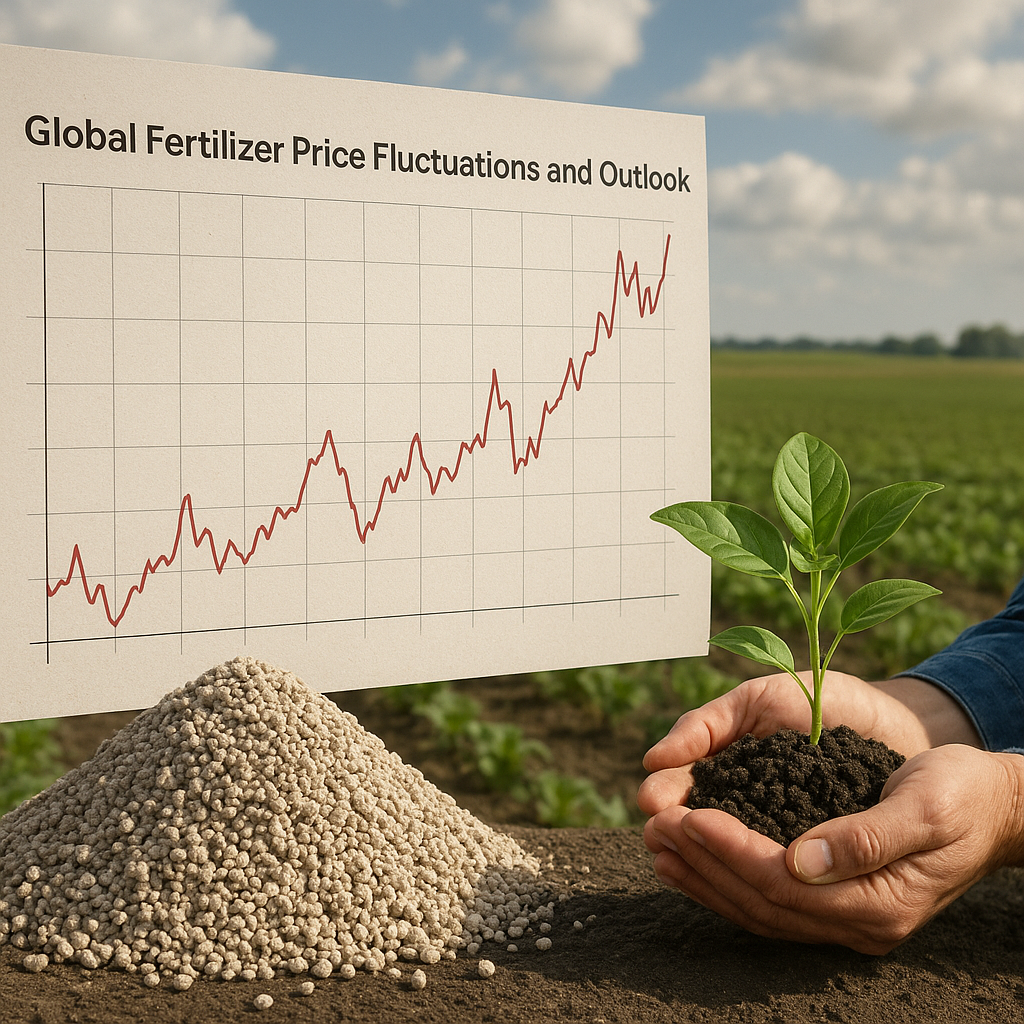
When general price levels climb, the cost structure of agricultural operations is profoundly affected. Key inputs such as **fertilizers**, seeds, fuel, and machinery experience cost increases, squeezing profit margins. At the same time, output prices for crops and livestock may rise, but often with a lag, leaving producers exposed to initial cost shocks.
Input Cost Volatility
- Energy and fuel expenses surge, driving up field operation costs and transportation fees.
- Prices of essential fertilizers and agrochemicals escalate, impacting yield targets and planting decisions.
- Labor costs adjust upward as workers demand higher wages to keep pace with living costs.
Such volatility compels farmers to rethink planting schedules, crop selection, and **risk management** frameworks. Hedging strategies in commodity markets may help, but smallholders often lack access to sophisticated financial instruments.
Effects on Farm Credit and Cash Flow
In an inflationary environment, the real value of cash reserves erodes. Farmers holding cash may find their purchasing power diminished by the time inputs are needed. This dynamic increases reliance on external **financing** solutions, which, in turn, can expose them to shifting credit terms and more frequent rollover of short-term loans.
Rising Interest Rates and Borrowing Costs
Central banks raise policy rates to tame inflation, but this escalation has ripple effects on agricultural lending. Higher **interest rates** raise the cost of capital, affecting farm expansions, equipment purchases, and land acquisitions.
Impact on Loan Structures
- Variable-rate loans become more expensive, leading to higher monthly debt servicing obligations.
- Fixed-rate instruments may see decreased availability as lenders adjust risk-premiums upward.
- Credit approval standards tighten, with stricter collateral requirements and shorter repayment timelines.
The result is a more cautious lending environment where only highly credit-worthy operations can secure favorable terms. Emerging-market farmers often face the steepest hurdles as local interest rates climb to combat domestic inflationary pressures.
Repercussions for Capital Projects
Long-term investments such as irrigation systems, storage facilities, and renewable energy installations become less financially attractive. The higher discount rates applied in project evaluations reduce net present value calculations, sometimes pushing potentially transformative projects below feasibility thresholds.
Combined Effects on the Global Agri Market
When **inflation** and **interest rates** rise together, the pressures on the agricultural sector multiply. Input costs soar simultaneously with the price of borrowing, placing farmers in a double bind.
Supply Chain Strains
- Higher logistics costs impede the movement of goods, leading to regional supply mismatches.
- Export competitiveness may suffer as domestic cost bases outpace global rivals operating under lower financing costs.
- Food price inflation can trigger policy interventions such as export bans, adding volatility for stakeholders.
Investment Redirection
Institutional investors and development agencies may redirect capital away from **agri finance** toward sectors perceived as more resilient in high-cost environments. This can leave smaller or newer farming enterprises without access to crucial equity or debt funding, stalling innovation and adoption of advanced technologies.
Adaptive Strategies for Farmers and Lenders
Despite these challenges, several tactics can mitigate the adverse impacts of inflation and high interest rates on agriculture finance.
Operational Efficiency and Cost Control
- Adopt precision agriculture techniques to optimize input usage and maximize **productivity**.
- Implement conservation agriculture practices to reduce dependence on costly synthetic inputs.
- Leverage cooperative purchasing agreements to negotiate bulk discounts on seeds, fertilizers, and fuel.
Financial Innovation and Risk Management
- Explore indexed loan products where repayment amounts adjust in line with commodity price movements.
- Use weather derivatives and crop insurance schemes to hedge against production risks.
- Engage in supply chain financing platforms that provide early payments against receivables.
Policy Advocacy and Institutional Support
- Lobby for targeted subsidies on critical agricultural inputs to cushion inflationary spikes.
- Encourage development banks to offer concessional credit lines with adjustable tenors.
- Promote public–private partnerships for infrastructure improvements that reduce logistics bottlenecks.
By combining operational enhancements with **resilient** financial instruments, stakeholders can better weather periods of economic turbulence. Collaboration among governments, financial institutions, and agribusinesses is vital to foster an environment in which farming communities thrive despite macroeconomic headwinds.