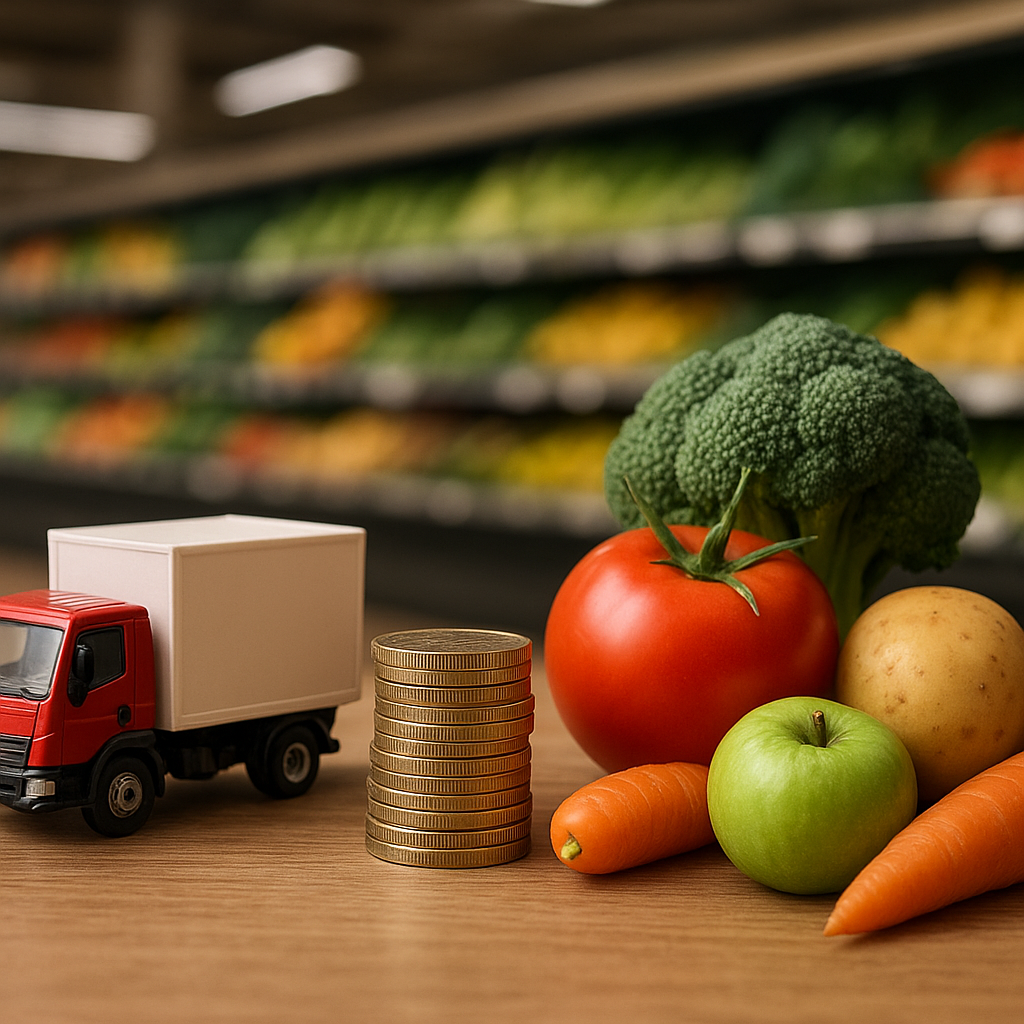
The intricate relationship between transport costs and food prices has become a focal point in contemporary discussions about the agricultural markets and the global economy. From vast grain shipments crossing oceans to fresh produce delivered from farm gates to city centers, the mechanisms of distribution determine the final expense borne by consumers. This article delves into the critical factors that shape these dynamics, exploring the roles of energy inputs, network capacities and forward-looking strategies designed to rein in ever-rising expenses.
Transport Logistics and Fuel Pricing
The backbone of any food distribution system is the logistics network that connects producers with consumers. At its core lies a dependence on fuel prices, which can fluctuate wildly with geopolitical tensions, crude oil supply shocks and seasonal demand. When the cost of diesel or bunker fuel escalates, carriers pass additional charges along the chain, inflating the baseline cost of products.
Several elements intensify this effect:
- Long-haul trucking rates, influenced by driver shortages and regulatory restrictions.
- Maritime freight tariffs, driven by container demand and port congestion.
- Rail freight schedules, subject to track availability and energy surcharges.
- Last-mile delivery expenses, often compounded by urban traffic and restrictive time slots.
Beyond direct energy costs, the maintenance of specialized refrigeration units and the management of perishable inventory further stretch the budget. Investments in cold-chain facilities and temperature-controlled vehicles add to capital expenditures, requiring operators to adjust pricing structures accordingly. With each layer of handling, the efficiency of movement declines slightly, cumulating in tangible effects on consumer shelves.
Impact on Global Supply Chains
In an era of interconnected commerce, no country remains entirely immune to fluctuations in global transport expenses. When shipping costs surge, import-dependent nations face higher food bills, which in turn strain household budgets and national inflation rates. Conversely, exporting states may gain a temporary competitive edge, but such gains often dissipate if international demand softens or alternative routes are established.
Volatility and Food Security
Persistent transport volatility introduces uncertainty into procurement planning. Governments and agribusinesses must forecast not only climatic risks and harvest yields but also freight rate cycles. Unexpected spikes can prompt panic buying, stockpiling and market distortions that propagate through financial derivatives and commodity exchanges.
- Supply chain disruptions resulting from geopolitical conflicts or port blockages.
- Shifts in sourcing patterns as countries seek to minimize exposure.
- Inflationary pressures on essential staples, exacerbating food insecurity.
- Altered consumer behavior towards local or seasonal products.
The resilience of supply chains hinges on adaptability. Stakeholders increasingly diversify their logistics portfolios, blending air, sea and land modes to balance cost against speed. In doing so, they wrestle with trade-offs between capital outlays for infrastructure and the recurrent cost of transport premiums. Effective coordination among shippers, carriers, governments and technology providers becomes indispensable for sustaining the seamless flow of goods across borders.
Strategies to Mitigate Rising Costs
Confronting escalatory trends in transport expenses demands a proactive approach. At the policy level, investments in road and rail infrastructure alleviate bottlenecks and lower per‐unit carriage fees. Subsidies for alternative fuels and tax incentives for green fleets help reduce the vulnerability associated with oil price swings.
Technological and Managerial Innovations
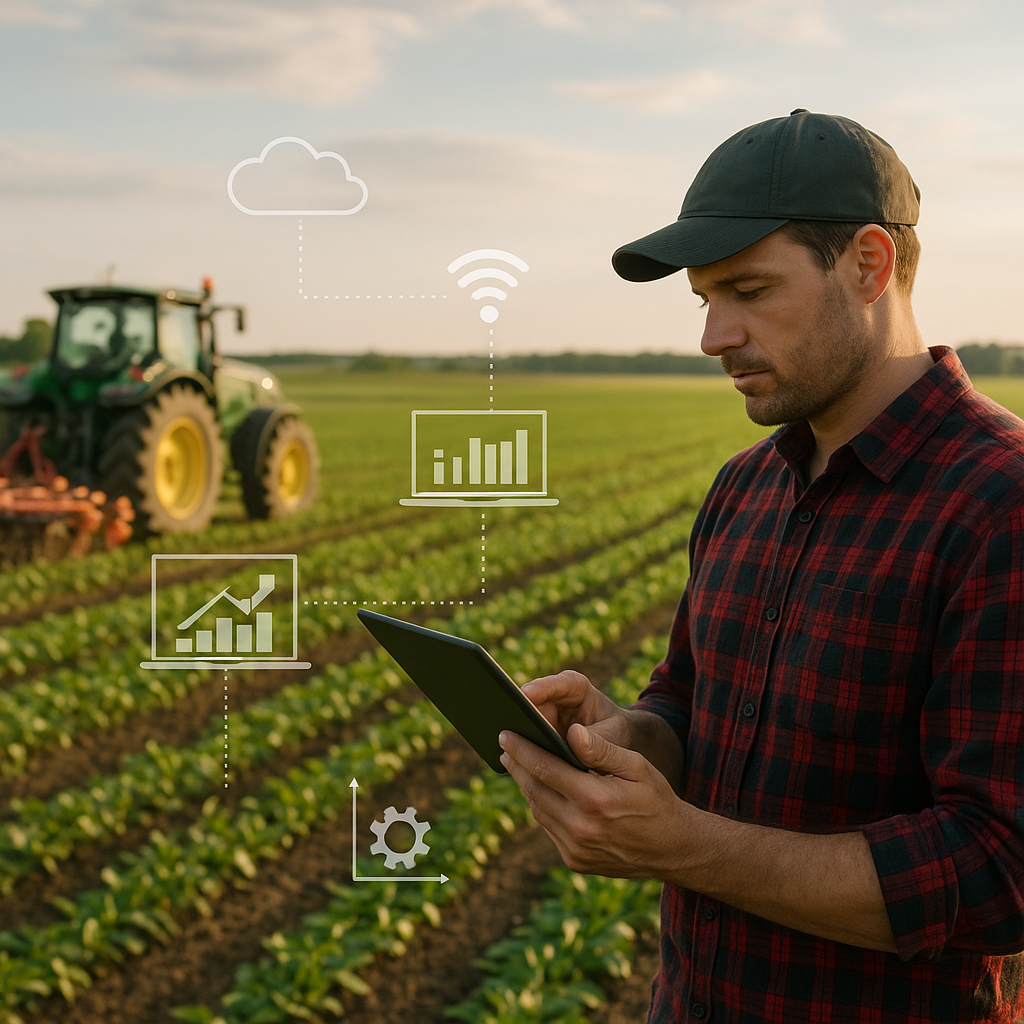
Digital platforms and data analytics are revolutionizing route planning and load optimization. By harnessing real-time traffic information and predictive algorithms, operators can consolidate shipments, minimize empty runs and maximize vehicle utilization. These advancements drive down operational costs and foster a more sustainable footprint.
- Implementation of telematics to monitor driver performance and fuel consumption.
- Adoption of hybrid or electric vehicles for short-haul distribution.
- Use of blockchain for transparent tracking and reduced administrative overhead.
- Collaboration between competitors to share capacity during peak seasons.
- Public-private partnerships to upgrade port facilities and inland terminals.
Encouraging innovation through grant schemes and international knowledge exchange empowers smaller enterprises to join large-scale networks. Cooperative ventures, such as centralized warehousing and shared refrigerated trailers, spread fixed costs across multiple users. This collective model offers a powerful counterbalance to individual companies struggling alone against rising tariffs and fuel levies.
Ultimately, the interplay between transport costs and food prices reflects broader economic forces. Continuous dialogue among stakeholders, coupled with targeted investments, can rekindle the resiliency of the global food system. By focusing on strategic planning, technological enhancement and judicious policy measures, the sector can adapt to challenges and safeguard the affordability of essential nourishment worldwide.