The expansion of vegetable cultivation across continents reflects a complex interplay of agronomic practices, market forces, and socio-economic trends. From smallholder farms in Southeast Asia to industrial-scale greenhouses in Europe and North America, the global landscape of vegetable production is undergoing rapid transformations. This article explores the major drivers behind increasing outputs, examines regional market dynamics, uncovers the roots of price volatility, and highlights innovative solutions aimed at fostering a more resilient and sustainable supply chain.
Global Trends in Vegetable Production
Rising Output and Productivity Gains
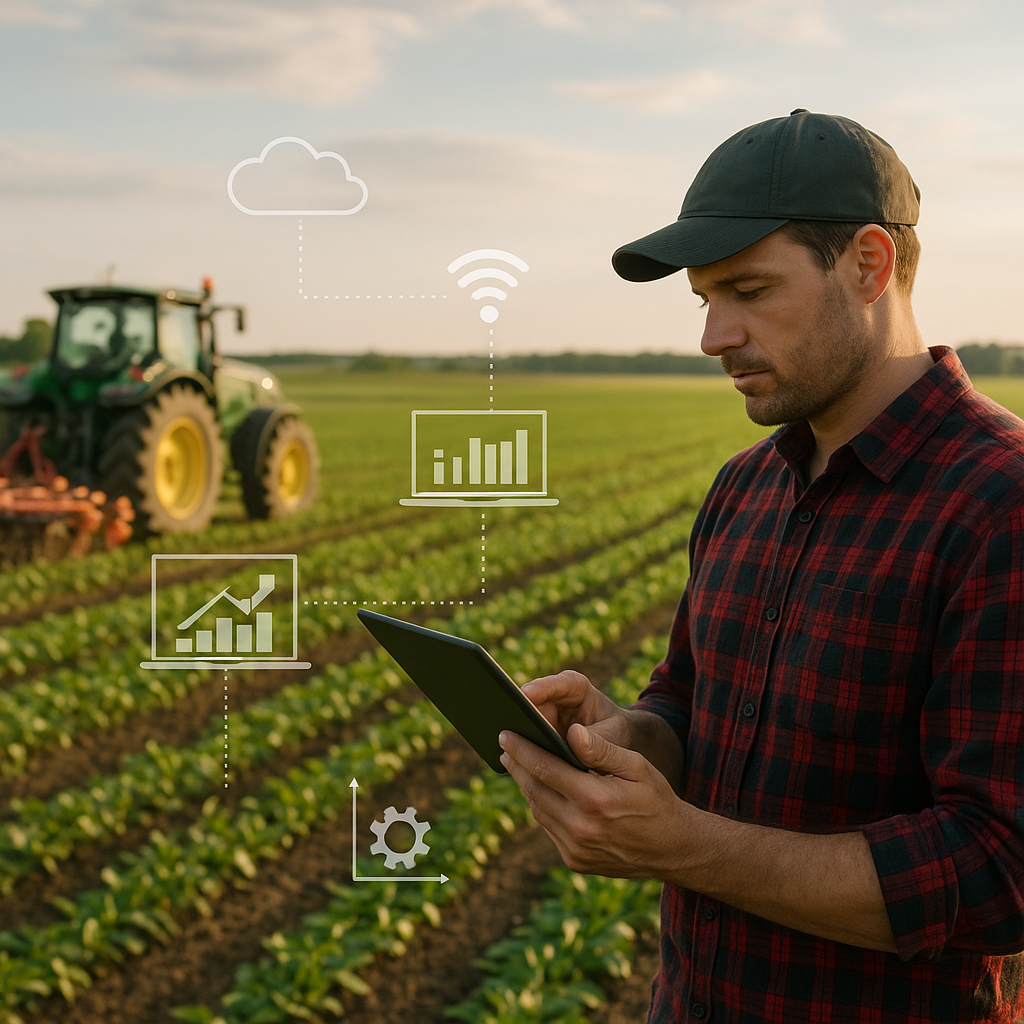
A continuous upward trajectory in vegetable output has been recorded over the past two decades. Key contributors include mechanization, improved seed genetics, and optimized fertilizer regimes. Many producer countries have achieved record harvests thanks to precision agriculture techniques such as remote sensing for nutrient management and drone-based monitoring of plant health. These technologies enhance yield, reduce input waste, and enable timely interventions against pests and diseases.
Role of Climate Change and Resource Constraints
The impact of climate variability on vegetable yields is twofold. On one hand, warmer temperatures and higher atmospheric CO2 can accelerate plant growth; on the other, extreme weather events—droughts, floods, and heatwaves—pose significant threats. Water scarcity in arid regions compels growers to adopt efficient irrigation methods such as drip or sub-surface irrigation. Moreover, soil degradation due to intensive tillage and monoculture practices makes sustainable soil management a critical priority.
Regional Specialization and Comparative Advantage
Several regions have crystallized their roles within the global vegetable arena. For instance:
- Europe: Known for greenhouse-grown tomatoes, cucumbers, and peppers, benefitting from controlled environments and stringent quality standards.
- Latin America: Export hubs for leafy greens and broccoli, leveraging favorable climates and proximity to large markets in North America.
- Asia: Small-scale diversified farms supplying local markets, while countries such as China and India have scaled up production to meet both domestic consumption and export demands.
Regional Market Dynamics
North American Supply Chain Structure
In the United States and Canada, the vegetable supply chain is characterized by large-scale agribusinesses that integrate production, processing, and distribution. Advanced cold chain logistics and rigorous phytosanitary protocols ensure year-round availability of key commodities. Retail giants negotiate volume contracts, often including clauses on product specifications, packaging, and delivery schedules. While this system offers consistency and high standards, it can create entry barriers for small and medium-sized enterprises.
European Union Common Agricultural Policies
The EU’s Common Agricultural Policy (CAP) provides direct subsidies to farmers, encouraging crop diversification and environmentally friendly practices. Compliance with CAP regulations fosters adherence to sustainability criteria, such as reduced pesticide use and enhanced habitat protection. The integration of carbon footprint labeling for vegetables aims to inform consumers and promote lower-impact choices.
Emerging Markets in Africa and the Middle East
Increasing urbanization and dietary shifts in Africa and the Middle East are driving demand for fresh and processed vegetables. However, the region faces logistical challenges: limited cold storage, fragmented transportation networks, and inconsistent quality control. To tap into this growing market, public-private partnerships invest in infrastructure upgrades and training programs for smallholder farmers, focusing on post-harvest handling and value addition.
Price Volatility and Influencing Factors
Seasonality and Harvest Cycles
Vegetable prices can swing dramatically due to seasonal patterns. During peak harvest periods, oversupply can drive prices down, squeezing farmers’ margins. Conversely, off-season shortages—exacerbated by adverse weather or pest outbreaks—can trigger spikes at the retail level. Global traders often resort to stockpiling and futures contracts to hedge against these fluctuations, although speculative activities can sometimes amplify price movements.
Transportation and Energy Costs
Fluctuations in fuel prices directly affect logistics expenses. Long-distance shipping of perishable goods requires temperature-controlled transport, which is highly energy-intensive. An increase in crude oil prices translates into higher freight charges and packaging costs, subsequently passed on to consumers. In some cases, producers shift to regional markets to minimize transit times and reduce carbon emissions.
Policy Shocks and Trade Barriers
Import tariffs, phytosanitary restrictions, and sudden regulatory changes can disrupt established trade flows. For example, bans on certain agrochemicals can force producers to adopt alternative methods, sometimes at higher costs. Escalating trade tensions between major agricultural exporters and importers often lead to retaliatory tariffs, destabilizing prices and prompting sourcing diversification.
Innovations and Sustainable Practices
Hydroponics, Aeroponics, and Vertical Farming
Soilless cultivation methods are gaining traction as they deliver higher outputs per square meter and minimize water usage by up to 90%. Vertical farms in urban centers reduce the distance from farm to fork, cutting carbon footprints associated with transportation. Nutrient solutions are precisely balanced to optimize plant health, leading to rapid cycles and predictable quality.
Digital Platforms and Market Transparency
Blockchain-based traceability systems are enhancing trust between growers, distributors, and consumers. Real-time data on harvest dates, pesticide applications, and temperature logs ensure accountability. E-commerce platforms enable farmers to reach distant buyers directly, capturing higher margins and facilitating dynamic pricing models that reflect real-time supply-demand conditions.
Eco-Labeling and Consumer Awareness
Labels such as “organic,” “fair trade,” and “climate neutral” serve as signals for ethically and environmentally conscious shoppers. Certification schemes compel producers to adhere to strict guidelines on land use, labor standards, and chemical inputs. Though certified production often incurs higher costs, the growing segment of value-driven consumers is willing to pay premium prices, fostering market niches for responsibly grown vegetables.
Future Outlook
Integration of AI and Robotics
The next frontier in vegetable production involves autonomous harvesters, machine vision for weed identification, and AI-driven yield forecasting. These technologies aim to reduce labor shortages and enhance operational efficiency. Predictive analytics can inform planting schedules and optimize resource allocation, leading to more resilient agricultural systems.
Building Resilience through Diversification
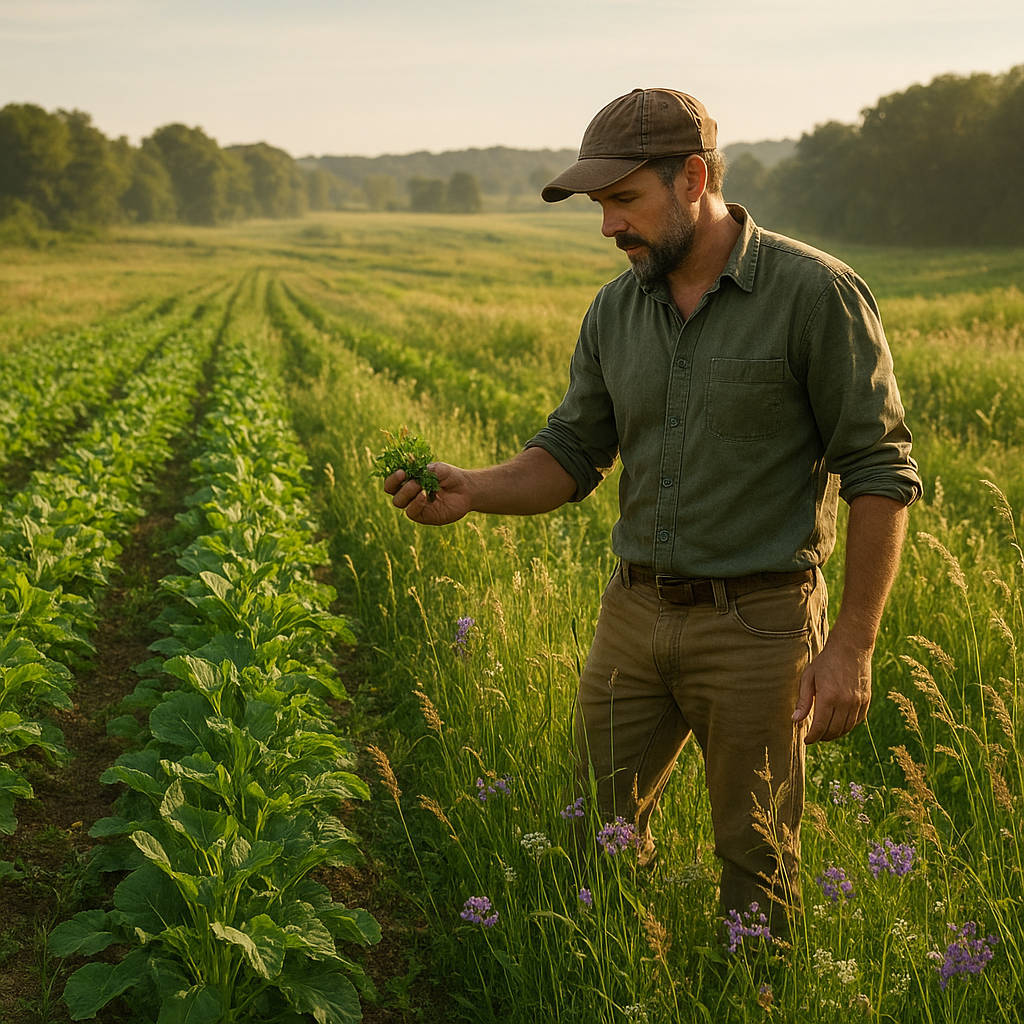
Diversifying crop portfolios mitigates risks associated with climatic uncertainties and market shocks. Intercropping and agroforestry practices introduce complementary species, improving soil health and reducing pest pressure. By blending traditional knowledge with modern innovations, farmers can secure stable incomes while contributing to regional food security.
Collaborative Research and Policy Support
Effective collaboration among governments, research institutions, and the private sector is vital for scaling up best practices. Policy frameworks that incentivize sustainable technologies and de-risk private investments will accelerate the transition toward a more equitable and resilient global vegetable market.