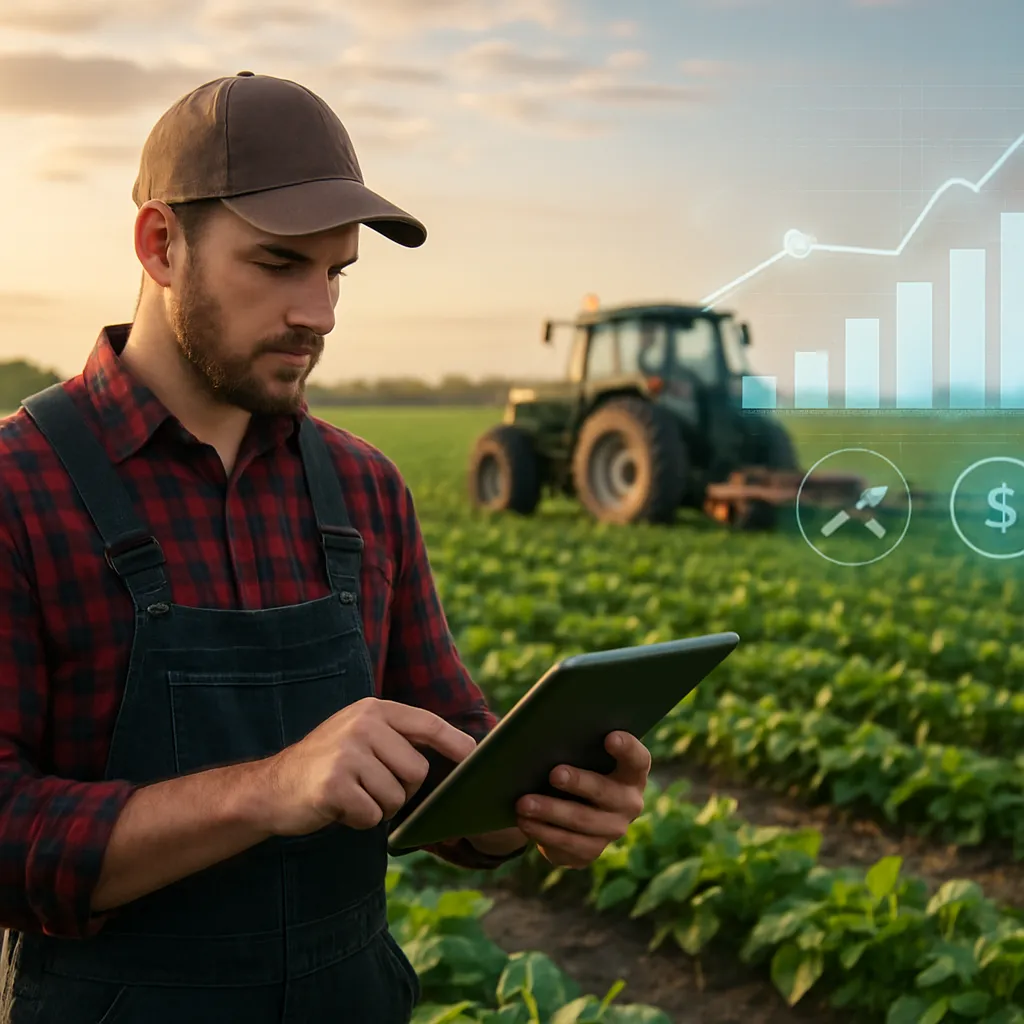
The agricultural sector is undergoing a profound transformation driven by the fusion of robotics and drone technologies. As global demand for food surges and environmental pressures intensify, farmers and agribusinesses are turning to these advanced tools to optimize resource use, improve crop health, and enhance overall efficiency. By integrating automation with sophisticated aerial imaging, producers gain unprecedented insights into field conditions and can address challenges faster than ever. This article explores how the synergy of ground-based robots and aerial drones is reshaping the global market for agriculture, delivering higher productivity while promoting sustainability.
Robotics in Modern Agriculture
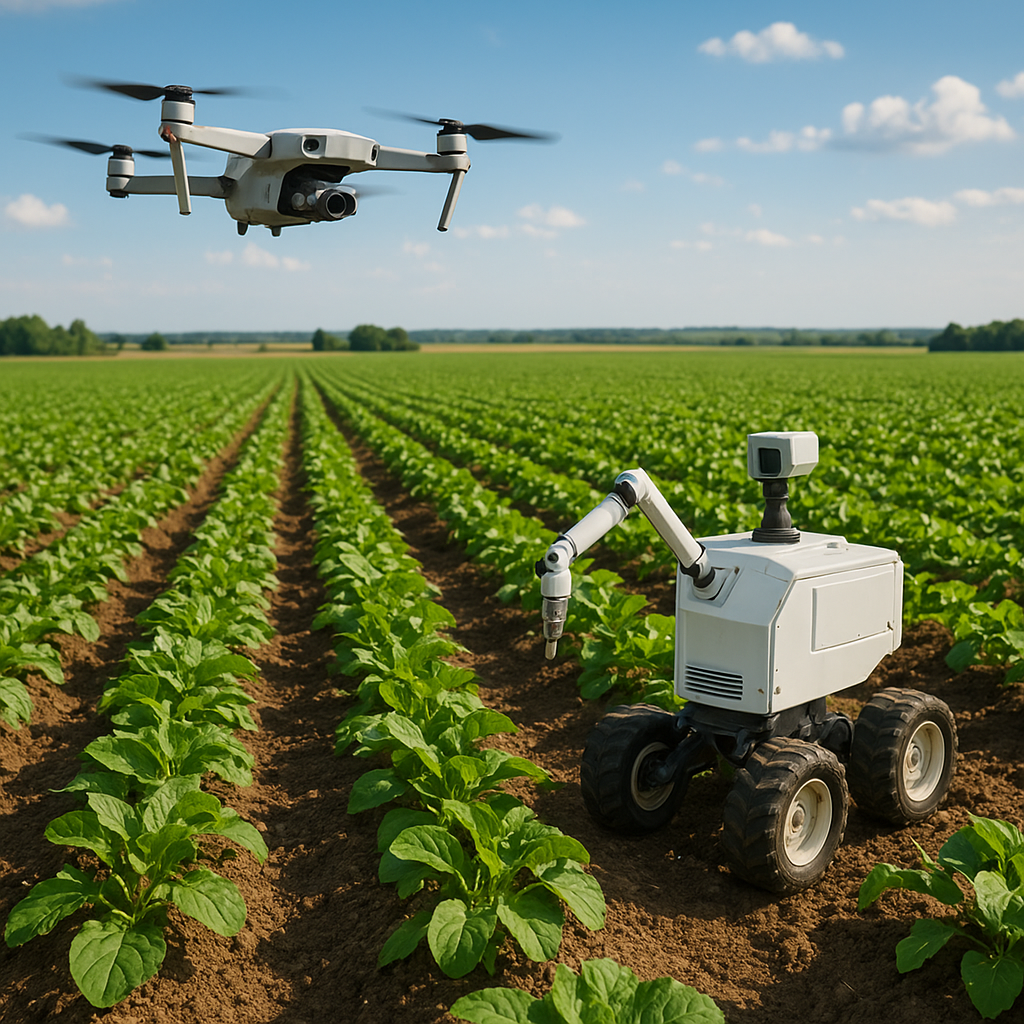
Farmers have traditionally relied on manual labor or heavy machinery for sowing, weeding, and harvesting. Today, a new generation of field robots offers targeted solutions for each of these tasks, reducing costs and minimizing human exposure to repetitive work. From autonomous tractors to berry-picking machines, these robots are designed to navigate uneven terrain, recognize plant stages, and apply precise treatments exactly where needed.
Autonomous Machinery for Field Operations
- Smart Tractors: Equipped with GPS and sensor arrays, these vehicles can plow, seed, and fertilize without constant human oversight.
- Weeding Robots: Using computer vision, they distinguish weeds from the main crop and remove unwanted plants mechanically or with micro-doses of herbicide.
- Harvesting Automata: Specialty robots grasp and collect delicate produce, such as fruits and vegetables, improving yield timing and reducing spoilage.
Data-Driven Decision Making
Embedded sensors on robotic platforms continuously record soil moisture, nutrient levels, and pest activity. By sending this information to central data hubs, growers can apply predictive analytics to forecast trouble spots, optimize irrigation schedules, and manage fertilizer use. This data-driven approach not only cuts operational costs but also supports evidence-based planning for upcoming seasons.
Drones and Aerial Survey Technologies
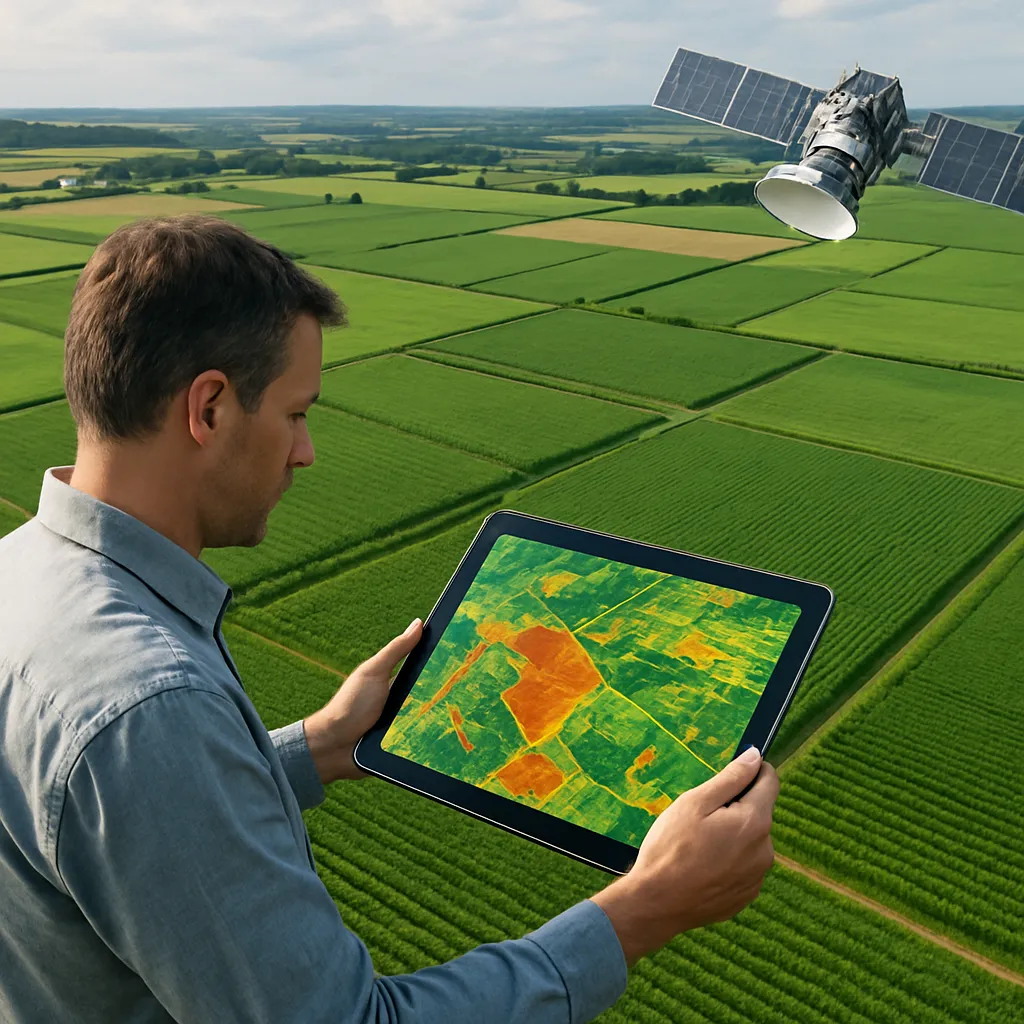
Aerial drones have emerged as powerful allies in the quest for higher yields. By soaring over fields at various altitudes, they capture high-resolution imagery and multispectral data that reveal plant health indicators invisible to the naked eye. Farmers can deploy drones on demand, covering large areas rapidly and pinpointing variations in growth or stress patterns.
Multispectral Imaging for Crop Health
Equipped with near-infrared and thermal cameras, drones monitor photosynthetic activity and water stress across an entire field. Variations in leaf reflectance signal nutrient deficiencies or early-stage disease, enabling targeted interventions. This precise monitoring helps to reduce blanket pesticide and fertilizer applications, preserving beneficial insects and minimizing environmental runoff.
Precision Spraying and Seeding
- Spot Spraying: Drones identify specific weed clusters and spray micro-doses of herbicide, slashing chemical use by up to 90%.
- Variable-Rate Seeding: By mapping soil variability, drones guide seeders to adjust planting density in real time, optimizing space and seed costs.
- Pollination Drones: Emerging prototypes can carry pollen between plants in greenhouses, enhancing yield for nut and fruit trees.
Integration of Robotics and Drones for a Unified Ecosystem
Combining ground robotics with aerial drones creates a cohesive, interconnected farming system. Data collected from both platforms forms a comprehensive picture of field conditions, allowing seamless handoffs between survey, diagnosis, and action. This integrated ecosystem boosts operational innovation while paving the way for scalable digital agriculture.
IoT and Cloud-Based Platforms
Internet of Things (IoT) gateways on tractors and drones transmit real-time metrics to cloud servers. Farmers can access dashboards showing moisture gradients, pest hotspots, and machine performance. Automated alerts schedule robot deployments or drone flights when specific thresholds are met, ensuring timely interventions and reducing crop losses.
Enhancing Sustainability and Resource Management
- Water Conservation: Soil sensors and drone thermal maps guide precision irrigation, saving up to 50% of water use compared to traditional methods.
- Carbon Footprint Reduction: Electric robots charged with renewable energy sources cut greenhouse gas emissions from farming operations.
- Soil Health Preservation: Targeted mechanical weeding minimizes soil disruption, supporting microbial diversity and long-term fertility.
Challenges and Future Outlook
Despite rapid advances, widespread adoption of robotics and drones faces hurdles in cost, regulatory compliance, and technical training. High upfront investments remain a barrier for small-scale farmers, while evolving airspace regulations govern drone operations. Additionally, robust maintenance networks and user-friendly interfaces are essential to ensure that technology translates into real-world gains.
Looking ahead, ongoing research into collaborative robot swarms, AI-driven decision engines, and edge computing promises even greater leaps in farm management. As autonomous systems become more affordable and intuitive, the agricultural sector is poised to enter a new era of precision farming, creating resilient supply chains and enhancing global food security.