The global landscape of agricultural trade is undergoing profound transformation, influenced by shifting consumption patterns, evolving production technologies and geopolitical dynamics. This exploration examines how import and export balances are redefined by emerging forces in the worldwide food market. Through four key sections, we analyze supply and demand fluctuations, regional trade corridors, principal drivers behind trade imbalances and the innovations shaping the next phase of agricultural commerce.
Global Shifts in Supply and Demand
Over the past decade, the interplay between growing populations and changing dietary preferences has triggered remarkable changes in agricultural trade. Nations once self-sufficient in staple grains now import large volumes to satisfy urban consumers. Conversely, major exporters diversify into higher-value products to capitalize on evolving tastes.
- Globalization has enabled efficient reallocation of surpluses, yet it has also exposed producers to volatile price swings.
- Rising incomes in emerging economies encourage consumption of meat and dairy, bolstering demand for feed grains like corn and soy.
- Advanced farming methods have elevated yields in certain regions, reshaping traditional export hierarchies.
These dynamics illustrate an increasingly interconnected marketplace, where shortfalls in one region can cascade into price spikes worldwide. At the same time, surplus producers leverage scale and technology to secure their positions in global value chains.
Regional Trade Patterns
Distinct corridors have emerged, marking the flow of commodities across continents. Understanding regional specialization and partnerships is essential for grasping the broader balance of payments in food trade.
Asia-Pacific Nexus
Asia-Pacific economies display a stark import dependence on staple grains while exporting high-value horticultural and seafood products. Nations such as China and Japan rely on imports of wheat, soybeans and edible oils, channeling them into urban markets. Meanwhile, countries like Vietnam and Thailand capitalize on aquaculture and processed fruit.
Americas and Agro-Supply Power
The United States, Brazil and Argentina dominate bulk commodity exports. Their comparative advantage stems from abundant arable land, advanced mechanization and favorable climates. Large-scale production of soy, corn and beef has positioned this region as an indispensable supplier to Asia and Europe.
Europe’s Balancing Act
The European Union navigates complex policy frameworks, combining protection for local farmers with external trade agreements. While the region is largely self-sufficient in grains, it imports tropical commodities like coffee, cocoa and palm oil. Simultaneously, it exports dairy products, wine and specialty foods.
Drivers of Import and Export Balances
Trade balances in agriculture hinge on a blend of economic, environmental and policy factors. Identifying these drivers helps stakeholders anticipate shifts and mitigate risks.
- Trade tariffs and non-tariff barriers remain potent tools for governments aiming to protect domestic producers. Alterations in subsidy regimes can swiftly reorder competitiveness.
- Climate change imposes production uncertainties. Droughts, floods and temperature extremes force exporters to adjust volumes and trigger new import dependencies.
- Technological breakthroughs—ranging from precision agriculture to genetic improvements—elevate yields but also concentrate export capability among early adopters.
- Rising consumer focus on sustainability and food safety fuels demand for certified supply chains, influencing which countries become preferred trading partners.
- Logistics capacity and infrastructure investments determine how swiftly and cheaply goods traverse borders. Port upgrades, rail links and cold-chain networks are pivotal.
Together, these elements create a dynamic matrix where trade surpluses and deficits can flip within seasons. Producers and governments attentively monitor policy shifts and climatic indicators to safeguard national food security.
Emerging Challenges and Innovations
To navigate future uncertainties, the agricultural sector pursues resilience through innovation and strategic realignment.
Digitalization and Data Analytics
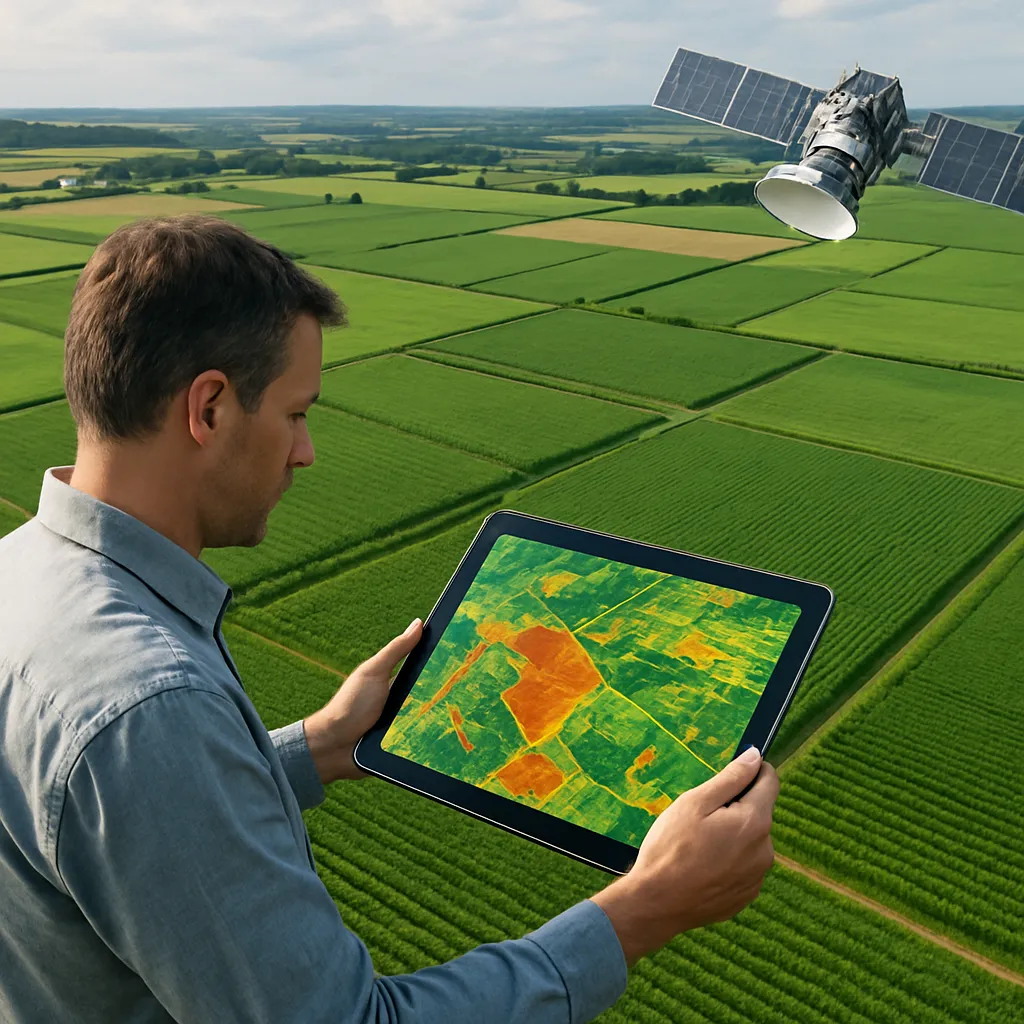
Sophisticated platforms now aggregate satellite imagery, weather forecasts and market intelligence, empowering exporters to optimize harvest timing and shipment schedules. Digital traceability systems enhance transparency and compliance with stringent import regulations.
Supply Chain Diversification
Reliance on single-market exports invites risk. Consequently, nations and agribusinesses broaden their client base across regions. This diversification strategy cushions against disruptions such as trade disputes or localized crop failures.
Investment in Rural Infrastructure
Public and private financing targets roads, storage facilities and processing hubs. Strengthened infrastructure reduces post-harvest losses and elevates exportable volumes. In many developing economies, such upgrades are key to shifting from net food importers to self-sufficient or even net exporters.
Resilience to Disruptions
The COVID-19 pandemic underscored vulnerabilities in agricultural supply chains. In response, stakeholders adopt contingency planning, build strategic reserves and reengineer logistics channels to maintain continuity under stress.
As global trade in food continues to evolve, partnerships between public institutions and private innovators will define the next era of agricultural commerce. By aligning policy frameworks with technological advances and sustainability goals, the international community strives to balance the twin imperatives of efficiency and food security.