A rapidly evolving agricultural sector is on the brink of a revolutionary transformation. The mounting pressure to curb greenhouse gas emissions and meet global demand for food has spurred a wave of innovation in farming systems. Strategies that once seemed experimental are now gaining traction, promising to reshape supply chains, redefine best practices, and strengthen the long-term viability of farms worldwide. The pursuit of carbon-neutral farming is no longer a niche endeavor—it is fast becoming integral to competitive advantage in the modern global market.
Technological Innovations Driving Carbon-Neutral Farming
Breakthroughs in agricultural technology are unlocking new pathways toward sustainability and productivity. Digital tools, advanced machinery, and novel input materials are converging to reduce the environmental footprint of food production.
Precision Agriculture and Data Analytics
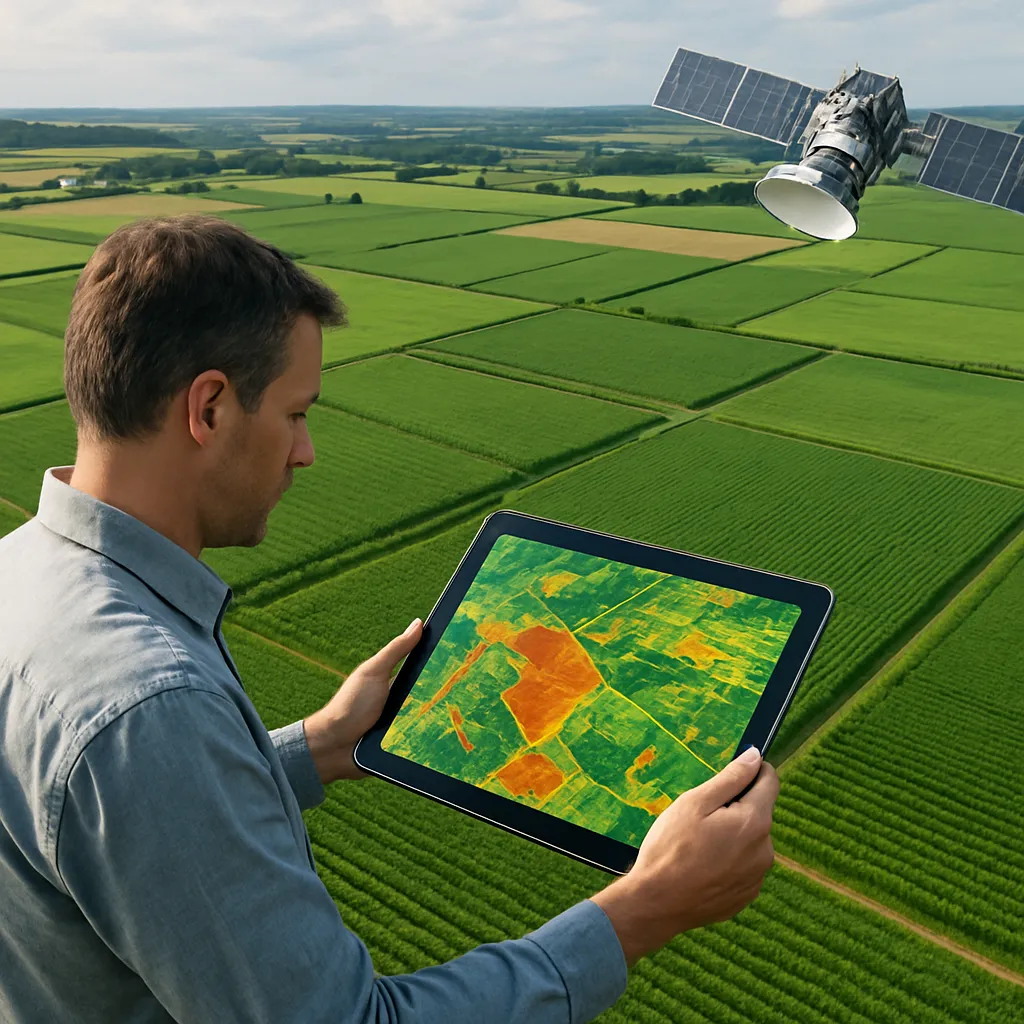
By leveraging GPS-guided equipment, satellite imagery, and IoT sensors, farmers can optimize resource use at the plant level. This precision approach allows for:
- Variable-rate application of water, fertilizers, and pesticides
- Real-time monitoring of soil moisture and nutrient status
- Predictive analytics to anticipate pest outbreaks or crop stress
These capabilities not only improve yields but also minimize overuse of inputs that contribute to greenhouse gas output.
Bio-based Inputs and Soil Carbon Sequestration
Innovations in soil amendment materials—such as biochar, compost blends, and microbial consortia—are enhancing soil health while capturing atmospheric carbon. When applied correctly, these amendments can:
- Increase organic matter and water-holding capacity
- Stimulate beneficial soil microbial communities
- Lock carbon in stable forms for decades
Such regenerative practices strengthen farm resilience against droughts and extreme weather events.
Renewable Energy Integration
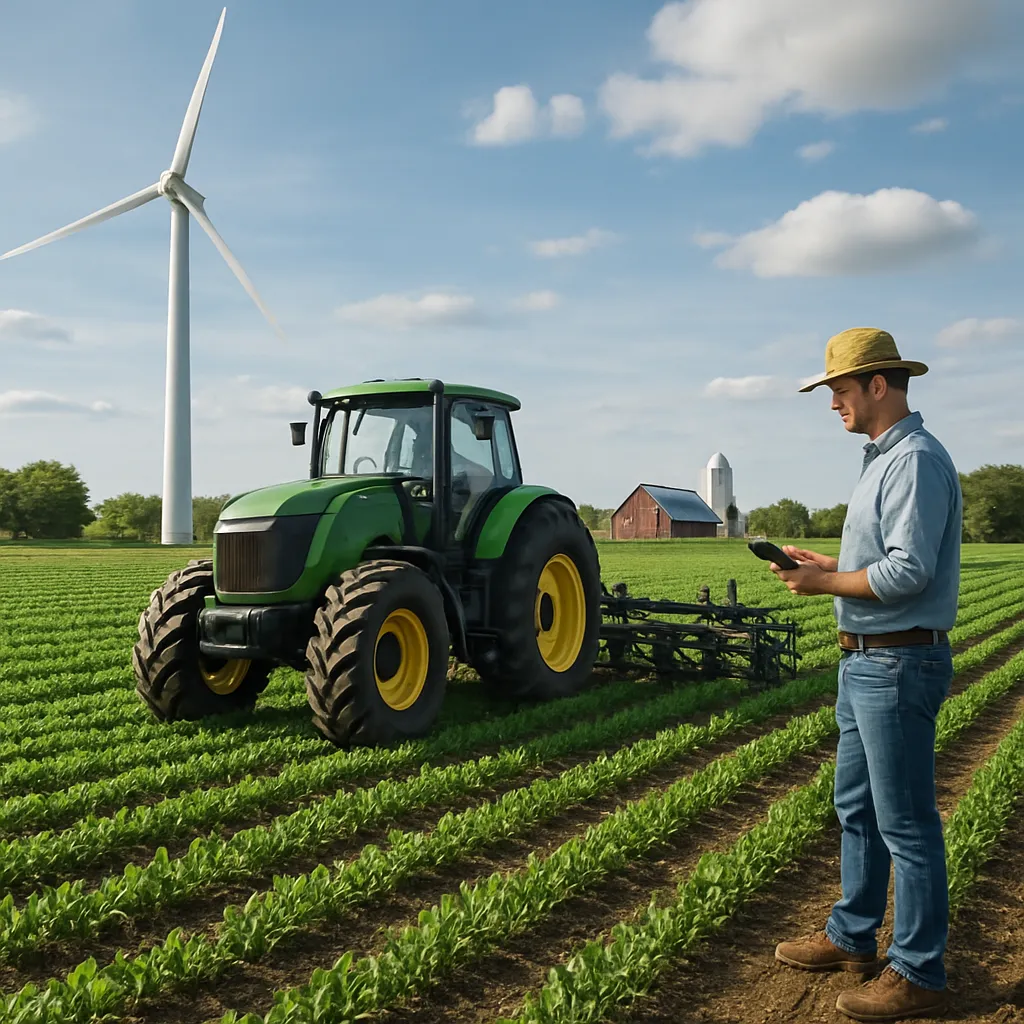
Transitioning machinery and facilities to run on solar, wind, and bioenergy reduces dependence on fossil fuels. Agricultural operations are adopting off-grid energy systems for irrigation pumps, cold storage, and processing units. Batteries and hydrogen fuel cells are also gaining attention to support 24/7 clean power supply.
Economic Implications in the Global Market
Embracing regenerative and carbon-neutral models influences market positioning, investor interest, and trade dynamics. As consumers and regulatory bodies demand greater transparency, farms that can demonstrate low-carbon footprints gain preferential access to premium markets.
Premium Pricing and Certification
Voluntary certification programs—ranging from carbon credits to sustainability labels—provide a framework for quantifying ecological benefits. Participating producers can often secure price premiums of 10–30% compared to conventional commodities. Major buyers in the retail and foodservice sectors are increasingly requiring certified sources for:
- Grains and oilseeds
- Specialty coffee and cocoa
- Fruits, nuts, and vegetables
Access to Green Finance
Financial institutions are launching dedicated lending facilities for farms that adopt zero-emission technologies and soil carbon enhancement practices. Favorable loan terms, grants, and partnerships with impact investors can:
- Lower upfront capital costs for advanced equipment
- Mitigate financial risks through performance-based contracts
- Support long-term sustainability planning
These mechanisms enable smallholder and large-scale operators alike to transition without compromising cash flow.
Trade Dynamics and Global Supply Chains
As international agreements tighten carbon border adjustments, exporters may face tariffs if their products originate from high-emission systems. Conversely, carbon-neutral goods could benefit from preferential treatment. Early movers in regions such as the European Union and North America are already negotiating trade deals that include environmental clauses, further elevating the strategic importance of clean farming methods.
Policy Frameworks and International Collaboration
Effective public policies are essential to scale carbon-neutral agriculture across diverse geographies. Governments, multilateral institutions, and NGOs play complementary roles in setting standards, funding research, and facilitating knowledge transfer.
National Strategies and Incentives
Many countries have introduced tax credits or direct subsidies for on-farm renewable energy installations and soil carbon enhancement. For example:
- The United States offers the Climate Smart Commodities program to support low-emission supply chains.
- Australia provides rebates for bioenergy and precision irrigation systems.
- Brazil includes agroforestry and pasture restoration in its national decarbonization targets.
International Partnerships
Cross-border cooperation accelerates the diffusion of best practices and technological breakthroughs. Key platforms include:
- FAO-led initiatives on sustainable soil management
- World Bank programs funding climate-resilient agriculture
- Private-public consortia driving large-scale trials of innovative cropping systems
Such alliances help align regulatory approaches, ensuring that standards remain consistent and scalable.
Capacity Building and Knowledge Exchange
Empowering farmers through training programs is crucial. Digital extension services, local demonstration farms, and peer-to-peer learning networks enable producers to adopt new methods more rapidly. Mobile apps and online platforms deliver customized recommendations, ensuring that remote communities are not left behind.
Challenges and Future Prospects
Despite promising advances, significant hurdles remain before carbon-neutral farming becomes ubiquitous. Addressing these challenges will determine the pace of adoption and the ultimate impact on global agricultural emissions.
Technical and Economic Barriers
High initial costs for advanced machinery and bio-based inputs deter many operators. In regions with limited infrastructure or capital markets, the pathway to carbon-neutral systems can be steep. Research is ongoing to develop lower-cost solutions and aggregated purchasing cooperatives that can drive down equipment prices for small-scale producers.
Measurement, Reporting, and Verification (MRV)
Accurate accounting of carbon flows at the field level is complex. Variability in soil types, climate conditions, and management practices complicates standardized MRV protocols. Emerging tools such as drone-based sensing and blockchain-enabled traceability platforms promise greater transparency, but widespread adoption depends on regulatory harmonization and data-sharing agreements.
Social and Cultural Considerations
Transitioning to new production systems can disrupt established routines and community norms. Engaging farmers through participatory research and locally tailored solutions is essential. Listening to community concerns and showcasing successful pilot projects fosters trust and lowers resistance to change.
Outlook for a Carbon-Neutral Future
Continued investment in research and development, along with supportive policies and market incentives, will drive the uptake of carbon-neutral practices. The next decade holds the potential for transformative breakthroughs:
- Breakthrough crop varieties with enhanced carbon-capturing root systems
- Integrated livestock–crop–forest systems that maximize carbon sinks
- Decentralized biorefineries converting waste biomass into renewable fuels
By harnessing these innovations, the agricultural sector can not only reduce its own footprint but also become a net sequesterer of carbon, contributing significantly to global climate mitigation goals.