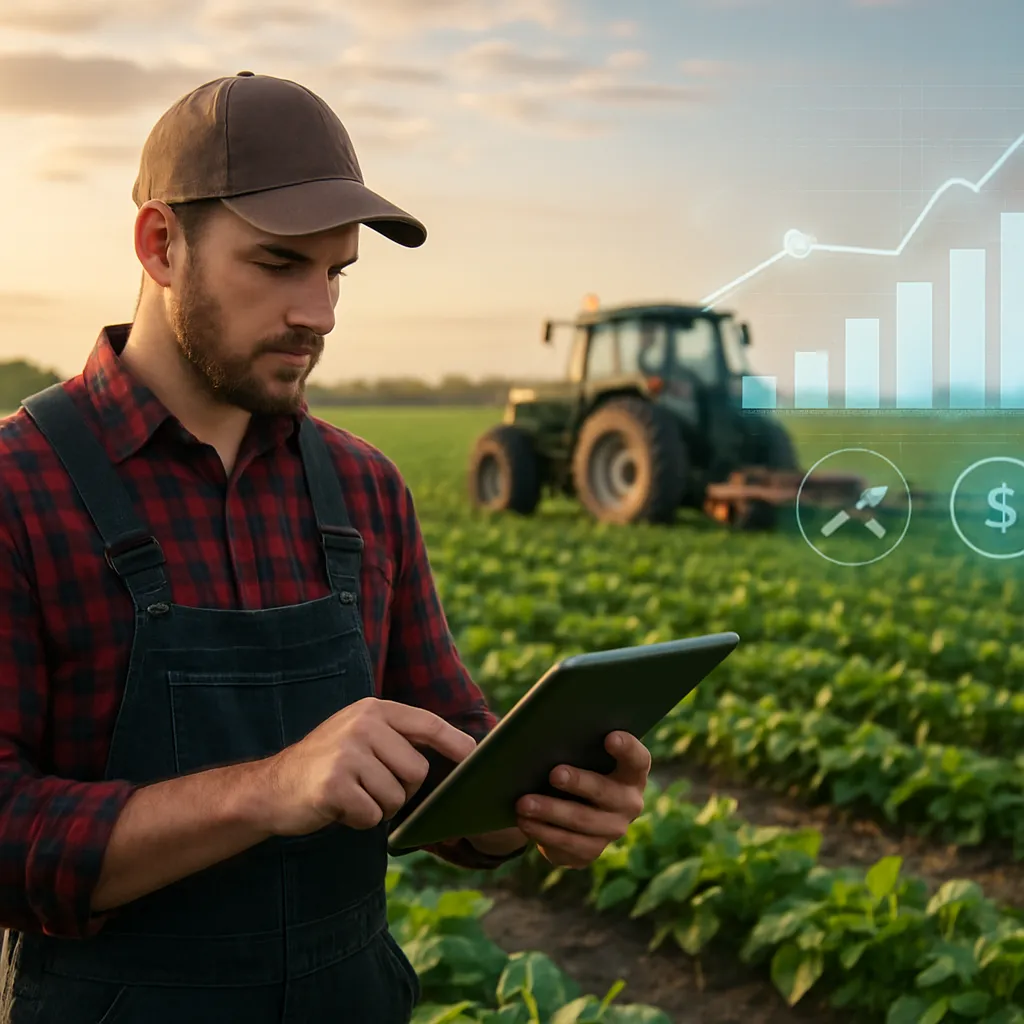
In many rural communities, smallholder farmers face a multitude of challenges ranging from unpredictable weather patterns to limited access to quality inputs. Yet, over the past decade, a wave of digital and mechanical innovations has begun to transform the agricultural landscape. By equipping growers with real-time insights, improved resource management tools, and streamlined market linkages, technology is reshaping how producers cultivate, harvest, and sell their crops. This evolution is not only boosting productivity but also strengthening resilience against climate variability and fluctuating commodity prices.
Technological Innovations in Field and Farm Management
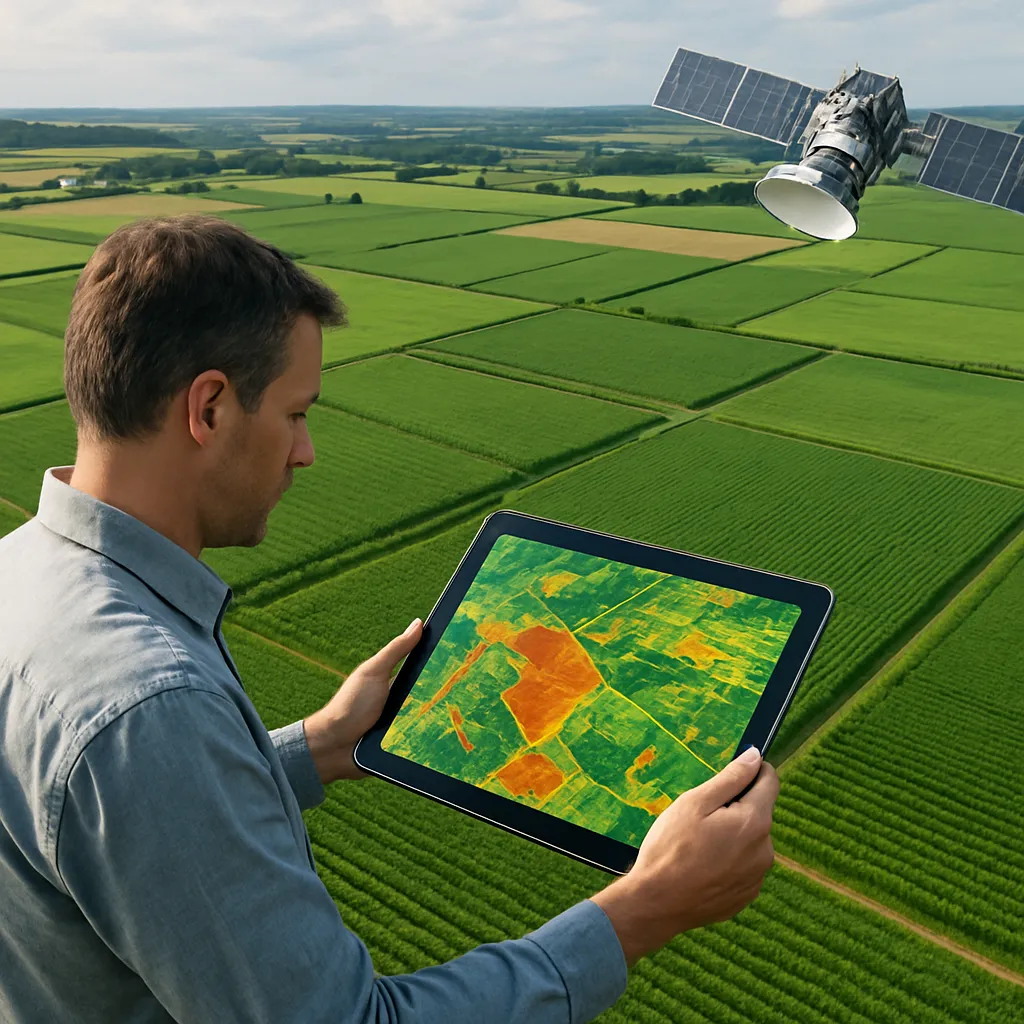
Modern agricultural equipment and data‐driven solutions have unlocked new opportunities for farmers of all scales. From soil testing kits that deliver instant nutrient profiles to drones that survey fields in minutes, these tools enhance decision-making and optimize input usage. The fusion of hardware and software in precision farming allows for targeted interventions—applying water, fertilizer, and pesticides only where they are needed. Such practices reduce costs, limit environmental impacts, and significantly increase overall output.
- Precision agriculture platforms use satellite imagery and on-ground sensors to create variable-rate application maps.
- Automated irrigation systems adjust water delivery based on moisture readings, ensuring efficient resource management.
- Soil health monitors measure pH, organic matter, and micronutrient content, guiding accurate fertilizer placement.
- Aerial drones conduct multispectral scans for early detection of pest outbreaks or water stress.
- Miniaturized weather stations relay hyper-local forecasts, empowering farmers to plan sowing and harvesting operations.
These enhancements are especially impactful for communities with heterogeneous landholdings. Rather than relying on blanket recommendations, producers can tailor practices to micro-zones. The result is an upward trajectory in crop quality and yield, often exceeding conventional benchmarks by 20 to 30 percent. In turn, this compounding benefit stimulates reinvestment in tools and capacity building among rural entrepreneurs.
Digital Platforms Enhancing Market Access
Connecting remote farmers to buyers, input suppliers, and financial services is crucial for unlocking higher returns on investment. Digital marketplaces and mobile applications have emerged as key bridges in this domain. By granting real-time price discovery, collective bargaining power, and on-the-spot transaction capabilities, these platforms reduce reliance on intermediaries and curb exploitative practices.
- e-Marketplace apps list current commodity prices in urban and regional hubs, eliminating information asymmetry.
- Mobile wallets and peer-to-peer lending services offer access to micro-credit without traditional collateral.
- Traceability solutions powered by blockchain guarantee product provenance, enabling premium pricing for certified goods.
- Digital cooperatives aggregate small lots into bulk shipments, unlocking economies of scale.
- Online training modules and virtual agronomy clinics provide actionable advice on crop management and postharvest handling.
By leveraging mobile technology and low-cost internet access, farmers can negotiate directly with exporters, bypass local traders who might undervalue produce. This shift not only enhances profit margins but also encourages the adoption of sustainable practices—buyers increasingly demand compliance with environmental and social standards. As a result, producers gain better insight into market trends, adapt planting decisions accordingly, and build long-term relationships with high-end customers.
Addressing Challenges: Adopting Sustainable and Inclusive Approaches
While the promise of innovation is vast, several barriers hinder widespread adoption. High upfront costs, limited digital literacy, and inadequate infrastructure often prevent resource-constrained communities from fully benefiting. Public‐private partnerships and donor-funded programs are essential to bridge these gaps. Subsidized equipment leasing, community training hubs, and rural connectivity projects can accelerate the diffusion of transformative technologies.
- Extension services now integrate digital literacy modules, ensuring that farmers can navigate apps and interpret data outputs.
- Equipment sharing cooperatives allow groups of producers to rotate use of specialized machinery, reducing capital burden.
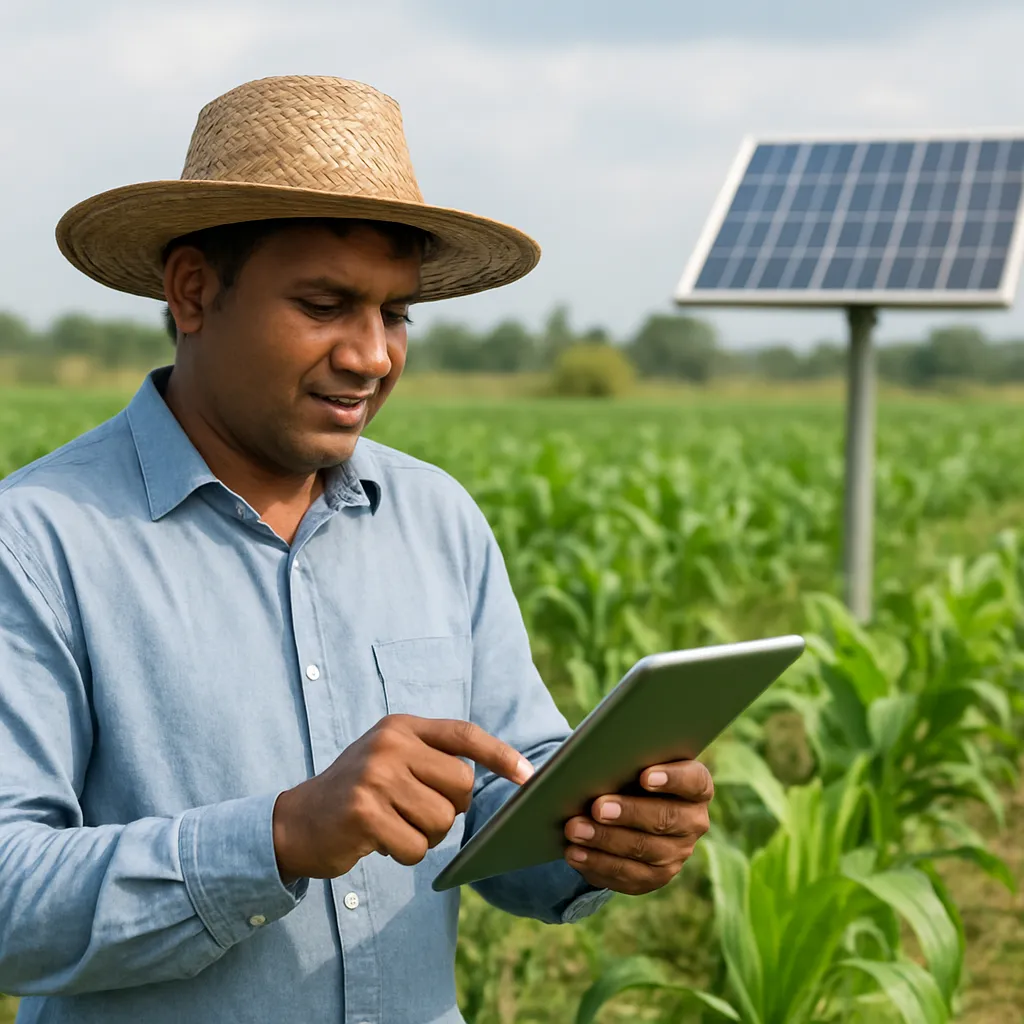
- Off-grid solar charging stations power sensors and mobile devices in regions with erratic electricity supply.
- Participatory design approaches ensure that tools are adapted to local languages, cropping systems, and cultural norms.
- Gender-sensitive interventions guarantee that women farmers gain equitable access to sustainability-oriented solutions.
By tailoring programs to community needs, stakeholders can foster an enabling environment in which innovations thrive. Governments play a pivotal role by crafting supportive policies—such as tax incentives for climate resilience equipment and streamlined import procedures for digital hardware. Simultaneously, agribusinesses must invest in field research to refine prototypes, ensuring products deliver tangible benefits under diverse agronomic conditions.
Future Outlook: Integrating AI and IoT for Resilience
The next wave of agricultural transformation hinges on advanced analytics, machine learning, and networked devices. Artificial intelligence models are already predicting harvest outcomes and disease outbreaks with impressive accuracy. When combined with Internet of Things (IoT) sensors, farmers receive automated alerts, enabling preemptive action and minimizing losses. This deep integration of technology fosters adaptive management strategies vital for coping with climate shocks.
Emerging agritech solutions focus on holistic farm ecosystems rather than isolated components. Cloud-based dashboards consolidate inputs from drones, soil probes, weather stations, and satellite feeds. Data is then processed through sophisticated algorithms to generate customized recommendations—everything from ideal planting dates to postharvest logistics. As these systems become more user-friendly, widespread normalization of data analytics in everyday farming decisions will become the new norm.
Looking ahead, seamless connectivity via low-earth orbit satellites and 5G networks will extend digital services into previously unreachable regions. Smart sensors embedded in plant tissues could monitor nutrient flows in real time, further enhancing crop monitoring. Autonomous tractors and robotic harvesters offer the promise of precision labor deployment, markedly improving labor efficiency and quality control.
In this evolving landscape, the empowerment of smallholder communities depends on collaboration across governments, tech firms, research institutions, and local organizations. By fostering inclusive innovation ecosystems, the agriculture sector can achieve a future where efficient production coexists with ecological stewardship—ensuring food security and prosperity for millions worldwide.