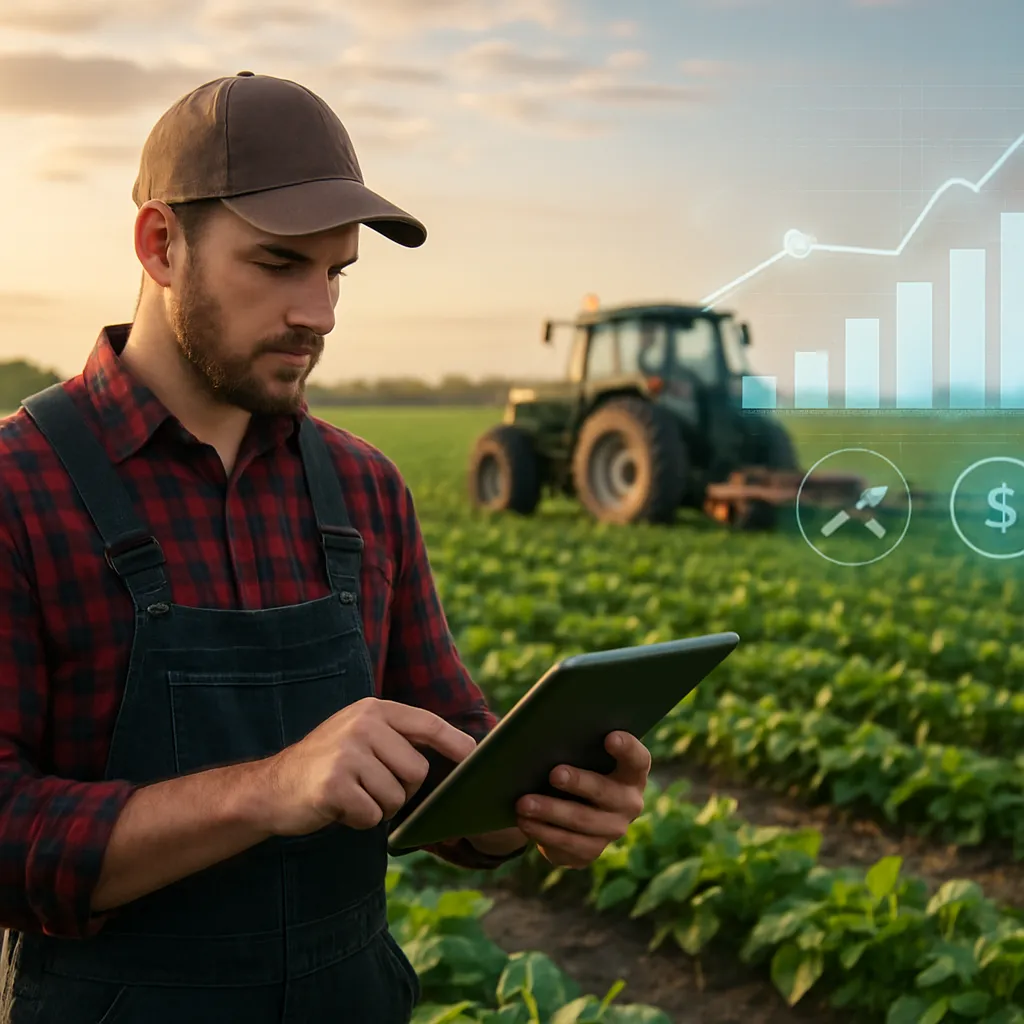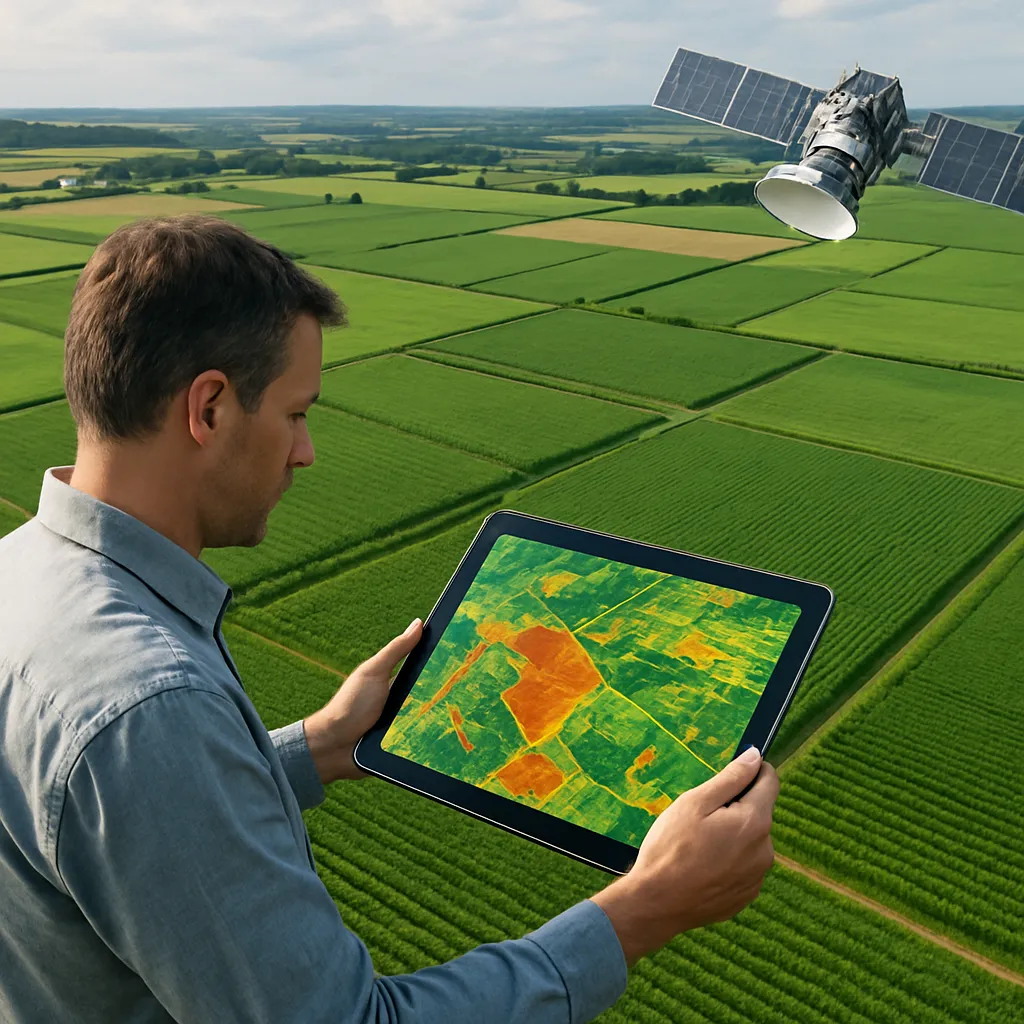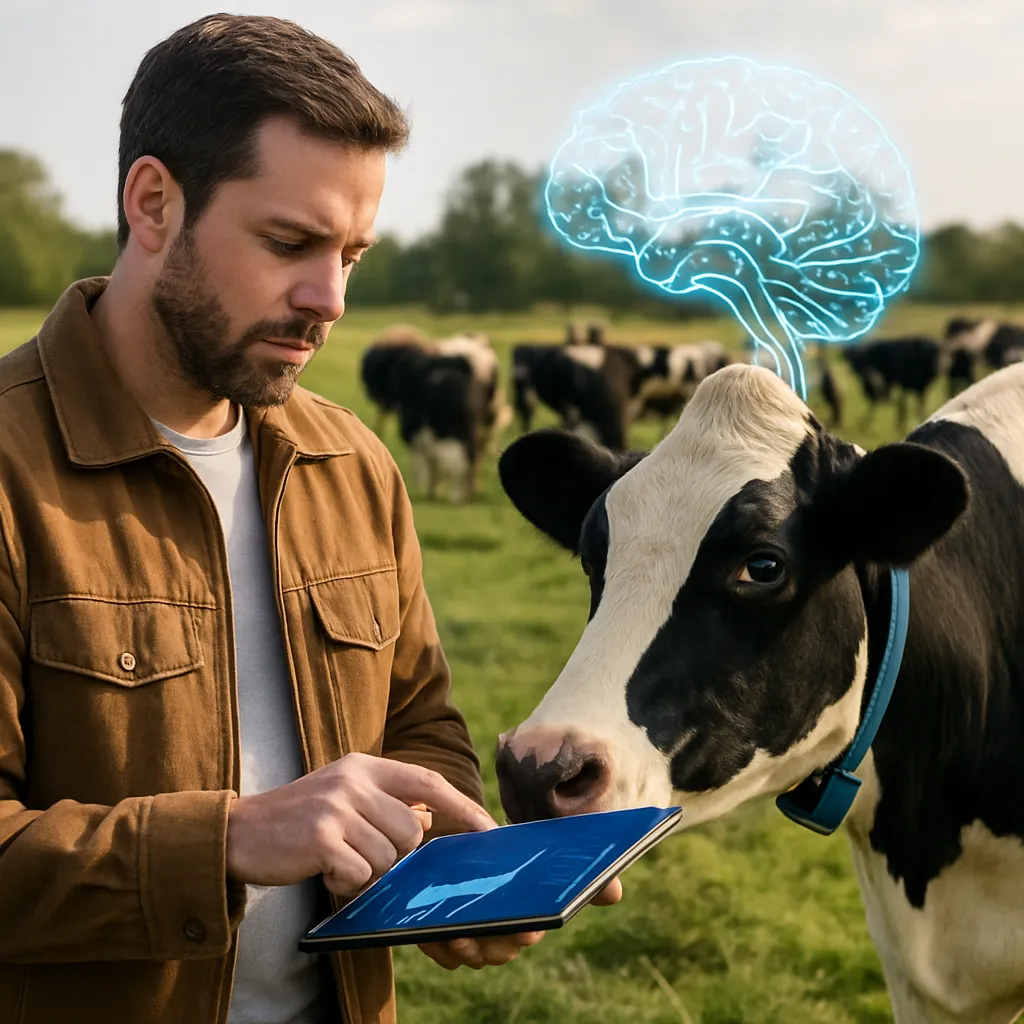
Innovations in modern agriculture are reshaping the way farmers and agribusinesses manage herds, optimize production, and ensure the welfare of animals. With unprecedented access to real-time data and advanced computing power, the integration of AI into livestock monitoring has become a cornerstone of sustainable and profitable operations. This article examines how cutting-edge tools and strategies are enhancing animal well‐being, streamlining management processes, and driving the expansion of the global market for agri-tech solutions.
Emerging Technologies Transforming Farm Operations
Over the past decade, a convergence of hardware and software advancements has enabled farmers to harness the full potential of machine learning and robotics. At the core of this transformation are sensor networks capable of continuously capturing temperature, heart rate, movement patterns, and feeding behaviour. These data points feed into cloud-based platforms, where sophisticated algorithms analyze trends, flag anomalies, and suggest recommendations in real time.
Precision Data Collection
- Wearable devices such as smart collars and ear tags measure vital signs and activity levels without causing discomfort to livestock.
- Drones equipped with multispectral cameras fly predetermined routes to inspect pastures, evaluate forage quality, and detect early signs of stress or injury.
- Automated feeding systems adjust nutrient mixes based on individual health metrics, ensuring each animal receives an optimal diet.
Real-Time Alert Systems
Farm managers now receive instant notifications on smartphones or dashboards if a cow’s resting time drops below a healthy threshold or if a pig shows irregular breathing patterns. By applying predictive analytics to these alerts, veterinarians can intervene early, reducing the spread of disease and minimizing costly treatment delays.
Enhancing Animal Welfare Through Predictive Models
Ethical considerations around animal welfare have moved from the periphery to a central priority in the livestock industry. As consumer demand for ethically produced meat and dairy rises, farms that leverage AI-driven insights gain a competitive edge by demonstrating transparent care standards.
Early Disease Detection
One of the most impactful applications of AI in livestock monitoring is the ability to identify disease detection at a subclinical stage. Machine learning classifiers trained on historical outbreak data recognize subtle deviations in behavior or physiology that human observers might miss. Examples include:
- Detection of lameness in dairy cows through gait analysis performed by vision-based systems.
- Identification of respiratory distress in poultry via audio sensors and deep neural networks trained to detect cough patterns.
- Recognition of heat stress in pigs by monitoring skin temperature fluctuations using thermal imaging.
Behavioral Profiling and Welfare Scoring
AI platforms can generate comprehensive welfare scores by integrating multiple indicators, such as feeding frequency, social interaction, and vocalizations. These scores enable targeted interventions, like adjusting stocking density or modifying enrichments, to improve sustainability and quality-of-life outcomes.
Economic and Market Implications
The adoption of AI-powered health monitoring systems is influencing market dynamics across the agriculture sector. From small family farms to multinational enterprises, stakeholders recognize that technology-driven precision supports better financial performance and risk mitigation.
Cost Efficiency and ROI
Initial investments in sensors, software licenses, and connectivity infrastructure can be substantial. However, studies indicate a rapid return on investment through:
- Reduced mortality rates and veterinary expenses due to timely interventions.
- Optimized feed conversion ratios achieved by fine‐tuning rations based on real‐time data.
- Lower labor costs as automated systems handle routine monitoring tasks.
Scaling Solutions for Emerging Markets
In regions where smallholder farms dominate, low-cost AI tools are gaining traction. Innovative business models, such as equipment leasing and pay-as-you-go software subscriptions, are making advanced monitoring accessible. Collaborative initiatives between governments, NGOs, and startups are also accelerating technology transfer to areas with high growth potential in livestock production.
Integrating Sustainability and Global Growth
As environmental concerns intensify, the livestock sector faces pressure to reduce greenhouse gas emissions, manage water resources responsibly, and limit antibiotic use. AI-enhanced monitoring contributes to these objectives by enabling data-driven decisions that align productivity with ecological stewardship.
Emissions Tracking and Feed Optimization
Advanced analytics platforms estimate methane emissions based on feeding patterns, digestion rates, and herd composition. By experimenting with feed additives and adjusting grazing schedules, farmers can measurably lower greenhouse gas outputs while maintaining herd health.
Future Directions and Innovation Hubs
Leading agribusinesses and research institutions are establishing innovation hubs dedicated to refining AI models, integrating genomic data, and exploring robotics-assisted veterinary care. These centers foster collaboration between data scientists, veterinarians, and agronomists, accelerating the pace at which new solutions reach the market.
Strategic Alliances and Knowledge Sharing
- Public-private partnerships are funding pilot programs that validate AI tools under diverse climatic and operational conditions.
- Open-source platforms encourage developers to contribute algorithms that improve livestock health assessments and resilience against emerging diseases.
- International conferences and digital forums facilitate exchanges on best practices, regulatory frameworks, and ethical guidelines for AI in agriculture.