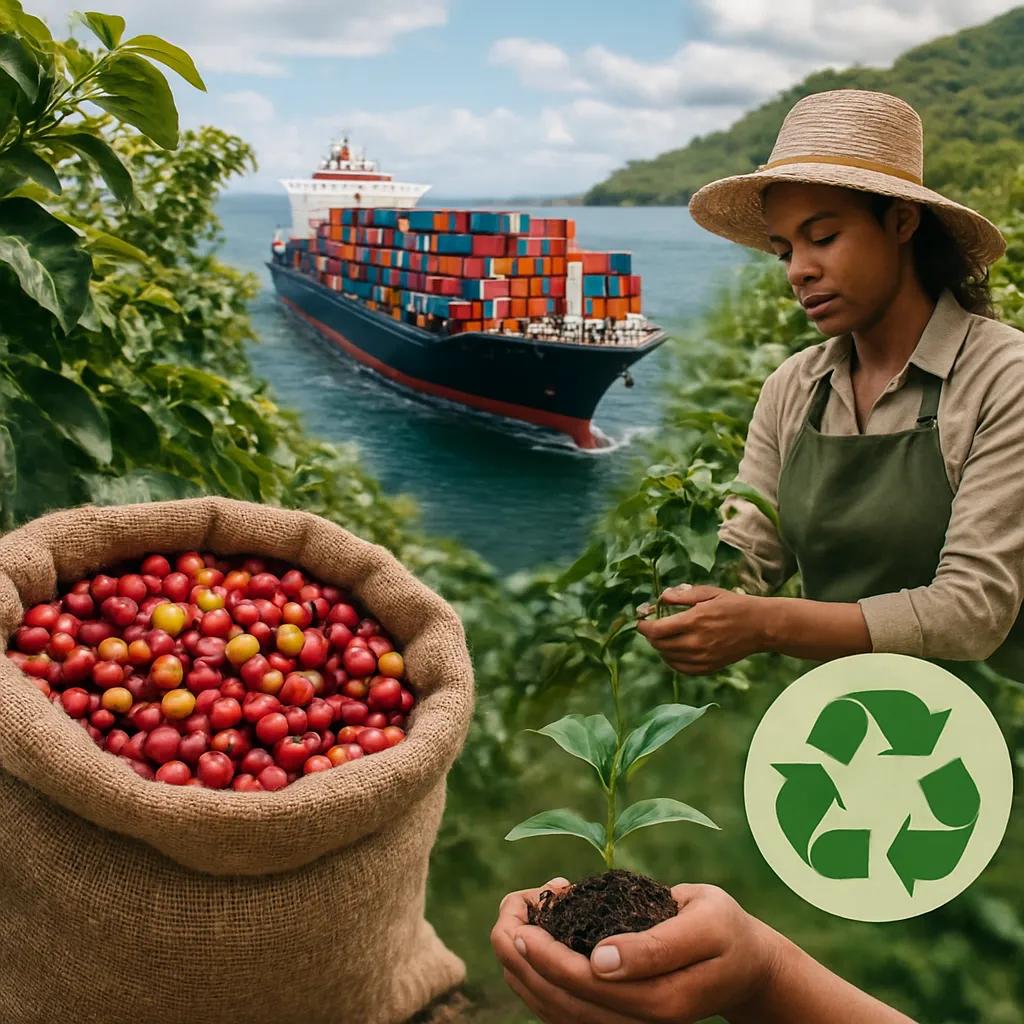
The complexity of the coffee industry spans continents and communities, weaving together smallholder farms, multinational roasters, and millions of consumers. Addressing the mounting environmental and social pressures requires a laser focus on sustainability at every stage of the value chain. This article examines four key dimensions—environmental impacts, socio-economic challenges, certification and traceability, and collaborative futures—in order to chart a path toward a more resilient and responsible coffee sector.
Environmental Impacts of Coffee Cultivation
Cultivation of coffee beans often occurs in biodiverse regions where clear-cutting forest land for plantations can lead to severe ecological degradation. Key environmental concerns include soil erosion, water pollution, and habitat loss. Efforts to promote agroforestry and integrate shade trees help mitigate these risks by maintaining canopy cover, enhancing carbon sequestration, and preserving native wildlife corridors.
Climate Change Pressures
As temperatures rise and precipitation patterns shift, coffee yields and quality face unpredictable declines. Farmers at higher altitudes may benefit temporarily, but long-term projections warn of shrinking suitable growing zones. Strategies such as cultivar breeding for heat and drought tolerance, combined with improved agroecological practices, can bolster farm-level resilience.
Biodiversity and Ecosystem Services
Monoculture coffee systems dramatically reduce biodiversity, undermining pollinators and natural pest predators. The adoption of mixed cropping systems—interplanting bananas, papaya, or timber trees—creates habitat for insects and birds, enhances nutrient cycling, and spreads economic risk. These polycultural approaches serve as living laboratories for sustainable land use.
Water Stewardship
Conventional coffee processing consumes large volumes of water and often discharges untreated effluent into rivers. Advances in wet mill designs, water-recycling technologies, and dry-processing methods have begun to revolutionize water stewardship. In regions where water scarcity is acute, small interventions yield outsized benefits in community health and ecosystem integrity.
Social and Economic Challenges
Although coffee generates billions in global trade, many farmers earn below a living wage. Market volatility and limited access to financing compound the struggle for rural households. Empowering producers through cooperative models and value-addition initiatives remains critical for equitable growth.
Livelihoods of Smallholder Farmers
Approximately 70% of the world’s coffee is grown by smallholder producers, who often face inadequate infrastructure, poor road networks, and minimal technical support. Investment in extension services and farmer field schools can dramatically increase yields and quality, leading to improved household incomes and community well-being.
Market Volatility and Pricing
Global coffee prices are subject to speculative trading, currency fluctuations, and supply shocks due to extreme weather events. Price risk management instruments, such as futures contracts and weather-index insurance, enable farmers and cooperatives to hedge against financial uncertainty, stabilizing earnings and encouraging long-term planning.
Gender and Community Empowerment
Women play vital roles in planting, harvesting, and processing coffee, yet they frequently lack land rights, credit access, and decision-making power. Targeted training programs and microfinance initiatives for women can unlock new economic opportunities, strengthen household food security, and foster more inclusive governance structures at the village and cooperative levels.
Certification, Traceability, and Innovation
Consumers increasingly demand proof that their morning cup supports fair wages, responsible farming, and minimal environmental harm. Third-party verification and digital tracking platforms provide the transparency needed to build trust and command premium prices.
Third-Party Certifications
Labels such as Fair Trade, Rainforest Alliance, and Organic have become benchmarks for ethical production and environmental stewardship. While certification can open doors to export markets and higher price tiers, the costs and complex compliance requirements sometimes exclude the smallest producers. Scaling shared audit costs through regional cooperatives offers a potential solution.
Blockchain and Digital Traceability
Emerging technologies enable end-to-end visibility from seedling to consumer. Blockchain-based ledgers record transaction history in immutable blocks, preventing fraud and enhancing accountability. By scanning QR codes on packaging, consumers can trace beans back to a specific farm, verify traceability, and confirm adherence to sustainability criteria.
Research and Agricultural Technology
Investments in biotechnology, precision agriculture, and remote sensing equip farmers with real-time data to optimize inputs, detect disease outbreaks early, and conserve resources. Drone surveillance can map plantation health, while smartphone apps facilitate peer-to-peer knowledge sharing, all of which drive continuous innovation in field operations.
Collaborative Strategies for a Sustainable Future
No single actor can transform the global coffee value chain alone. Success hinges on forging partnerships among producers, roasters, governments, NGOs, and consumers to align incentives and share knowledge.
Stakeholder Partnerships
Multi-stakeholder platforms bring together diverse voices to design region-specific standards and share best practices. Public–private partnerships fund infrastructure upgrades in processing centers, while international agencies offer technical assistance, ensuring that local priorities guide development agendas.
Policy Frameworks and Trade Incentives
National governments can promote sustainable coffee by offering tax breaks to eco-certified exporters, investing in rural electrification for processing plants, and enforcing legislation against deforestation. Importing countries may impose tariffs or source quotas to reward producers with robust sustainability credentials.
Consumer Engagement
Educated consumers drive demand for ethically sourced coffee and are willing to pay a premium for verified quality. Marketing campaigns, barista workshops, and interactive sourcing events strengthen the link between cup and community, turning every purchase into a vote for responsible production.
In the face of shifting climates, fluctuating markets, and escalating social demands, the coffee industry stands at a crossroads. Embedding ethical practices, enhancing farmer profitability, and maintaining transparent supply chains will be essential to secure a future where every stakeholder benefits from the world’s most beloved beverage.