The trajectory of global food demand is shaped by a complex interplay of demographic, economic, and environmental factors. By 2030, consumption patterns will undergo significant transformations, driven by evolving dietary preferences, rapid urbanization, and pressing sustainability concerns. This article examines the underlying drivers, emerging challenges, and innovative strategies that will define the next decade of the agriculture global market, highlighting critical trends that stakeholders must address to ensure a resilient food system.
Drivers of Rising Global Food Demand
Several fundamental forces are propelling the surge in food consumption:
- Population Growth: The world’s population is expected to surpass 8.5 billion by 2030, intensifying pressure on existing food supplies and arable land.
- Urbanization: An expanding urban population is reshaping dietary preferences, with greater demand for processed foods, dairy, meat, and convenience products.
- Income Expansion: Rising incomes in emerging economies boost demand for higher-value protein sources, fresh produce, and specialized food items.
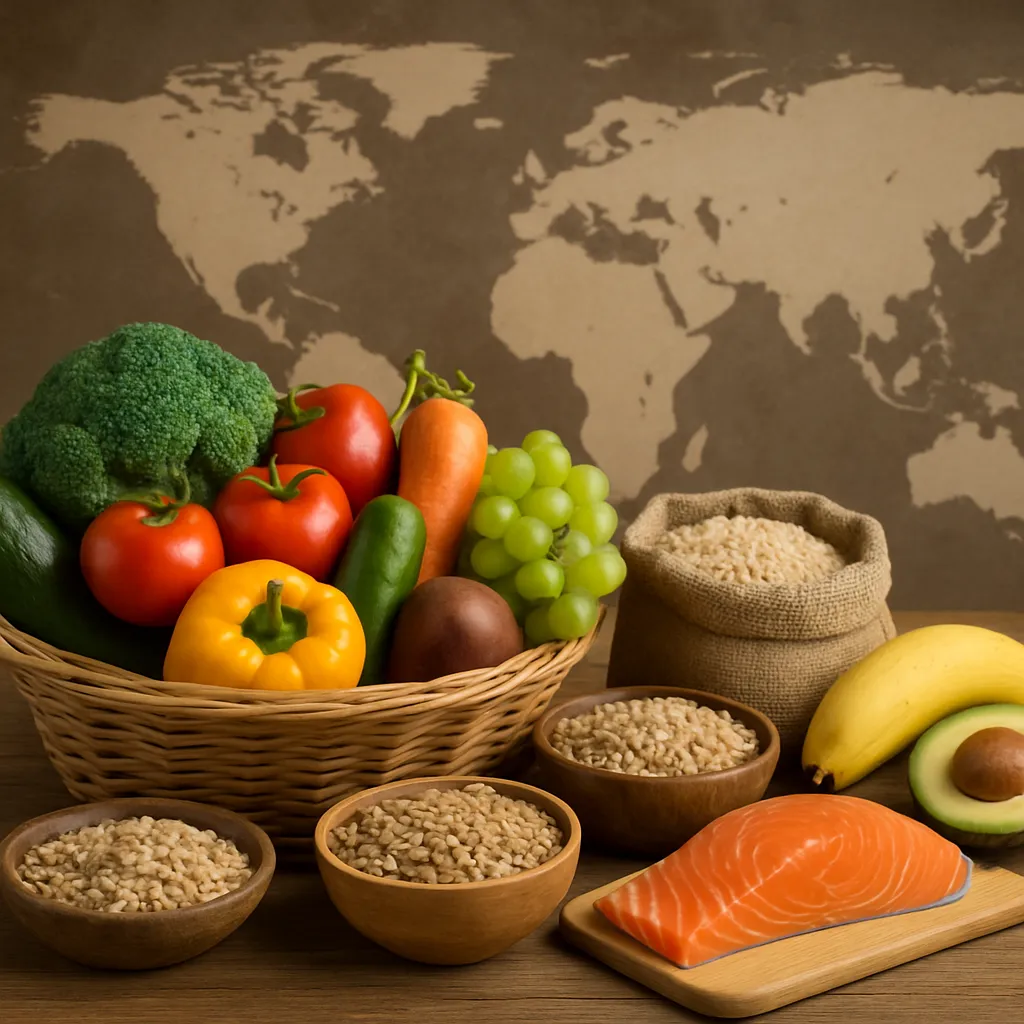
- Dietary Shifts: Health consciousness and changing tastes are driving interest in plant-based proteins, functional foods, and nutrient-dense ingredients.
As these dynamics converge, global calorie intake is anticipated to grow by over 15% from 2020 levels, necessitating a transformative approach to productivity and resource management.
Challenges Confronting the Agricultural Sector
Meeting escalating food requirements will require overcoming a series of formidable obstacles:
Climate Change and Environmental Stress
Erratic weather patterns, prolonged droughts, and severe flooding events increasingly undermine crop yields and livestock productivity. Shifts in temperature and precipitation patterns demand new agronomic practices that enhance resilience and safeguard harvests.
Resource Constraints
Freshwater availability is dwindling in many key agricultural regions, while soil degradation and loss of biodiversity threaten long-term sustainability. Efficient water management, soil regeneration techniques, and integrated pest management are critical to preserving the resource base.
Supply Chain Vulnerabilities
Global supply chains remain vulnerable to disruptions from geopolitical tensions, trade barriers, and logistical bottlenecks. Strengthening local value chains, diversifying sourcing networks, and adopting digital traceability solutions will be essential to maintain stable flows of commodities.
Technological Innovations and Sustainable Solutions
Technological progress offers a path to reconcile rising demand with environmental stewardship. Key innovations include:
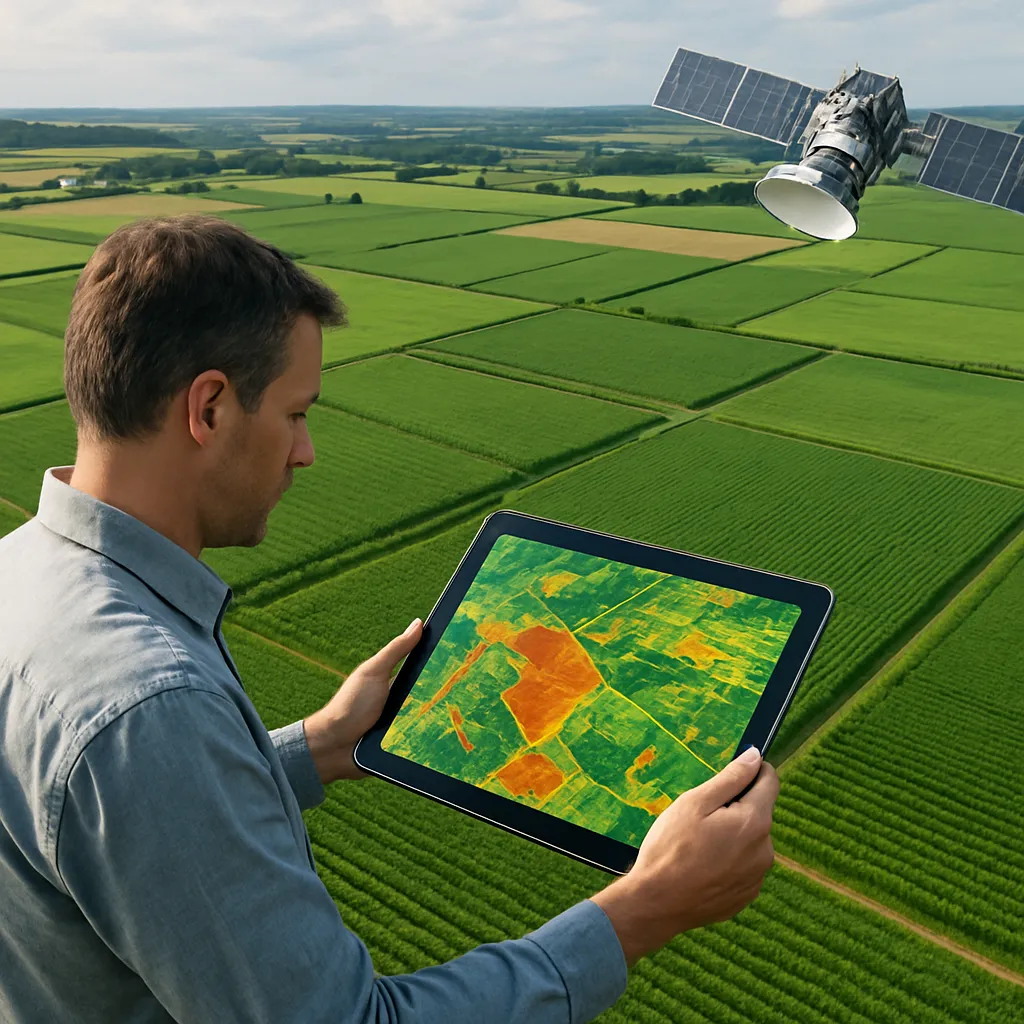
- Precision Agriculture: Data-driven farming methods, aided by sensors, drones, and satellite imagery, optimize inputs such as water, fertilizers, and pesticides, boosting efficiency and reducing waste.
- Biotechnology: Advanced breeding techniques and gene-editing platforms facilitate the development of high-yielding, stress-tolerant crop varieties, accelerating the pace of genetic improvement.
- Vertical Farming: Controlled-environment agriculture enables year-round production of leafy greens and herbs within urban centers, reducing transportation emissions and land use.
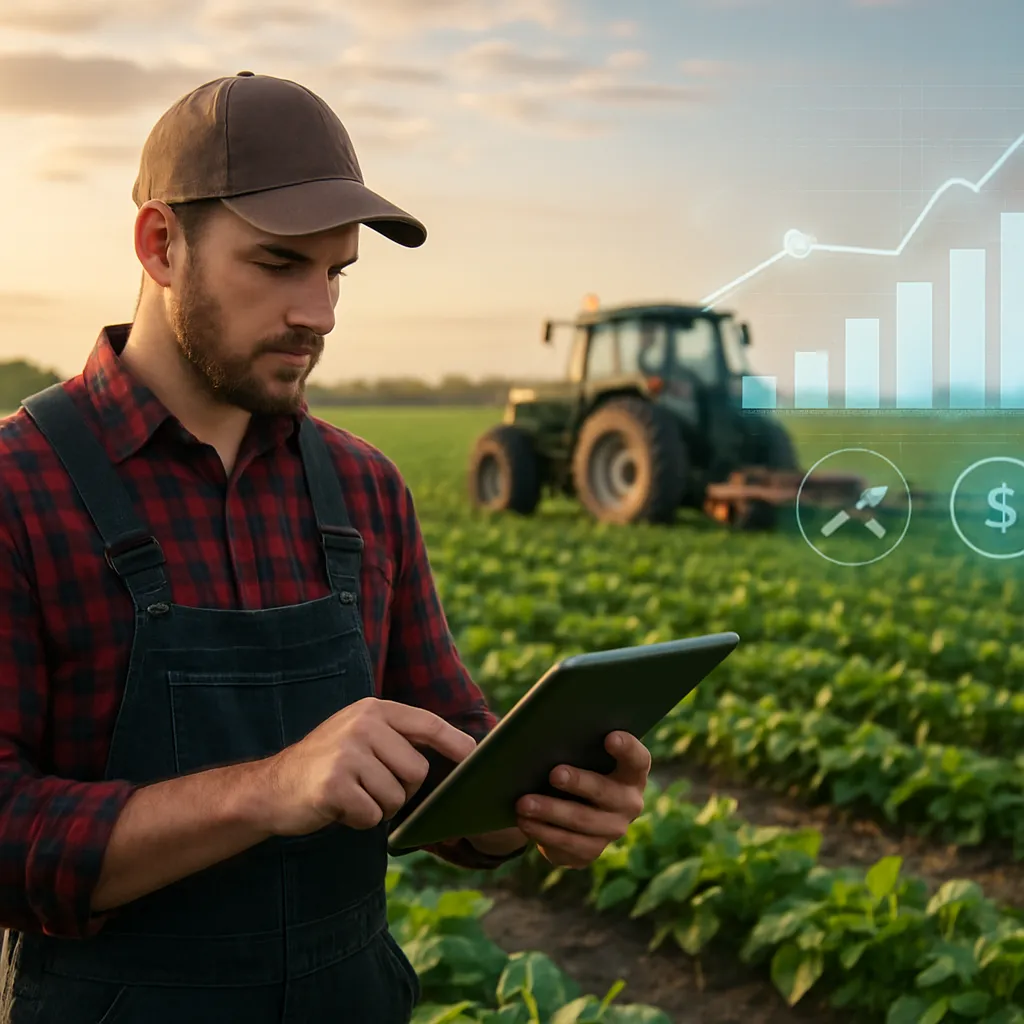
- Automation and Robotics: Autonomous machinery streamlines planting, weeding, and harvesting operations, addressing labor shortages and improving operational consistency.
- Digital Marketplaces: E-commerce platforms and blockchain-based traceability tools enhance market access for smallholders and foster transparency across supply chains.
Collectively, these innovations can elevate global efficiency and support more sustainable production models that align with environmental objectives.
Market Trends and Investment Opportunities
The evolving landscape of the global food market presents diverse avenues for growth and value creation:
Regional Growth Hotspots
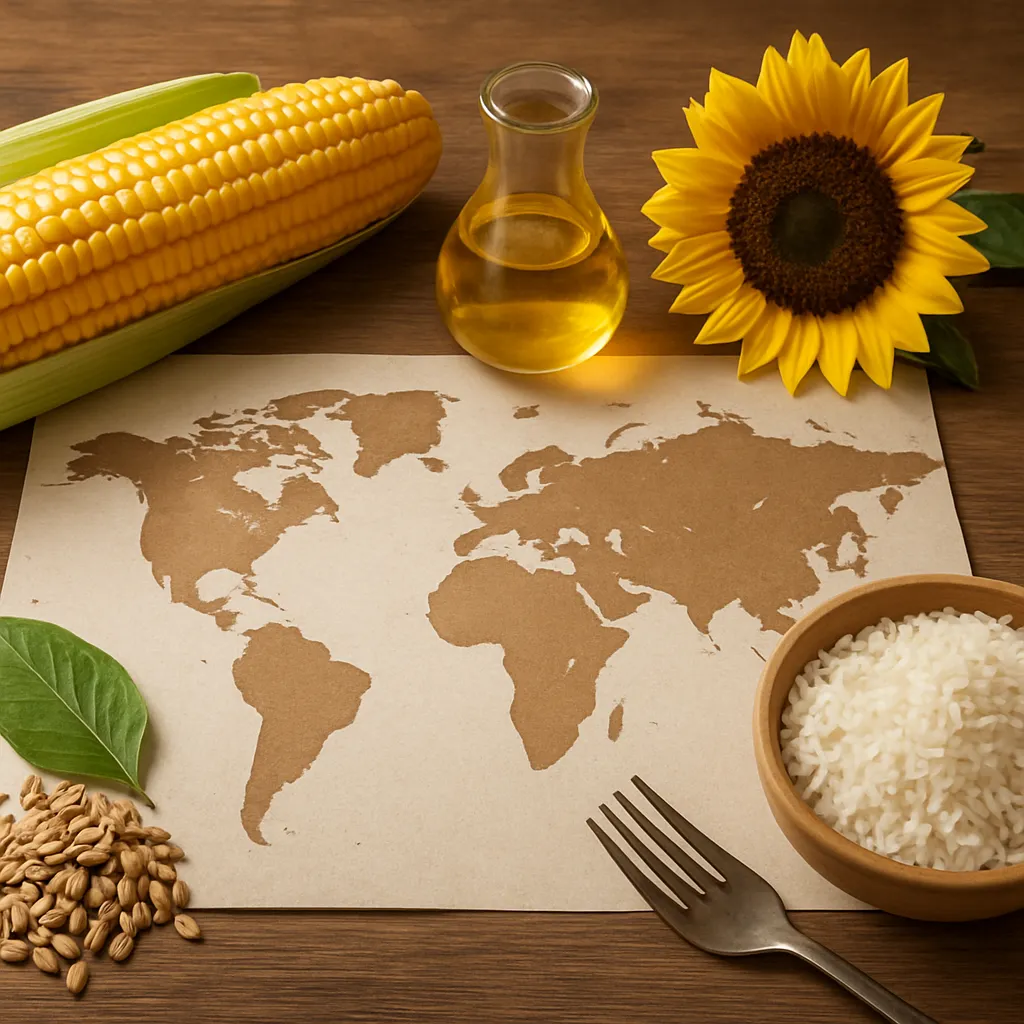
Asia-Pacific, Sub-Saharan Africa, and Latin America are emerging as focal points for agricultural expansion. Rapid urbanization and income growth in these regions drive demand for grains, oils, and high-value commodities.
Alternative Proteins
The surge in plant-based and cell-cultured proteins represents a multi-billion-dollar opportunity. Investments in research, production scale-up, and consumer education are accelerating the mainstream adoption of these novel sources.
Agri-Fintech and Insurance Solutions
Innovative financing models, such as digital credit and crop insurance, help mitigate risk for smallholder farmers and facilitate investments in productivity-enhancing technologies. Mobile banking and satellite-based weather index insurance are gaining traction in remote areas.
Public-Private Partnerships
Collaborative initiatives between governments, NGOs, and corporations are channeling resources into climate-smart agriculture, post-harvest management, and infrastructure development. Blended finance instruments are mobilizing capital toward both economic returns and sustainability goals.
Policy Frameworks and International Collaboration
Effective governance and multilateral cooperation will underpin the transition to a robust food system:
- Adoption of integrated food policies that balance production, environmental protection, and social welfare.
- Implementation of carbon pricing and incentives for carbon sequestration practices, such as agroforestry and cover cropping.
- Strengthening of global trade agreements to ensure equitable market access and reduce export restrictions.
- Promotion of knowledge exchange platforms to disseminate best practices in technology adoption and resource stewardship.
By aligning policy frameworks with private-sector innovation and civil society engagement, the world can forge a path toward greater food security and environmental integrity by 2030. The collective impact of these measures will determine the viability of future generations’ access to nourishing, affordable, and sustainable food.